
 Akshay Dinesh
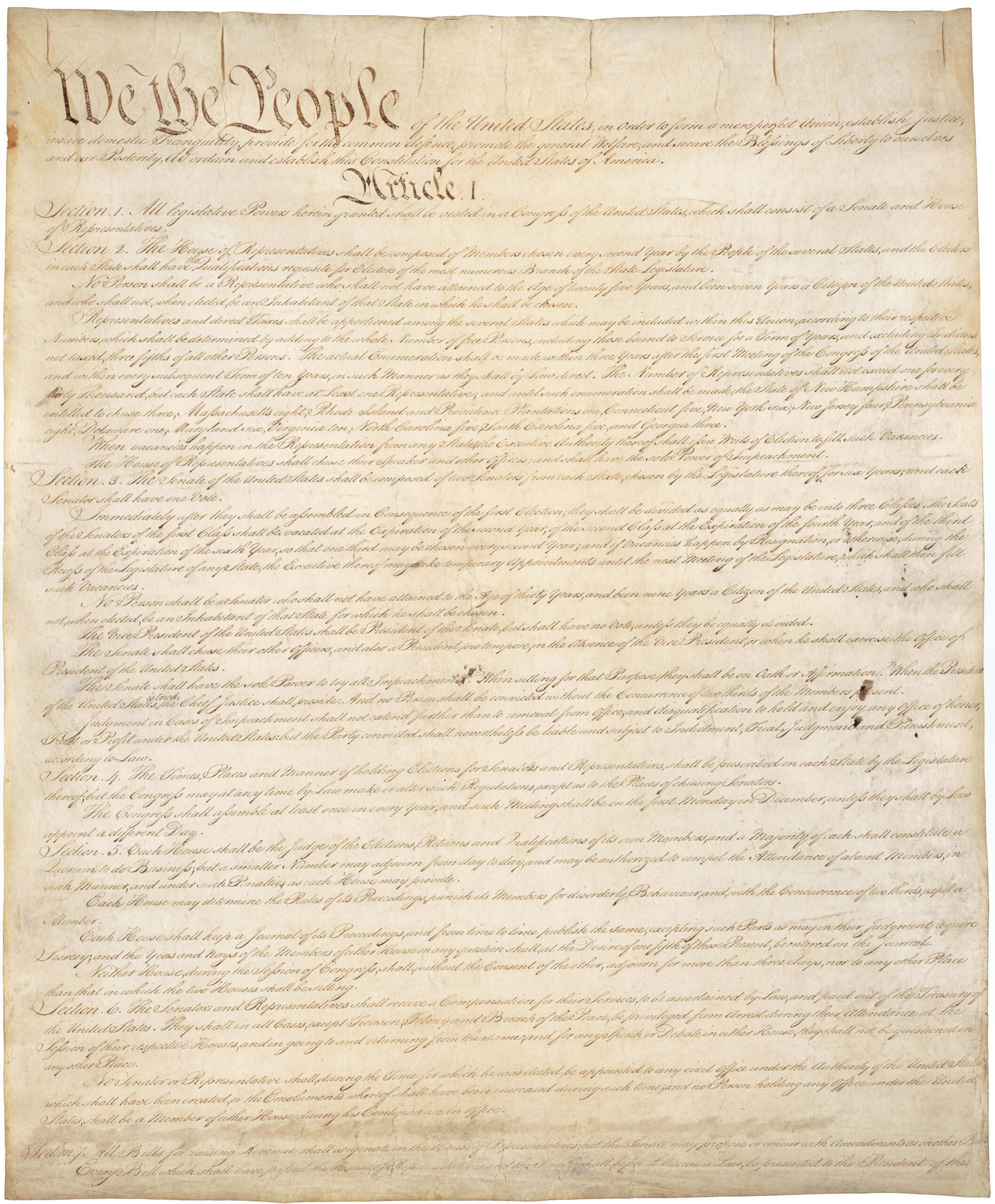
The U.S. Constitution begins with a sentence many people can recognize before they can explain it. The opening words, “We the People,” sound simple, almost ceremonial. Yet the Preamble does more than introduce an old document. It tells readers where the Constitution claims its authority comes from, what problems the new government was meant to answer, and what kind of public purposes the framers wanted the system to serve.
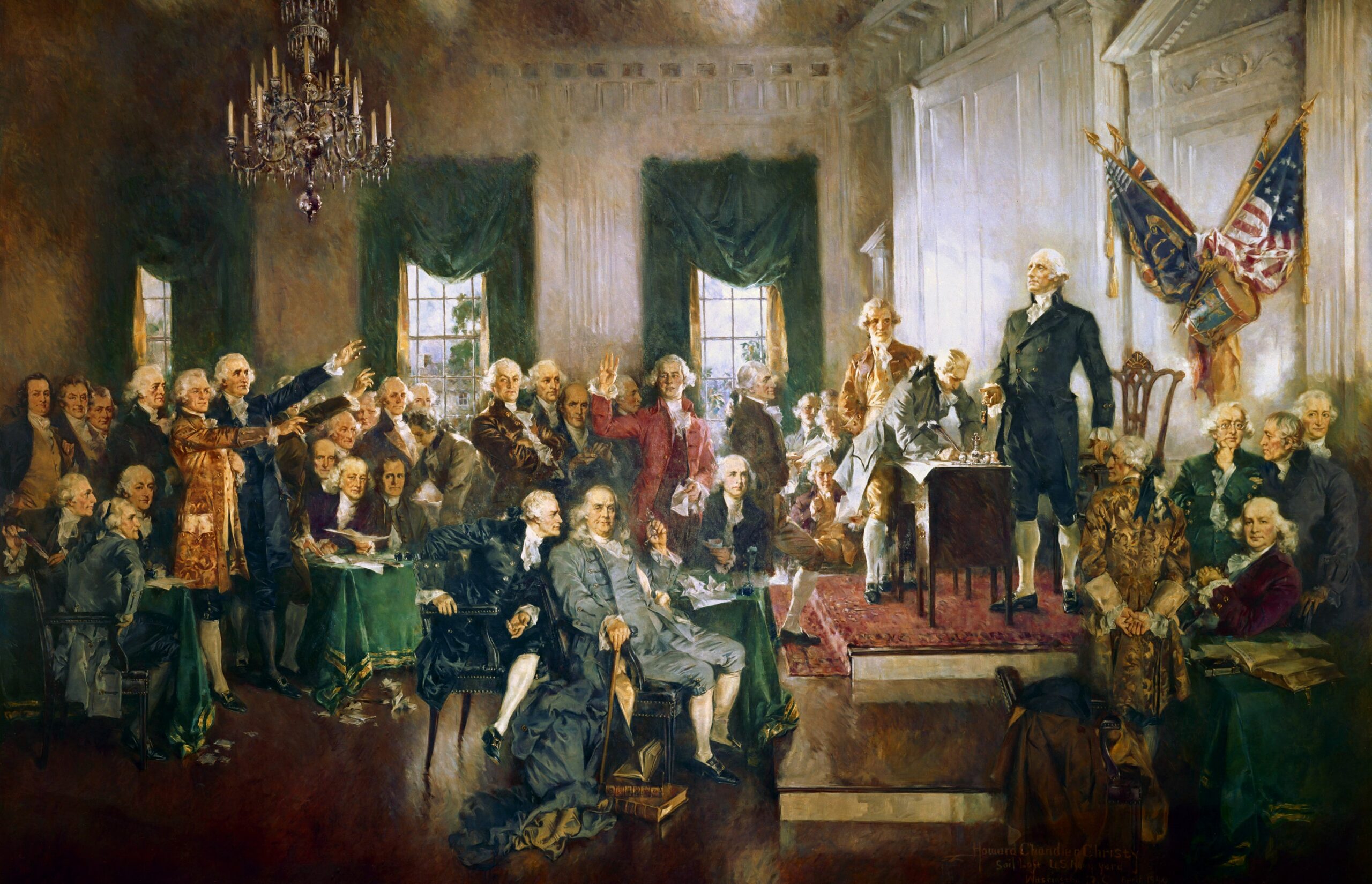
That matters because the Constitution was not written in a calm political moment. The United States had won independence, but the national government under the Articles of Confederation was weak. Congress struggled to raise money, regulate trade, manage debt, or respond firmly when unrest exposed the limits of national authority. By 1787, the Philadelphia Convention was not just revising legal language. It was trying to build a government strong enough to hold the union together without recreating the distant power Americans had just resisted.
A Short Opening With a Large Job
A preamble is an introduction, not a full set of rules. The U.S. Constitution’s Preamble does not create Congress, define the presidency, organize the courts, or list individual rights. Those jobs belong to the articles and amendments that follow. Its power is different: it frames the whole document by naming the source and purposes of the government.
The Library of Congress’s Constitution Annotated treats the Preamble as the Constitution’s opening statement of broad aims rather than a separate grant of power. Courts have generally read it that way too. It helps explain the document, but it does not give officials a blank check to do anything that sounds useful or patriotic. That distinction is important. The Preamble is not a shortcut around the rest of the Constitution.
Still, introductions can shape how a document is understood. The Preamble gives the Constitution a public direction before readers reach the machinery of lawmaking, elections, courts, taxes, war powers, and amendments. It says the government is being established for a set of shared purposes, not merely for the convenience of politicians or states. In one sentence, it turns a legal framework into a civic promise.
Why “We the People” Was a Serious Choice
The most famous words in the Preamble are also its most politically loaded. “We the People” places the ultimate source of authority in the people of the United States, not in a king, a single state government, or a temporary alliance of separate states. That was a major shift from the Articles of Confederation, which described the states as entering a firm league of friendship with one another.
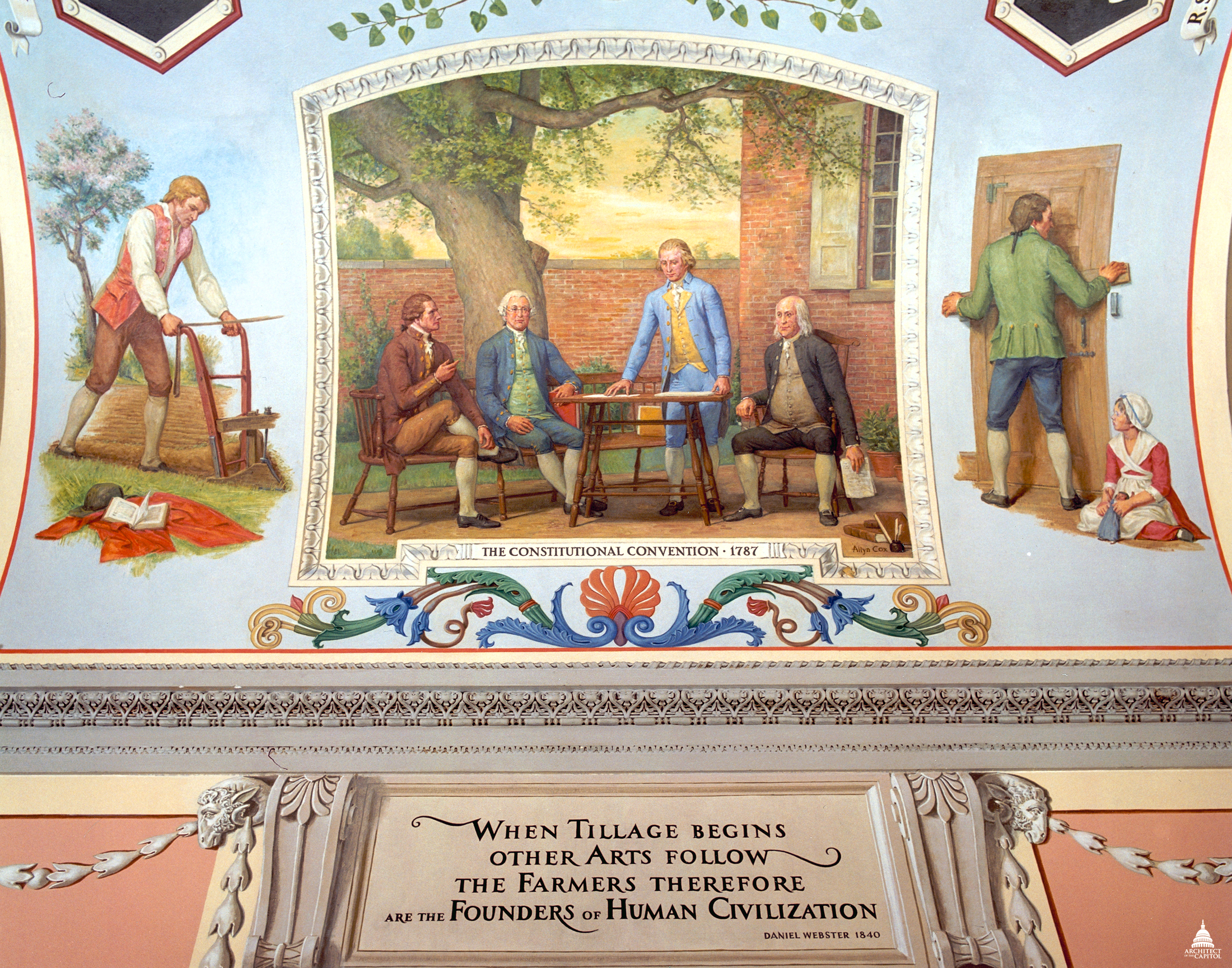
The wording also avoided a practical problem. Earlier drafts could have listed the states by name, but not every state was guaranteed to ratify the Constitution. Naming all thirteen states would have raised awkward questions if some refused. The final wording, shaped by the Convention’s Committee of Style and closely associated with Gouverneur Morris, moved the language toward a broader national identity: the people of the United States.
That did not mean every person had equal political power in 1787. Enslaved people, most women, many Native people, and many free Black Americans were excluded from full participation, and voting rules remained heavily restricted by state law. The phrase was larger than the political reality of the time. Its later importance comes partly from that tension. Americans have repeatedly argued over who fully belongs inside “the people” and what equal citizenship should require.
The Six Goals Hidden in Plain Sight
After naming the people as the source of authority, the Preamble lists six broad goals. They are easy to recite quickly, but each one points to a real concern from the founding era. The first goal, forming “a more perfect Union,” answered the weakness of the old confederation. The framers were not claiming perfection. They were saying the previous arrangement had not been strong enough to meet the country’s needs.
Establishing justice pointed toward courts, laws, and procedures that could operate with more stability than state-by-state conflict and wartime improvisation. Insuring domestic tranquility reflected fear of internal disorder, including events such as Shays’ Rebellion in Massachusetts, where debt, taxes, and weak government response became a national warning sign. Providing for the common defense addressed the need for a government able to protect the nation, manage foreign threats, and speak with more unity abroad.
The last two goals reach beyond immediate crisis. Promoting the general welfare suggests that government exists to serve public well-being, not only private advantage or regional interest. Securing the blessings of liberty to future generations gives the Constitution a long horizon. The framers knew they were writing for a country that would outlive them, though they could not foresee the conflicts, amendments, expansions, and civil rights struggles that would later test that promise.
What the Preamble Does Not Do
Because the Preamble uses broad, inspiring language, it can be tempting to treat it as a free-standing source of legal authority. That is not how the Constitution is usually read. A law cannot be justified by pointing only to a general phrase such as general welfare or domestic tranquility. The specific powers and limits have to come from the articles, amendments, and legal interpretations that follow.
This is one reason the Preamble is best understood as a guidepost. It helps explain the purpose of the structure, but it does not replace the structure. The Constitution does not simply say government should do good things. It creates institutions, divides powers, sets procedures, and leaves space for amendment when the system needs to change.
That balance is part of what makes the Preamble useful for students of history and government. It shows that the framers wanted stronger national authority, but it also reminds readers that authority was placed inside a written framework. The Preamble gives the government a mission; the rest of the Constitution decides how that mission can be pursued.
Why It Still Shapes Civic Arguments
The Preamble remains important because Americans still debate the meaning of its phrases. What counts as the general welfare? How should liberty be protected across generations? When does national unity require federal action, and when does it require restraint? These are not just historical questions. They appear in arguments about civil rights, public health, education, voting, security, economic policy, and the balance between state and national power.
The words also help explain why later amendments became necessary. The Constitution’s original text included compromises that protected slavery and excluded many people from political equality. The Reconstruction Amendments after the Civil War, the Nineteenth Amendment, voting-rights laws, and later court battles all forced the country to confront the gap between the Preamble’s broad language and the lived reality of citizenship.
That is why the Preamble should not be read as decoration. It is not a complete answer to constitutional questions, but it sets the terms of the conversation. It asks readers to think about government as something established by the people, for public purposes, under a framework meant to endure beyond one generation.
A Sentence That Points Beyond Itself
The Preamble is short because it is not trying to do the work of the whole Constitution. Its job is to orient the reader before the details begin. It names the people as the source of authority, gathers the Constitution’s goals into one opening statement, and presents government as a tool for union, justice, peace, defense, welfare, and liberty.
Its most lasting value may be that it holds ambition and incompleteness together. The words announced a government built in the name of the people, even though the nation still had to struggle over who counted, who could vote, who could be free, and how power should be limited. Reading the Preamble well means seeing both sides: the bold promise at the front of the Constitution and the unfinished work that promise has carried through American history.




Add comment