 Akshay Dinesh
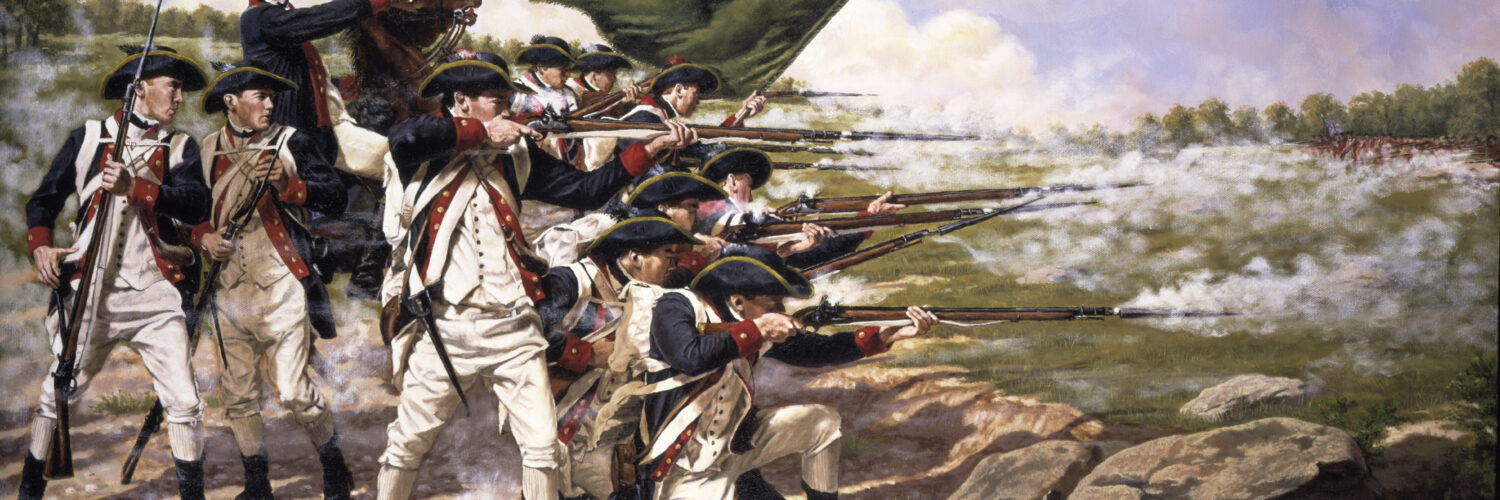
Only weeks after Americans heard the Declaration of Independence read aloud, the Revolution faced a brutal question: could the new cause survive a major defeat? The Battle of Long Island, fought in Brooklyn on August 27, 1776, gave the British a clear battlefield victory. It also forced George Washington to make one of the most important decisions of the war.
The battle is sometimes called the Battle of Brooklyn because the fighting took place in what is now Brooklyn, New York. At the time, Long Island included the rural roads, farms, ridges, marshes, and ferry crossings that shaped the entire campaign. The British wanted New York because its harbor could support the Royal Navy, divide the colonies, and give Britain a powerful base for the rest of the war. Washington knew New York mattered, but knowing that did not make it easy to defend.
Why New York Became the Next Target
After the British left Boston in March 1776, Washington expected New York to become the next major battleground. The city had deep-water access, river routes, and a central location along the Atlantic coast. A British army and navy operating from New York could threaten New England, the Hudson River, New Jersey, and the middle colonies at the same time.
The problem was geography. New York was not one simple fortress. It was a harbor city surrounded by waterways, islands, narrow crossings, and approaches from several directions. The Royal Navy could move troops by water more easily than Washington could shift soldiers over land. The Continental Army was also inexperienced, short on supplies, and still becoming a real national army.
Washington spread his forces between Manhattan and Long Island because he did not know exactly where the British would strike. That uncertainty was understandable, but it created a dangerous weakness. If one side of the defense came under heavy attack, the other might not be able to reinforce it quickly enough. The British commanders, William Howe and his brother Admiral Richard Howe, had the ships, soldiers, and local intelligence to exploit that problem.
How the British Flanking Plan Worked
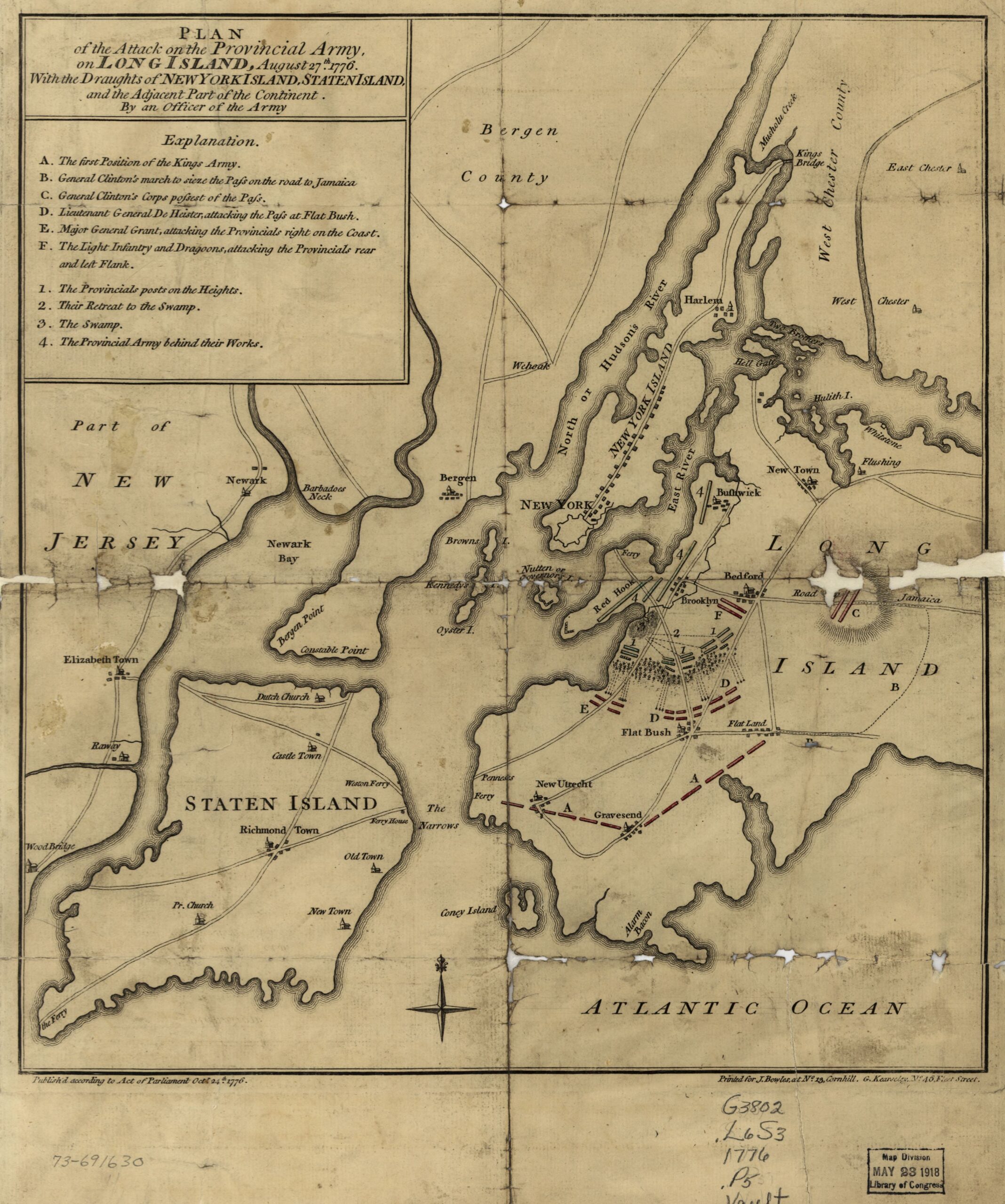
The American defenses on Long Island depended heavily on the wooded heights south of Brooklyn. Roads and passes through those heights mattered because they controlled the path toward the fortified position at Brooklyn Heights. If the British attacked only from the front, American troops might slow them down and fall back in order. If the British found a way around, the defense could collapse.
That is what happened. British and Hessian forces held American attention along the front while a large British column moved through Jamaica Pass, a route the Americans had not guarded well enough. By the time the flanking force came up behind American positions, the Continental troops on the forward line were in serious trouble. Some units fought hard, but the overall position had been turned.
The numbers made the danger worse. The American Battlefield Trust summarizes the forces engaged as about 10,000 Americans against about 20,000 British troops. The British attack forced many American soldiers to retreat toward Brooklyn Heights, while others were killed, wounded, or captured. For soldiers who had recently been defending a new declaration of nationhood, the defeat was a sharp lesson in what professional armies and coordinated maneuvers could do.
The fighting also showed that the battle was not simply a story of panic. Rear-guard actions by Delaware and Maryland troops helped delay British advances long enough for more Americans to escape. The soldiers later remembered as the Maryland 400 became especially associated with desperate charges near the Old Stone House area. Their stand did not reverse the result, but it bought time, and in a battle like this, time mattered.
Why Washington Could Not Stay in Brooklyn
By the end of the fighting, Washington’s army had pulled back to Brooklyn Heights. That position was fortified, but it was not safe. The Continental Army had the East River behind it, British forces in front, and the Royal Navy nearby. If the British tightened the siege or cut off the river crossing, Washington could lose not just a battle but much of the army.
That distinction is the key to understanding why Long Island mattered. A capital city can be lost and later regained. A harbor can be occupied. But if the main army is trapped and destroyed, the Revolution may lose the force that gives political independence a military future. Washington had to think beyond the pride of holding ground.
General Howe chose not to launch an immediate frontal assault on the Brooklyn Heights defenses. That decision remains one of the debated moments of the campaign. A direct attack might have caused heavy British casualties, especially after the memory of Bunker Hill. Howe instead began preparing for a siege. From the British point of view, that was cautious and logical. From Washington’s point of view, it created a narrow opening.
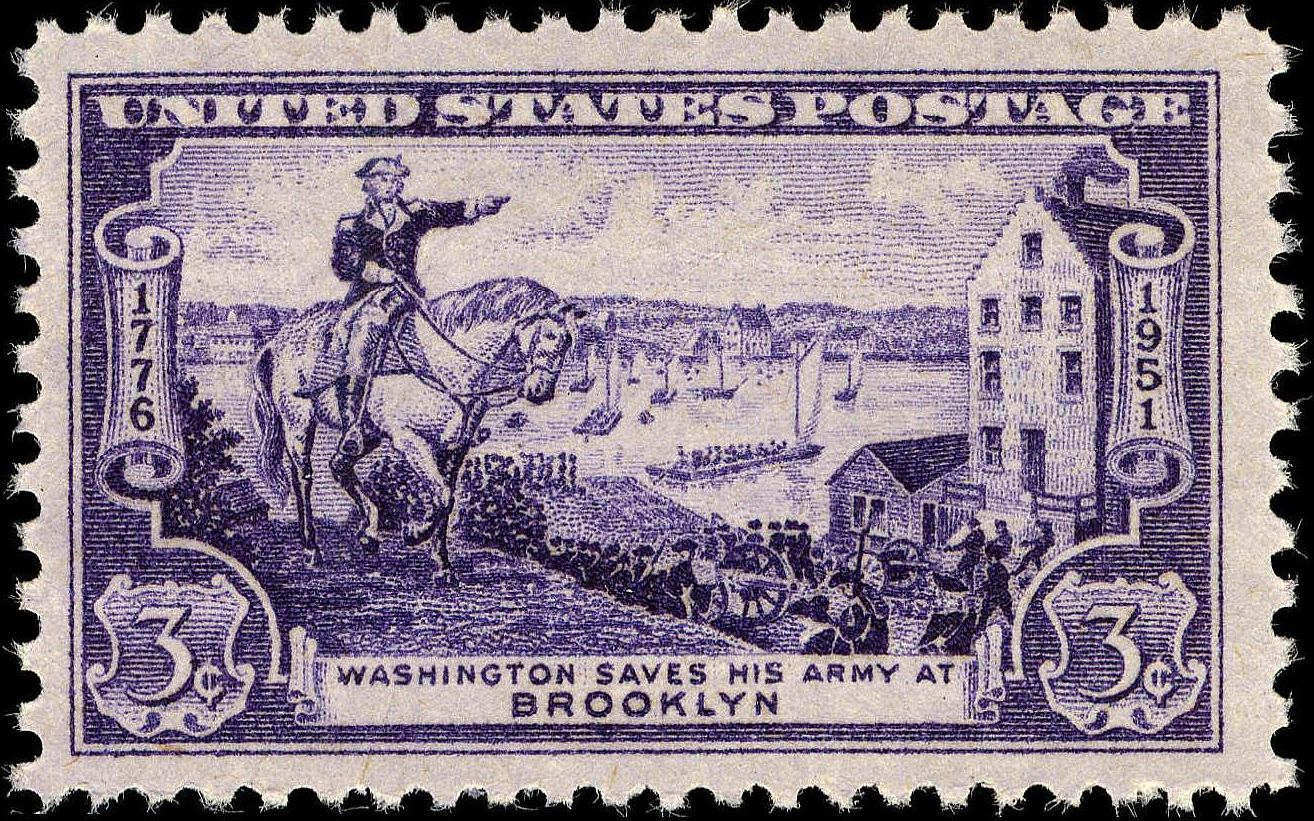
Washington decided to withdraw across the East River to Manhattan. It was a risky choice because moving thousands of soldiers, artillery, horses, and supplies by boat at night could easily turn into chaos. A noisy evacuation might alert the British. Bad weather or daylight could expose the army. A failed crossing could leave soldiers stranded with nowhere to go.
The Night Escape That Changed the Meaning of Defeat
The retreat began on the night of August 29. Soldiers were ordered to move quietly. Campfires were left burning to make the American position look occupied. Wheels were muffled, conversation was restricted, and boats moved back and forth across the East River in darkness. Men with maritime experience, including soldiers from Marblehead, Massachusetts, helped manage the crossing.
National Park Service accounts emphasize the role of fog the next morning. As daylight approached, a thick fog helped hide the last stage of the evacuation. By about 7 a.m., the Continental Army had reached Manhattan. Washington was among the last to leave. The escape did not erase the defeat, but it prevented the defeat from becoming a surrender.
That is why the Battle of Long Island can feel almost contradictory. On the battlefield, the British won clearly. They outmaneuvered the Americans, inflicted heavy losses, and eventually took New York City, which they held until 1783. Yet Washington’s decision to evacuate preserved the Continental Army. The Revolution survived because the army survived.
The battle also changed Washington’s understanding of the war. He could not always defend fixed positions against a stronger navy and better-trained army. He would need to choose ground carefully, avoid traps, retreat when necessary, and keep the army intact long enough for political and military conditions to shift. Long Island was a hard lesson in strategic patience.
What the Battle Teaches About the Revolution
The Battle of Long Island was the first major battle after independence, and that timing gives it special weight. The Declaration had made a bold claim about rights and self-government. Long Island showed that the claim would have to survive hunger, fear, confusion, bad intelligence, and military defeat. Independence was not protected by words alone.
The battle also reminds readers that geography can shape history as much as speeches do. Roads through Jamaica Pass, the ridges of Guan Heights, the marshy ground near Gowanus Creek, the East River crossing, and the harbor controlled by British ships all influenced what commanders could do. Strategy was not abstract. It was tied to hills, water, weather, roads, and the limits of human movement.
There is also a lesson in how people judge success. If success means holding the battlefield, Washington failed. If success means preserving the army and keeping the cause alive, his escape mattered enormously. The Revolution depended on both courage and restraint: soldiers willing to stand under pressure, and commanders willing to admit when holding ground would cost too much.
For Britain, the victory strengthened control of New York and exposed American weaknesses. For the Americans, the defeat exposed the cost of inexperience but also revealed a survival instinct that would shape the rest of the war. The Continental Army would suffer more setbacks in 1776, including the retreat across New Jersey, before the surprise victories at Trenton and Princeton restored momentum.
Long Island did not decide the Revolution in a single afternoon. Instead, it clarified the kind of war the Revolution would become. The American side could not rely on one dramatic stand or one perfect plan. It had to endure, adapt, and keep enough strength alive for future chances. That is why a lost battle in Brooklyn still belongs near the center of the story of American independence.