
 Akshay Dinesh
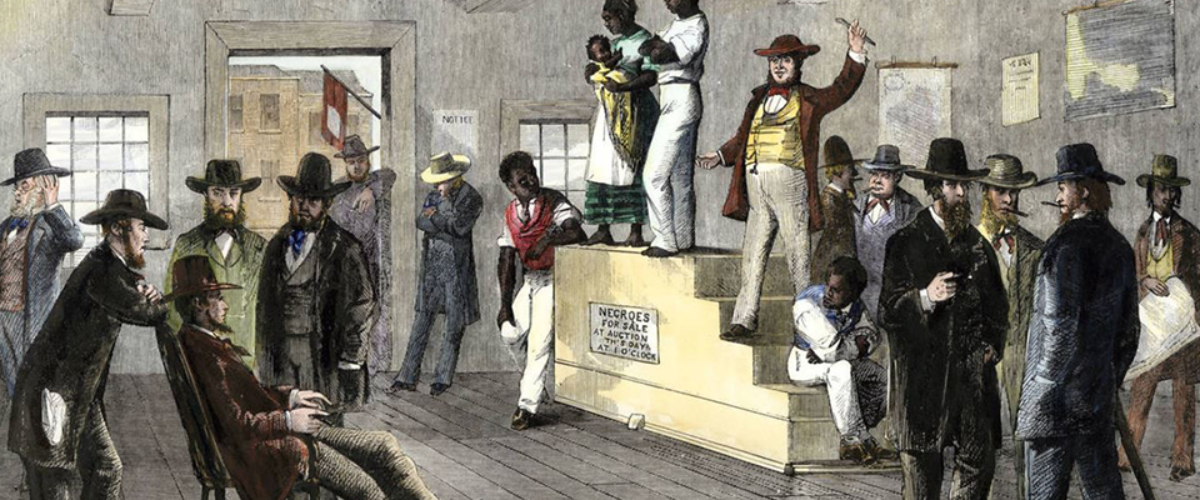
The Atlantic slave trade was one of the largest forced movements of people in history. From the 1500s through the 1800s, European traders, African intermediaries, colonial officials, shipowners, merchants, and plantation owners built a brutal system that captured, sold, transported, and exploited millions of African people across the Atlantic world. The trade was not an accidental side effect of empire. It became part of the economic machinery of colonies that produced sugar, tobacco, rice, coffee, cotton, and other goods for global markets.
Its scale is difficult to absorb. The Slave Voyages database, one of the most important scholarly projects on the subject, estimates that about 12.5 million Africans were forced onto transatlantic slave ships and about 10.7 million survived the ocean crossing. Those numbers represent individual lives: children separated from parents, communities raided or destabilized, skilled farmers and artisans turned into property, and generations born into bondage in the Americas.
What the Atlantic Slave Trade Was
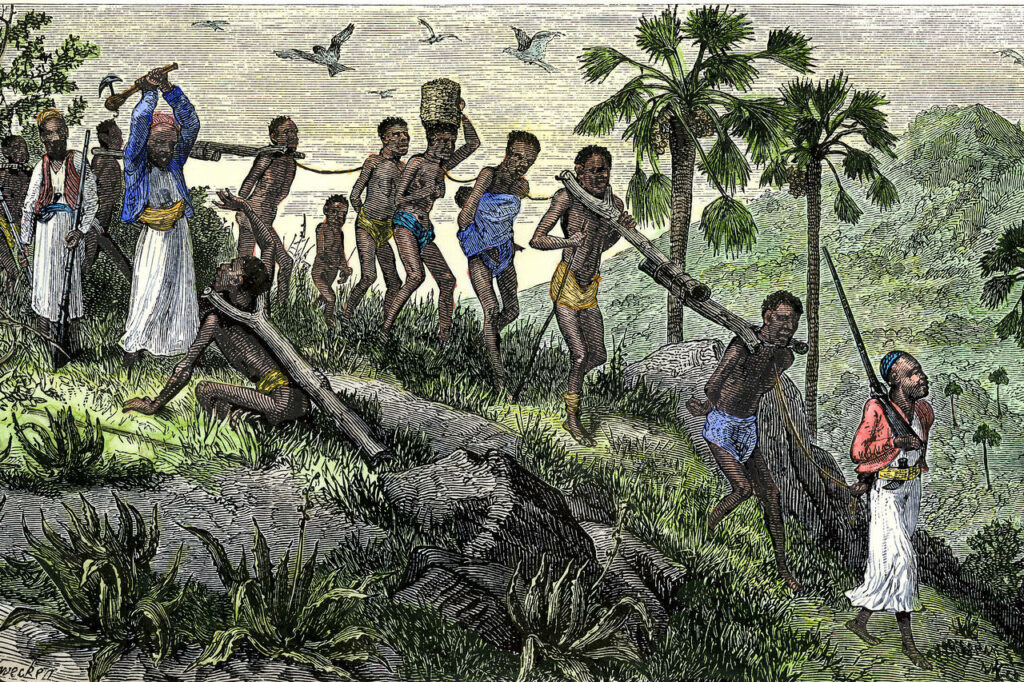
The Atlantic slave trade connected Europe, Africa, and the Americas through a network often described as triangular trade, though real routes were more varied than a simple triangle. European ships carried manufactured goods, weapons, textiles, and alcohol to parts of the African coast. Captive Africans were then forced aboard ships and transported across the Atlantic. In the Americas, enslaved people were sold into labor systems that produced commodities for export back to Europe and other markets.
Slavery existed in many societies before the Atlantic trade, but the transatlantic system was distinctive in its scale, racial structure, and close connection to plantation capitalism. Over time, European colonies created laws that made slavery hereditary, meaning children born to enslaved mothers were also enslaved. Race became a legal and social tool used to justify permanent bondage and deny basic human rights.
How Profit and Empire Expanded the Trade
The trade grew because powerful groups profited from it. Plantation owners wanted labor for crops that required intense, year-round work. Merchants and shipowners earned money from voyages, insurance, credit, and the sale of goods. European governments chartered companies, protected trade routes, and used colonial law to defend slavery as a source of wealth.
Portugal was deeply involved early, especially in Brazil. Britain, France, Spain, the Netherlands, and Denmark also participated in different periods and regions. African kingdoms and traders were not passive bystanders; some captured and sold people through wars, raids, debt, or punishment. Still, the explosive growth of the Atlantic trade came from European colonial demand and the expanding plantation economy across the Caribbean, Brazil, and mainland North America.
The Middle Passage
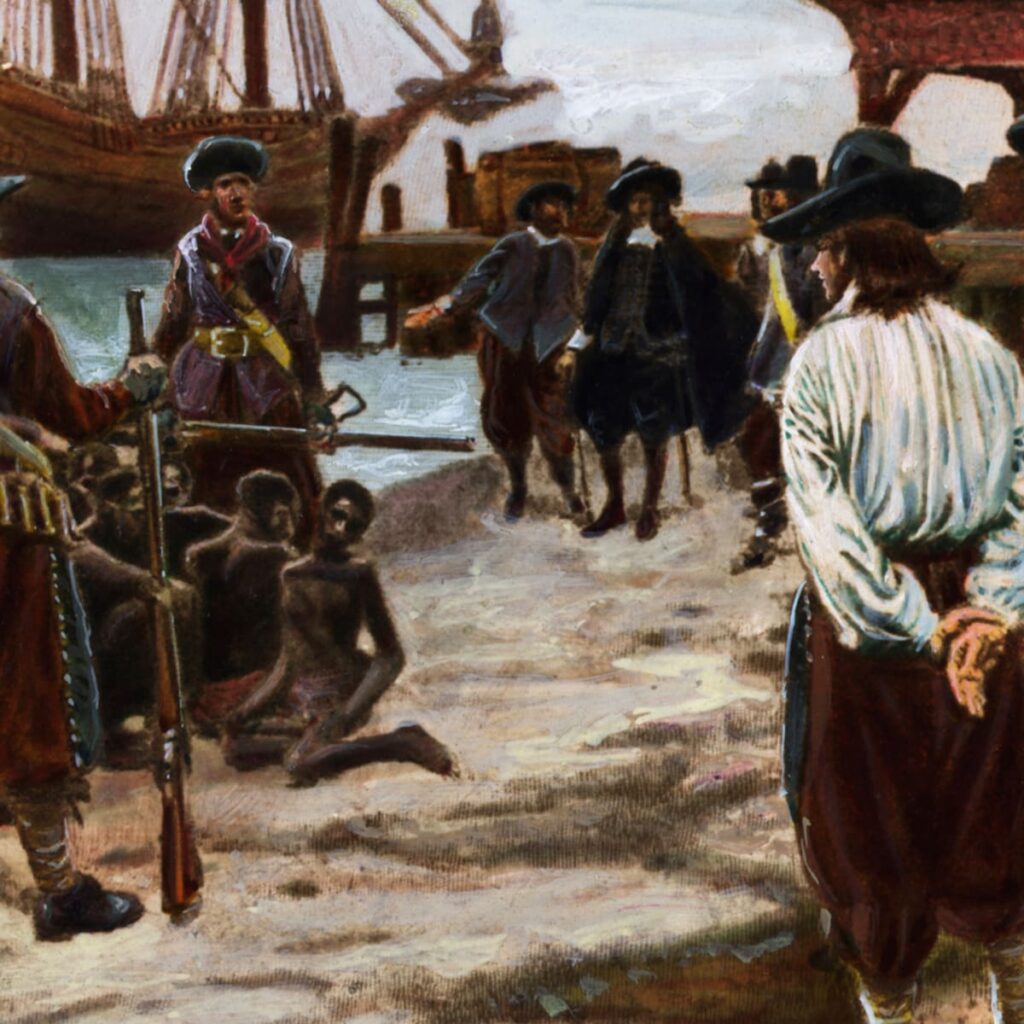
The forced Atlantic crossing is known as the Middle Passage. Captives were packed into ships under crowded, violent, and unsanitary conditions. Many were chained for long periods, given little space to move, and exposed to disease, dehydration, hunger, and abuse. Fear and grief were constant, because people had often been separated from families and did not know where they were being taken.
Mortality was high. Estimates vary by time and route, but roughly 1.8 million people died during the crossing. Some died from disease or malnutrition; others were killed, died by suicide, or were thrown overboard. Survivors arrived in the Americas traumatized and were usually sold soon after landing, beginning another stage of forced labor and family separation.
Forced Labor in the Americas
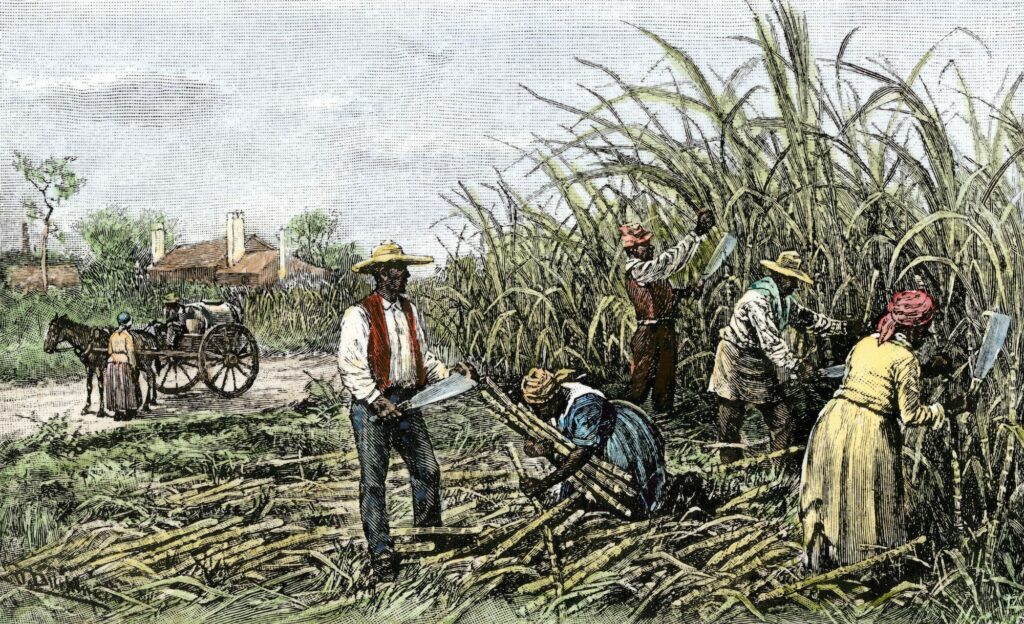
Most enslaved Africans taken across the Atlantic were sent to Brazil and the Caribbean, where sugar plantations demanded enormous amounts of labor. Others were forced to work on coffee, rice, tobacco, indigo, and cotton plantations, in mines, in ports, in workshops, and in homes. North America received a smaller share of the total transatlantic arrivals than Brazil or the Caribbean, but slavery became deeply embedded in the economy and society of the British colonies and later the United States.
The plantation system depended on violence. Enslaved people could be bought, sold, punished, moved, and separated from family members. Their legal status was designed to deny freedom, education, wages, political rights, and control over their own lives. Yet enslaved communities preserved languages, religious practices, music, farming knowledge, food traditions, and family networks wherever possible. Culture became one form of survival.
Resistance and Abolition
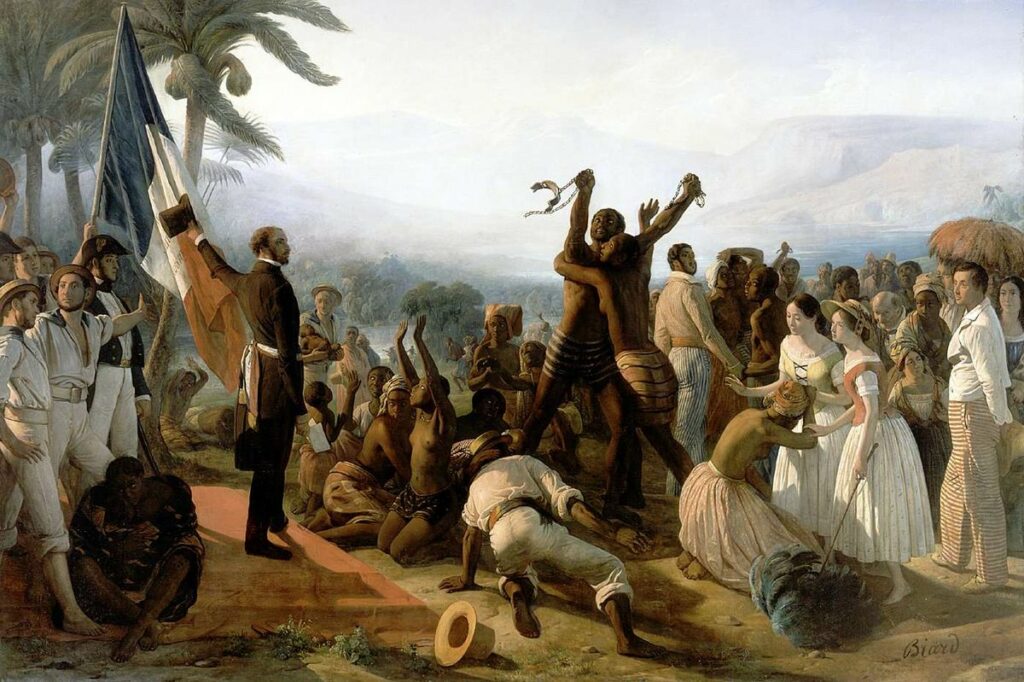
Resistance began wherever slavery existed. Enslaved people slowed work, broke tools, escaped, formed maroon communities, passed information, protected family members, preserved spiritual life, and sometimes organized revolts. The Haitian Revolution, which began in 1791, became the most dramatic example: enslaved and free people of color overthrew slavery in the French colony of Saint-Domingue and helped create the independent nation of Haiti.
Abolition also grew through political organizing, religious activism, petitions, published testimonies, and the work of formerly enslaved writers and speakers such as Olaudah Equiano and Frederick Douglass. Denmark ended its transatlantic slave trade in 1803 after passing a ban earlier. Britain abolished its slave trade in 1807, and the United States banned the importation of enslaved people starting in 1808. Those laws did not immediately end slavery itself. Slavery continued in the British Empire until the 1830s, in the United States until the Civil War and the Thirteenth Amendment in 1865, and in Brazil until 1888.
Why the Legacy Still Matters
The Atlantic slave trade reshaped the modern world. It changed the demographics of the Americas, enriched European and colonial economies, and created African diasporic communities with deep cultural influence. It also left long-lasting damage through racial slavery, legal inequality, dispossession, and systems of discrimination that continued after formal abolition.
Studying this history requires more than memorizing dates or trade routes. It means recognizing how ordinary economic choices, laws, ships, banks, farms, and courts were connected to human suffering. It also means seeing the people who endured the system not only as victims, but as families, workers, thinkers, rebels, artists, and community builders whose resistance and survival shaped history.





Add comment