
 Akshay Dinesh
The American Revolution grew from years of tension between Great Britain and its thirteen North American colonies. Disputes over taxation, representation, military power, trade rules, and colonial self-government turned political protest into war between 1775 and 1783. The conflict ended with Britain recognizing the United States as an independent nation, but its meaning was never simple. It expanded ideas about liberty and representative government while leaving major questions about slavery, women’s rights, Native nations, and political equality unresolved.
"We hold these truths to be self-evident, that all men are created equal." Declaration of Independence, July 4, 1776
The Causes of Revolution
1. Seven Years of War
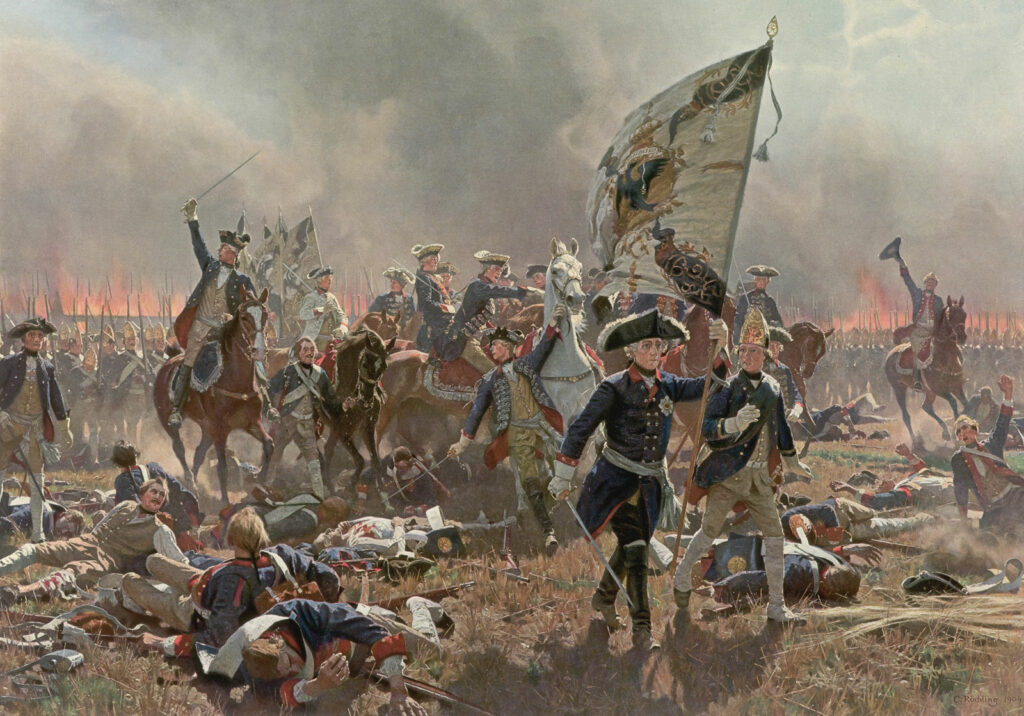
Following the discovery of America, various European nations landed in the region, resulting in the development of thirteen colonies over the next few decades. The British colonies and French-occupied provinces (modern-day Canada) began to have territorial disputes. After years of scrimmage between England and France in North America, the war eventually broke out with England officially declaring war on France in 1756, known as the French-Indian War/Seven Years of War. The Seven Years of War ended with England being victorious, defeating France in the last battle of Burkersdorf. The Treaty of Paris was signed on February 10, 1763; the treaty ended the war, but it also granted British control of the territory from the Mississippi River to the Appalachian Mountains.
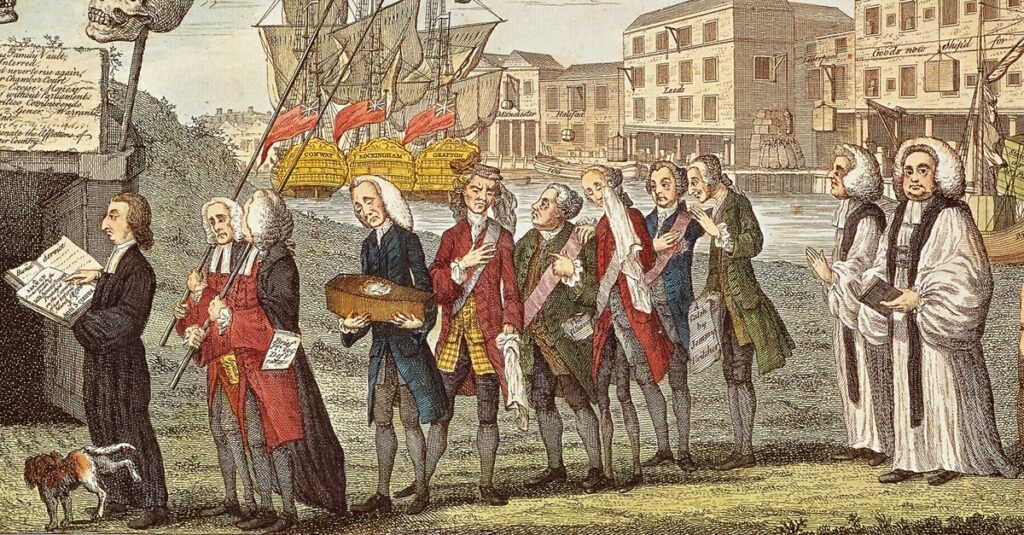
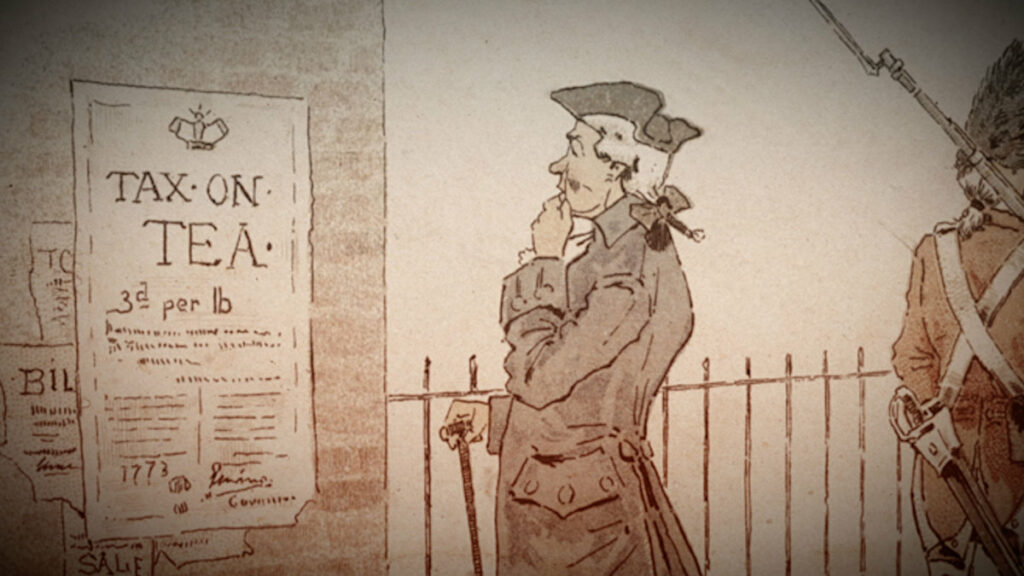
The seven-year war left Britain in massive debt, causing instability in their economic system. To cover the expenses of the costly war, the British government began raising taxes on the colonies. Britain passed The Stamp Act in 1765, where the colonies had to pay for the stamp on important documents and papers. The Townshend Act of 1767, as well as the Tea Act of 1773, fueled colonial resentment.
A growing number of colonies were opposing the British government, claiming that the government was taxing them too much and stealing their hard-earned money by imposing unreasonable duties on items such as tea and postage. Having had no representation in the British parliament, the colonies decided to not pay taxes, stating, “no taxation without representation.”
2. The Boston Massacre
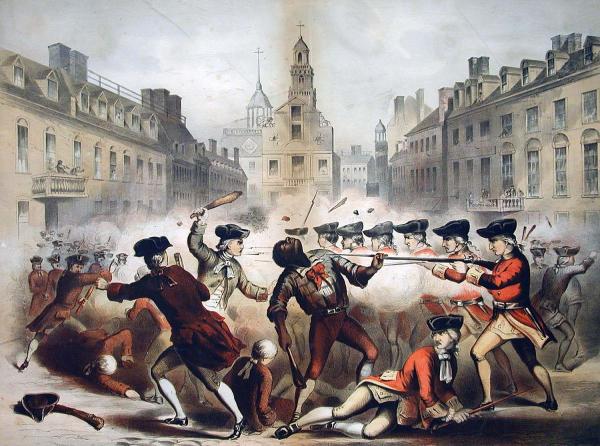
When the British government saw the rise of rebellion and the American colonies’ disobeying taxation law, they sent out 2000 troops to Boston to bring the situation under control. Because of the high taxation, the American colonists had become anti-Britain by this time. The American colonists began harassing and vandalizing British soldiers, escalating tensions between colonies and the British government.
On March 5, 1770, a crowd of American colonists gathered and started revolting against the British soldiers by throwing snowballs and rocks toward them. As a result of the large crowd and miscommunication, British soldiers opened fire on the crowd, killing five colonists. This heinous act of charging against unarmed revolutionaries added fuel to the colonies’ war of independence. As a result, this day is known as “The Boston Massacre.”
3. Boston Tea Party
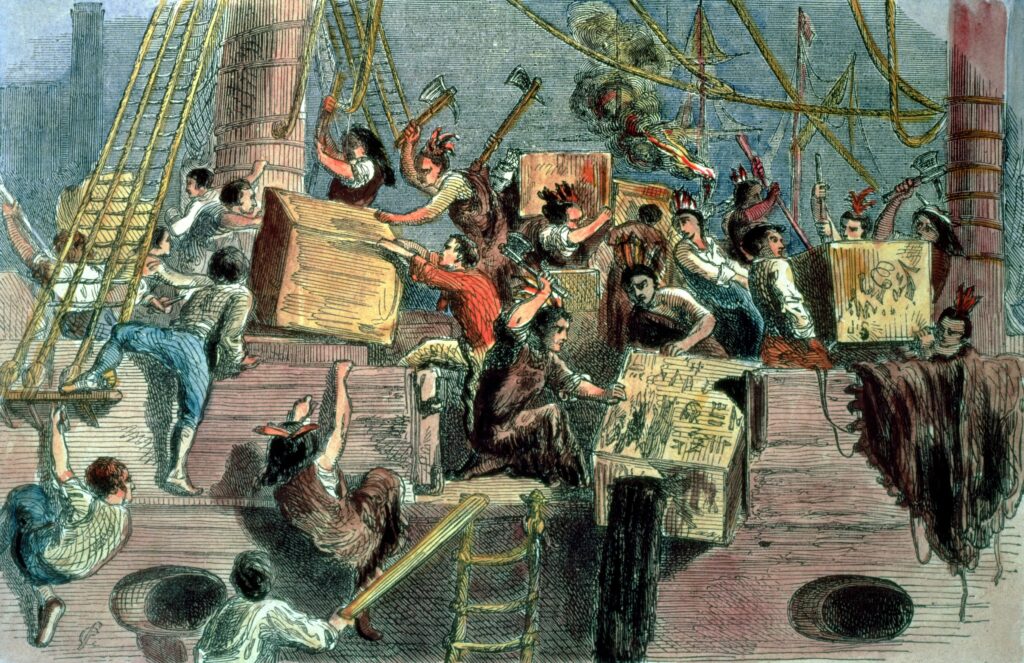
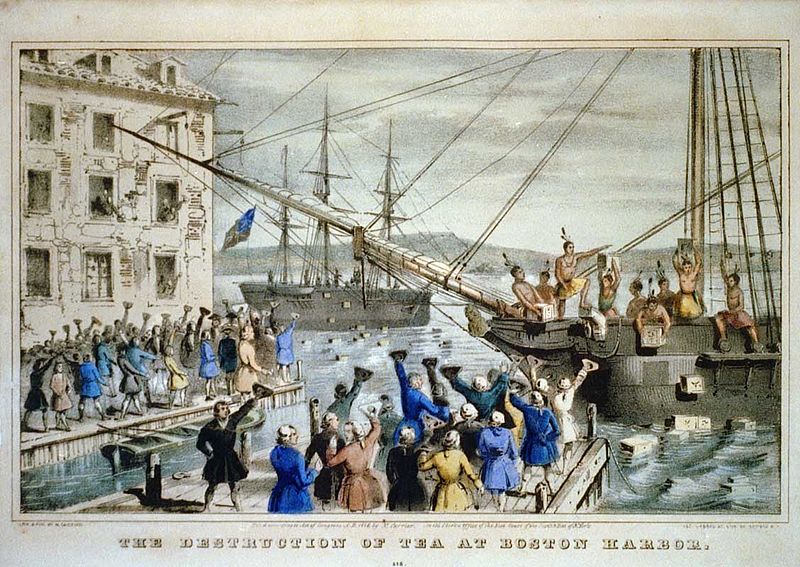
As retaliation for the Boston Massacre and a protest against the Townshend Act of 1767 and the Tea Act of 1773, the American colonists became even more enraged, resulting in one of the most famous events of the American Revolution, the Boston Tea Party. In 1773, three British ships delivering tea from the East India Company were ambushed by colonists disguised as American natives. They dumped approximately 342 chests of tea into Boston harbor, which was estimated to cost $1 million. In reprisal, the British began assembling more troops in the rebel-infested territories of Massachusetts and New England. Furthermore, in order to teach the colonists a lesson and keep them under control, the British Parliament introduced a series of retaliatory sanctions named the Intolerable Acts throughout the colonies.
The Start of the Revolutionary War
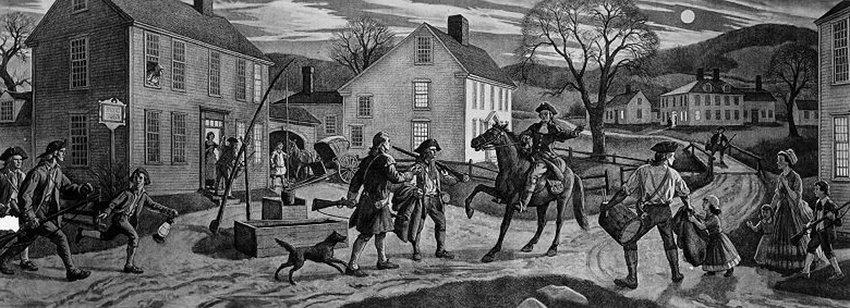
The British government soon realized that these legislative ways were not leading anywhere and were just a series of humiliations for Great Britain. So they finally decided to declare a full-fledged war on the 13 North American colonies. On April 18, 1775, British soldiers marched to Concord, a town 20 miles (32 km) northwest of Boston. When one of the American silversmiths, Paul Revere, saw the British forces entering the village, he alerted all of the revolutionaries to keep their weapons ready.
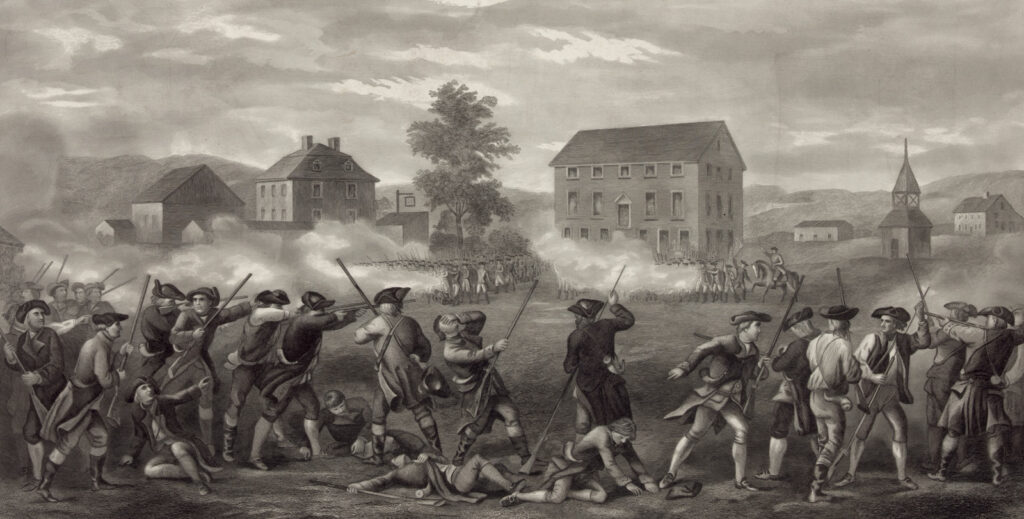
The American colonists and British soldiers were ordered to keep their positions and not fire. Still, the first bullet was fired from either side, announcing the start of the revolutionary war to the entire world. Both sides clashed at the Battle of Lexington, where the British were outnumbered by the rebels and were forced to fall back to Boston. There were 273 British and 95 Americans killed and injured in the Battles of Lexington and Concord. This battle was a humiliating blow for Great Britain and its trained military men. The Battle of Lexington inspired new enthusiasm and confidence in American colonists to fight back, fueling the revolutionary conflict.
The Battle of Bunker Hills
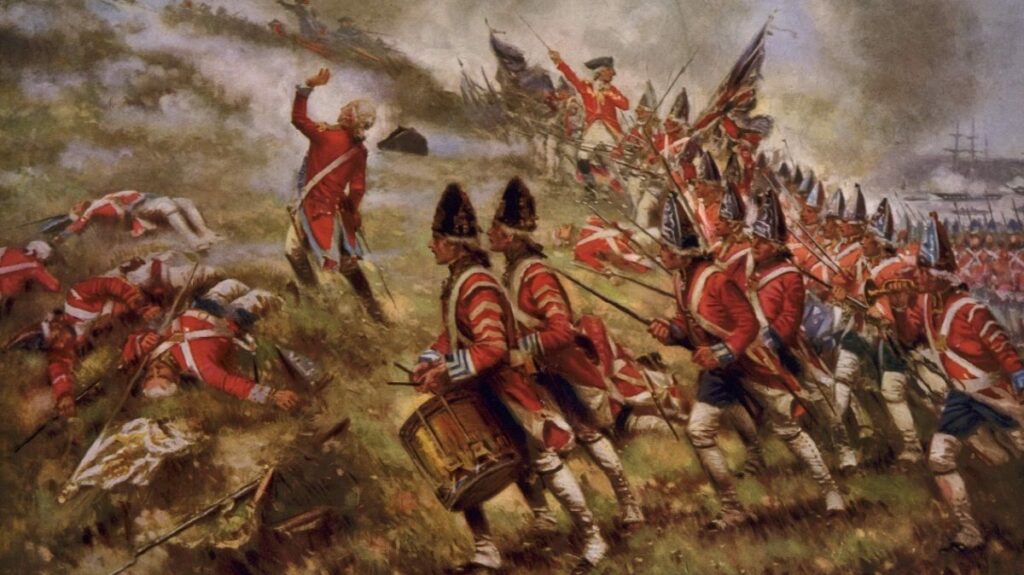
In the summer of 1775, congress held its second meeting to discuss the operations that needed to be carried out across the colonies. The congress appointed George Washington as the continental army commander in chief and funded them with more arms and ammunition. During these ongoing meetings, the revolutionary war raged in Charlestown, Massachusetts, where the colonies fought the British in the Battle of Bunker Hills. The American troops had higher ground over the hills, giving them an advantage in the conflict, thus preventing the 2300 British soldiers from climbing and clearing the hill.
The American rebels eventually ran out of ammunition and manpower, allowing the British to clear the hills, although at the cost of 40% of British soldiers killed or injured. Though Britain technically won this battle, the Americans caused significant damage to the British forces, giving them the confidence to fight back even harder.
George Washington’s Victory
After the Battle of Bunker Hills, the American colonists realized that they could not defeat Great Britain alone. So, they sought help from the British rival France, who had earlier lost against Britain in the seven years of war. Following the Battle of Bunker Hills, a series of battles were fought, with the British winning the most of them. As a result, the colonists understood that in order to secure French assistance, they needed to win several battles and demonstrate their commitment to the revolutionary fight.
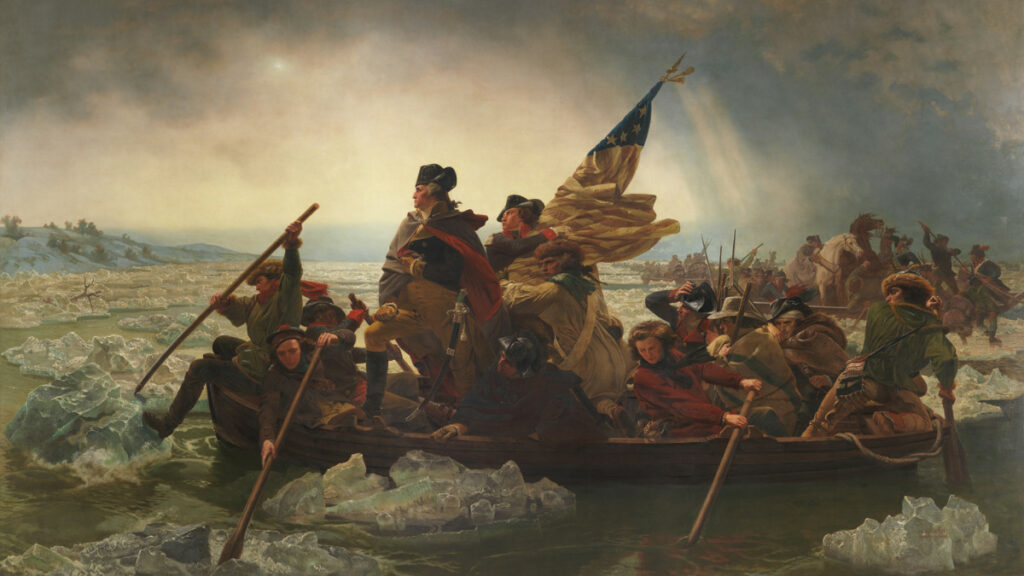
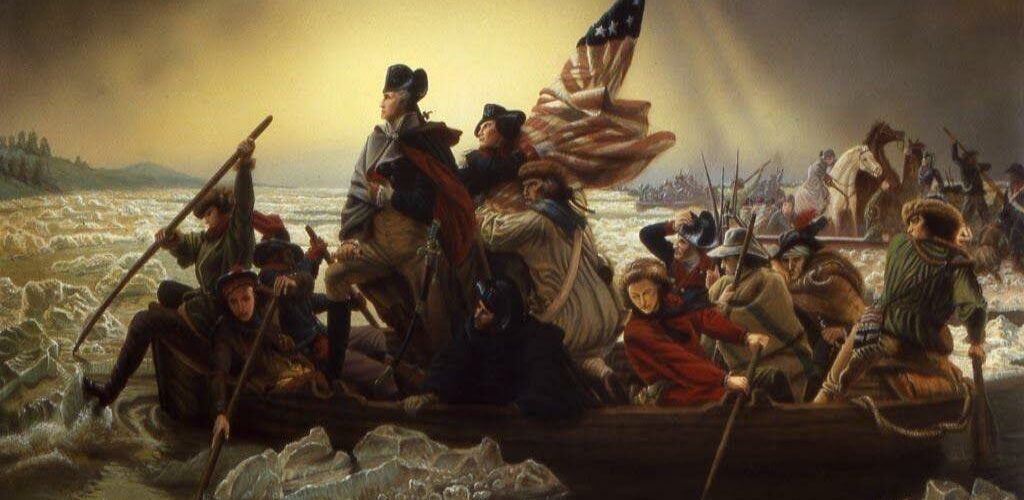
George Washington with his comrades entered the Delaware River on Christmas eve to launch a sneak attack on the British troops. Upon arriving in Trenton, Washington and his men waited for Henry Knox’s artillery to arrive from Fort Ticonderoga in New York. The Americans surrounded the town, and when dawn came, the British troops took aback by seeing themselves surrounded by cannons and guns. Washington and his forces returned triumphantly, and the Trenton-Princeton campaign energized the country and prevented the American Revolution from collapse.
The French Involvement
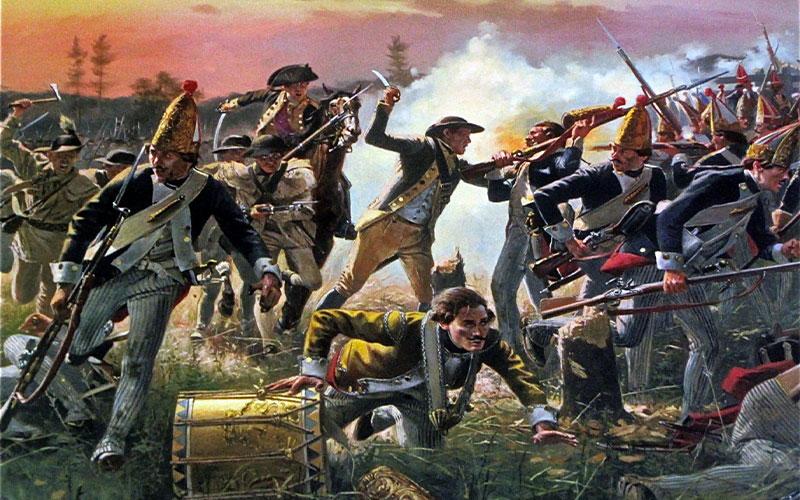
The Trenton-Princeton campaign helped revive American morale, but the turning point for foreign support came at Saratoga in 1777. British general John Burgoyne’s army moved south from Canada, hoping to cut New England off from the other colonies. American forces stopped the campaign, and Burgoyne surrendered after the battles near Saratoga. The victory convinced France that the American cause had a real chance of success, opening the way for an official alliance.
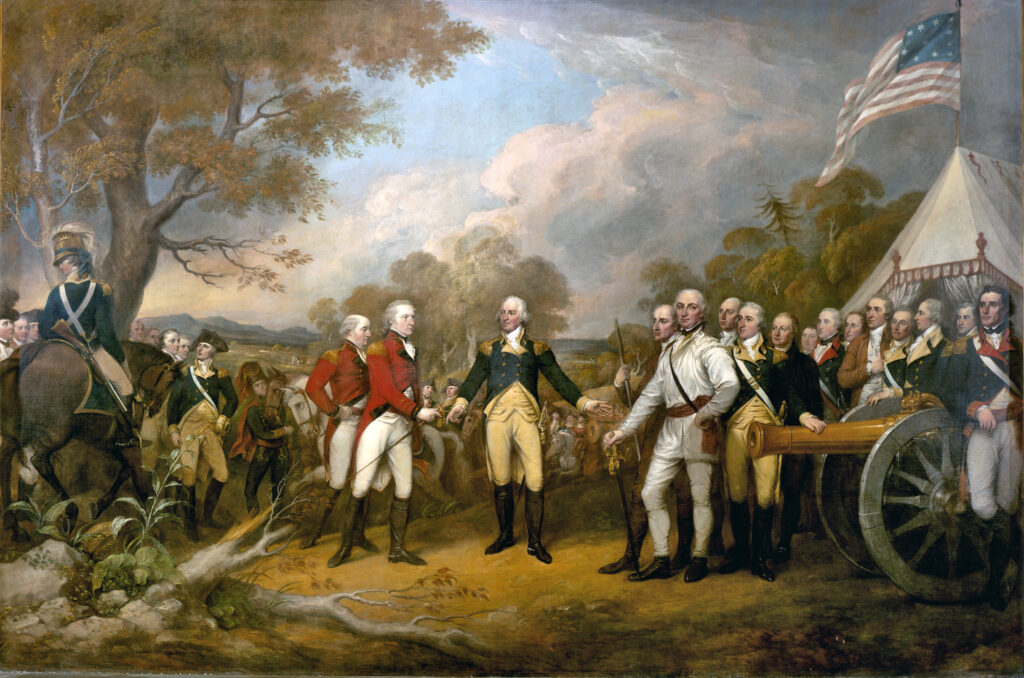
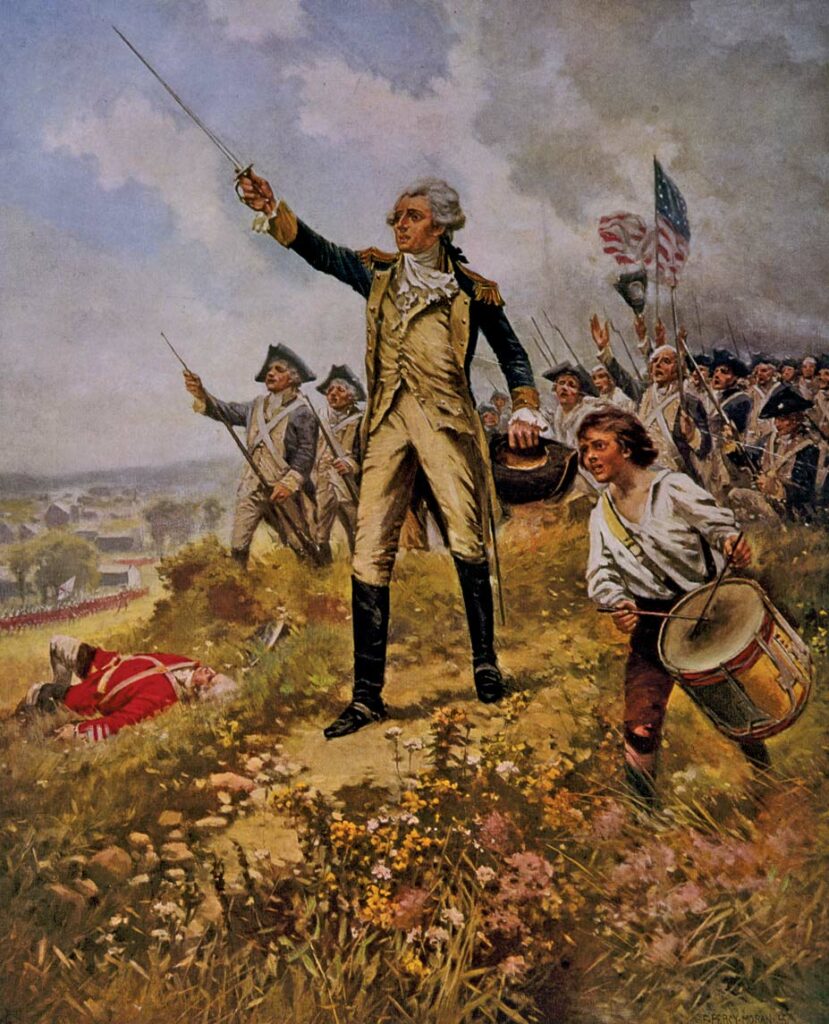
The most significant result of the victory over the Battle of Saratoga was the French involvement, and after that, the French confirmed their assistance to America officially. With the addition of French assistance, the American troops were funded with arms, ammunition, and French soldiers to fight along. The French military officer Marquis de Lafayette trained the American rebels and the Washington forces allies in the north. The Americans and the French battled along until further years to liberate numerous territories from British authority.
The End of the Revolution
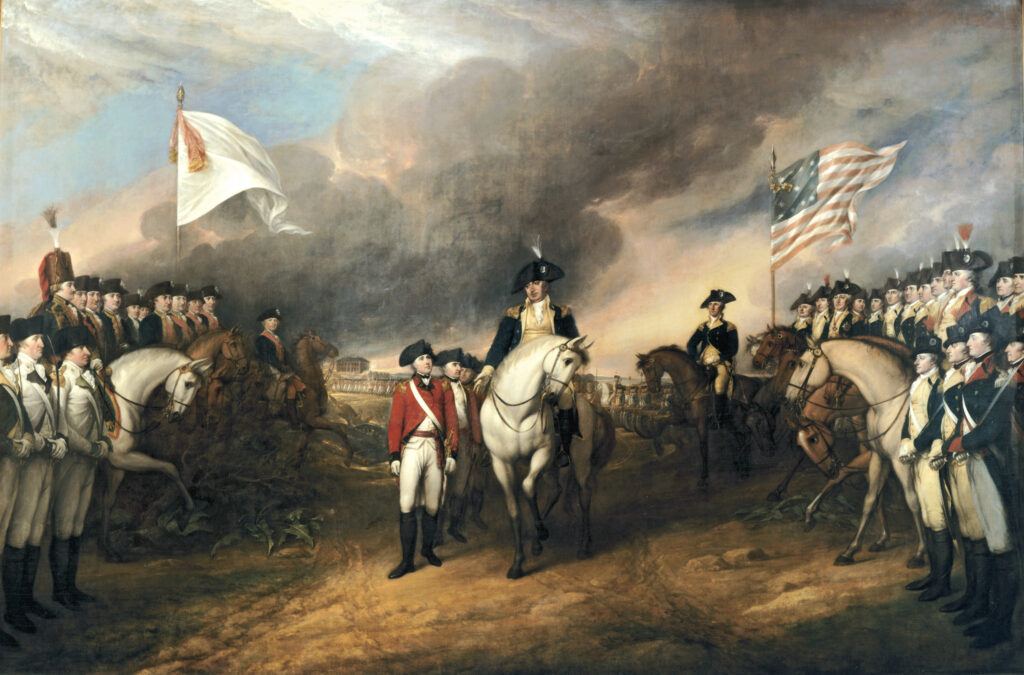
American and French troops conducted a series of engagements against British soldiers to take and recapture areas. The Americans fought until the Battle of Yorktown in 1781 when the British ships were trapped by the French soldiers and Americans led by George Washington. The British general Charles Cornwallis and the troops were greatly outnumbered and surrounded by the Americans and French; hence, he surrendered to George Washington on October 19, 1781, which marked a historic day for America.
The word of the surrender traveled throughout the United Kingdom, and therefore peace negotiations began in April 1782. This surrender marked the end of the revolutionary war, with the British signing the Treaty of Paris in 1783. With the Treaty of Paris, Great Britain officially acknowledged the thirteen colonies as the United States of America, an independent nation.
Conclusion
The Revolution created a new republic and gave political force to ideas about consent, rights, and representative government. Those ideals were powerful, but they were also limited by the realities of the new nation. Enslaved people, women, Native nations, and many men without property did not receive equal political power when independence was won. That contradiction became one of the central struggles of American history.
Even with those limits, the American Revolution changed the political map of the Atlantic world. It showed that colonial resistance could become an independent government, inspired later debates over citizenship and rights, and left a legacy that Americans have continued to argue over for more than two centuries.




Add comment