
 Akshay Dinesh
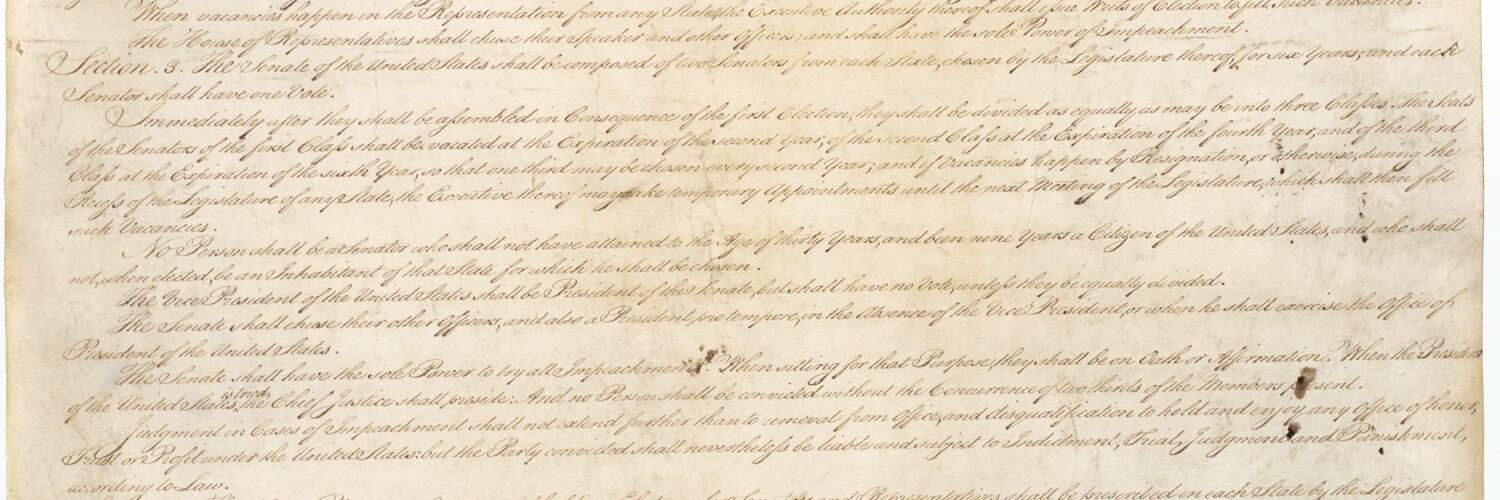
A pocket veto sounds like a trick, but it comes from a very specific rule in the U.S. Constitution. When Congress passes a bill, the president does not have unlimited time to decide what happens next. Article I, Section 7 gives the president ten days, not counting Sundays, to sign the bill or return it with objections. If the president does nothing while Congress remains able to receive the bill back, the bill becomes law anyway. A pocket veto is the exception: if Congress adjourns during that decision window and prevents the bill from being returned, the unsigned bill does not become law.
That timing makes the pocket veto different from an ordinary veto. A regular veto sends the bill back to Congress, where lawmakers can try to override it with a two-thirds vote in both the House and the Senate. A pocket veto leaves no returned bill for Congress to reconsider. The bill dies at the end of the ten-day period, and supporters have to start again by introducing and passing new legislation. For students of civics, the pocket veto is a small detail that reveals a larger truth: the lawmaking process depends not only on what leaders prefer, but also on calendars, procedures, and the exact words of the Constitution.
The Constitutional Clock Behind Every Bill
After both chambers of Congress pass the same bill, it is presented to the president. The president can sign it, and the bill becomes law. The president can also reject it by returning it to the chamber where it began, along with objections. Congress then has the choice to accept the rejection or attempt an override. That ordinary veto process is part of the familiar system of checks and balances because the president can slow or block legislation, but Congress can still answer if enough members agree.
The Constitution also handles presidential silence. If the president keeps the bill for ten days, Sundays excluded, and Congress is still in a position to receive a returned bill, the bill becomes law without a signature. That rule prevents a president from quietly killing legislation simply by doing nothing. Silence normally favors the bill, not the president.
The pocket veto appears in the final exception. Article I says that an unsigned bill becomes law after the ten-day period unless Congress, by adjournment, prevents its return. In that case, the bill does not become law. The president has not written a veto message or sent the bill back, but the result is still a veto because the bill fails. The image of the bill staying in the president’s pocket is informal, but it captures the basic idea: no signature, no return, no law.

Why Adjournment Changes the Result
The key word is return. A regular veto requires the president to return the bill to Congress with objections. If Congress has adjourned in a way that makes return impossible, the ordinary back-and-forth cannot happen. The pocket veto clause was written for that situation. It protects the president from being forced into a choice between signing a bill and letting it become law automatically when Congress is no longer available to receive a veto.
That does not mean every pause in congressional business creates a pocket veto. Congress often takes recesses, weekend breaks, and short adjournments while still keeping officers available to receive messages. Modern Congresses can also designate clerks or secretaries to receive vetoed bills. When a bill can still be returned, the president’s silence is less likely to work as a pocket veto because the constitutional problem has not really appeared.
The Supreme Court has treated the issue as a practical question. In The Pocket Veto Case in 1929, the Court accepted a pocket veto when an adjournment prevented the bill from being returned in the required way. In Wright v. United States in 1938, the Court narrowed the idea by ruling that a short adjournment of one chamber did not automatically prevent return when the Senate’s secretary could receive the veto message. Those cases leave room for argument, but they point toward the same basic test: did Congress’s adjournment actually prevent the bill from being returned?
Regular Vetoes and Pocket Vetoes Are Not the Same
The difference matters because Congress has a response to one kind of veto and almost no immediate response to the other. With a regular veto, the president must send objections back to Congress. Those objections become part of the public record, and both chambers can vote on whether to override. The two-thirds requirement is difficult to meet, but it keeps the final answer from belonging to the president alone.
A pocket veto is harder for Congress to answer because there is no returned bill waiting for reconsideration. Once the bill fails, Congress cannot simply schedule an override vote on that same bill. Lawmakers must introduce the proposal again, move it through committees and floor votes again if necessary, pass it in identical form again, and present it to the president again. Even if the idea still has support, time and momentum may have changed.
That is why pocket vetoes can be politically powerful near the end of a congressional session. A president who receives a bill shortly before Congress adjourns may be able to stop it without issuing a conventional veto message. Supporters of the bill may not have enough time to restart the process. The pocket veto therefore depends on both constitutional authority and legislative timing.

Why the Rule Can Be Controversial
The pocket veto clause is short, but the word adjournment has caused repeated disputes. Does it mean only the final adjournment at the end of a two-year Congress? Can it include a break between sessions? What about a shorter recess during a session? The Constitution does not list every possible calendar arrangement, and congressional practice has changed since the eighteenth century.
Presidents have sometimes taken a broad view of pocket-veto power, arguing that certain adjournments prevented the return of a bill. Congress has often taken the opposite view, especially when it has appointed officers to receive presidential messages. The conflict is not merely symbolic. If a veto counts as a regular return veto, Congress may try to override it. If it counts as a pocket veto, the bill is gone.
Modern practice has made disputed pocket vetoes less common. Congress frequently tries to avoid the problem by arranging for messages to be received during breaks. Presidents may also use a regular veto message when they want their objections clearly recorded. Still, the pocket veto remains part of the constitutional toolkit, and its uncertainty makes it a useful example of how old constitutional language has to operate inside a much more complex modern government.
A Simple Timeline Makes It Clearer
Imagine Congress passes a bill on a Monday and presents it to the president that same day. The president begins the ten-day clock, skipping Sundays. If Congress remains available and the president does nothing until the clock runs out, the bill becomes law without a signature. If the president returns the bill with objections before time runs out, Congress can try to override the veto. If Congress adjourns in a way that prevents return before the clock expires and the president does not sign, the bill fails by pocket veto.
The same facts can produce different outcomes depending on Congress’s schedule. A bill presented early in a session may become law without a signature because Congress is still there. A bill presented right before final adjournment may fail if the president leaves it unsigned and Congress cannot receive it back. The text of the bill may be identical in both situations, but the constitutional path changes.
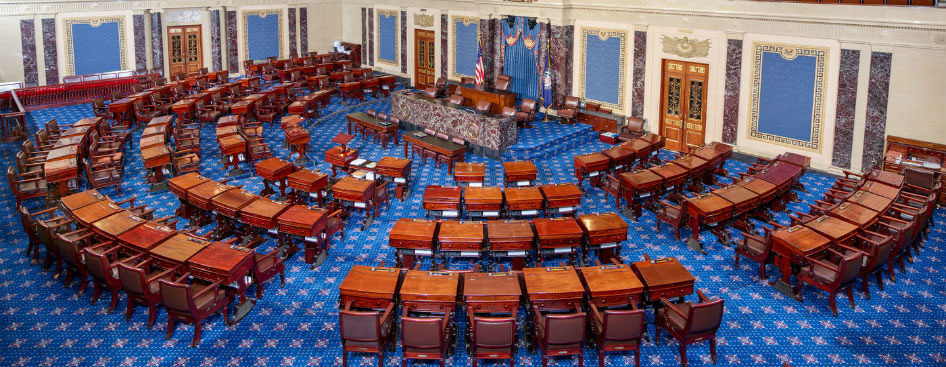
This is why civics is not just a list of powers. It is also a study of procedures. The House, Senate, and president do not act in a blank space; they operate through rules about timing, records, votes, messages, and adjournments. A pocket veto sits at the intersection of all those rules.
What Pocket Vetoes Reveal About Checks and Balances
The pocket veto can seem like a loophole because Congress cannot override it in the ordinary way. Yet it is better understood as part of a larger design that mixes power with procedure. The president gets a limited period to consider bills. Congress gets a chance to override ordinary vetoes. Bills can become law without a signature if Congress remains ready to receive them back. But when Congress’s own adjournment blocks return, the Constitution changes the default result.
That arrangement creates pressure on both branches. Congress must think carefully about when it sends major bills to the president, especially near adjournment. The president must decide whether to sign, return, or leave a bill unsigned within a fixed window. When disputes arise, courts and historical practice help interpret whether an adjournment truly prevented return.
The pocket veto is a small phrase in the lawmaking process, but it teaches a durable lesson about constitutional government. Power often turns on procedure. A bill may succeed or fail because of votes, but it can also succeed or fail because of timing. Understanding that helps explain why lawmakers care so much about calendars, sessions, and the formal route a bill takes after Congress has said yes.




Add comment