

 Akshay Dinesh
The phrase Miranda rights is familiar because it shows up in crime shows, news reports, and courtroom discussions. It usually begins with the right to remain silent, but the idea behind it is larger than a memorable warning. Miranda rights grew out of a Supreme Court case about police questioning, constitutional protections, and the pressure a person can feel when isolated from the outside world during an investigation.
At the center is a practical question: when the government questions someone in a setting controlled by law enforcement, what must happen before that person’s words can be used in court? The answer is not that every police conversation requires a warning. It is more specific. Miranda warnings are tied to custodial interrogation, a situation where a person is in custody and is being questioned in a way likely to produce an incriminating response.
The Case That Made the Warning Famous
Miranda v. Arizona was decided by the U.S. Supreme Court in 1966. The case involved Ernesto Miranda, who was arrested in Phoenix, questioned by police, and signed a written confession after about two hours of interrogation. According to the U.S. Courts’ educational summary, the Supreme Court was not looking at only one interrogation. The decision addressed four different cases in which defendants were questioned while cut off from the outside world, and none had received a full warning of their rights before questioning began.
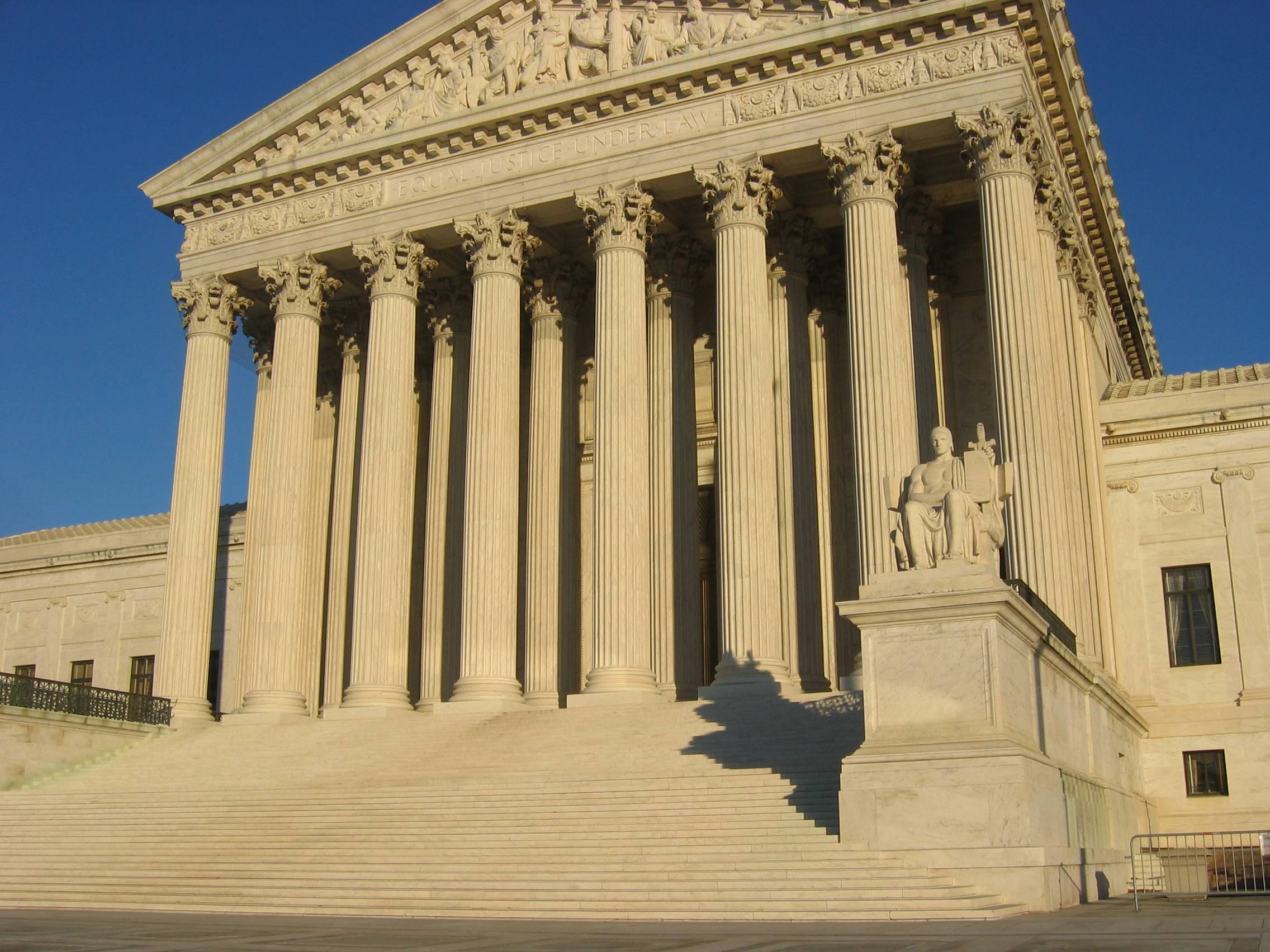
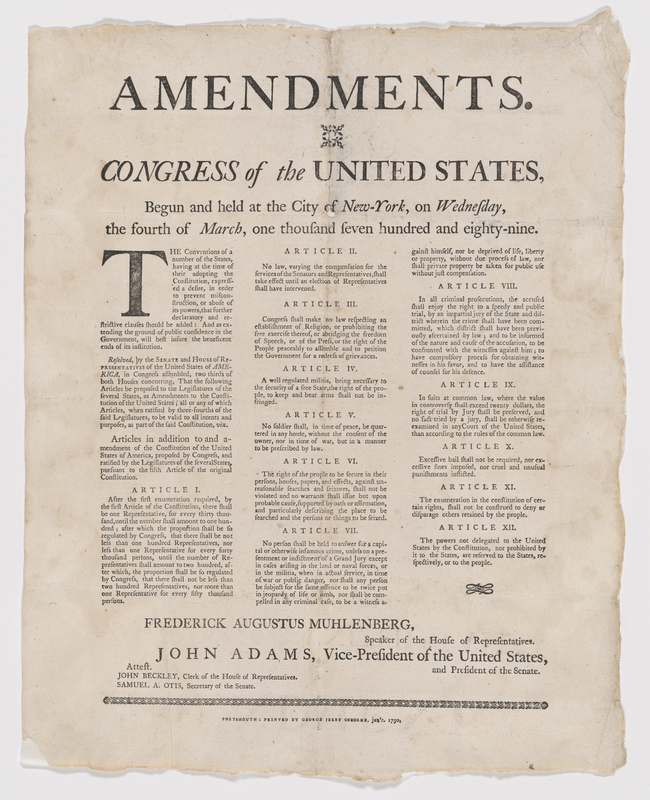
The Court focused on the Fifth Amendment, which says that no person shall be compelled in a criminal case to be a witness against himself. That sentence is often called the privilege against self-incrimination. It means the government cannot force a person to provide the evidence that helps convict that person. The Court saw custodial questioning as a setting where pressure could become powerful enough that a confession might not be meaningfully voluntary unless safeguards were in place.
The decision did not invent the Fifth Amendment, and it did not say police could never question suspects. Instead, it required procedural safeguards before prosecutors could use statements that came from custodial interrogation. The familiar warning grew from those safeguards: the person must be told about the right to remain silent, that statements may be used in court, and that the person has the right to an attorney, including an appointed attorney if needed.
What the Right to Remain Silent Is Protecting
The right to remain silent is not a trick or a loophole. It protects a basic constitutional boundary between the government and the individual. In a criminal case, the government has the burden of proving its case. The Fifth Amendment helps prevent officials from turning a person’s own compelled words into the main tool of prosecution.
That protection matters most when the situation is unbalanced. Police officers and investigators may know the evidence, the charges being considered, and the purpose of each question. A suspect may be frightened, confused, tired, young, unfamiliar with the legal system, or eager to explain things in a way that accidentally creates more trouble. The Miranda rule recognizes that a warning can slow the moment down. It gives the person basic information before the questioning continues.
Silence under Miranda does not mean a person is guilty. It means the person is choosing not to answer covered questions without the protection the Constitution allows. That is an important distinction for students of civics because rights are not rewards for innocence. They are rules that shape how government power may be used against anyone.
Why Custody and Interrogation Both Matter
Miranda warnings are often misunderstood because people hear them in dramatic arrest scenes. The rule is narrower than the television version. Two conditions matter: custody and interrogation. If one is missing, Miranda may not apply in the same way.
Custody does not always mean handcuffs, and it does not always begin the instant an officer asks a question. Congress’s Constitution Annotated explains that custody for Fifth Amendment purposes is not the same as every seizure under the Fourth Amendment. For example, an ordinary traffic stop is usually not treated as Miranda custody until a person’s freedom is restrained to a degree associated with formal arrest. A person voluntarily coming to a police station, being asked questions, and being allowed to leave may also fall outside Miranda custody, depending on the full circumstances.
Interrogation also has a specific meaning. It includes direct questioning, but it can also include words or actions by police that they should know are reasonably likely to draw out an incriminating response. That is why the setting, the officer’s conduct, and the person’s situation all matter. The rule is not triggered by every casual exchange, booking question, or voluntary statement blurted out without prompting.
This is where Miranda becomes less like a slogan and more like a legal test. A court may need to ask whether a reasonable person in that position would have felt free to end the questioning and leave. It may also ask whether officers were trying to obtain incriminating statements. Those questions can be fact-specific, which is one reason simple summaries sometimes create confusion.
What Happens If the Warning Is Missing
If police should have given Miranda warnings and did not, the usual issue is whether the person’s statement can be used by prosecutors in their main case at trial. The remedy is often exclusion of the statement, not automatic dismissal of every charge. Other evidence may still matter. Physical evidence, witness testimony, video, documents, or statements made in a different setting may continue to be part of a case depending on the facts and the law.
That distinction is important because Miranda is about the admissibility of statements obtained through custodial interrogation. It is not a universal shield from investigation. It does not erase events. It does not make a person immune from arrest. It asks whether the government followed the required safeguards before using certain statements in court.
The warning itself also depends on waiver. After receiving Miranda warnings, a person may choose to speak. For that choice to matter, the waiver must be made knowingly, voluntarily, and intelligently. In plain language, the person must understand the basic rights being given up, and the decision to talk cannot be the product of improper coercion. Courts examine those questions carefully because a warning printed on paper or recited quickly is not meaningful if the person did not truly understand the choice.
How Miranda Fits Into Constitutional History
Miranda belongs to a larger period in Supreme Court history when criminal procedure changed in major ways. The National Constitution Center places the decision alongside cases such as Gideon v. Wainwright, which strengthened the right to counsel for people who could not afford a lawyer, and Mapp v. Ohio, which affected how illegally obtained evidence could be used in state courts. Together, these cases made constitutional protections more visible in everyday criminal justice.
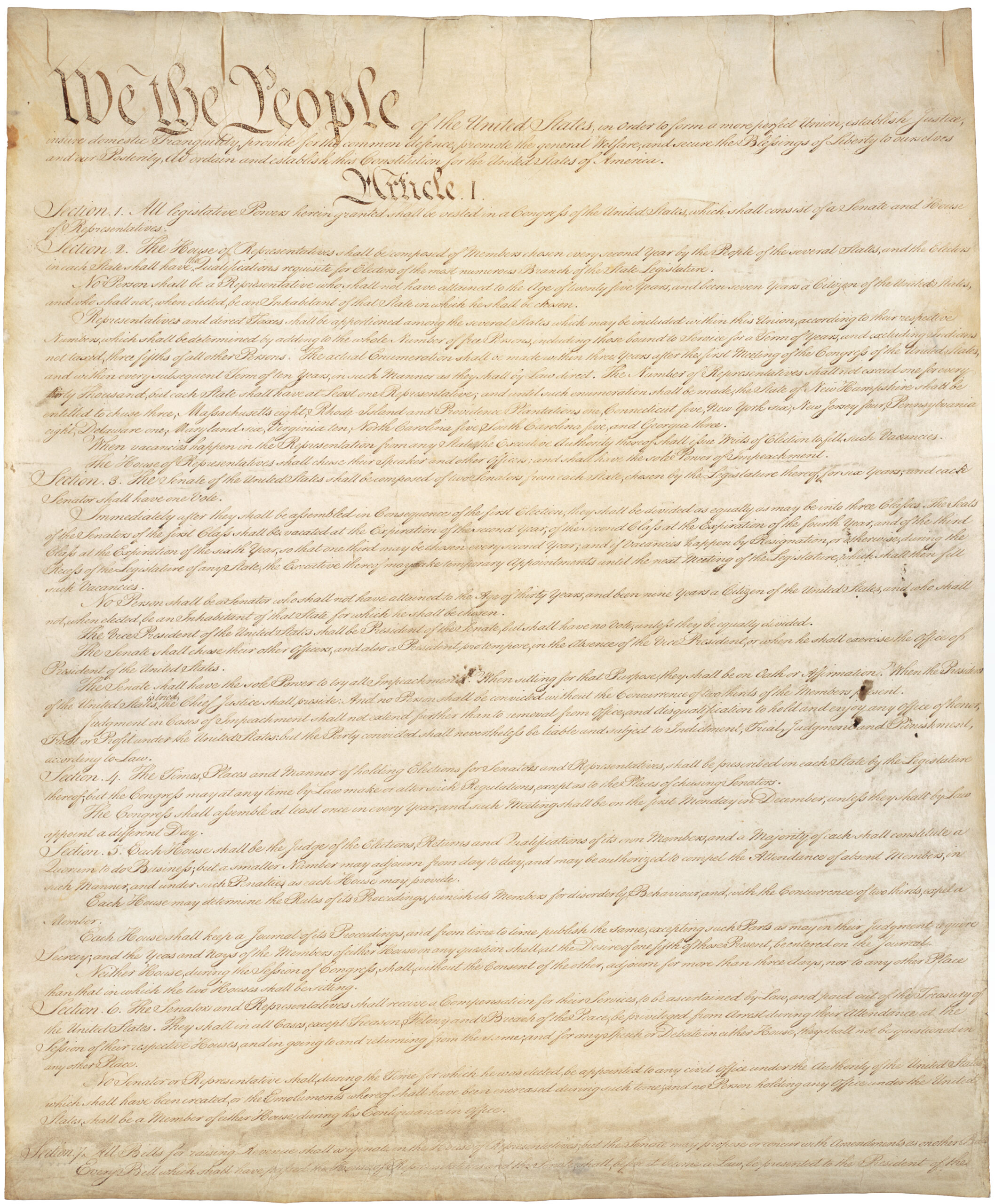
The decision also shows how old constitutional language can become important in modern settings. The Fifth Amendment was written in the 1700s, long before police stations, recorded interrogations, forensic science, or modern criminal investigations. Yet its command against compelled self-incrimination had to be applied to twentieth-century questioning rooms. Miranda turned that broad principle into a procedure officers could follow and courts could evaluate.
The ruling has also been debated for decades. Supporters see Miranda warnings as a clear, teachable safeguard that helps people understand their rights before the pressure of questioning. Critics have argued that the rule can be too rigid or can make investigations harder. That debate is part of why the case remains a common topic in civics, law, and U.S. history classes. It sits at the meeting point of public safety, individual rights, and the rules that keep government power accountable.
Why the Warning Still Matters
Miranda rights matter because they make an invisible constitutional protection audible. A person under pressure may not be thinking about the Fifth Amendment, the right to counsel, or what a confession could mean later. The warning brings those ideas into the room before questioning goes further. It is a small set of words, but it changes the legal meaning of what happens next.
For learners, the most useful takeaway is not simply memorizing the warning. It is understanding the relationship between rights and procedure. A constitutional right can be powerful in principle, but it needs practical rules to work in real encounters. Miranda is one of those rules. It tells police what must happen before covered questioning, tells courts what to look for when statements are challenged, and tells the public that silence can be a protected choice rather than a suspicious act.
The rule is also a reminder that constitutional protections are often built around moments of vulnerability. A person alone in a questioning room may not feel equal to the government officials asking the questions. Miranda does not make that situation simple, and it does not answer every legal question. It does, however, mark a line: before custodial interrogation produces words that may be used in court, the person must be told the basic rights at stake.




Add comment