
 Akshay Dinesh
Independence Day in India is observed every year on 15 August, marking the transfer of power from British rule to independent Indian leadership in 1947. The date is remembered with celebration, but it also carries the weight of partition, displacement, and the difficult work of building a new nation after nearly two centuries of colonial rule.
Alongside Republic Day on 26 January and Gandhi Jayanti on 2 October, Independence Day is one of India’s three national holidays. It brings together flag ceremonies, public addresses, school programs, cultural events, and family observances across the country and among Indian communities abroad. To understand why the day matters, it helps to see both the political struggle that led to freedom and the human cost of the moment when British India became India and Pakistan.
Quick Facts About Indian Independence Day
While there are a lot of things to remember about the struggle for independence in India, including the freedom influencers and the effects of war, there could also be some quick facts that you never knew. As such, here are a few things to note about Independence Day:
- Jawaharlal Nehru made the first speech on Independence Day with an opening statement, “At the stroke of midnight, when the world is asleep, India shall awake to life and freedom…”
- The national anthem was composed by Rabindranath Tagore as “Bharoto Bhagyo Bidhata” before it was adopted by the Constituent Assembly of India and renamed “Jana Gana Mana”
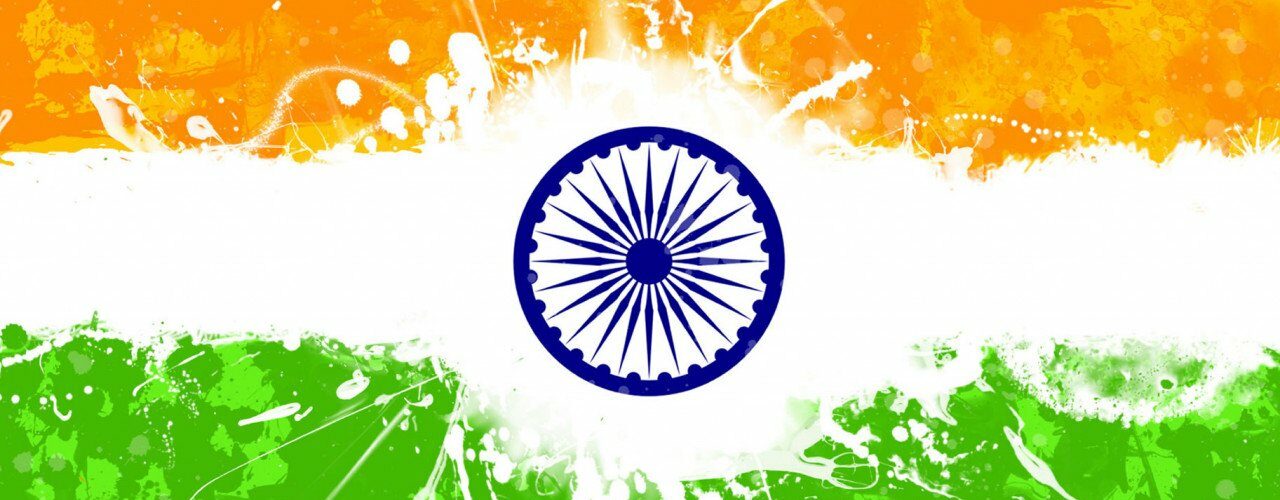
- The Karnataka Khadi Gramodyoga Samyukta Sangha (KKGSS) is the only company with the sole authority to manufacture and supply the national flag and is located in Dharwad, Karnataka. The national flag is also hand-spun and handwoven cotton khadi wafting.
History of Indian Independence Day
The British rule reigned over India for nearly two centuries starting from 1757. But the struggle for freedom dubbed the Independence Movement gathered strength and pace in championing for complete Independence from Britain.
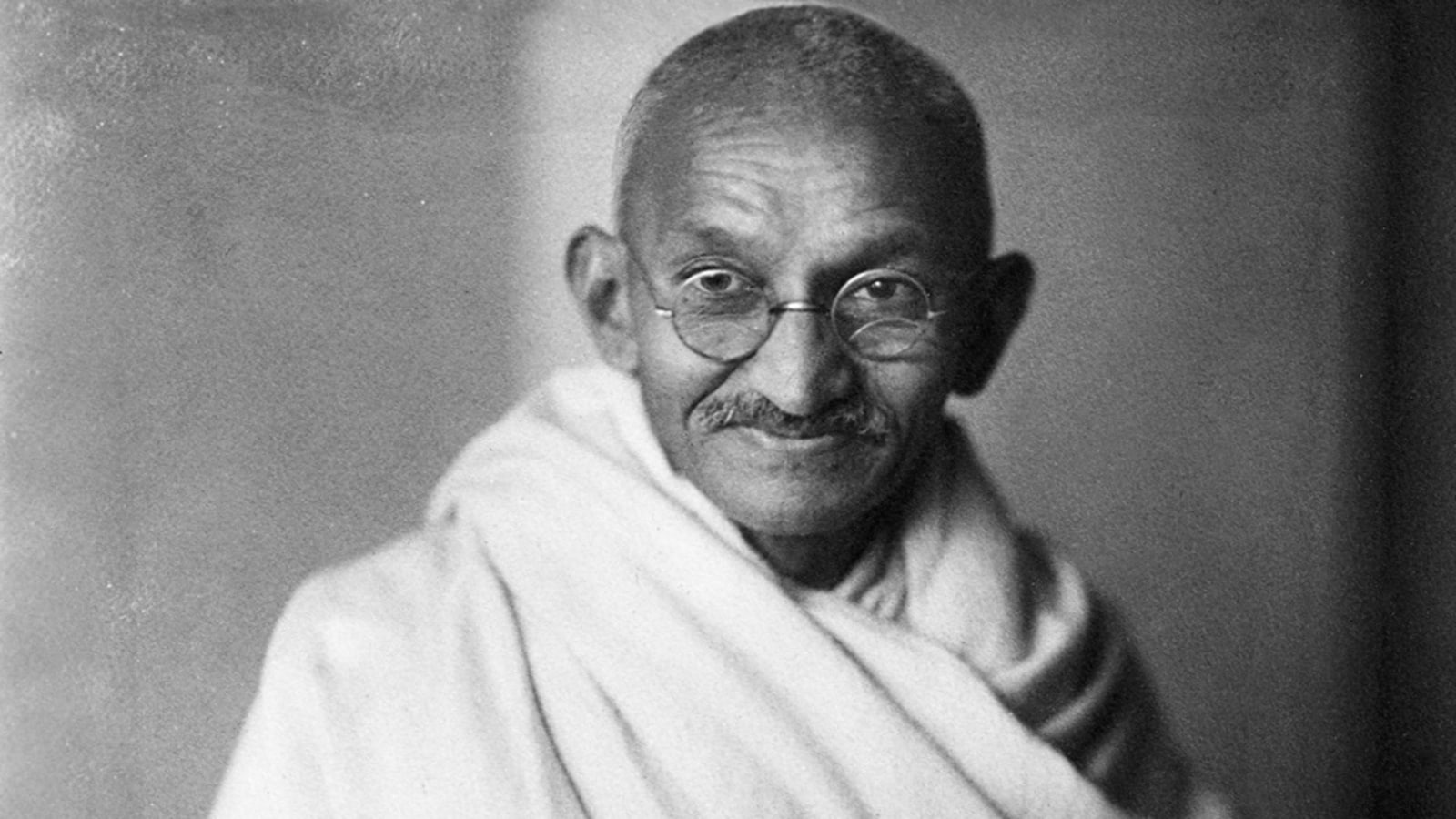
The centuries-old struggle for independence was further boosted by the emergence of prominent leaders such as Sardar Vallabhbhai Patel, Mahatma Gandhi, and Jawaharlal Nehru. Among others, these leaders are credited to have given more impetus to the struggle for independence that finally led the British to leave and transfer power to the Indian Constituent Assembly.
By 1946, Britain’s Labor Government realized that its exchequer resources had been exhausted following the recently concluded World War II. Further, the Britons realized they neither had the domestic mandate nor the international military support to maintain control over an increasingly restless British India.
British Viceroy Lord Mountbatten subsequently advised the state to transfer power, and partition the country along religious lines in the belief that the perpetual contention between the Muslim League and the Congress might collapse the interim government. Following this advisory:
- British Prime Minister Clement Attlee agreed to grant India self-governance by June 1948 at the latest.
- The British government followed up the announcement by agreeing to partition British India into two states: India and Pakistan, with both successor states, granted dominion powers and implicit rights to secede from the British Commonwealth.
- Two independent dominions of India and Pakistan were set up as outlined by the Independent Act of India 1947, with treaty guidelines coming into effect on 15th August 1947 – what is presently celebrated as Independence Day.
The Immediate Background
In the aftermath of the culmination of the transfer of power, India retained Britain’s King George VI as head of state. But the nation soon transitioned to a full republic upon the adoption of the Constitution of India three years later on 26th January 1950 (presently celebrated as the country’s Republic Day).
Like many colonies, India’s journey to independence was long and frustrating but was largely characterized by civil disobedience and non-violent resistance to the colonial regime. And as earlier stated, India’s independence coincided with its partition that involved the separation of subcontinent India into Pakistan and India (including present-day Bangladesh).
On August 15th, 1947, India’s first Prime Minister (Jawaharlal Nehru) marked the country’s historic day by raising the national flag atop the Lahori Gate in Delhi’s Red Fort – in what has become customary for all incumbent Prime Ministers during Independence Day. The event is followed by the Prime Minister’s address to the nation and is broadcast live on the national broadcaster, Doordarshan.
The Independence Day Celebrations
Indian Independence Day is marked across all its states and territories with the singing of the national anthem and flag-raising ceremonies. Furthermore, different cultural drills and programs are conducted in major state capitals. And in a major event that is televised and presided over by the Prime Minister, the following are key takeaways from Indian Independence Day celebrations:
- The Prime Minister participates in the customary flag-raising ceremony held at the Red Fort monument, Delhi.
- Next up, members of India’s armed forces as well as the national police and paramilitary forces conduct parades that are accompanied by the singing of the national anthem (the Jana Gana Mana).
- The Prime Minister then follows with a televised state address to the country that echoes and recounts the struggle for independence, the government’s major successes in the previous fiscal year, as well as future objectives.
- Elsewhere, those who aren’t in Delhi’s event aren’t left behind. Cultural events take place across all state capitals, with flag-raising and kite flying a traditional occurrence on this day. In the State Capitals, Chief Ministers unfurl India’s national flag, followed by military parades and pageants.
- In Delhi, public offices and institutions remain lit for 24 hours even when closed for the holiday.
Significance of Indian Independence Day
On August 15, 1947, the British ended their colonial rule over India, a historical day that has subsequently been celebrated every year as Indian Independence Day. Upon the stroke of midnight on the midnight of 14th August 1947, official ceremonies broke out in New Delhi. Nehru assumed office as India’s Prime Minister, and crowds streamed the streets in celebrations.
But on the back of the announcement of Independence Day, the subcontinent British India had seen unprecedented religious violence and restlessness, with hundreds of thousands killed and millions displaced amid partition-related violence and forced migration. And as crowds celebrated, others invoked Mahatma Gandhi’s name, who spoke to crowds in Calcutta on the same day urging peace between Muslims and Hindus.
The unfurling of the national flag as done by Nehru at the Red Fort historical monument in India has become a tradition that is repeated on 15 August of every year. Its meaning is broader than ceremony alone: the day connects political independence, public memory, national identity, and the continuing legacy of partition. On this day:
- Flag hoisting ceremonies are conducted across the country by both governmental and non-governmental institutions.
- Schools and colleges hoist flags and participate in numerous cultural events.
- Public and private institutions (including homes and businesses) decorate premises with balloons, papers, and portraits of India’s freedom fighters.
Elsewhere, the Indian Diaspora join in the celebrations worldwide by conducting parades and pageants, while others (especially in regions with many immigrants) come together to follow the Prime Minister’s televised address.




Great, very informational articles. Thank you!