
 Akshay Dinesh
The American Revolution was not won by the thirteen colonies alone. For the first two years of fighting, the Continental Army struggled with shortages of money, weapons, uniforms, trained soldiers, and naval protection. Britain had a professional army, a powerful navy, and an empire that could move troops and supplies across the Atlantic. The American side had determination and local knowledge, but determination could not block British ships or pay for gunpowder by itself.
France changed that balance. The French alliance did not simply add a friendly name to the American cause. It brought money, weapons, uniforms, officers, troops, and eventually naval power into a war that Britain had hoped to contain. The Treaty of Alliance signed in 1778 made the conflict larger, riskier, and much harder for Britain to manage. By the time British forces surrendered at Yorktown in 1781, American independence had become part of a wider Atlantic struggle.
Why the colonies needed an ally
When the Declaration of Independence was adopted in 1776, the new United States faced a difficult diplomatic problem. Declaring independence did not automatically make other countries treat the United States as a real nation. Recognition had to be earned, negotiated, and defended. Without foreign help, the rebellion could still be crushed or forced into a compromise that left Britain in control.
France was the most likely partner because it had its own reasons to oppose Britain. The French monarchy had lost territory and prestige after the Seven Years’ War, which ended in 1763. British power at sea and in North America had grown stronger, and many French officials wanted a chance to weaken their old rival. Supporting the American rebellion offered that chance, but it also carried danger. If France backed a failed rebellion too openly, it could be pulled into an expensive war for nothing.
American diplomats understood this problem. Benjamin Franklin, Silas Deane, and Arthur Lee worked in France to make the American cause look serious, not desperate. Franklin in particular became famous in French society, where his plain clothing and reputation as a scientist made him seem like a symbol of republican virtue. Behind that public image, the real question was practical: could the Americans prove they had enough strength to make a French alliance worth the risk?
Saratoga made the alliance possible
The answer came after the Battle of Saratoga in 1777. British General John Burgoyne had planned to move south from Canada and help split New England from the other colonies. Instead, his army became trapped in upstate New York and surrendered to American forces in October. Saratoga did not end the war, but it showed that a major British army could be defeated in the field.
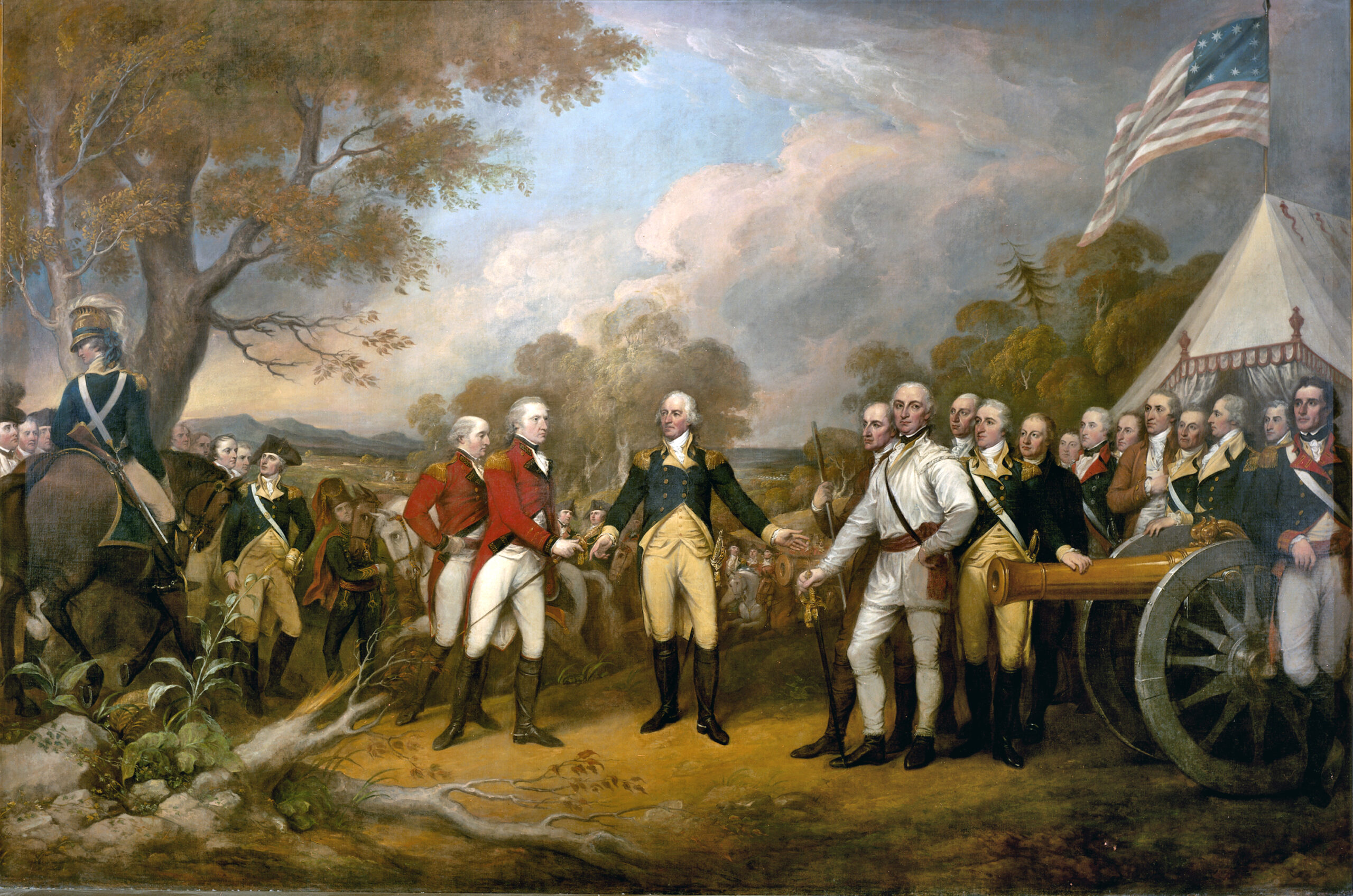
News of Saratoga reached France at a moment when British officials were also exploring possible peace terms. French Foreign Minister Comte de Vergennes feared that Britain might repair its relationship with the colonies before France could take advantage of the rebellion. A victorious American army made the decision easier. France could now support the United States openly while believing that the Americans had a real chance of continuing the war.
The victory also changed how American independence looked in Europe. Before Saratoga, independence could seem like an ambitious declaration backed by an uneven military record. After Saratoga, it looked more like a political claim supported by battlefield evidence. That distinction mattered because diplomacy often follows power. France was not joining out of pure sympathy; it was calculating that American resistance could become a useful and durable pressure point against Britain.
What the 1778 treaty actually promised
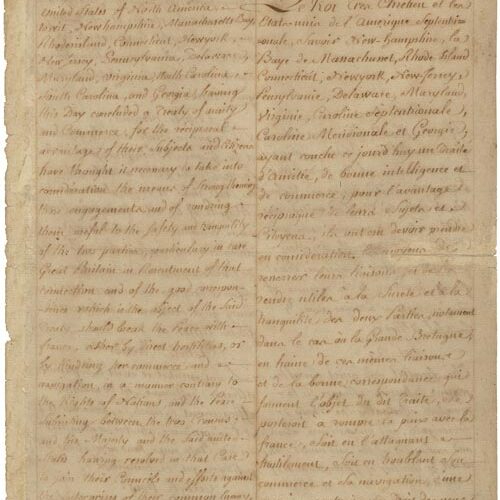
On February 6, 1778, representatives of France and the United States signed two important agreements in Paris: the Treaty of Amity and Commerce and the Treaty of Alliance. The first opened formal trade relations and recognized the United States as an independent nation. The second created a military alliance if war broke out between France and Britain, which it soon did.
The National Archives describes the Treaty of Alliance as the first military treaty of the new nation. Its purpose was direct: France and the United States would work together against Britain, and the alliance aimed to maintain American liberty, sovereignty, and independence. The treaty also included a crucial promise that neither side would make a separate peace with Britain until American independence had been secured. That clause gave the United States protection against being abandoned in a European bargain.
The treaty did not mean France suddenly controlled the American cause. It did mean the war had moved beyond a colonial rebellion. France recognized American independence, risked war with Britain, and committed itself to a shared military effort. For the United States, this was a diplomatic breakthrough. A country that had barely existed on the world stage now had a formal alliance with one of Europe’s major powers.
French aid became more than money
French help had begun before the treaty, often quietly. Supplies, arms, ammunition, uniforms, and loans reached the Americans through hidden channels while France avoided open war. That aid mattered because Revolutionary armies could not fight with speeches alone. Muskets, powder, tents, clothing, and credit kept soldiers in the field and gave commanders more room to plan.
After 1778, French assistance became broader and more visible. The Office of the Historian notes that between 1778 and 1782 France provided supplies, arms, ammunition, uniforms, troops, and naval support. French officers and soldiers fought alongside American forces, and French fleets challenged British control of the sea. That last point was especially important because Britain relied on ships to move armies, protect supply lines, and reinforce coastal positions.
Naval power was the piece the United States could not easily supply for itself. The Continental Navy was too small to match the Royal Navy in a direct contest. When French ships entered the war, Britain had to protect more places at once: North America, the Caribbean, the Atlantic, and later other theaters connected to France’s allies. The rebellion became one front in a wider imperial war, stretching British attention and resources.
Yorktown showed the alliance at full strength
The clearest result came at Yorktown in 1781. British General Charles Cornwallis moved his army to the Virginia coast, expecting that British naval power could keep him supplied or help him escape if needed. That expectation failed when a French fleet under the Comte de Grasse fought the British at the Battle of the Chesapeake and kept them from rescuing Cornwallis.
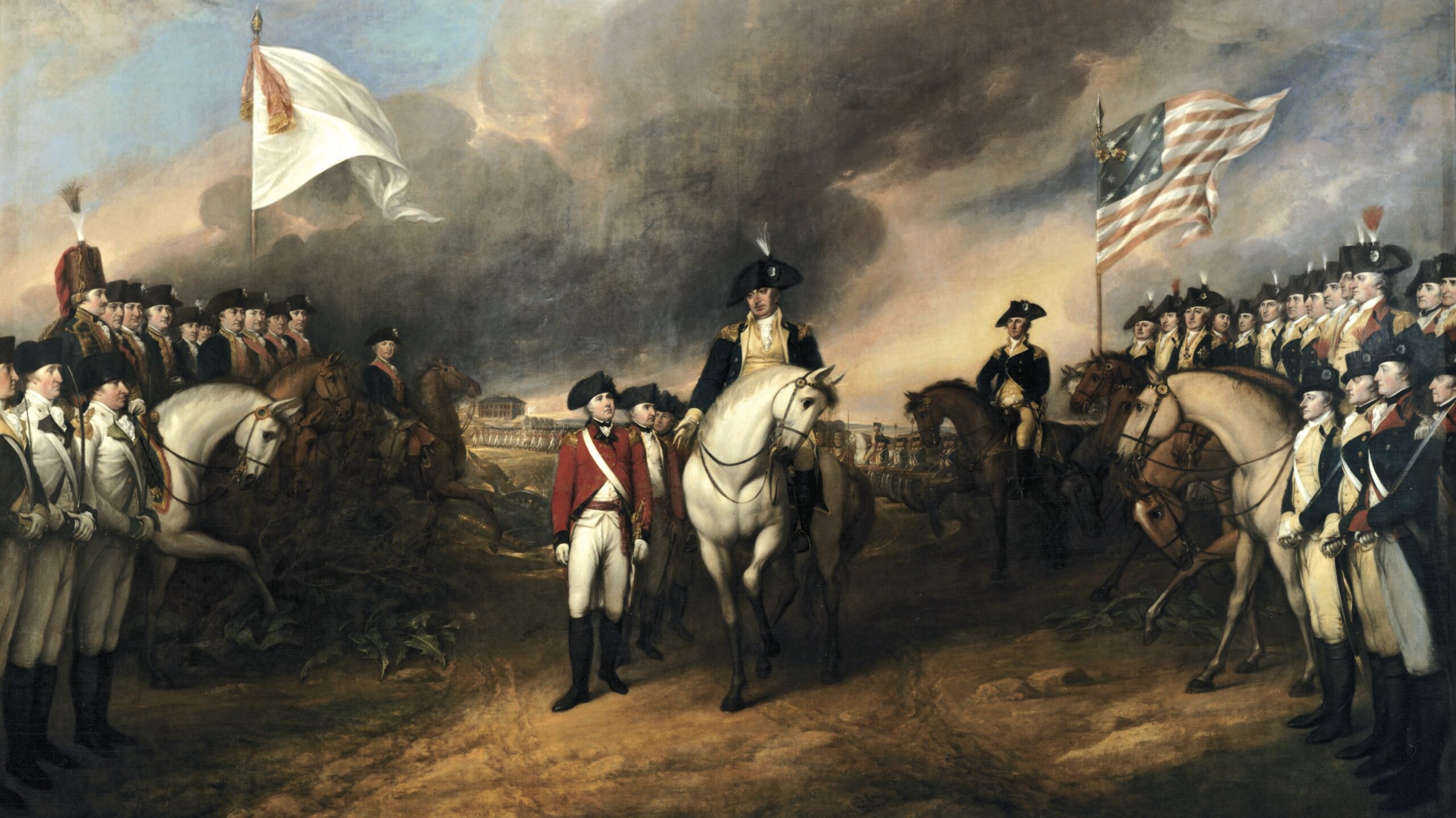
At the same time, George Washington’s army and French troops under the Comte de Rochambeau moved south toward Virginia. The siege that followed was not only an American operation with French help on the side. It was a combined campaign. French naval control blocked escape by sea, French and American land forces pressed the siege, and artillery helped force the British position into surrender.
Yorktown did not instantly produce a peace treaty, but it destroyed Britain’s best chance of winning the war in North America. The surrender made it much harder for British leaders to justify continuing the conflict at the same scale. The Treaty of Paris in 1783 formally recognized American independence, but the military logic that led there had been shaped at Yorktown by the Franco-American alliance.
Why the alliance changed the meaning of the war
The French alliance changed the American Revolution in three connected ways. First, it strengthened the American war effort with material aid that could be counted in weapons, uniforms, ships, soldiers, and money. Second, it gave the United States diplomatic recognition from a major power, making independence more than a claim written on paper. Third, it forced Britain to fight a larger war against powerful enemies instead of focusing only on the colonies.
That larger war included Spain after 1779 and fighting in places far from the American mainland. Britain had to defend valuable colonies, trade routes, and naval positions across the Atlantic world. Every ship or regiment needed elsewhere was one less resource available for crushing the rebellion in North America. The American Revolution became harder for Britain to solve because it was no longer only an American problem.
The alliance also left a complicated legacy. France’s support helped secure American independence, but the cost added pressure to French finances in the years before the French Revolution. In the United States, the 1778 alliance later raised difficult questions about neutrality, obligations, and foreign policy when revolutionary France went to war with Britain in the 1790s. The friendship that had helped win independence did not remove future disagreements.
Still, the central lesson is clear. The American Revolution depended on courage inside the colonies, but it also depended on diplomacy beyond them. Saratoga gave France confidence, the 1778 treaty turned support into alliance, and Yorktown showed what the partnership could accomplish. Independence was won on American ground, but it was also won through a global contest in which French power made British victory far less likely.




Add comment