
 Akshay Dinesh
A date printed on a carton of eggs or a box of crackers looks authoritative, but it often answers a different question from the one a shopper is asking. In the United States, most package dates describe when the maker expects a food to taste, smell, or perform at its best. They are usually not automatic deadlines for safety.
That distinction can prevent waste, but it should not become a reason to ignore storage. A yogurt kept cold may remain acceptable after a quality date, while food left in a hot car can become unsafe before any printed date arrives. The useful question is not simply, “Has the date passed?” It is, “What does this particular date mean, and how has the food been handled?”
Most package dates are quality estimates, not safety cutoffs
Federal law does not require date labels on most foods. The major exception is infant formula, which must carry a use-by date. Manufacturers voluntarily add dates to many other products, and state rules can add requirements for items such as eggs or milk. That patchwork helps explain why shoppers encounter so many phrases.
The U.S. Department of Agriculture’s Food Safety and Inspection Service says a manufacturer may set a quality date after considering the food’s ingredients, packaging, distribution temperatures, and expected changes over time. Those tests might track whether cereal loses its crunch, oil develops an off flavor, or a sauce separates. The date is an estimate under expected storage conditions, not a switch that changes the food at midnight.
Food safety works differently. Disease-causing bacteria may grow when a perishable food spends too long at an unsafe temperature, and they do not always create a bad smell, taste, or appearance. A printed quality date cannot reconstruct that history. Storage instructions such as “keep refrigerated” therefore carry more safety information than many shoppers realize.
What best-by, sell-by, use-by, and freeze-by mean
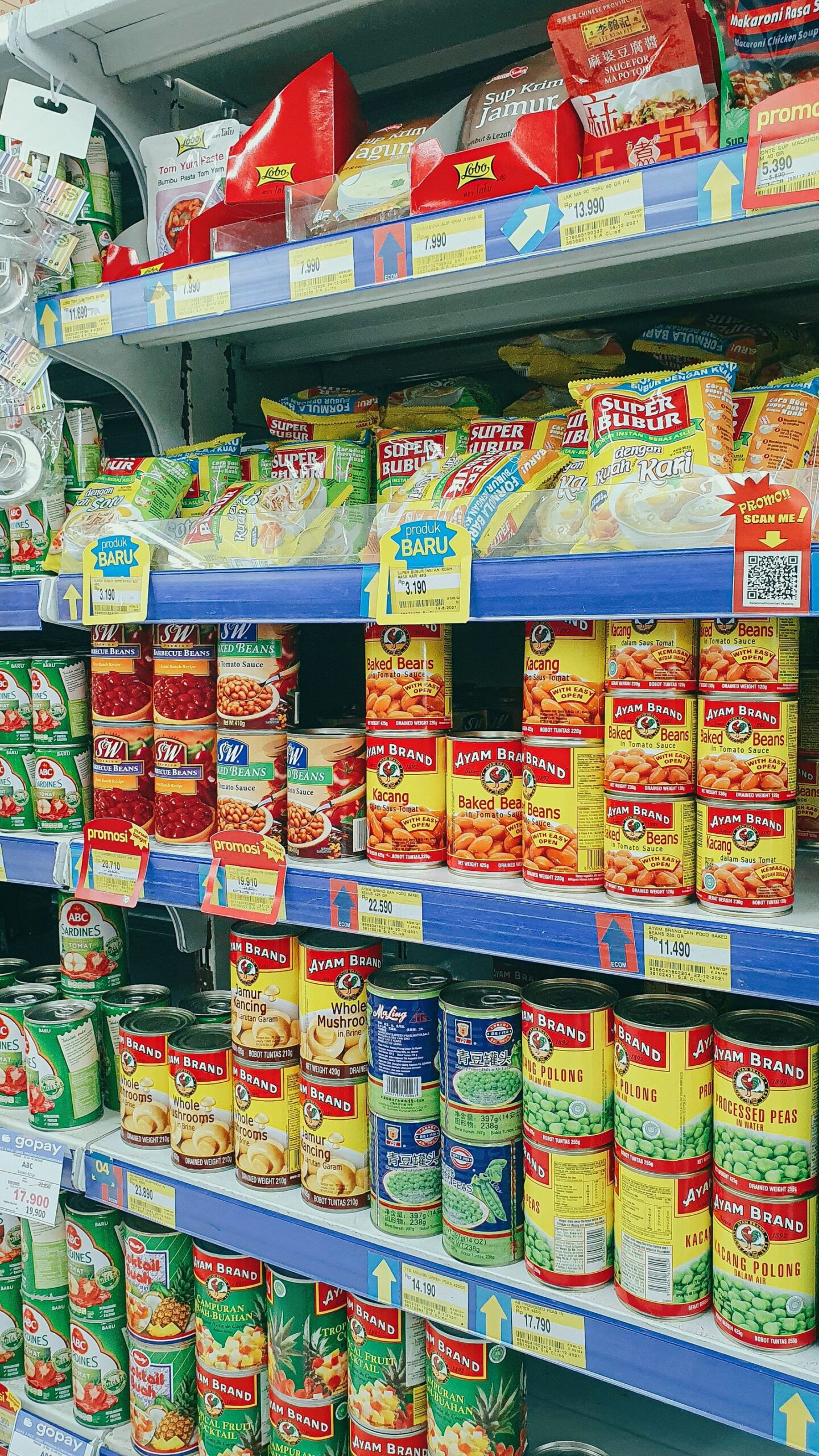
Best if used by or best before
This is a quality message. It identifies the period when the maker expects the product to have its best flavor, texture, color, or performance. USDA and the Food and Drug Administration support “Best if Used By” as a clearer phrase for quality dating because it does not sound like a safety deadline. A product that has passed this date may still be usable if it was stored correctly and shows no sign of spoilage.
Sell by
A sell-by date is mainly an inventory instruction for the store. It helps staff rotate stock and decide how long to display an item. It is not the date by which a shopper must eat the food. Someone who buys properly refrigerated milk, meat, or another perishable product before its sell-by date still needs to follow safe storage guidance at home.
Use by
On most U.S. foods, “use by” is the manufacturer’s recommendation for peak quality, not a federally defined safety cutoff. The wording can sound more urgent than “best by,” which is one reason the label system causes confusion. Infant formula is the crucial federal exception: the FDA requires a use-by date because the product must retain the stated nutrient levels and suitable physical quality through that date. Formula should not be bought or used after it.
Freeze by and coded dates
A freeze-by date suggests when freezing the food will best preserve its quality. It does not mean the product suddenly becomes unsafe that day. Strings of letters and numbers on cans and boxes are often production or lot codes used for stock control and recalls; they may not be calendar dates intended for shoppers at all.
Handling history matters more than the calendar alone
A date assumes that the package remained intact and the product was stored as directed. Once those conditions change, the printed estimate becomes less useful. An opened jar, for example, has a different storage life from a sealed jar. A refrigerator running too warm can shorten the safe life of perishable food even when its date is weeks away.
The FDA recommends keeping a refrigerator at 40°F (4°C) or below and a freezer at 0°F (-18°C). Perishable groceries and leftovers should generally be refrigerated within two hours, or within one hour when the air temperature is above 90°F (32°C). Those time-and-temperature rules address bacterial growth; a best-by date does not.
Freezing largely pauses microbial growth, although it does not restore food that was already mishandled. It can also change texture and flavor over time. Freezer burn, for instance, is a quality problem caused by moisture loss, not proof that frozen food has become unsafe.
Some warning signs overrule the date
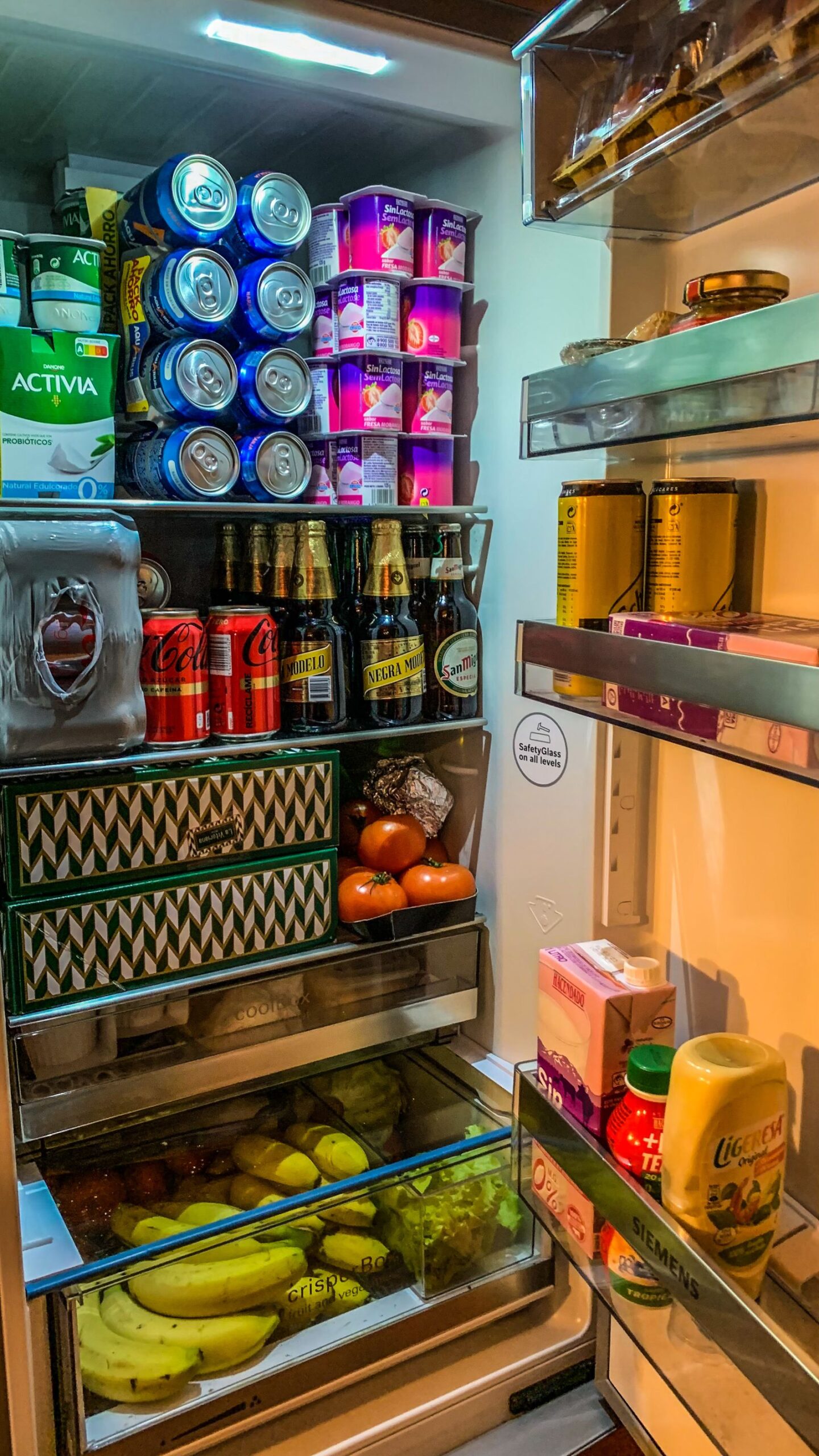
Even a food that is “in date” should be discarded when its package is swollen, leaking, punctured, or badly damaged. A bulging can can signal gas production inside and should not be opened or tasted. Broken seals, unexpected spurting, or a container that looks tampered with are also reasons to stop.
Visible mold, an unusual odor, unexpected sliminess, or a major change in texture can reveal spoilage. Do not taste a questionable food to test it. Just as important, the absence of those signs does not prove that a mishandled perishable food is safe, because pathogens can be invisible and odorless.
Ready-to-eat refrigerated foods deserve particular care for people who are pregnant, age 65 or older, or have weakened immune systems. Listeria can grow slowly even at refrigerator temperatures, so official storage times and product-specific advice matter. When a product is recalled, the recall notice and identifying lot information take priority over every date printed on the package.
Canned foods illustrate why condition and quality must be read together. USDA notes that high-acid canned foods such as tomatoes and fruit commonly retain their best quality for about 12 to 18 months, while low-acid foods such as vegetables and meat may retain it for two to five years. Those ranges apply to sound cans stored properly, not to containers that are swollen, leaking, deeply rusted, or sharply dented at a seam.
A practical keep-or-toss routine
- Identify the phrase. Treat “best if used by” as a quality estimate and “sell by” as a store-management date. Give special weight to the required use-by date on infant formula.
- Check the storage instruction. Look for “keep refrigerated,” “refrigerate after opening,” or other directions that change how the food should be handled.
- Reconstruct what happened. Consider how long the product was unrefrigerated, whether the fridge stayed at 40°F or below, when the package was opened, and whether a power outage interrupted cooling.
- Inspect the package before the food. Reject bulging cans, broken seals, leaks, punctures, or signs of tampering without tasting the contents.
- Look for spoilage, but do not use smell as a safety test. Obvious mold or an off odor is enough reason to discard food. A normal smell cannot clear a perishable item that spent too long in unsafe temperatures.
- Use product-specific guidance. The USDA FoodKeeper resource gives refrigerator, freezer, and pantry storage ranges for many common foods. It is more useful than applying one rule to everything in the kitchen.
Small habits make this routine easier. Write the opening date on jars and leftovers, place older food at the front of the refrigerator, freeze items before quality drops, and keep an appliance thermometer where it can be checked. These practices turn an ambiguous printed date into one piece of a fuller record.
Why clearer date labels could reduce food waste
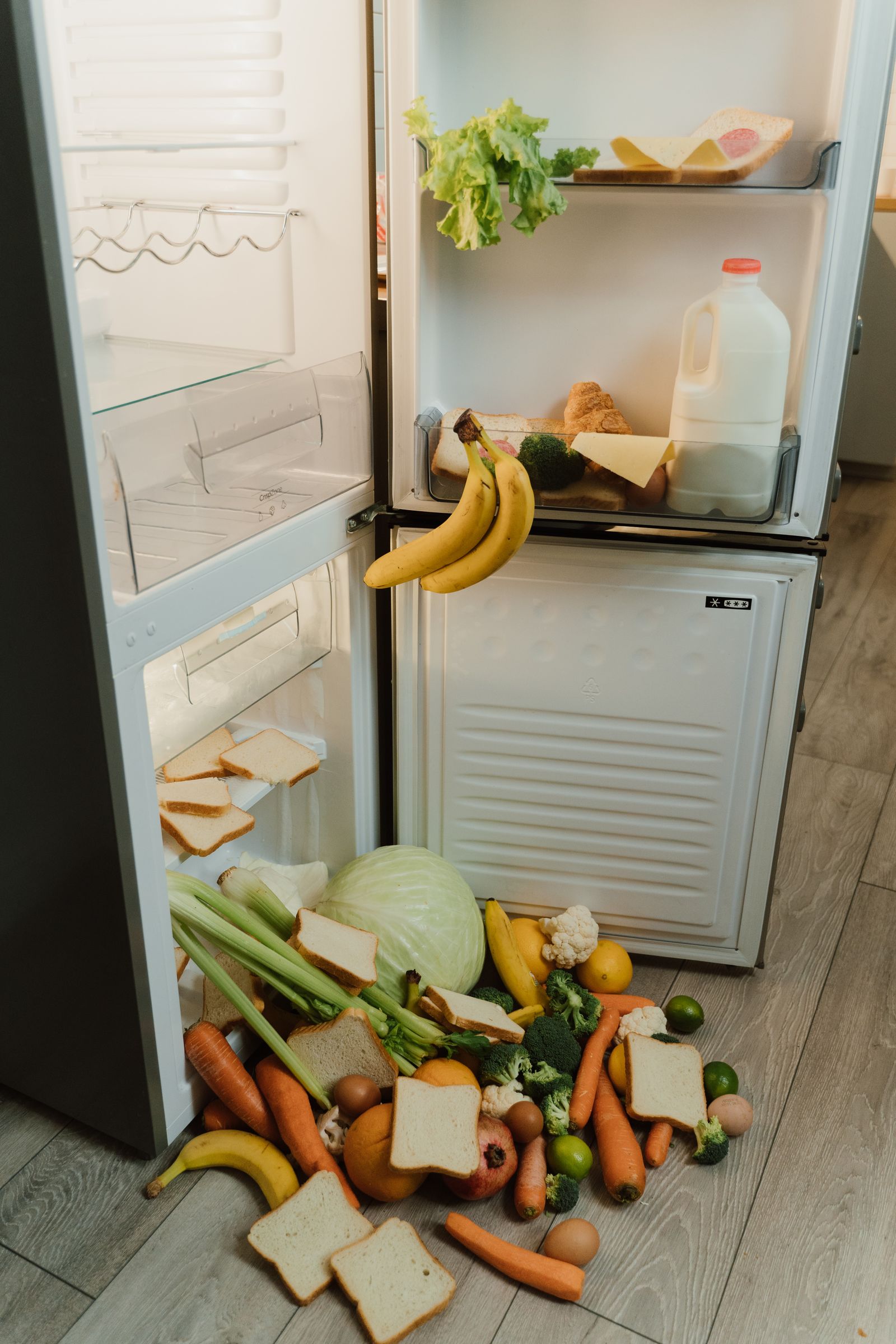
The FDA estimates that confusion over date labels accounts for about 20 percent of consumer food waste. That is a language problem with physical consequences: edible food is discarded, families lose money, and the energy, water, land, packaging, and transport used to supply it are wasted too.
Federal agencies have tried to narrow the vocabulary. FDA and USDA encourage “Best if Used By” for a quality date, and in 2024 they requested public information about the costs and effects of a more standardized system. The Food Date Labeling Act of 2025 would create uniform phrases for voluntary quality and discard dates. As of October 2026, Congress.gov lists the Senate bill as introduced and referred to committee, so it is a proposal rather than current law.
Until the rules become simpler, the label should be read as a clue rather than a verdict. The phrase tells you what kind of clock is running; the package, temperature, opening date, and storage history tell you far more about the food in front of you. That combination protects both safety and the groceries that are still worth using.