
 Rishay Dinesh
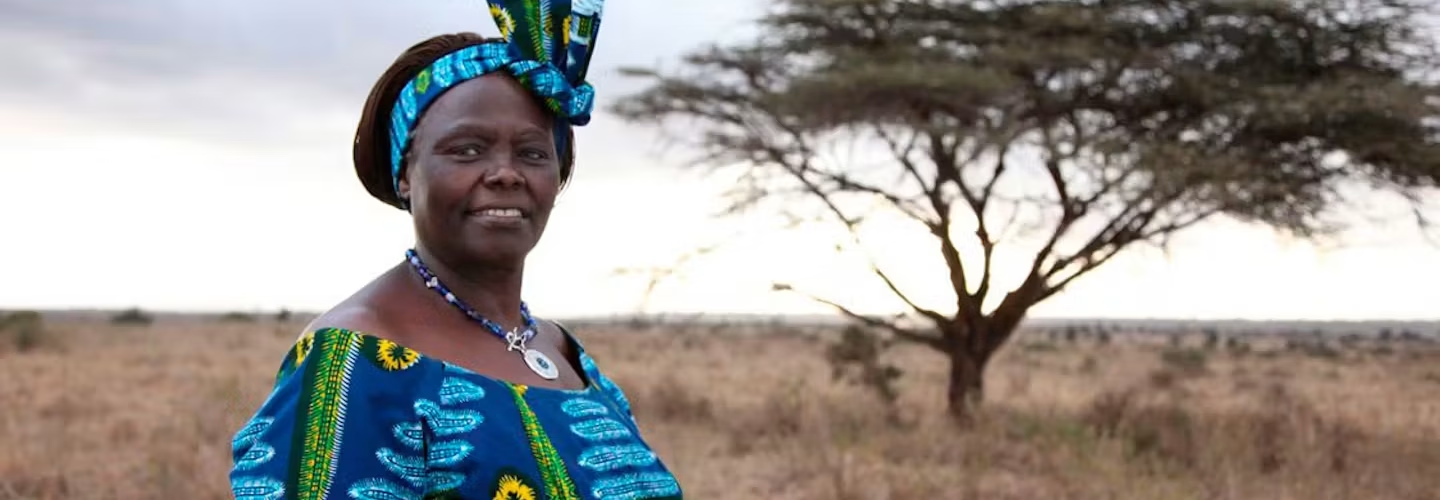
Wangari Maathai changed Kenya and the world with powerful ideas, fearless courage, and deep love for nature. She believed that healthy land creates healthy people, and she proved this belief through decades of work in forests, villages, universities, and government halls. Her life shows that strong change begins with simple actions. She planted one tree, then another, then millions through the people she inspired. She fought corrupt leaders, protected public spaces, and taught the world how the environment connects with human rights. She used her voice to defend women, to demand democracy, and to restore damaged land. Her story shows that ordinary people can change national history when they act with purpose, and her legacy proves that one determined leader can protect the future for generations.
Early Life
Wangari Maathai was born on April 1, 1940, in the village of Ihithe near Mount Kenya, a region filled with forests, clean rivers, and fertile soil. Her parents worked as farmers, and they relied on the land for food, income, and daily life. She helped her mother fetch water, gather firewood, tend crops, and take care of the goats and chickens. These tasks taught her responsibility and built her understanding of how closely people depend on nature. She watched the seasons change, studied the behavior of plants and animals, and learned the rhythms of the land. She also saw early signs of environmental damage as more land was cleared for commercial farming. She watched rivers shrink and soils weaken. She understood that the destruction of nature caused real pain for families. These early experiences shaped her values and helped her build a strong sense of purpose.
Education and Early Opportunities
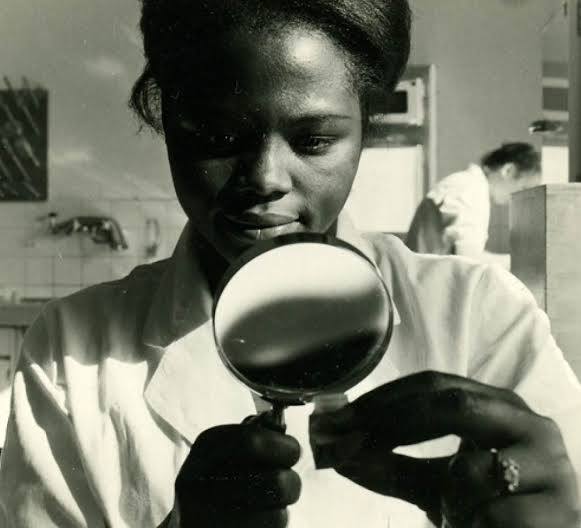
Wangari Maathai began school at a time when few Kenyan girls entered classrooms. She studied with focus and excitement, and she earned top grades that impressed her teachers. She enjoyed science and language, and she used every chance to learn. Her strong academic performance opened the door to rare opportunities. In 1960, she earned a scholarship through the Airlift Africa program, which brought talented East African students to study in the United States during a time of major political change in Africa. She traveled to Kansas and studied biology at Mount St. Scholastica College. She learned how plants grow, how ecosystems function, and how human decisions change the natural world. She saw clean rivers, protected parks, and organized environmental movements. She understood that communities in the United States defended their nature with laws and activism, and these ideas inspired her.
Breaking Barriers as a Scientist
Wangari Maathai earned her master’s degree at the University of Pittsburgh, where she learned more advanced science and gained confidence in her ability to contribute to the world. During her time in Pittsburgh, she also experienced the rising environmental movement, which pushed for clean air, clean water, and protection of natural spaces. These movements taught her how public involvement creates change. She returned to Kenya in 1966 with stronger knowledge and a clear desire to help her country. She joined the University of Nairobi as a lecturer in veterinary anatomy and worked with discipline and focus. In 1971, she earned her Ph.D., becoming the first woman in East Africa to earn this degree. She then became the first woman to lead a department at the university. Her achievements broke gender barriers and inspired women across Kenya. She used her academic position to teach students, guide research, and promote scientific thinking.
Seeing the Roots of Rural Struggles
During the 1970s, she visited rural communities and listened to women describe deep struggles. Many families lacked firewood, and women walked long distances searching for wood for cooking. Farms produced weak crops because the soil lacked nutrients, and rivers shrank as trees disappeared. Hunger increased and children suffered. She looked at the dry land, the bare hills, and the eroded fields, and she understood that deforestation caused many of these problems. She saw how the destruction of forests removed protection for the soil and reduced the availability of water. She believed that communities could fix these problems through simple actions. She formed one clear idea: plant trees. Trees protect soil, hold water, give shade, supply firewood, offer fruit, and restore natural life. She believed that women could lead this effort because women understood how environmental damage affected families.
Founding the Green Belt Movement
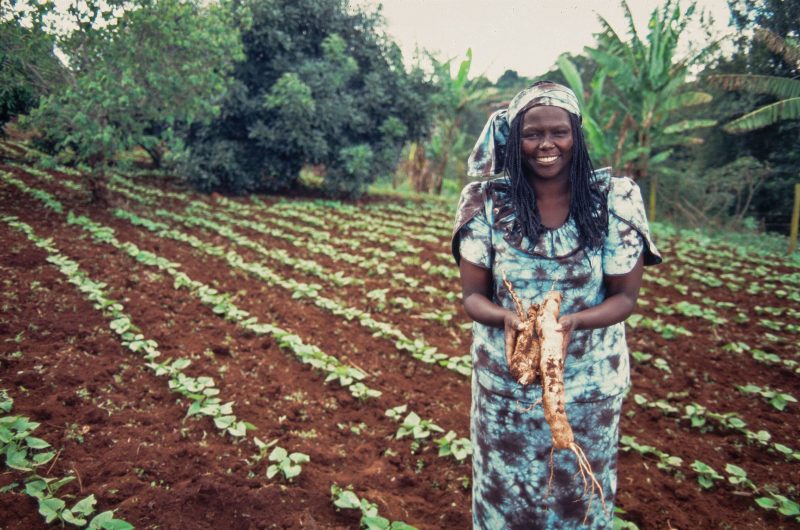
In 1977, Wangari Maathai created the Green Belt Movement, and she organized women to plant tree seedlings in their villages. She taught them how trees grow, how to care for seedlings, and how forests protect soil and water. She paid women small amounts of money for every seedling that survived, and this financial support helped families while encouraging proper care of the trees. The movement grew quickly because it solved real problems. Women gained income, families gained firewood, and land gained new life. She worked with farmers, teachers, students, and rural groups to spread her message. She explained that tree planting protects the environment and strengthens communities. She traveled from village to village, encouraged people, and helped them build a sense of pride and ownership. Her work connected science with daily life and turned knowledge into action.
Environmental Restoration and Community Growth
The Green Belt Movement grew into a powerful national force. Women planted thousands of trees, then millions, and these trees restored damaged land. Rivers regained strength in some areas, wildlife returned, soil held firm, and farms produced healthier crops. Communities grew stronger because women worked together and gained leadership skills. The movement encouraged cooperation, education, and unity. It also created new networks of women who supported one another and took charge of community decisions. The work built confidence and independence among women, many of whom had never held leadership roles before. The movement also helped children understand the importance of protecting nature, and many schools began tree-planting programs because of her influence. Wangari Maathai showed that environmental restoration begins with people who understand the land and care about the future.
Standing Up to Corruption and Power
Wangari Maathai became a strong defender of public land, and her activism challenged powerful leaders who tried to use natural areas for private profit. She fought to protect Nairobi’s Uhuru Park when the government planned to replace it with luxury buildings. She wrote letters, spoke publicly, and organized protests to stop the project. She faced threats, beatings, and arrests, but she never gave up. Her courage stopped the project and saved the park for future generations. She also fought to protect Karura Forest, where developers wanted to take the land for private estates. She stood with students and activists, and even when police beat her with clubs, she refused to step down. Her determination exposed corruption and inspired the public. She proved that one strong voice can challenge powerful systems.
Connecting Environment With Human Rights
Wangari Maathai believed that the environment connects with democracy, freedom, and human dignity. She said that corruption harms both nature and people. She said that destroyed land causes hunger, poverty, and suffering. She believed that citizens deserve a clean environment, and she demanded that leaders protect forests and rivers. She also fought for women’s rights and supported equal opportunities in education and leadership. She taught that women have the strength to lead environmental change and social change. She spoke against unfair laws and demanded accountability from the government. Her activism blended environmental protection with political justice. She helped spark Kenya’s struggle for democracy, and she encouraged citizens to demand honest leadership.
Winning the Nobel Peace Prize
In 2004, Wangari Maathai won the Nobel Peace Prize for her work in sustainable development, democracy, and peace. She became the first African woman to receive this honor. The Nobel Committee recognized her belief that environmental care supports peace, and her work showed that strong communities grow from healthy land. She used the award to bring more attention to environmental issues around the world. She traveled to many countries, spoke to leaders, and encouraged young people to protect the planet. She said that the prize belonged not only to her but also to the women of Kenya who planted millions of trees and protected their land with courage.
Lasting Legacy
Wangari Maathai continued her work until her death in 2011, and her legacy lives through the forests she helped restore, the women she empowered, and the global movement she inspired. The Green Belt Movement still plants trees, trains communities, and protects forests across Kenya. Her books teach environmental responsibility, leadership, and the power of simple actions. Her courage inspires activists who fight for clean water, clean air, and sustainable land. Her ideas guide organizations that work for climate action and women’s empowerment. Schools teach her story to encourage students to protect nature and stand up for justice. Her influence reaches people in Africa, Asia, Europe, and the Americas, and her message continues to grow: protect nature, empower communities, and act with courage. She proved that one person can spark a global movement. Her life shows that environmental health supports peace, equality, and human dignity, and her work continues to shape the future.


 Akshay Dinesh



Add comment