
 Akshay Dinesh
A grocery shelf can make two prices look easy to compare when they are not really measuring the same thing. One box is cheaper at the register, another is larger, a third is on sale, and a fourth has quietly shrunk since the last time you bought it. The number printed largest on the tag tells you what you will pay today, but it does not always tell you which product gives more value. Unit pricing solves that problem by turning each option into a common measurement.
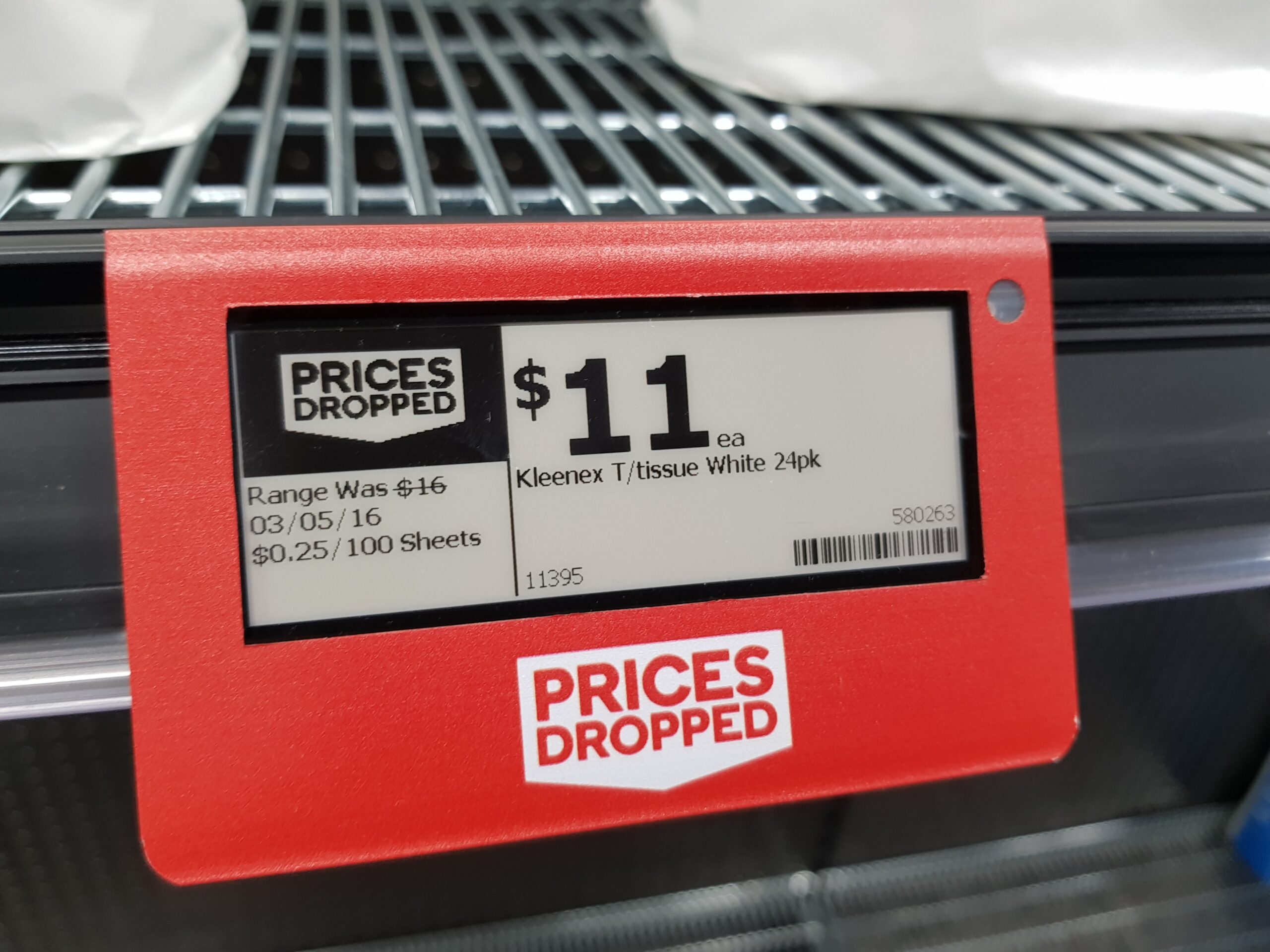
The idea is simple: instead of comparing the total price of two packages, compare the price for one ounce, one pound, one quart, one sheet, one tablet, or one item. That smaller number is often printed on the shelf label, though it can be easy to miss. When grocery prices feel unpredictable, unit pricing gives shoppers a calmer way to compare choices. It does not make every decision automatic, but it makes the math honest.
The Small Number That Changes the Comparison
Unit price is the cost of a product divided by the amount you receive. Rutgers Cooperative Extension defines it as the cost per common measure, such as pound, ounce, quart, foot, or count. North Dakota State University Extension teaches the same shopping formula: item price divided by item size. If a 12-ounce bag of rice costs $3.00, the unit price is 25 cents per ounce. If a 20-ounce bag costs $4.40, its total price is higher, but its unit price is 22 cents per ounce.
That difference matters because grocery packages are rarely designed for easy mental math. Cereal may come in 10.8-ounce, 13.2-ounce, and 18-ounce boxes. Yogurt may be sold as one large tub, a four-pack, or individual cups. Paper towels may list rolls, sheets, square feet, or ply. Without a unit price, the shopper is forced to compare shapes, sizes, labels, and sale signs all at once.
The strongest use of unit pricing is comparing similar products. It works well when two pasta boxes are both measured in ounces, when two cartons of broth are both measured in quarts, or when two laundry detergents are both measured by fluid ounce or load count. It becomes less useful when the products are genuinely different in quality, concentration, nutrition, taste, durability, or waste. A cheaper unit price is a signal, not a command.
Why the Bigger Package Is Not Always the Better Buy
Many people learn a rough rule that bulk sizes cost less. Often they do, because packaging and distribution costs can be spread over more product. But the rule is not reliable enough to trust without checking. Stores may discount a smaller size, brands may price larger packages differently, and manufacturers may change package sizes without changing the familiar look of the container.
Unit pricing exposes those surprises. A family-size box may have the lowest price per ounce one week, while the mid-size box may win during a sale the next week. Store brands may beat national brands on unit price, but a coupon or loyalty discount can reverse the comparison. Fresh, frozen, canned, and dried versions of the same food can also have very different unit costs, especially after considering whether the full package will actually be used.
Waste is part of the calculation. A five-pound bag of spinach with the lowest cost per pound is not a bargain if half of it spoils before anyone eats it. A giant jar of spice may be cheap by the ounce, but the flavor may fade before the jar is finished. Unit pricing helps identify the mathematical deal; good shopping still asks whether the amount fits the household, storage space, and cooking habits.
Shrinkflation Makes Unit Pricing More Useful
Shrinkflation happens when a package contains less product while the price stays the same or rises. The change can be hard to notice because the box, bag, or bottle may look almost identical. A snack package that drops from 12 ounces to 10.5 ounces may still sit in the same spot on the shelf. A bottle may keep its shape while holding fewer fluid ounces. The shopper sees a familiar brand and a familiar price, but the value has changed.
Unit pricing is one of the easiest ways to catch that shift. If the total price stays at $4.99 but the package gets smaller, the price per ounce rises. The Office of Consumer Affairs in Canada has described unit pricing as a way to make shrinkflation easier to spot because it lets shoppers compare the cost for the same quantity, not just the package on the shelf. The same logic works in any store where the unit price is visible or can be calculated.
This does not mean every smaller package is dishonest. Sometimes companies change package sizes because of supply costs, transportation, shelf space, or consumer demand for smaller portions. The problem for shoppers is transparency. Unit pricing gives the change a number. Once the cost per ounce, pound, or count is clear, a household can decide whether the product still earns its place in the cart.
How to Calculate Unit Price When the Shelf Tag Is Missing
The formula is short enough to use on a phone calculator: total price divided by total amount. A $2.79 bottle containing 32 fluid ounces costs about 8.7 cents per fluid ounce. A $3.49 bottle containing 48 fluid ounces costs about 7.3 cents per fluid ounce. The second bottle costs more at checkout, but it costs less for each ounce.
The hard part is making sure the units match. Comparing cents per ounce to dollars per pound can lead to bad decisions unless the units are converted. There are 16 ounces in a pound, 32 fluid ounces in a quart, and 128 fluid ounces in a gallon. When products use different measurements, convert them to the same unit before deciding. This is especially useful for produce, cleaning supplies, pet food, and paper goods, where labels may not line up neatly.
Online shopping can make unit pricing easier or harder depending on the retailer. Some product listings show price per ounce or price per count clearly. Others bury the information, use inconsistent units, or compare products by package rather than usable amount. The same habit still helps: look past the headline price and find the common measure.
When the Cheapest Unit Price Is Not the Best Choice
Economics is not only about finding the lowest number. It is about tradeoffs. A lower unit price may come with a larger upfront cost, more storage needs, a shorter useful life, or a product that does not meet the same purpose. Concentrated detergent may cost more per fluid ounce but less per load. A higher-quality paper towel may cost more per roll but use fewer sheets for the same cleanup. A cheaper food may not be the better choice if it does not fit dietary needs or taste preferences.
Unit pricing also does not measure time. A smaller package bought at a nearby store may make sense if traveling to a warehouse club would cost more in gas, time, or membership fees than the savings are worth. A sale that requires buying five packages may be useful for a large household and wasteful for a small one. The best deal is the one that balances unit cost with actual use.
Still, unit pricing gives shoppers a stronger starting point. It separates the comparison from packaging design, shelf placement, and the pull of a big sale sign. It makes a grocery aisle look less like a wall of competing labels and more like a set of measurable choices.
A Simple Habit for Smarter Shopping
The easiest way to use unit pricing is to choose a few repeat purchases and start there. Cereal, rice, pasta, eggs, yogurt, canned tomatoes, detergent, paper towels, and pet food are good candidates because they are bought often and come in many sizes. Checking every item in a full cart can be tiring. Checking the items that repeat week after week can have a larger effect over time.
It also helps to remember normal unit prices for a few staples. Once a shopper knows the usual price per ounce for a favorite cereal or the usual price per pound for a common protein, sale signs become easier to judge. Some sales are real savings. Others are only louder labels on ordinary prices.
Unit pricing will not make grocery decisions perfect. Prices still vary by region, store, season, brand, coupon, and availability. But it gives shoppers a practical tool for seeing through packaging and comparing value on equal terms. In a store full of bright labels and shifting package sizes, that small number on the shelf may be the clearest price in the aisle.




Add comment