 Akshay Dinesh
An electricity bill can look simple at first: use electricity, pay for electricity. Then the actual statement arrives with meter readings, kilowatt-hours, delivery charges, supply charges, riders, taxes, and a total that may not rise or fall the way a household expects. A cooler month can still bring a stubborn bill if fixed charges are high. A hotter month can become expensive quickly if air conditioning adds hundreds of kilowatt-hours. A new rate plan can make the timing of electricity use matter almost as much as the total amount used.
The core idea is not mysterious. Most home electric bills start with a unit called the kilowatt-hour, usually written as kWh. That unit measures energy used over time, not just the momentary power flowing through a device. Once the bill counts those kilowatt-hours, it applies the rate structure approved for that customer, then adds the cost of maintaining the system that delivers power to the home.
The Kilowatt-Hour Is the Basic Unit of Use
A watt measures the rate at which a device uses power. A kilowatt is 1,000 watts. A kilowatt-hour measures what happens when that rate continues for a period of time. If a 1,000-watt appliance runs for one hour, it uses 1 kWh. If a 100-watt device runs for ten hours, it also uses 1 kWh. The two devices use power at very different rates, but their total energy use can be the same if the running time changes.
This is why small devices can matter when they run constantly and large devices can matter when they run often. A phone charger uses little power, so it barely moves the monthly total. An electric water heater, clothes dryer, space heater, oven, pool pump, or central air conditioner can add much more because each one uses a higher wattage or runs for long stretches. A 1.5-kilowatt air conditioner running for four hours uses about 6 kWh. At a rate of 17 cents per kWh, that one block of cooling costs a little over a dollar before fixed fees and other bill components are considered.
The U.S. Energy Information Administration reported that the average residential retail electricity price in 2025 was 17.30 cents per kWh. That national average is useful for scale, but it is not a promise about any single household. Rates vary widely by state, utility, season, fuel costs, grid investments, local rules, and whether the customer buys power from the default supplier or another approved provider.
Why the Bill Is More Than Usage Times Rate
The simplest mental model is monthly kWh multiplied by the energy rate. That is a good starting point, but many bills contain several layers. A customer charge is usually a fixed amount paid each billing period regardless of how much electricity was used. Public utility commissions often describe this as a way to cover basic service costs such as billing, meter reading, customer support, and parts of the local distribution system.
Then comes the energy charge, supply charge, generation charge, or a similarly named line. This part reflects the electricity itself: the power produced or purchased for customers. Some bills separate the supply company from the delivery utility, especially in states with retail electricity choice. In those places, one company may sell the electricity while the local utility still owns the wires and sends the bill.
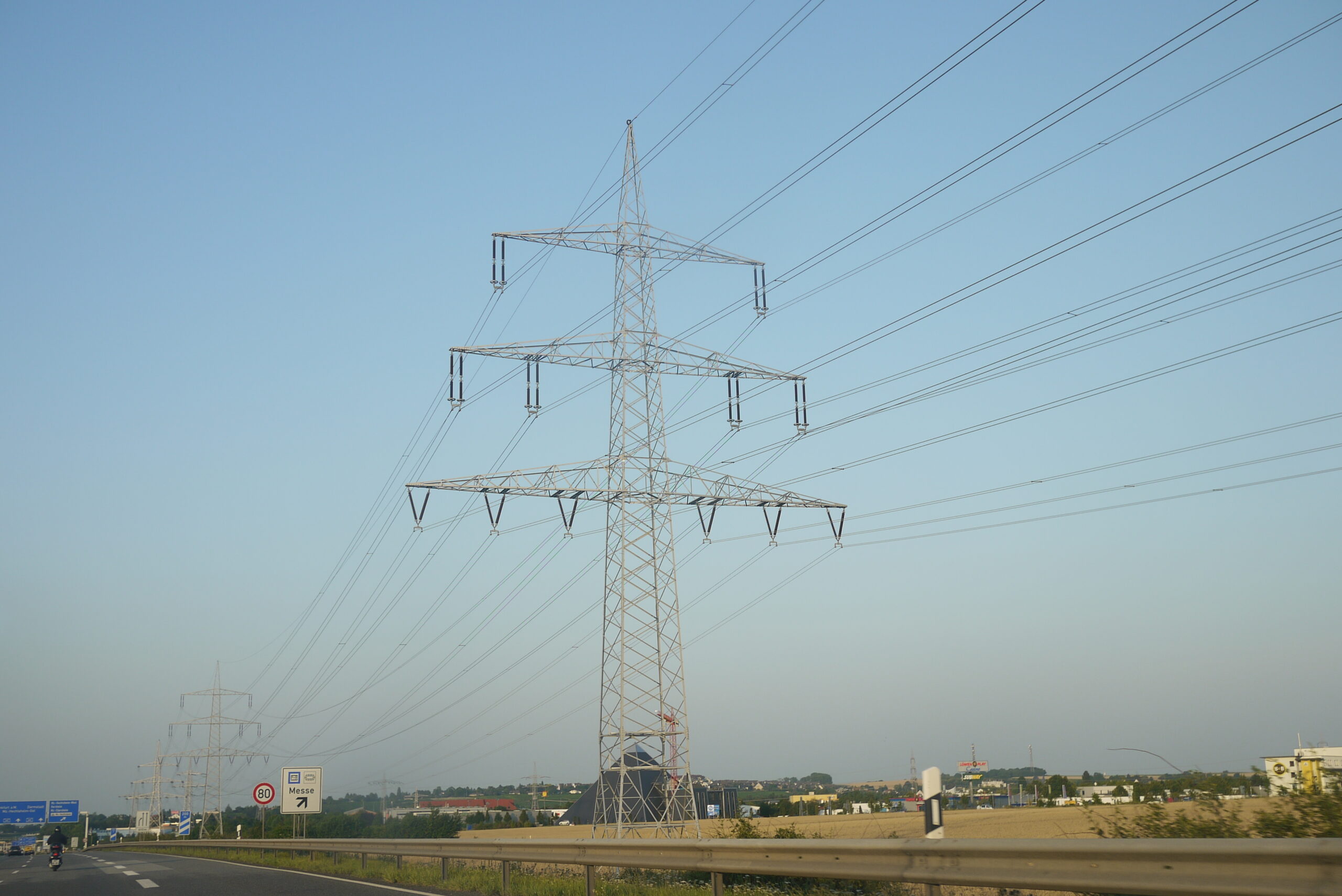
Delivery charges cover the local system that moves electricity from larger transmission networks to homes and businesses. Distribution lines, poles, transformers, substations, repairs, storm recovery, vegetation management, and grid upgrades all cost money whether a household uses a little electricity or a lot. Transmission charges may appear separately for the higher-voltage system that moves bulk power across longer distances. Taxes, public-purpose charges, renewable energy charges, efficiency programs, and local fees may appear as smaller lines that vary by state and utility.
That structure explains a common surprise: cutting electricity use by 10 percent does not always cut the bill by 10 percent. The usage-based part may fall, but fixed charges stay. Some delivery or program charges may be partly fixed, partly usage-based, or calculated through formulas that are not obvious from the front page of the bill. Reading the line items helps separate the parts a household can influence through behavior from the parts set by rate design.
Meter Readings Turn Household Behavior Into Numbers
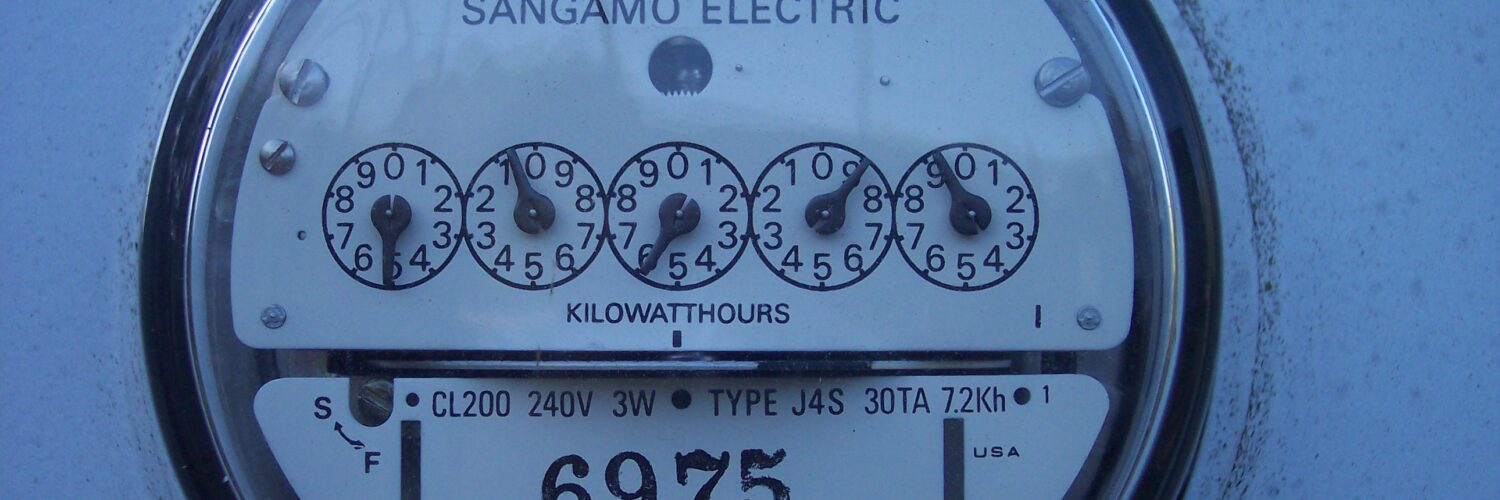
Older mechanical meters record cumulative electricity use. A meter reader, customer report, or later estimate compares the previous reading with the current reading. If last month’s reading was 42,100 kWh and this month’s reading is 42,850 kWh, the household used 750 kWh during the billing period. The meter is not starting over each month; the bill is based on the difference between two readings.
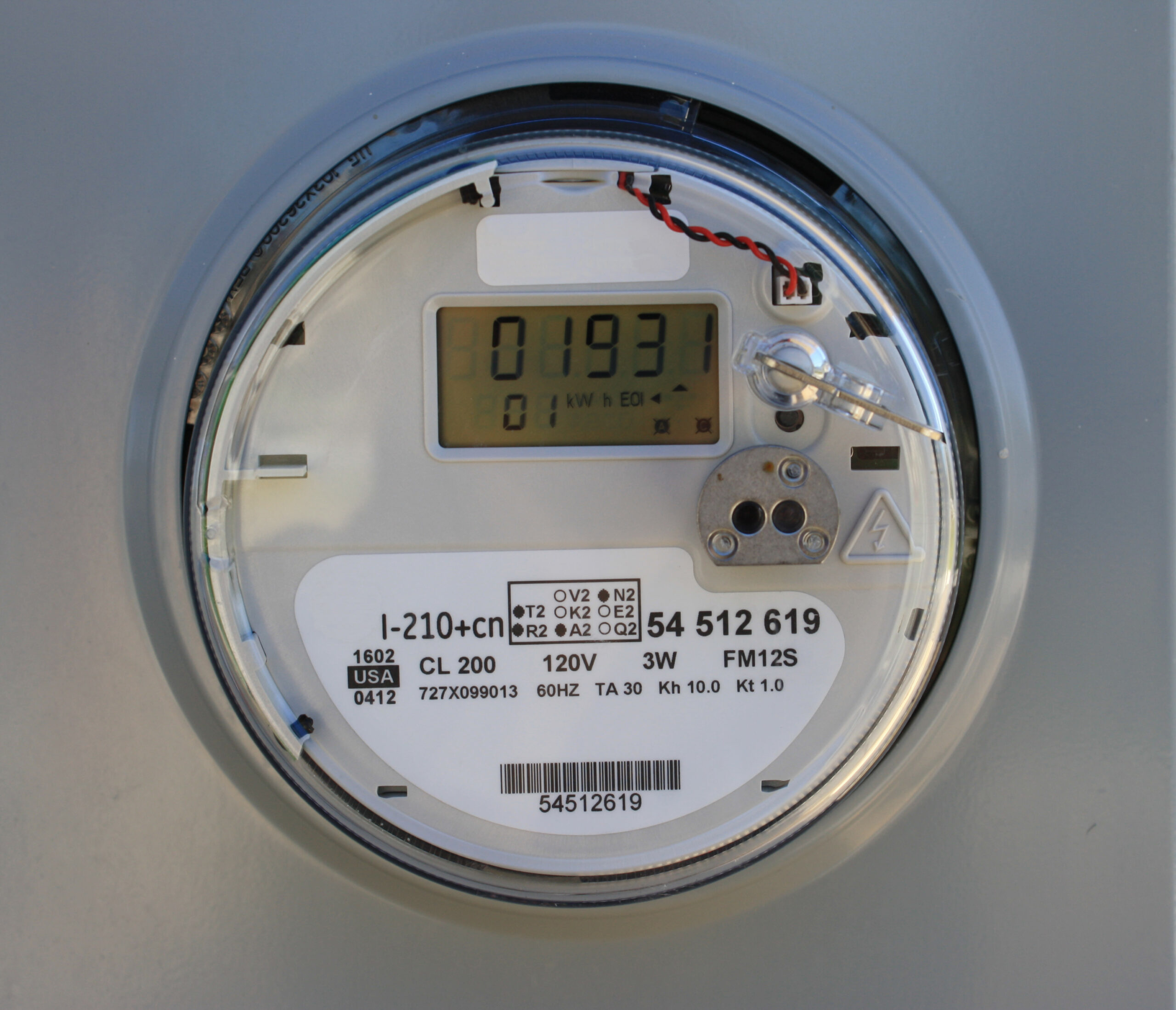
Smart meters do the same basic job but can record usage at shorter intervals, such as hourly or even more frequently depending on the utility system. That can reduce estimated bills, help utilities detect outages, and give customers more detailed usage patterns. It also makes newer pricing plans easier to run because the utility can tell not only how much electricity was used, but when it was used.
Billing periods add another wrinkle. One bill might cover 28 days, while another covers 33. A longer billing period naturally includes more time for lights, refrigerators, heating, cooling, laundry, and electronics to run. Comparing daily average kWh can be more useful than comparing the total from one bill to the next. A 900 kWh bill over 30 days averages 30 kWh per day; a 900 kWh bill over 36 days averages only 25 kWh per day.
Time Can Change the Price of the Same Kilowatt-Hour
Under a flat residential rate, each kWh costs the same no matter when it is used. Time-of-use rates work differently. Electricity costs more during peak periods, when demand on the grid is high, and less during off-peak periods, when demand is lower. The exact hours depend on the utility and season. In many areas, hot late afternoons and early evenings are more expensive because air conditioners, businesses, appliances, and household routines overlap.
This does not mean electricity from one outlet is physically different at 5 p.m. than it is at midnight. The difference comes from the cost of serving demand at that moment. Power systems must be ready for the highest periods of use, not just the average day. When many customers need electricity at once, utilities may rely on more expensive generation, larger delivery capacity, or market purchases. A time-based rate tries to make that system pressure visible in the bill.
Some bills also include demand charges, though they are more common for commercial customers than for ordinary households. A demand charge is based on the highest rate of power use during a short interval, often 15 or 30 minutes. The difference between kW and kWh matters here. Kilowatt-hours measure total energy over time. Kilowatts measure how intense the use is at a particular moment. Running several large appliances at once can create a high demand peak even if the monthly kWh total is moderate.
Why Bills Jump Even When Nothing Seems Different
Many bill jumps come from weather. Heating and cooling are often the largest flexible loads in a home, especially when electricity powers the air conditioner, heat pump, baseboard heat, or space heaters. A few very hot or cold days can add enough runtime to change the whole month. The thermostat setting matters, but so do insulation, windows, humidity, sun exposure, duct leaks, appliance age, and how many people are home during the day.
Appliance behavior also hides in the total. A refrigerator with a failing seal may run more often. A dehumidifier in a damp basement may quietly use power for hours. A gaming computer, aquarium heater, second freezer, electric vehicle charger, or pool pump can shift a household’s normal pattern. The bill rarely says which device used the electricity. It only shows the total measured at the meter.
Rate changes can create another surprise. If the price per kWh rises, the same usage costs more. If a fixed customer charge rises, even a low-use household may see a higher bill. If a utility changes seasonal rates, fuel adjustments, delivery charges, or public-program fees, the total can move even when daily habits stay steady. That is why the most useful bill comparison separates usage changes from price changes.
A simple check helps: compare the current bill with the same month last year, then look at three numbers. First, compare total kWh. Second, compare average kWh per day. Third, compare the effective price per kWh by dividing the total bill by total kWh. The effective price includes fixed charges and fees, so it will be higher than the energy-rate line alone, but it shows how the whole bill behaves.
How to Read the Bill Without Getting Lost
The best place to start is the usage box. Find the billing dates, total kWh, and average daily use if the bill lists it. Then look for the rate plan name. A flat rate, time-of-use rate, budget billing plan, community choice plan, or third-party supplier can change how the rest of the statement should be read. A household cannot understand the total clearly until it knows which pricing structure is being applied.
Next, group the charges instead of reading every line as if it were separate. Put fixed charges in one mental bucket, usage-based energy charges in another, delivery and transmission charges in another, and taxes or public-program charges in a final bucket. The names vary from place to place, but the pattern is usually similar. This makes the bill less like a wall of jargon and more like a map of what is being paid for.
Finally, connect the bill to real behavior carefully. One high bill does not always mean waste, and one low bill does not always mean efficiency. Weather, billing-period length, visitors, vacations, appliance changes, rate changes, and meter estimates can all distort the picture. A few months of daily average kWh tell a better story than one shocking total.
Electric bills are not only records of personal use. They are small summaries of a much larger system: power plants, markets, poles, wires, substations, repairs, rules, taxes, and household choices meeting on one page. Once the kilowatt-hour is clear, the rest of the bill becomes easier to question. The total is still not fun to pay, but it becomes less mysterious, and that makes it easier to spot what actually changed.