 Akshay Dinesh
Copper is not a metal most people think about every day, yet it runs quietly through houses, phones, cars, factories, power lines, and data centers. When its price jumps or falls, the change is often telling a larger story about what people are building, what industries expect to need, and where supply chains are under pressure. That is why copper is sometimes nicknamed Doctor Copper, as if the metal could diagnose the health of the economy. The nickname is a little too confident, but the idea behind it is useful: copper demand reaches into so many parts of modern life that its price can reflect more than one market at once.
A copper price does not explain the economy by itself. Traders, inventories, currency changes, tariffs, strikes, speculation, and interest rates can all move prices in ways that have little to do with ordinary shoppers. Still, copper offers a clear window into a basic economic lesson. Prices rise and fall when demand, supply, expectations, and risk meet in the same market.
Why Copper Is Tied to So Many Industries
Copper is valuable because it conducts electricity very well, bends without snapping easily, resists corrosion, and carries heat efficiently. Those properties make it useful in wiring, motors, pipes, circuit boards, appliances, charging systems, and industrial equipment. A single building project can use copper in electrical wiring, plumbing, heating and cooling equipment, internet cabling, and backup power systems. A single electric motor depends on coils of copper wire to turn electrical energy into motion.
The U.S. Geological Survey describes copper as one of the world’s major industrial metals, ranking after iron and aluminum by quantity consumed. It also notes that electrical uses, including power generation, transmission, telecommunications, building wiring, and electronics, account for about three quarters of copper use. In its 2026 mineral summary, the agency reported that copper and copper alloy products in the United States were used heavily in building construction, electrical and electronic products, transportation equipment, consumer products, and industrial machinery. That spread matters because copper is not tied to just one fashionable product.
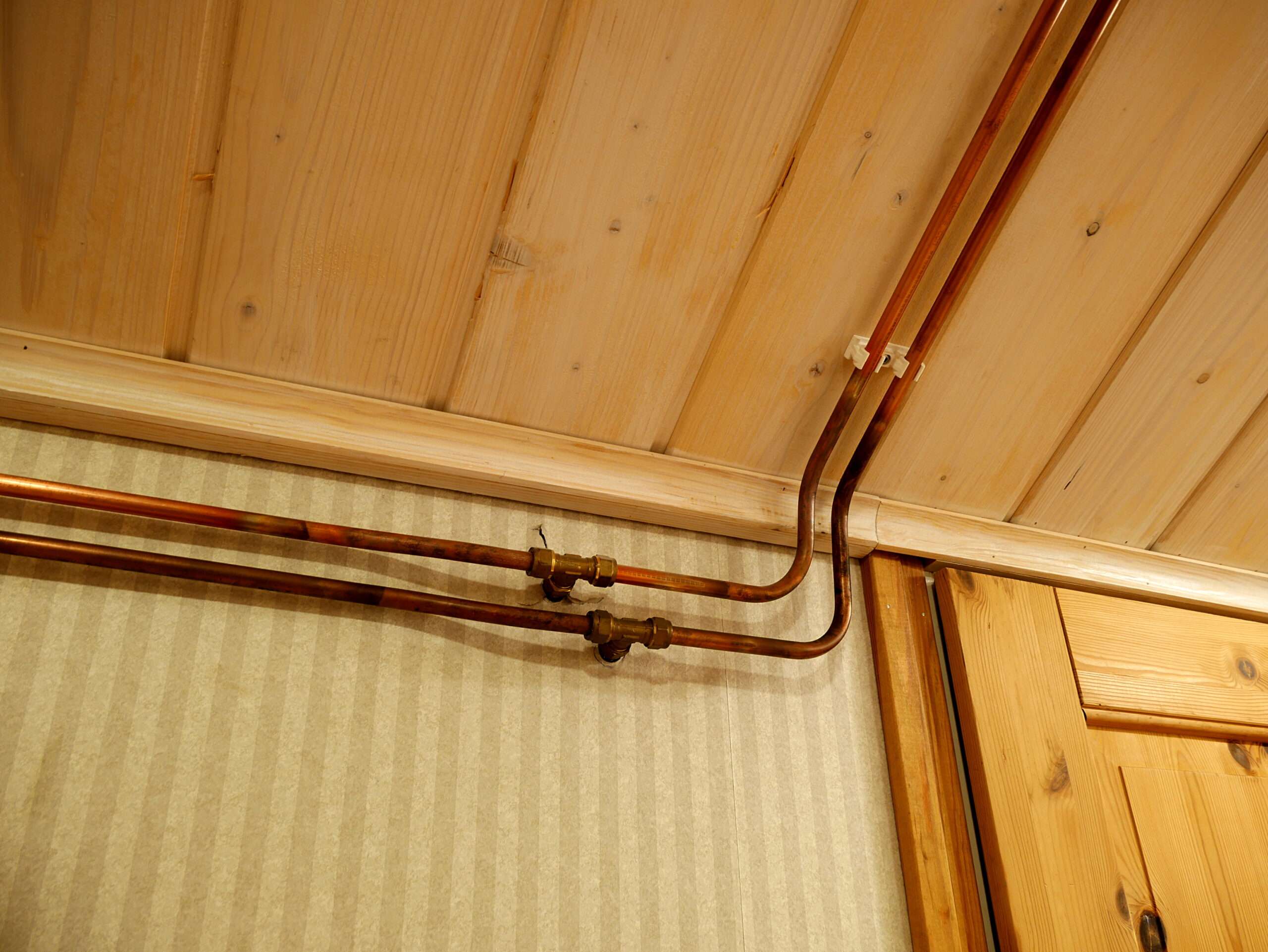
When homebuilding is strong, copper demand can rise through wiring, pipes, and heating systems. When factories expand, they need motors, controls, machines, and power equipment. When more electric vehicles, chargers, transmission lines, solar farms, wind turbines, and data centers are planned, investors look ahead and ask whether copper supply can keep up. The metal becomes a common thread running through both old infrastructure and newer technology.
How Demand Pushes Prices Up
Demand for copper can rise for two reasons: people need more copper right now, or they expect to need more later. The first kind of demand is easier to picture. A surge in construction means more building wire and plumbing. A wave of manufacturing means more electrical equipment. Expanding power grids require cables, transformers, substations, and control systems. Each project pulls copper out of warehouses and into real use.
The second kind of demand is more about expectations. If companies believe that electric grids, vehicle charging, advanced manufacturing, or data centers will grow quickly, buyers may try to secure copper before prices climb further. Investors may also buy copper futures because they expect a tighter market. That can lift prices before the physical shortage is obvious to ordinary people.
This is where copper becomes useful as an economic signal. A rising copper price can suggest that builders, manufacturers, energy companies, and technology firms expect more activity. It can also suggest that the world is trying to electrify more of daily life. The International Energy Agency has warned that announced mining projects may not be enough to meet future copper needs under some energy scenarios, and one 2026 IEA commentary said the copper market could face a large supply deficit by 2035 if current project pipelines do not expand enough. Even if forecasts change, the point is clear: copper sits at the center of long-term planning for electricity and industry.
Why Supply Cannot Respond Quickly
If copper demand rises, why can’t producers simply mine more? The answer is that copper supply is slow, expensive, and geographically uneven. New mines can take many years to explore, permit, finance, build, and connect to roads, power, water, and processing facilities. Existing mines can increase output only so much before they run into limits such as ore grade, equipment capacity, labor availability, weather, water stress, or community concerns.
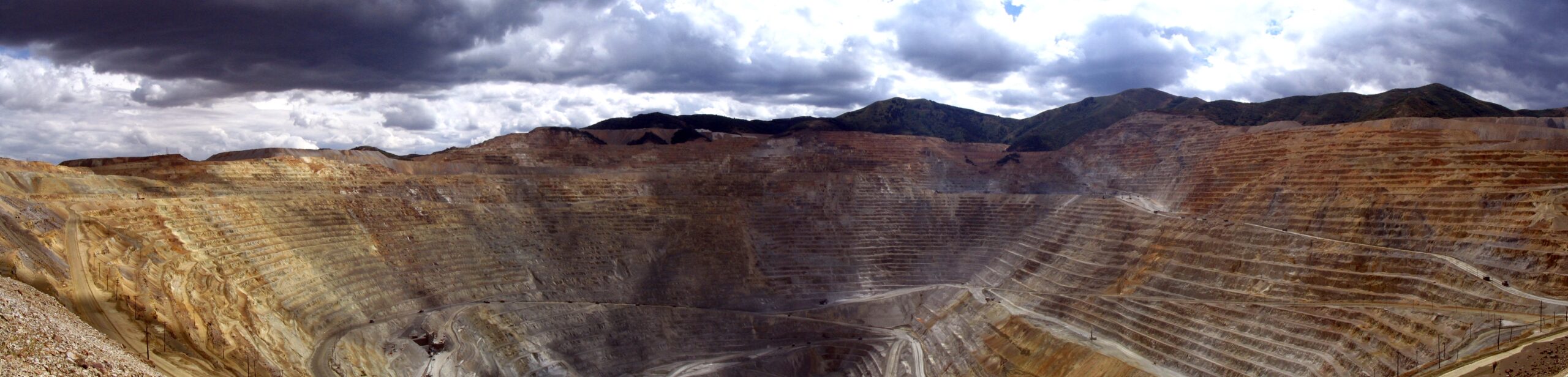
Ore grade is especially important. Copper ore is rock that contains copper minerals, and many mines must move and process large amounts of rock to recover a smaller amount of metal. If the richest ore has already been mined, a company may need more energy, water, equipment, and processing time to produce the same amount of copper. That can raise costs even before a mine expands.
Refining and smelting add another layer. Copper often moves from mine to concentrator to smelter to refinery before it becomes the high-purity metal used in wires and products. Bottlenecks at any stage can tighten supply. So can political risk, trade disputes, transportation problems, or labor strikes in major producing regions. Recycling helps, and copper is valuable enough that scrap recovery is a meaningful part of supply, but recycled copper depends on old products becoming available and being collected, sorted, and processed.
What Copper Prices Can and Cannot Tell Us
The Doctor Copper nickname comes from the idea that copper prices rise when the economy is strong and fall when the economy is weakening. There is some logic to that. Construction, manufacturing, shipping, electronics, and energy investment tend to use more copper when people and businesses are spending. A sudden drop in copper prices can sometimes signal fear that factories will slow down, builders will pull back, or consumers will buy less.
But copper is not a magic forecast. A price increase may come from a mine disruption rather than a booming economy. A price drop may come from a stronger U.S. dollar, a temporary inventory build, or a shift in trader expectations. Copper can also rise during a period when some households feel squeezed, because industrial demand and consumer comfort do not always move together. One metal cannot capture wages, debt, rent, food prices, job security, and regional differences.
That is why copper is best read as one clue among many. Economists, businesses, and investors compare it with manufacturing surveys, construction starts, energy demand, shipping rates, interest rates, and employment data. For learners, this is the important habit: do not treat a single number as the whole story. Ask what changed, who is buying, who is selling, and whether the move is about current use or future expectations.
How Copper Connects to Everyday Costs
Most people do not buy copper by the ton, but they may feel copper prices indirectly. If copper becomes more expensive, builders may face higher material costs for wiring and plumbing. Utilities may pay more for grid equipment. Manufacturers may spend more on motors, appliances, electronics, and vehicles. Those costs do not pass through instantly or evenly, but they can affect budgets, bids, replacement parts, and long-term infrastructure plans.
The connection is easiest to see in projects that use a lot of metal. A new apartment building, factory, substation, or transit system contains far more copper than a single household item. If a city needs to upgrade electrical infrastructure, if a company is building a large data center, or if a utility is connecting new power sources, copper prices become part of the math. Higher prices can delay projects, encourage redesigns, make recycling more attractive, or push companies to lock in supply contracts earlier.
Copper also shows how energy choices become material choices. More electricity use does not happen in the abstract. It requires cables, transformers, motors, generators, chargers, and control systems. A society that wants more electrified transport, cleaner power, resilient grids, and digital infrastructure must also think about mines, recycling, permitting, trade, and material efficiency. The price of copper turns that hidden material demand into a visible number.
The Bigger Lesson Behind the Metal
Copper prices are interesting because they connect the ordinary and the global. A wire inside a wall, a charger in a parking lot, a motor in a factory, and a mine on another continent can all be part of the same market. When the price changes, it reflects many decisions happening at once: a builder ordering materials, a utility planning transmission lines, a manufacturer estimating demand, a miner weighing expansion, and an investor judging future risk.
That makes copper a good example of how markets compress information. A price is not a moral judgment or a perfect prediction. It is a signal produced by scarcity, usefulness, expectations, and uncertainty. Reading that signal carefully helps explain why raw materials matter even in a digital economy. Behind screens, software, and services, physical materials still carry power, heat, and information from one place to another.
The useful question is not whether copper can truly diagnose the economy. It is what copper helps us notice. It reminds us that growth needs materials, that supply chains have limits, and that future plans can influence today’s prices long before a new building, power line, or factory is finished.