 Akshay Dinesh
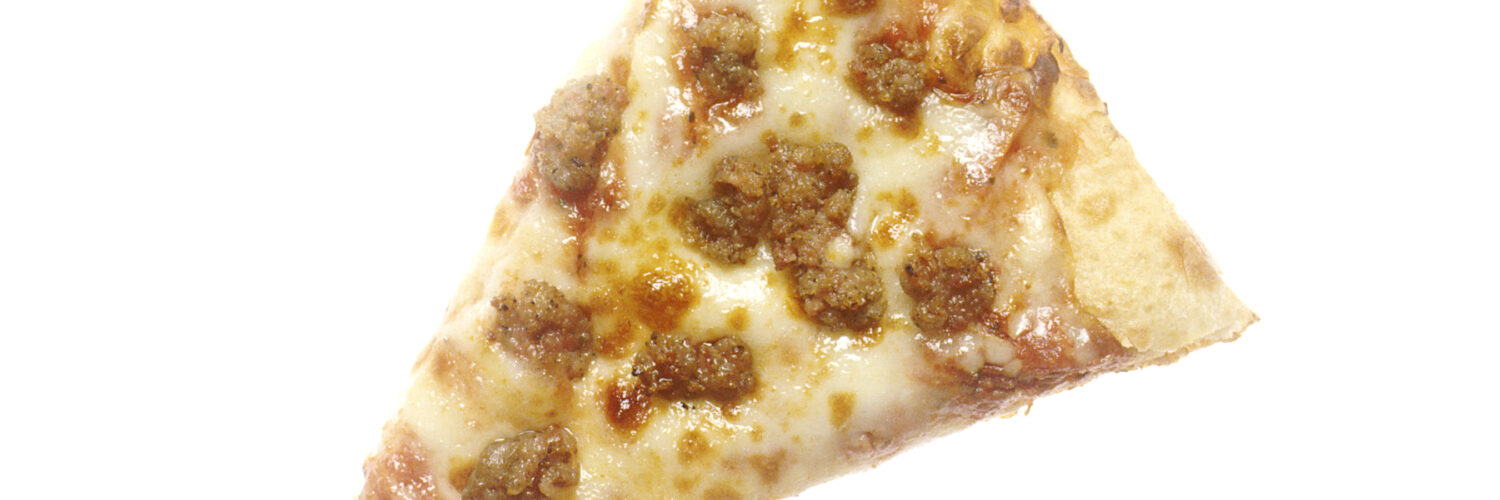
The first slice of pizza after a long afternoon can feel almost perfect. The second slice may still be good. By the fourth or fifth, the same food might feel ordinary, heavy, or even unwanted. Nothing about the pizza has changed very much. What changed is the value of one more slice to the person eating it.
Economists call that added value marginal utility. It is the extra satisfaction, usefulness, or benefit a person gets from one additional unit of something. The idea sounds technical at first, but it describes a familiar part of everyday life: more is often helpful, but each extra unit does not always help equally.
What Marginal Utility Means
In economics, utility means the satisfaction or usefulness someone gets from a good, service, or experience. It does not have to mean happiness in a deep emotional sense. A bottle of water has utility when someone is thirsty. A notebook has utility when a student needs to organize assignments. A bus ride has utility when it gets someone to school or work on time.
Marginal means the next small step. Marginal utility asks a narrow but powerful question: what does one more unit add? One more slice of pizza, one more hour of studying, one more pair of shoes, one more dollar spent on a larger drink, or one more streaming subscription can all be judged this way.
OpenStax economics materials describe consumer choice as a process of comparing satisfaction under limits. People do not have unlimited money, time, attention, or appetite, so they must decide where the next dollar or next hour will do the most good. Marginal utility gives that decision a clearer shape. Instead of asking whether pizza, studying, or entertainment is good in general, it asks whether the next amount is worth what must be given up.
Why Extra Units Often Feel Less Valuable
The most famous pattern connected to marginal utility is diminishing marginal utility. It means that as a person consumes more of the same thing, the added satisfaction from each extra unit often falls. The first cold drink on a hot day may be extremely useful. The second is pleasant. The third may be unnecessary. The fourth might sit unfinished.
This does not mean total satisfaction always falls. Total utility can still rise while marginal utility falls. If the first slice of pizza adds a lot of satisfaction and the second adds a smaller but still positive amount, the meal is still becoming more satisfying overall. The important point is that the extra gain is shrinking.
Food examples are common because appetite makes the pattern easy to feel. The same idea appears far beyond food. The first backpack may solve a real problem for a student. A second backpack may be useful for sports gear or travel. A tenth backpack probably adds little value unless the person has a special reason to own that many. At some point, the next unit competes with storage space, money, and attention.
Diminishing marginal utility is not a moral rule about wanting too much. It is a practical observation about changing context. The usefulness of an extra unit depends on what someone already has, what need remains, and what other choices are available.
How Marginal Utility Shapes Everyday Choices
Marginal utility helps explain why people split their spending across many categories instead of putting everything into the single thing they like most. Someone may love snacks, but after enough snacks, an extra notebook, bus pass, book, or saved dollar may become more valuable than another bag of chips. A balanced basket of choices can produce more total satisfaction than repeating the same purchase over and over.
Stores and restaurants understand this pattern. A small drink may be priced close to a medium, and a medium may be priced close to a large. The business is inviting the customer to think at the margin: for a little more money, would the larger size add enough value? Sometimes the answer is yes. Sometimes the extra amount is wasted because the customer did not actually want that much more.
Subscription services use a similar logic. The first video service a family buys may add many shows they want. The second may fill a different gap. By the fifth or sixth subscription, the next one may add only a few programs while increasing monthly costs and making choices feel scattered. Marginal utility turns a vague feeling of “we have too many” into a sharper question: what does this additional subscription really add?
Students face the same idea with time. The first focused hour before a quiz may clear up major confusion. A second hour may strengthen weaker points. A fifth tired hour late at night may add very little, especially if it steals sleep. The issue is not whether studying matters. It is whether the next hour of study is more useful than rest, review tomorrow, or asking for help.

Why Price Matters at the Margin
Marginal utility becomes especially useful when price enters the picture. People rarely compare satisfaction alone. They compare satisfaction to cost. A second taco might add less satisfaction than the first, but if it is cheap enough, it may still feel worth buying. A concert ticket might bring a lot of utility, but if the price rises too high, the next best use of the money may win.
This is one reason demand curves often slope downward. When the price of something falls, more units can become worth buying because the cost of each additional unit is lower. When the price rises, buyers may still purchase the first units they value most, but they cut back on the extra units that no longer justify the cost.
Marginal utility also helps explain why people make different choices even when facing the same prices. A student who forgot lunch may value a cafeteria sandwich highly. Another student who packed food from home may not. A family with one working laptop may value a second device more than a family that already has several. The item is the same, but the marginal utility is personal because needs and starting points differ.
Economists are careful with the word utility because it is not measured as easily as height or temperature. People reveal some of their preferences through choices, but those choices are shaped by budget, habit, culture, advertising, stress, and available options. Marginal utility is still valuable because it gives a disciplined way to think about tradeoffs without pretending every person values things identically.
When Marginal Utility Can Become Zero or Negative
Sometimes one more unit adds no useful satisfaction at all. A student who already has enough pencils for the year may get almost no extra value from another pack. A family with a full refrigerator may get little benefit from buying perishable food that will spoil before anyone eats it. In these cases, marginal utility can approach zero.
It can even become negative. Too much of a good thing can create discomfort, clutter, waste, or stress. Another slice of pizza after someone is full may make the meal worse. Another notification-heavy app may make a phone less useful. Another hour of cramming may leave a student too exhausted to remember much the next day.
This is why “more” and “better” are not the same word. More can be better when the need is real and the next unit adds value. More can be neutral when the need is already satisfied. More can be harmful when the extra amount creates a problem that did not exist before.
The idea also separates utility from status. Buying more of something may look impressive, but marginal utility asks whether it actually improves the user’s situation. A larger bundle, bigger package, or extra feature is not automatically a better deal. It is a better deal only if the added value is worth the added cost.
Using Marginal Thinking More Wisely
Marginal utility is most useful when it slows down automatic decisions. Before buying the bigger size, adding another commitment, extending a study session, or signing up for another service, the key question is simple: what does one more add?
That question can be paired with a second one: what else could the same money, time, or attention do? A larger meal may cost only a little more, but that money might matter somewhere else. One more club meeting may be interesting, but it may crowd out homework, family time, or rest. One more practice problem may help, but only if it targets a real weakness instead of repeating what is already easy.
Marginal thinking does not make choices cold or mechanical. It makes them more honest. It recognizes that value changes with hunger, fatigue, deadlines, income, goals, and what someone already has. The best choice is not always the biggest choice. Often, it is the next choice that adds the most real value for the cost.
That is the quiet power of marginal utility. It explains why the first unit can feel essential, the next one useful, and the one after that optional. It also gives people a practical habit for school, money, shopping, and time: look at the next step, not just the category. More can be wonderful, but only when one more is still worth it.