
 Akshay Dinesh
A $600 insurance bill can feel like a surprise even when it arrives every year. The trouble is often not that the expense was impossible to predict, but that a monthly budget had no place for it until the month it came due. A sinking fund addresses that timing problem: it is money set aside in advance for a particular future expense. Small contributions turn a large, occasional bill into a cost that can be planned for over time.
Despite its name, a personal sinking fund is not necessarily a special bank account or an investment product. It can be a labeled savings balance, a separate account, or a category in a budget. The useful part is knowing what the money is for and when it will be needed. The method can help with annual fees, school expenses, travel, gifts, or other costs that are foreseeable even if their exact amount is not.
Start with the expense and its due date
Look back through statements, receipts, and calendars for costs that do not appear every month. The Consumer Financial Protection Bureau suggests looking across several months so that expenses such as insurance, school clothes, tuition, and seasonal costs are not missed. A full year of records, when available, can reveal annual renewals that a shorter review might overlook. Write down the expected amount and the next date it must be paid, not just the month it appeared last year.
Some amounts are firm; others need an estimate. A subscription renewal may have a stated price, while replacing worn shoes depends on how quickly they wear out and what is available when the time comes. For an uncertain cost, use a reasonable estimate and revisit it as better information arrives. A small allowance for price changes may help, but it is still an estimate, not a guarantee.
Calculate the amount to set aside
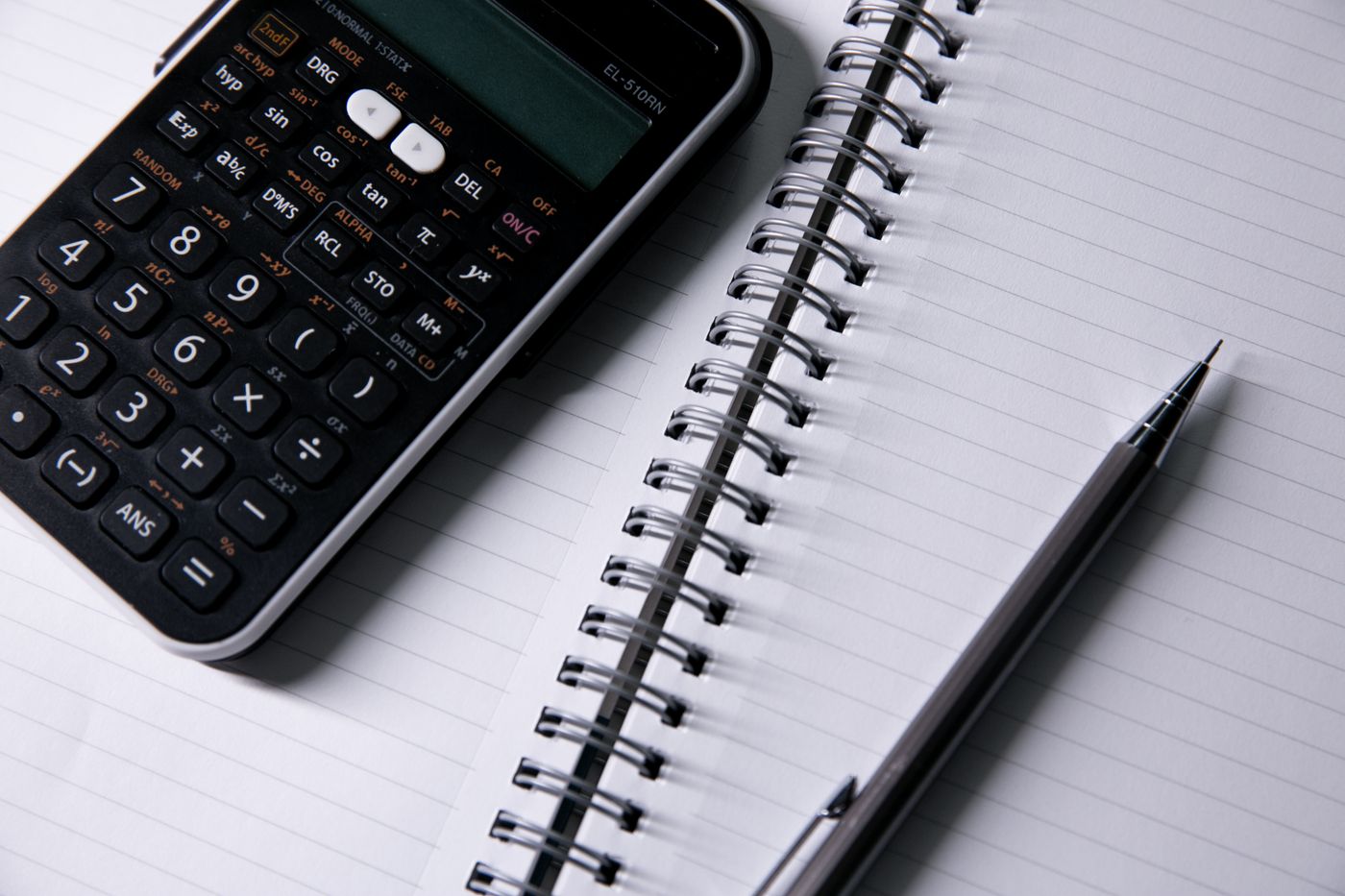
For a single bill, subtract what is already reserved for it from the amount expected, then divide the remainder by the number of contributions you can make before the due date. Suppose a $600 insurance payment is due in six months and $120 is already set aside. The remaining $480 divided by six monthly contributions is $80 per month. This assumes all six deposits can actually be made before the bill is due and ignores any interest earned.
Count contributions, not just calendar labels. If the bill is due on the first of the sixth month and the usual transfer happens afterward, there may be only five opportunities to save. On a biweekly pay schedule, count the paydays before the deadline and divide the remaining target by that number instead. These checks make the calculation reflect the money’s actual arrival, rather than an idealized month.
Once the bill is paid, the next cycle may be easier to spread out. If the next $600 payment is 12 months away and nothing remains in the fund, setting aside $50 each month would reach that amount before the next bill, assuming the price does not change. Review the target when the renewal notice arrives. An increase in the premium changes the amount needed, even if the saving habit stays the same.
Why the annual average is not the whole plan
Adding a year of occasional expenses and dividing by 12 gives a useful monthly average, but it does not prove the money will be available on every due date. Suppose two bills total $1,200 for the year: $900 is due in two months and $300 is due ten months later. Saving $100 a month covers the annual total in theory. Starting from zero, however, only $200 has accumulated after two contributions, leaving $700 still needed for the first bill.
A calendar exposes that gap. List the starting balance, planned deposits, and each withdrawal in date order. After every bill, check whether the running balance stays at or above zero. If it does not, the plan needs a different starting balance, more money before the early deadline, a changed payment arrangement if one is offered, a lower expense, or another workable adjustment. Simply dividing by 12 cannot create time that is no longer available.
Utah State University Extension’s guide to revolving savings makes this timing distinction: an irregular-expense fund may need a larger initial contribution, or larger early contributions, to cover near-term bills while building reserves for later ones. For a person whose available income already falls short of essentials, the calculation can identify the size and timing of the gap, but it cannot solve that shortage on its own. Contacting a biller early to discuss payment options may be more useful than relying on a savings target that does not fit the cash available.
Keep planned expenses distinct from emergencies
A sinking fund and an emergency fund both hold money for the future, but their jobs differ. A known annual registration fee belongs in a planned-expense fund; an unexpected major repair may call for an emergency reserve. The CFPB describes emergency savings as money for unplanned expenses or financial emergencies. In practice the boundary is not always crisp: routine maintenance may be foreseeable, while the cost or timing of a breakdown is uncertain.
Keeping labels separate can prevent the same dollars from being promised twice. One savings account can hold several tracked categories if the account holder keeps a reliable record; separate accounts or account features are another option where available. The balance shown by a bank is the combined amount, not necessarily money free for any purpose. Before spending from one category, check the effect on other bills that the same balance is meant to cover.
Access matters as well as organization. An amount needed soon must be available when the bill comes due, and account fees, withdrawal restrictions, and transfer times can affect whether a particular account is suitable. These details vary by provider. Automatic transfers can be convenient, but schedule them with the checking balance and other bills in mind; the CFPB cautions that an automatic transfer made when funds are insufficient can contribute to overdraft fees.
Adjust the plan as life changes
Saving does not have to begin with a perfect list or a separate fund for every possible purchase. Start with one expense whose date and approximate cost are known, then add others as the process becomes manageable. A student, for example, might plan ahead for a required course fee and a laptop replacement while keeping day-to-day transport and food in the regular budget. If the laptop lasts longer than expected, the target and date can change.
When income varies, contributions may need to vary too. A person might set aside more in stronger months and less when hours are reduced, while watching the dates of upcoming bills. If a target proves unrealistic, revising it is information, not failure: it shows where costs, timing, or available income need another look. Review the balances after paying a bill and whenever a meaningful price or due date changes.
The goal is not to make an irregular expense disappear. It is to make the cost visible early enough to make choices about it. With a target, a date, and a running balance, a bill that once seemed to arrive from nowhere becomes part of a plan that can be checked and adjusted.
Sources: Consumer Financial Protection Bureau, Assess your spending; Consumer Financial Protection Bureau, An essential guide to building an emergency fund; Utah State University Extension, Revolving Savings.






Add comment