
 Akshay Dinesh
A stack of notebooks marked down to a few cents, a deeply discounted gallon of milk, or a printer sold at a surprisingly low price is rarely just a generous moment from a store. In retail economics, that kind of bargain often has a job. It pulls shoppers through the door, gives them a reason to start a cart, and creates a chance for the store to earn money on everything else they buy.
That strategy is called a loss leader. The store prices one item so low that it may earn little profit on it, break even, or even lose money. The bet is that the shopper will not stop with that one item. Once a person is already in the store or on the site, the store has a better chance of selling regular-priced goods, higher-margin add-ons, private-label products, or items the shopper forgot they needed.
Loss leaders are especially visible during back-to-school season, when families are looking for supplies, clothing, backpacks, lunch items, calculators, dorm goods, and electronics at the same time. The National Retail Federation tracks back-to-school and back-to-college shopping every year, and its 2026 season coverage points to early browsing and buying as families begin spreading purchases across the summer. That makes July and August a natural time for retailers to advertise a few unusually cheap products that turn a supply list into a store visit.
The bargain is only the first step
A loss leader works because shoppers usually think in trips, not single products. A parent may come in for cheap folders, but the same trip can also include pens, tissues, snacks, socks, a lunchbox, and maybe a new pair of shoes. The store may lose a few cents on the folders and still come out ahead if the full basket has enough profitable items.
This is why the most effective loss leaders are often familiar products with easy-to-judge prices. Shoppers may not know the normal price of every backpack or scientific calculator, but many can recognize when a notebook, carton of eggs, or box of cereal looks unusually cheap. The item becomes a signal: this store has deals worth checking.
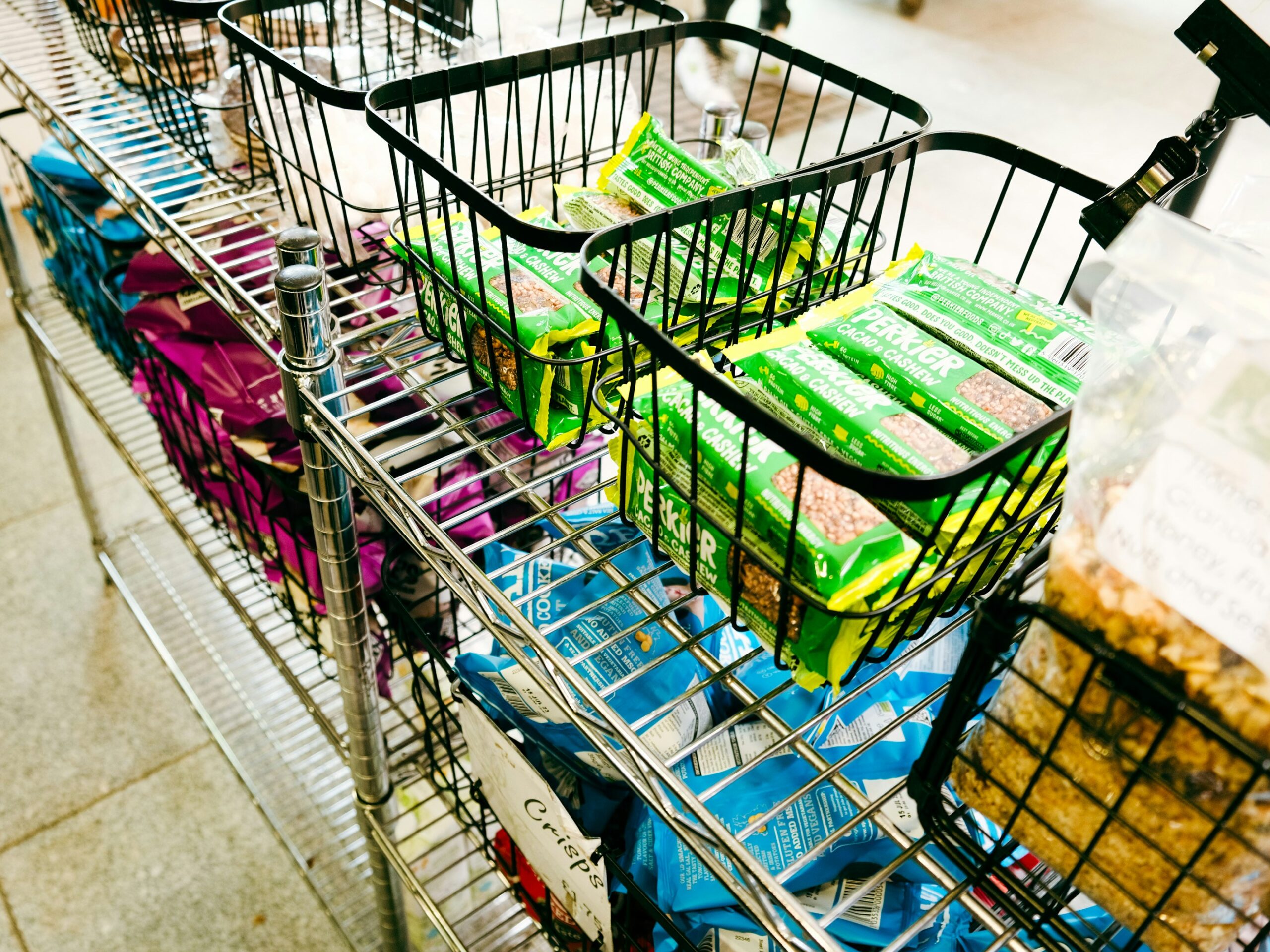
The placement matters, too. Some stores put discounted staples near the back so shoppers pass more aisles along the way. Others put the deal near the entrance because it creates a quick feeling of success. Online stores use the same logic with home-page banners, limited-time offers, and low-price filters that get shoppers to start browsing.
The first bargain lowers resistance. A shopper who was only vaguely planning to buy supplies may decide that today is the day because one price feels too good to miss. Once the trip begins, the economics shift from the price of one item to the value of the whole basket.
How stores recover the lost margin
Stores do not need every product to carry the same profit margin. A supermarket may make little on milk but more on prepared foods, cleaning products, or specialty snacks. An office-supply store may discount folders and pencils while earning more on printer ink, planners, headphones, or desk accessories. A big-box retailer may use school supplies to attract families who also need household basics.
The strategy depends on basket economics: the total profit from everything purchased in one trip. If a store loses 30 cents on a discounted item but gains several dollars from the rest of the basket, the promotion can still make financial sense. That is why a loss leader is not just a low price. It is a low price chosen because it changes what shoppers do next.
Retailers also think about timing. Back-to-school shopping is not one purchase but a series of decisions: what is needed now, what can wait, what is required by a teacher, what has been outgrown, and what looks affordable. A store that captures the first trip may become the default place for the next one. Even when the first sale is not very profitable, the relationship can be.
There is also an inventory side. Stores may accept a small loss on a high-visibility product if it helps move seasonal traffic, clear space, or compete during a week when shoppers are comparing ads closely. A promotion can be less about one product and more about winning attention in a crowded shopping period.
Why shoppers respond so strongly
Loss leaders take advantage of a simple decision habit: people often use one clear price as a clue about the store as a whole. If the advertised crayons or binders are cheap, it is tempting to assume the rest of the trip will be a bargain too. Sometimes that is true. Sometimes it is only partly true.
Economists and retailers pay close attention to unplanned purchases because they are where many promotions earn their keep. The American Economic Association has summarized research by economist Justin P. Johnson showing that loss leading can be more complicated than a simple story of big stores preying on small ones. In some settings, the low-price product draws people to a place where they buy other goods they genuinely need. The store benefits, but shoppers may also benefit if the broader trip gives them lower prices or better selection.
Still, the shopper’s memory can be selective. A person may remember saving three dollars on a promoted item but forget paying more for several ordinary items added later. That is not irrational; it is how attention works. The biggest-looking deal gets noticed, while the smaller price differences spread across the basket are easier to miss.
This is why loss leaders are often paired with urgency. A sign might say the price lasts only through Saturday, while supplies last, or only for loyalty members. Urgency narrows the shopper’s focus. Instead of asking whether the whole trip is cheaper, the shopper asks whether they might regret missing that one deal.
When low prices become more complicated
Most low prices are good for shoppers. A store competing hard on price can lower costs for families, especially during expensive seasons. But below-cost pricing can raise concerns when it is used to damage competition rather than attract normal shopping. The Federal Trade Commission explains that low prices usually benefit consumers, but pricing below cost can become a competition issue if a dominant firm uses losses to push rivals out and later raises prices for a long time.
That kind of predatory pricing is difficult to prove because the business would have to absorb short-term losses and have a realistic path to recoup them later. In many retail markets, there are enough sellers and enough substitutes that one store cannot easily gain that kind of power. A back-to-school notebook sale is usually just promotion, not monopoly strategy.
The harder everyday issue is not legality; it is whether the deal actually helps the shopper. A family might save money if the loss leader is part of a planned list and the rest of the basket stays disciplined. The same family might spend more if the discount turns into an unplanned trip with extra items, duplicate supplies, or upgrades that were not needed.
Small businesses face a different pressure. A large chain may be able to lose money on a headline item because it has more products, more locations, more supplier leverage, and deeper advertising budgets. A smaller store may not be able to match that price without damaging its finances. That does not make every loss leader unfair, but it does show why the practice remains controversial.
How to tell whether the deal is really helping
The simplest test is to compare the promoted item with the full basket. A deeply discounted backpack does not matter much if the notebooks, markers, shoes, and lunch supplies cost more than they would elsewhere. The useful question is not “Is this one item cheap?” but “Will this trip be cheaper after everything I actually need is included?”
A short list helps because it changes the game. The store wants the low-price item to start a larger basket; the shopper wants the low-price item to reduce the cost of a planned basket. Those goals can overlap, but they are not the same. A list gives the shopper a way to accept the discount without letting the discount rewrite the trip.
Unit pricing also matters. A sale pack may look cheap but contain fewer sheets, fewer ounces, or lower durability than the regular option. A low sticker price is not always a low useful price. Comparing cost per item, cost per ounce, or expected life can reveal whether the bargain is real.
Online shopping adds another layer. A low advertised product can be offset by shipping fees, minimum-order thresholds, delivery subscriptions, or bundles that add items to reach free shipping. The loss leader may still be worthwhile, but only if the final checkout total makes sense.
The real lesson behind the sale sign
Loss leaders show that prices are not just numbers. They are signals, invitations, and sometimes carefully placed nudges. A store chooses one price to change a shopper’s route, timing, attention, and basket. The shopper sees a bargain; the retailer sees the start of a larger decision.
That does not mean shoppers should avoid loss leaders. Used well, they can lower the cost of things people already planned to buy. They can make a school supply run easier, stretch a grocery budget, or help a household time a purchase around a genuine discount.
The key is to keep the frame wide enough. A loss leader is only a win for the shopper if the full trip still serves the shopper’s own plan. The best bargain is not the loudest sale sign. It is the one that fits the list, beats the real alternative, and still looks like a good decision when the receipt is finished.




Add comment