
 Akshay Dinesh
A tariff can sound like a distant trade rule, something decided at a border checkpoint or in a government office far from everyday shopping. In practice, it can begin changing prices long before a product reaches a shelf. A backpack, phone charger, pair of shoes, washing machine part, or bag of coffee may pass through farms, factories, ports, warehouses, wholesalers, and stores before anyone buys it. When a tax is added at the import stage, every business in that chain has to decide how much of the extra cost to absorb and how much to pass along.
That is why tariffs are useful to understand even for people who never study international trade. They show how a policy aimed at imports can affect households, companies, workers, and prices in complicated ways. A tariff may protect some domestic producers from foreign competition, but it can also raise costs for businesses that rely on imported materials. The final effect depends on the product, the size of the tariff, how easily buyers can switch to alternatives, and how much room companies have in their profit margins.
What a Tariff Actually Does
The World Trade Organization describes tariffs as customs duties on imported merchandise. In simpler terms, a tariff is a tax charged when goods cross a national border. If a retailer imports a $100 product and the tariff rate is 10 percent, the importer may owe $10 to the government before the product moves deeper into the market. The foreign producer does not usually write the check directly. The importer does, although the economic burden can spread.
That difference between who pays the bill and who bears the cost is one of the most important ideas in economics. The importer may pay the customs duty first, but the importer can respond by raising wholesale prices, asking the foreign supplier for a discount, accepting lower profit, changing suppliers, or reducing orders. A store that buys from the importer then faces a similar decision. It can raise the shelf price, cut its own margin, promote a cheaper substitute, or stop carrying the item.
Tariffs are often used for several reasons at once. A government may want revenue, bargaining power in trade negotiations, or protection for domestic industries. The policy can make imported goods less attractive compared with locally made goods, which is why domestic producers may support it. But a tariff does not only affect finished products. It can also apply to imported steel, lumber, machinery, electronic components, fabric, chemicals, packaging, and other inputs that domestic companies use to make their own goods.
How the Cost Moves Through the Supply Chain
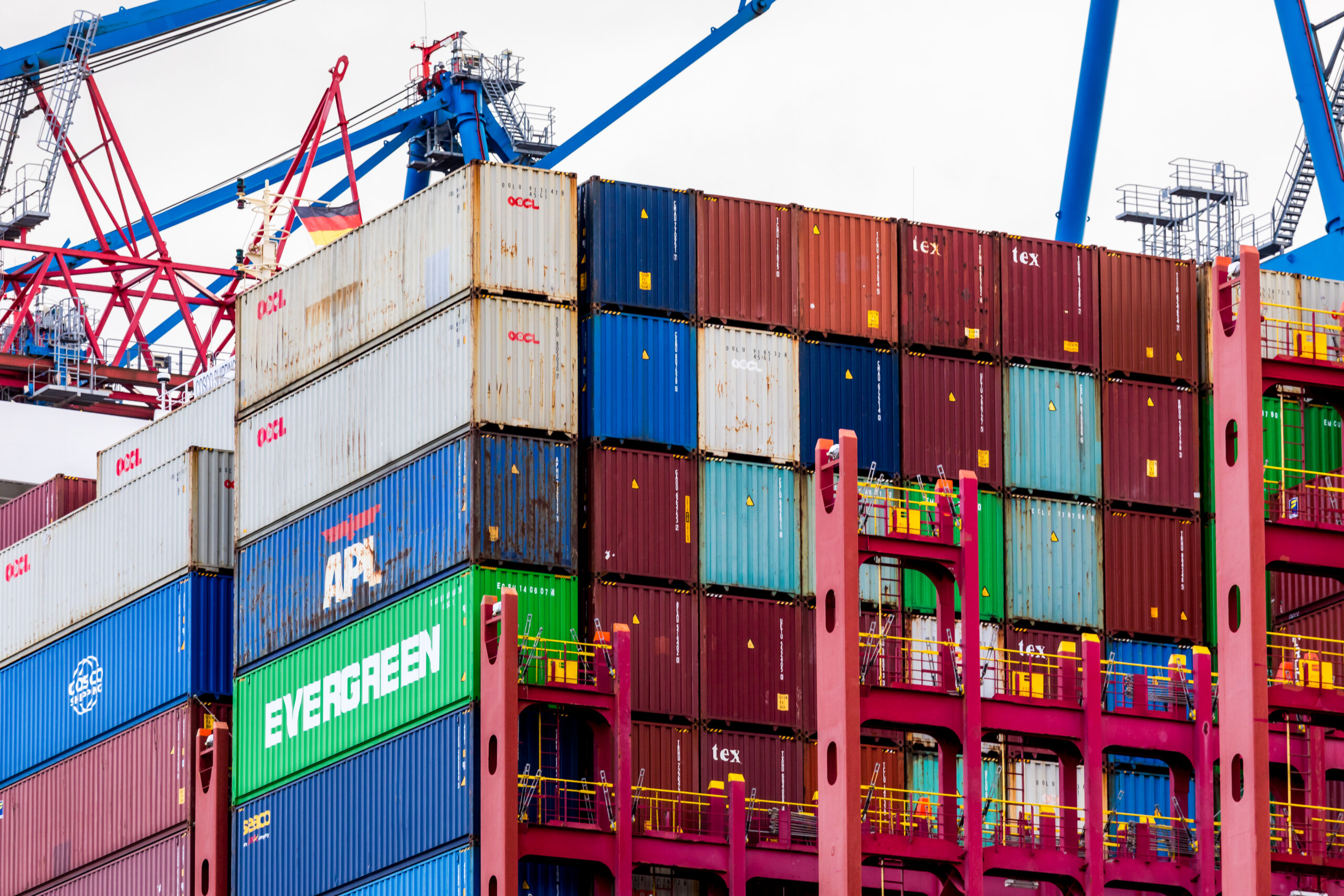
Imagine a company that sells kitchen appliances. Some parts are made domestically, but motors, circuit boards, or metal components may come from another country. If tariffs raise the cost of those imported parts, the appliance maker has a few choices. It can raise the appliance price, redesign the product with different parts, negotiate with suppliers, shift production, or accept lower profit for a while. None of these choices is instant or cost-free.
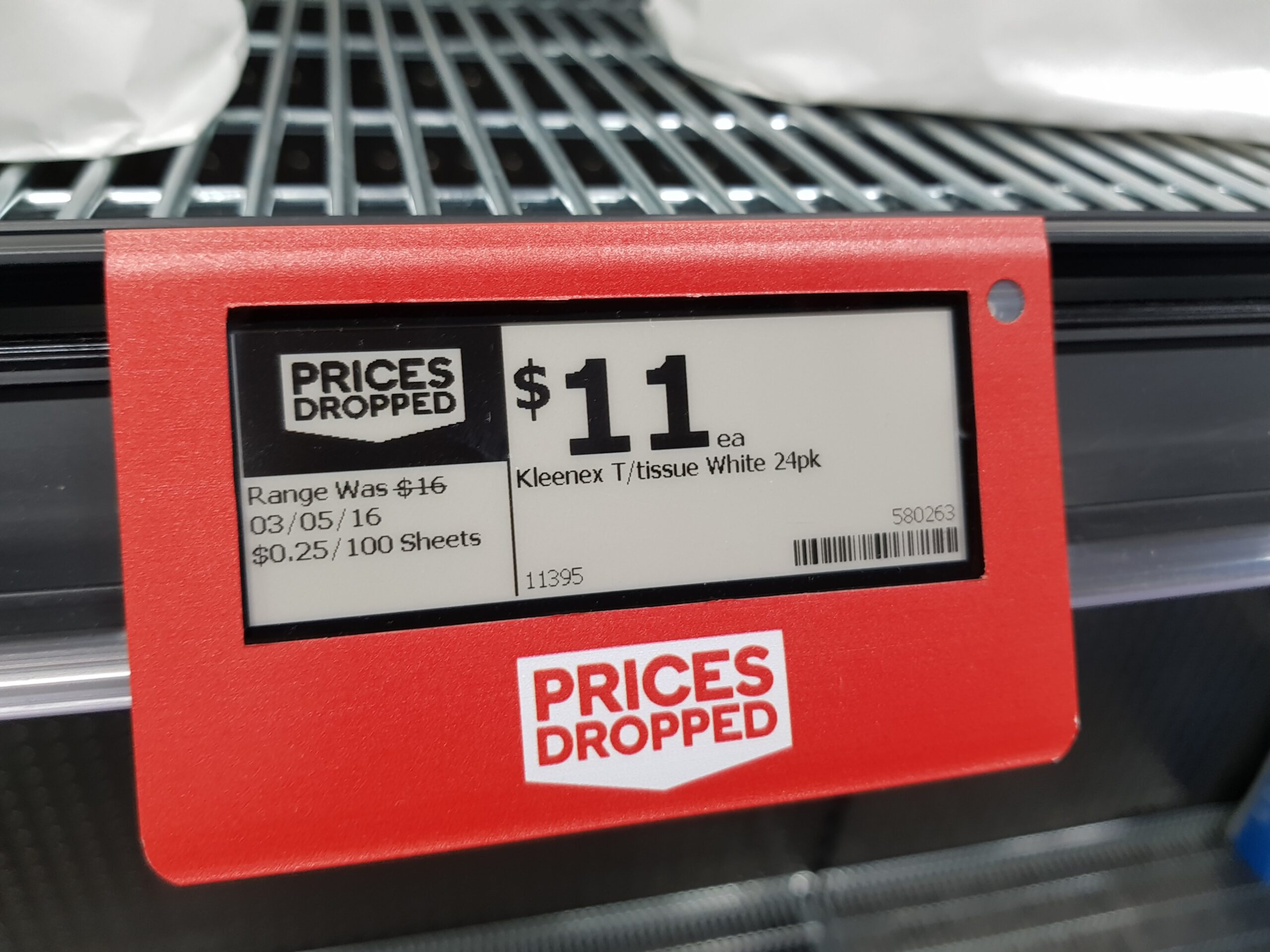
The path from tariff to shelf price is called pass-through. Full pass-through means the added cost eventually shows up in prices paid by customers. Partial pass-through means businesses absorb some of the cost themselves. Pass-through can be slow because companies may already have inventory purchased at old prices, contracts signed months earlier, or a reason to avoid sudden price increases. A store might wait until the next seasonal reset before changing tags, or it might raise prices only on products where shoppers are less likely to switch.
Federal Reserve research on recent U.S. tariff changes has focused closely on this question because price effects are not always visible right away. One 2026 Federal Reserve note estimated that tariffs implemented through late 2025 had raised core goods prices by early 2026 and that much of the first-round pass-through had already occurred. New York Fed researchers also found that a large share of the economic burden from 2025 tariffs fell on U.S. firms and consumers rather than being fully absorbed abroad. These findings do not mean every tariff always works the same way, but they show why economists look beyond the legal taxpayer and study who actually carries the cost.
Why Some Prices Rise More Than Others
Tariffs do not raise every price equally. A product with few substitutes gives sellers more room to pass costs along. If families need a certain medication device, replacement part, or school supply, demand may not fall much when the price rises. The seller has more pricing power. If a product has many close substitutes, such as basic clothing, simple household goods, or snack brands, a store may hesitate to raise prices because customers can switch quickly.
The share of imported content also matters. A product assembled domestically may still depend on imported parts. A tariff on one key component can raise production costs even if the final label says the product was made locally. On the other hand, a product with mostly domestic inputs may be less directly exposed. This is one reason tariffs can have uneven effects across industries. A furniture maker, car manufacturer, electronics seller, and grocery importer may all experience the policy differently.
Company size matters too. Large retailers may have more leverage with suppliers, more inventory, and more flexibility to shift sourcing. Smaller businesses may have fewer alternatives and less cash cushion. If a small shop imports specialty goods and suddenly pays higher duties, it may have little choice but to raise prices. A larger chain might spread the cost across many products or delay increases to protect market share.
The Tradeoffs Behind Tariffs
The strongest argument for tariffs is that they can help domestic producers compete against cheaper imports. If a country wants to preserve a strategic industry, protect jobs in a specific sector, or respond to unfair trade practices, tariffs may seem like a direct tool. A tariff can give local firms time to adjust, invest, or survive competition from producers operating under different labor, environmental, currency, or subsidy conditions.
The challenge is that protection for one group can become a cost for another. Consumers may pay more. Businesses that use imported inputs may become less competitive. Other countries may retaliate with tariffs of their own, making it harder for exporters to sell abroad. A policy that helps one factory can hurt another company that depends on international customers or imported parts. That is why trade policy often creates disagreement even among people who share the same broad economic goals.
Tariffs can also create hidden costs that are harder to see than a price tag. Companies may spend more time on customs rules, paperwork, supplier changes, and legal compliance. Some businesses may stockpile inventory before tariffs begin, which can temporarily strain storage space and cash flow. Others may reroute supply chains in ways that reduce efficiency. Those adjustments may be rational, but they still use resources that could have gone toward hiring, research, training, or lower prices.
How to Read Tariff News Without Getting Misled
Tariff headlines often sound simple: one country taxes another country’s goods. The real story is more layered. A useful first question is what product is affected. A tariff on a finished toy has a different path than a tariff on aluminum used by thousands of manufacturers. The next question is the rate. A small duty may be manageable, while a large tariff can force faster changes in prices, sourcing, or production.
It also helps to ask whether there are exemptions, delays, or special trade agreements. A headline tariff rate can be higher than the duty actually paid if many imports qualify for exemptions or if companies change what they buy. Economists often compare statutory tariff rates with effective tariff rates because the legal rate does not always show the real burden across the economy. The Budget Lab at Yale, the Federal Reserve, and other research groups often separate these measures when analyzing recent tariff effects.
The final question is who has the least flexibility. If foreign suppliers need access to a market, they may lower prices to keep customers. If importers have strong margins, they may absorb the cost for a while. If retailers face intense competition, they may delay price increases. But if every part of the chain is already under pressure, the cost is more likely to reach shoppers. Tariffs become easiest to understand when they are seen not as a single border tax, but as a pressure that travels through a network of decisions.
Why Tariffs Matter Beyond the Store Shelf
Tariffs affect more than the price of imported goods. They shape decisions about where companies produce, what materials they use, which countries they trade with, and how much risk they are willing to take. A stable tariff system lets businesses plan. A rapidly changing one can make planning harder, especially for industries with long production timelines. A factory cannot always move suppliers in a few weeks, and a retailer cannot instantly replace a product line without cost.
For learners, the bigger lesson is that prices are not random numbers printed on tags. They carry information about taxes, transport, labor, materials, competition, risk, and policy. A tariff adds one more force to that system. Sometimes it is used to protect an industry or pressure another country. Sometimes it raises revenue. Sometimes it raises costs in places policymakers did not fully intend.
The clearest way to think about tariffs is to follow the product. Start at the border, then move through the importer, manufacturer, distributor, store, and shopper. At each step, someone decides whether to absorb a cost, shift it, avoid it, or change behavior because of it. By the time a price changes on a shelf, the visible number may reflect a long chain of quiet economic choices.




Add comment