
 Akshay Dinesh
An exchange rate looks like a simple number: one dollar equals so many euros, yen, pesos, pounds, or rupees. Behind that number is a price that connects millions of everyday choices. It affects how much a family pays for imported fruit, how far a travel budget goes abroad, how competitive a manufacturer looks to foreign buyers, and why a product can become more expensive even when nothing about the product itself has changed.
The easiest mistake is to treat exchange rates as distant financial-market trivia. In reality, currencies sit quietly inside trade, tourism, inflation, school trips, online shopping, and business decisions. A stronger currency can make some foreign goods cheaper for domestic buyers, while a weaker currency can help exporters sell abroad. The effect is real, but it is rarely instant or perfectly neat, because businesses also face contracts, shipping costs, wages, tariffs, competition, and customer expectations.
What an Exchange Rate Actually Measures
An exchange rate tells you how much one currency is worth in terms of another. If the exchange rate is 1 U.S. dollar for 150 Japanese yen, a buyer with dollars can exchange one dollar for about 150 yen before fees and spreads. If the rate later moves to 160 yen per dollar, the dollar has strengthened against the yen. If it moves to 140 yen per dollar, the dollar has weakened against the yen.
The language can be slippery because every exchange rate has two sides. A stronger dollar against the euro means the dollar buys more euros, but it also means the euro buys fewer dollars. People often say a currency rises or falls as if it moves by itself, but currencies are always being compared with something else. The dollar can strengthen against one currency while weakening against another.
Exchange rates move because people, companies, banks, investors, and governments are constantly buying and selling currencies. Demand for a currency can rise when investors want assets in that country, when interest rates look attractive, when exports must be paid for, or when a country seems relatively stable. Demand can fall when inflation is high, confidence weakens, trade patterns change, or investors see better opportunities elsewhere. No single cause explains every movement, but the basic idea is familiar: when more buyers want a currency, its price tends to rise.
Why a Strong Currency Can Make Imports Cheaper
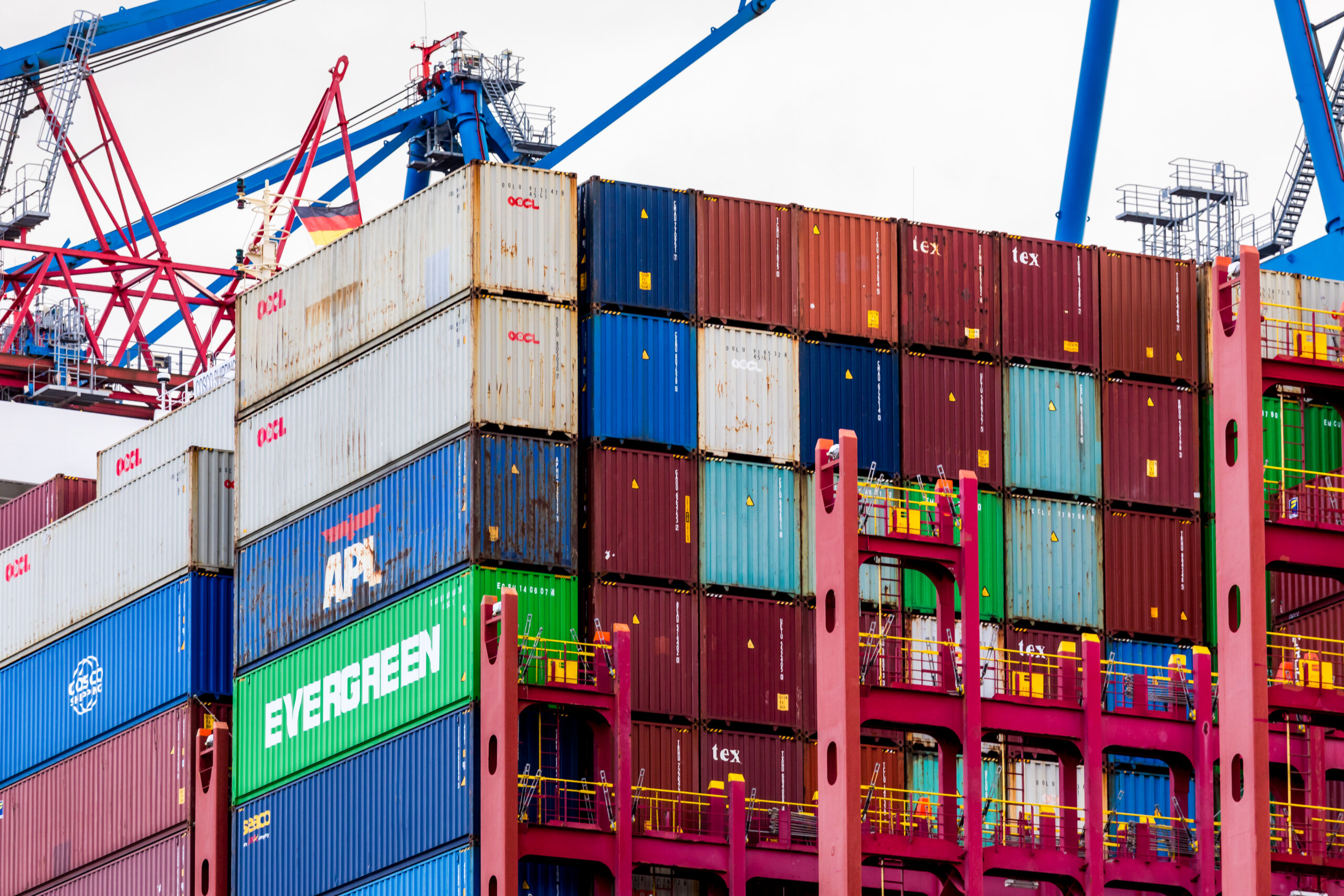
Suppose a U.S. store buys a backpack from a supplier in another country. If the backpack is priced in the supplier’s currency, the U.S. buyer must convert dollars before paying. When the dollar strengthens, each dollar buys more of the foreign currency, so the backpack costs fewer dollars than before. That can make imported goods cheaper for wholesalers, retailers, or consumers.
This is one reason a strong currency can help hold down prices on imported goods. It can reduce the local-currency cost of foreign-made electronics, clothing, machinery, food, or raw materials. The Bureau of Labor Statistics tracks import and export price indexes partly because trade prices can shape inflation before goods even reach store shelves. When import costs move, the effects may travel through wholesalers, transportation firms, retailers, and finally shoppers.
But the pass-through from exchange rates to consumer prices is usually incomplete. Federal Reserve economists use the term exchange rate pass-through to describe how much of a currency change shows up in import prices and then in retail prices. A 10 percent currency move does not automatically mean a 10 percent change at the store. Businesses may absorb part of the change to protect market share, keep prices stable, honor contracts, or avoid confusing customers with constant price changes.
Many imports are also priced in dollars even when they come from abroad. That matters because the invoice itself may not immediately change when an exchange rate moves. A foreign exporter that sells to U.S. buyers in dollars may choose whether to adjust prices later. A retailer may also have inventory purchased months earlier at an older exchange rate. By the time the product reaches a shelf, the original currency move may be mixed with fuel prices, freight rates, wages, tariffs, discounts, and local competition.
Why a Weak Currency Can Help Exporters
A weaker currency can feel like bad news because it makes foreign goods and overseas travel more expensive. For exporters, though, it can create an advantage. If a country’s currency weakens, foreign buyers may find that country’s goods cheaper in their own currencies. A machine, food product, software subscription, hotel room, or college tuition bill can look more affordable to people paying from abroad.
Imagine a U.S. company selling equipment overseas. If the dollar weakens against the euro, a European buyer may need fewer euros to buy the same dollar-priced equipment. That can make the U.S. product more competitive compared with similar products from other countries. Exporters may use the advantage to lower foreign prices, increase sales, or keep prices steady and earn more in their home currency.
The same logic affects tourism. A weaker local currency can attract visitors because hotels, meals, transportation, and museum tickets become cheaper for travelers holding stronger currencies. A stronger local currency can do the opposite: it may make the country feel expensive to visitors, even if local prices have not changed much. This is why exchange rates often show up in travel planning long before students hear about them in an economics class.
Why Prices Do Not Change Immediately
Exchange rates move every trading day, but most store prices do not. That delay is not a mystery. Businesses prefer stable prices when they can manage them. A grocery store does not want to reprint labels every time a currency market moves, and a company selling laptops may have already promised prices to distributors. Contracts can lock in prices for weeks or months.
Companies can also protect themselves from exchange-rate swings through hedging. Hedging means using financial contracts to reduce the risk that a sudden currency move will damage a sale or purchase. An airline buying fuel, a manufacturer importing parts, or a university receiving international payments may try to plan around future currency changes. Hedging does not make risk disappear, but it can smooth the effect over time.
Competition matters too. If one retailer raises prices quickly after its import costs rise, customers may switch to another retailer that still has cheaper inventory. If one exporter lowers prices after its currency weakens, competitors may respond. Each business has to decide how much of the currency movement to pass along, how much margin to sacrifice, and how sensitive customers are to price changes.
That is why exchange rates often work like pressure rather than a switch. A weaker currency can push import prices upward, but the pressure may build gradually. A stronger currency can lower some costs, but shoppers may not see the full benefit if retailers hold prices steady, if other costs rise, or if the products were already bought before the currency changed.
How Exchange Rates Connect to Inflation
Inflation measures broad price changes, not just the price of imported goods. Exchange rates are only one part of that picture. Housing, wages, energy, services, taxes, supply shortages, and demand all matter. Still, currencies can feed into inflation when a country buys many imported goods or relies heavily on imported fuel, food, equipment, or parts.
If a currency weakens, imported inputs can become more expensive. A bakery that imports chocolate, a phone maker that imports components, or a farm that imports fertilizer may face higher costs. Some of those higher costs may eventually reach consumers. If many firms face similar cost increases at once, the exchange-rate effect can become part of a broader inflation story.
The opposite can also happen. A stronger currency can make imported goods cheaper, which may reduce inflation pressure in some categories. Yet this benefit is uneven. Services such as haircuts, tutoring, rent, and local repairs are less directly affected by exchange rates because they depend more on local labor and local costs. Imported goods may respond more than local services, but even goods are shaped by many forces at the same time.

A Practical Way to Read Currency News
Currency headlines often sound dramatic because they compress a complicated system into one movement: the dollar rose, the yen fell, the pound slipped, the euro strengthened. A better question is what the movement changes for real decisions. Does it affect imports, exports, travel, debt, fuel, food, or investment? Does it matter for one product, one industry, or the whole economy?
It also helps to separate short-term market moves from longer patterns. A one-day currency swing may matter to traders, but a business deciding where to source parts cares about months and years. A family planning an overseas trip may care about the rate during the weeks when flights, hotels, and spending money are booked. A government watching inflation may care about whether exchange-rate changes are large enough and long-lasting enough to affect import prices.
Exchange rates are not good or bad by themselves. A strong currency helps some people and hurts others. A weak currency does the same. Importers, travelers, exporters, manufacturers, students abroad, and shoppers can all feel different effects from the same currency movement. That is what makes exchange rates such a useful economics topic: they show how one price can connect distant decisions across borders.
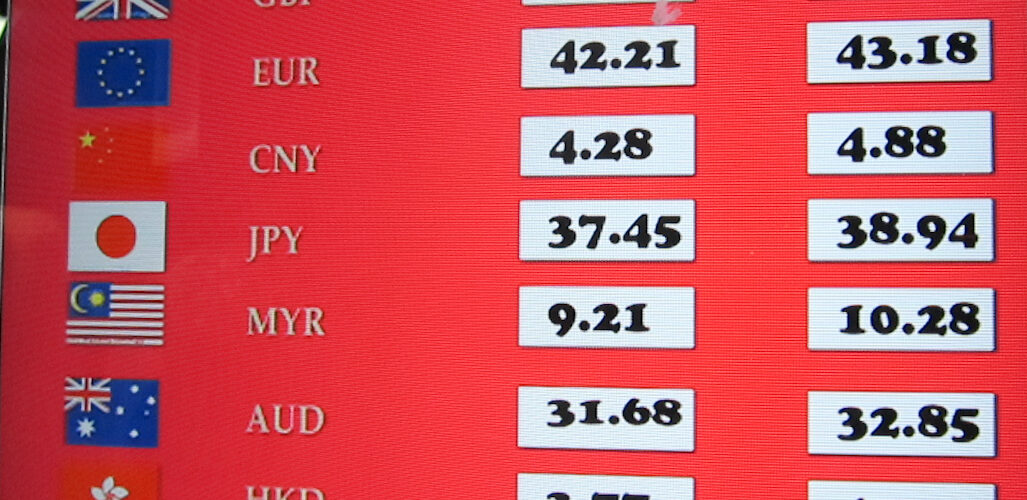
The key is to follow the chain. A currency changes value. That changes the local cost of buying foreign goods or selling to foreign buyers. Businesses decide how much of that change to absorb or pass along. Consumers may eventually see the result in prices, travel budgets, or product choices. The number on an exchange-rate board is only the beginning; the real lesson is how that number travels through the economy.




Add comment