

 Akshay Dinesh
You buy $40 of gas, but your banking app briefly shows a $100 pending transaction. That larger number can be an authorization hold: a temporary amount reserved while a card purchase is being completed. It is not necessarily the final price, but it can reduce the money or credit available to you in the meantime.
Holds are common when the final bill is not yet known, such as at a fuel pump or a hotel check-in. The amount and release time depend on the merchant, card network, and card issuer. Knowing the difference between a hold and a completed charge makes an unfamiliar balance easier to understand without dismissing a genuinely suspicious transaction.
What happens between authorization and the final charge?
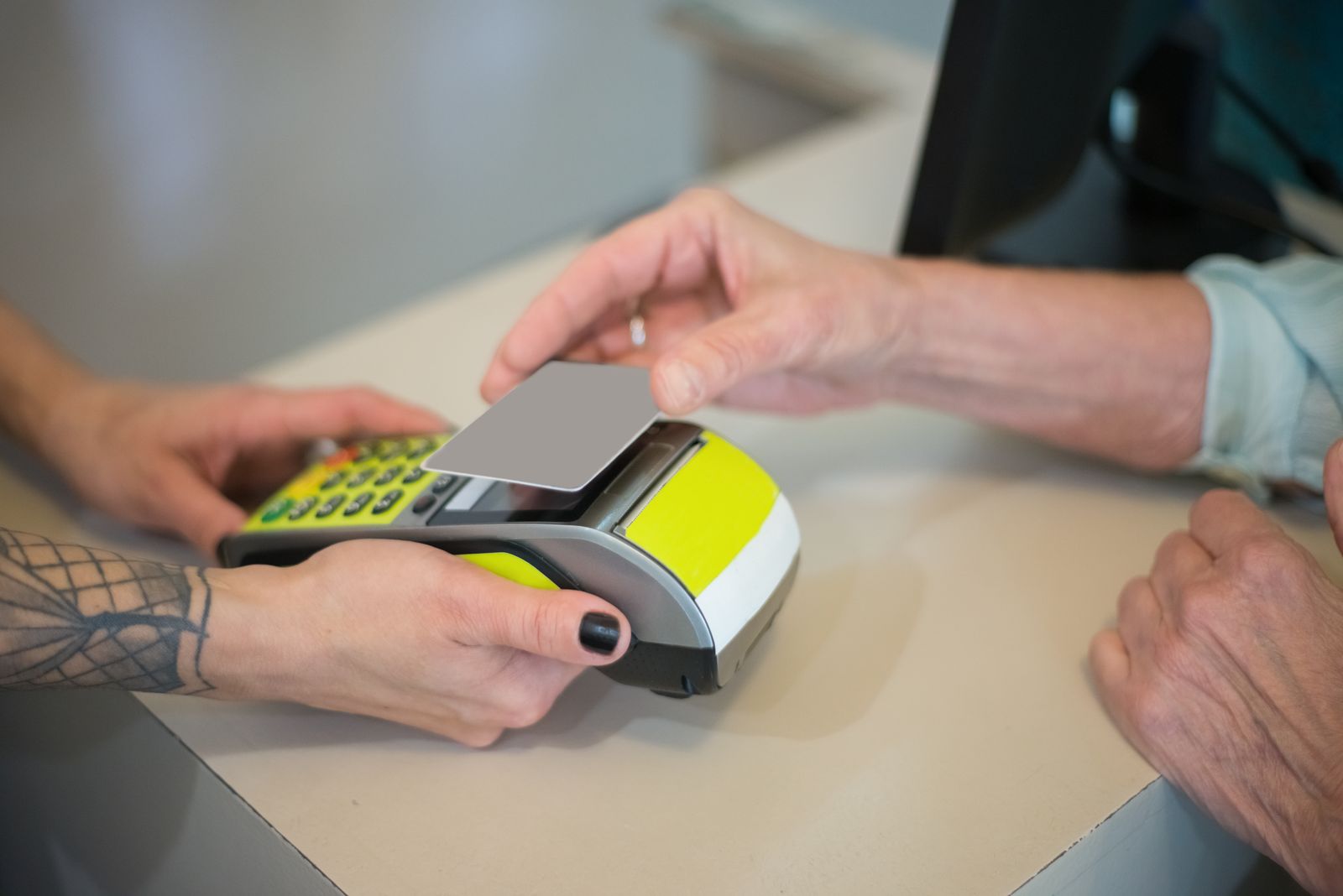
When you use a card, the merchant generally requests authorization from the card issuer. The issuer checks the account and may approve an amount before the purchase is finished. The transaction can then appear as pending while the merchant sends the final amount for processing and the issuer posts it to the account.
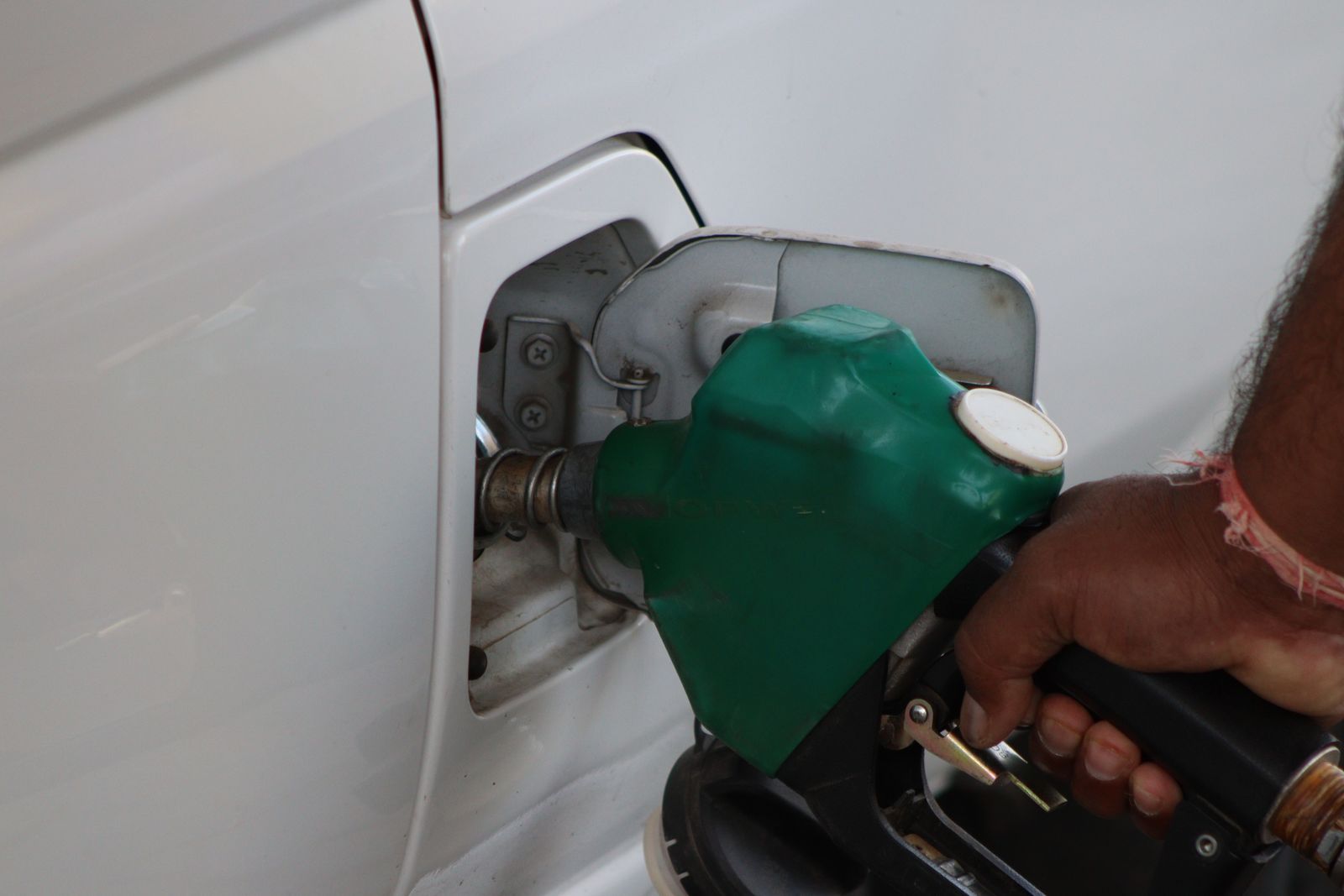
At a pump, the station does not know how much fuel you will buy when you first present your card. An estimated authorization gives the transaction room to proceed. Visa explains that an issuer may hold funds in anticipation of the final amount; the alert or pending amount can therefore differ from the eventual fuel purchase.
Consider a checking account with $250 available before a purchase. A hypothetical $100 hold may bring the available balance to $150, even if the driver ultimately buys only $40 of fuel. Once the final transaction is processed and the hold is released, the account would reflect the $40 purchase rather than a $100 purchase, assuming no other activity or fees. The exact way the app displays these steps varies by bank.
Why hotels and other businesses use holds
A hotel may authorize an estimated amount for the stay and possible incidental expenses before the final bill is settled. A rental car company may use a similar estimate while the vehicle is out. Restaurants can also authorize a card before a tip is added. In each case, the pending figure is an estimate or reservation, not a reliable substitute for the final receipt.
Holds and final charges do not always disappear or appear at exactly the same moment in an app. A pending entry alongside a posted transaction can look like a duplicate, but the entries alone do not establish that you paid twice. Compare the dates, merchant, amounts, and statuses, then ask the issuer if the hold does not clear or the posted amount is wrong. Keep the receipt or final bill so there is something concrete to compare.
Debit and credit cards: the practical difference
With a debit card, a hold can reduce the available balance in the linked account. Money may still appear in a ledger or current balance while being unavailable for another payment. With a credit card, a hold generally reduces available credit instead. Neither display means every bank calculates balances or processes other transactions in the same way.
That distinction matters when several payments are close together. A traveler with $250 available who encounters a $100 hold has less room for groceries, transport, or an automatic payment until the hold changes. Before a hotel stay or rental, ask what amount may be authorized and how long release usually takes. Check the issuer’s account terms and leave a cushion where possible; paying with a different card at checkout does not necessarily make an earlier authorization vanish immediately.
How long can a hold last?
There is no single timetable that applies to every card and purchase. Processing method, merchant category, network rules, cancellations, weekends, and issuer practices can all affect what you see. Visa notes, for example, that certain transactions on its government payment cards can create holds larger than the purchase and that release can take time. That example should not be treated as a universal deadline for all cards.
If a hold remains after the merchant has completed or canceled a transaction, contact the card issuer using the number on the card or in its official app. Ask whether the entry is still an authorization, when it is expected to expire, and whether the merchant needs to send a reversal. The merchant can explain its final bill or cancellation, while the issuer can explain what is restricting the account. Record whom you contacted and keep relevant receipts or cancellation confirmations.
When a pending transaction needs attention
A recognizable purchase with a different pending amount may be an ordinary hold. An unfamiliar merchant, a transaction you did not authorize, or a final posted amount that does not match the agreed purchase deserves a closer look. Merchant names can differ from storefront names, but an explanation should be verified, not assumed.
Contact your bank or card issuer promptly if you suspect an unauthorized transaction, even if it is still pending. The Consumer Financial Protection Bureau advises reporting suspicious debits or charges immediately; protections and reporting deadlines differ by card and circumstances. Ask the issuer how to report the problem and whether it needs written follow-up. Do not share card details through a number or link in an unexpected message.
A hold is a temporary reservation, while a posted purchase is the amount processed against the account. Keeping those stages separate helps you plan around a temporarily smaller balance and spot the situations that need a call.
Sources: Visa: account holds and alerts; Visa: government payment card questions; Consumer Financial Protection Bureau: watching accounts for unauthorized transactions.






Add comment