
 Akshay Dinesh
Every video stream, shared document, search result, app update, bank login, and saved photo depends on computers that most people never see. Those computers live in data centers: buildings designed to run thousands of servers safely, continuously, and at enormous scale. A home laptop can be closed at night, but a data center is expected to stay awake through storms, heat waves, power interruptions, and sudden spikes in demand.
That reliability is why data centers have become a major part of modern computing. It is also why they use so much electricity and, in many places, careful cooling. The power does not go only into the computers themselves. It also supports networking equipment, backup systems, pumps, fans, monitoring tools, and the machinery that keeps servers from overheating. As more services move online, the physical side of the internet becomes harder to ignore.
What a Data Center Actually Does
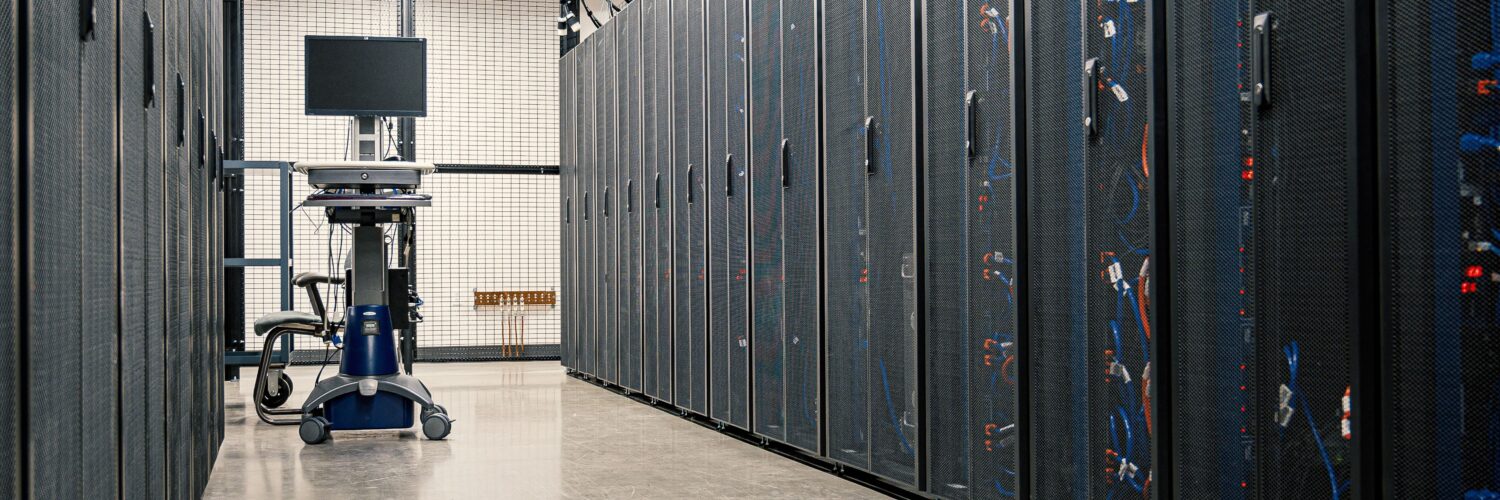
A data center is not just a room full of mysterious blinking lights. It is a carefully organized facility built around servers, storage devices, networking equipment, cooling systems, power equipment, and security controls. Servers process requests, store information, and send data back to users. Storage systems hold files, account information, backups, images, records, and other digital material. Networking equipment connects all of those machines to one another and to the wider internet.
The easiest way to picture it is to think about opening a cloud document from home. Your device sends a request through the internet. That request reaches a server, which finds the file, checks that you are allowed to access it, and sends the information back. If thousands of people open files at the same time, thousands of server tasks happen at once. Data centers make that feel ordinary.
Reliability is the reason these buildings look so different from regular offices. They need backup power in case the grid fails, redundant network connections in case one route goes down, fire suppression systems that protect equipment, and cooling systems that keep hot electronics within safe operating temperatures. A well-run data center is designed around one goal: keep the service running even when something goes wrong.
Why Servers Turn Electricity Into Heat
Servers need electricity for the same basic reason any computer does. Electricity moves through processors, memory, storage drives, and networking chips as they perform calculations and move information. The more work a server performs, the more energy it needs. Some tasks are light, such as loading a simple web page. Others require more intense processing, such as running a large database query, rendering video, or analyzing a huge collection of files.
Nearly all of the electricity used by a server eventually becomes heat. That may sound surprising, but it follows a simple physical rule. Electronic parts resist the flow of electricity, and resistance produces heat. Anyone who has felt a warm phone after a long video call has noticed the same effect on a small scale. A data center repeats that effect thousands or millions of times at once.
The International Energy Agency describes servers as the largest electricity user inside modern data centers, often accounting for around 60 percent of demand, though the exact share depends on the facility. Storage and networking equipment add their own smaller shares. Cooling can range widely, from a relatively small portion in very efficient buildings to a much larger share in older or less efficient ones. The split matters because improving only one part of the system does not solve the whole energy problem.
Heat is not just uncomfortable for machines. If server hardware gets too hot, it can slow down, fail, or shut itself off to avoid damage. That is why data centers monitor temperature, humidity, airflow, and power use with unusual precision. The challenge is not only to produce computing power. It is to remove heat fast enough that computing can continue without interruption.
How Cooling Keeps the Machines Alive
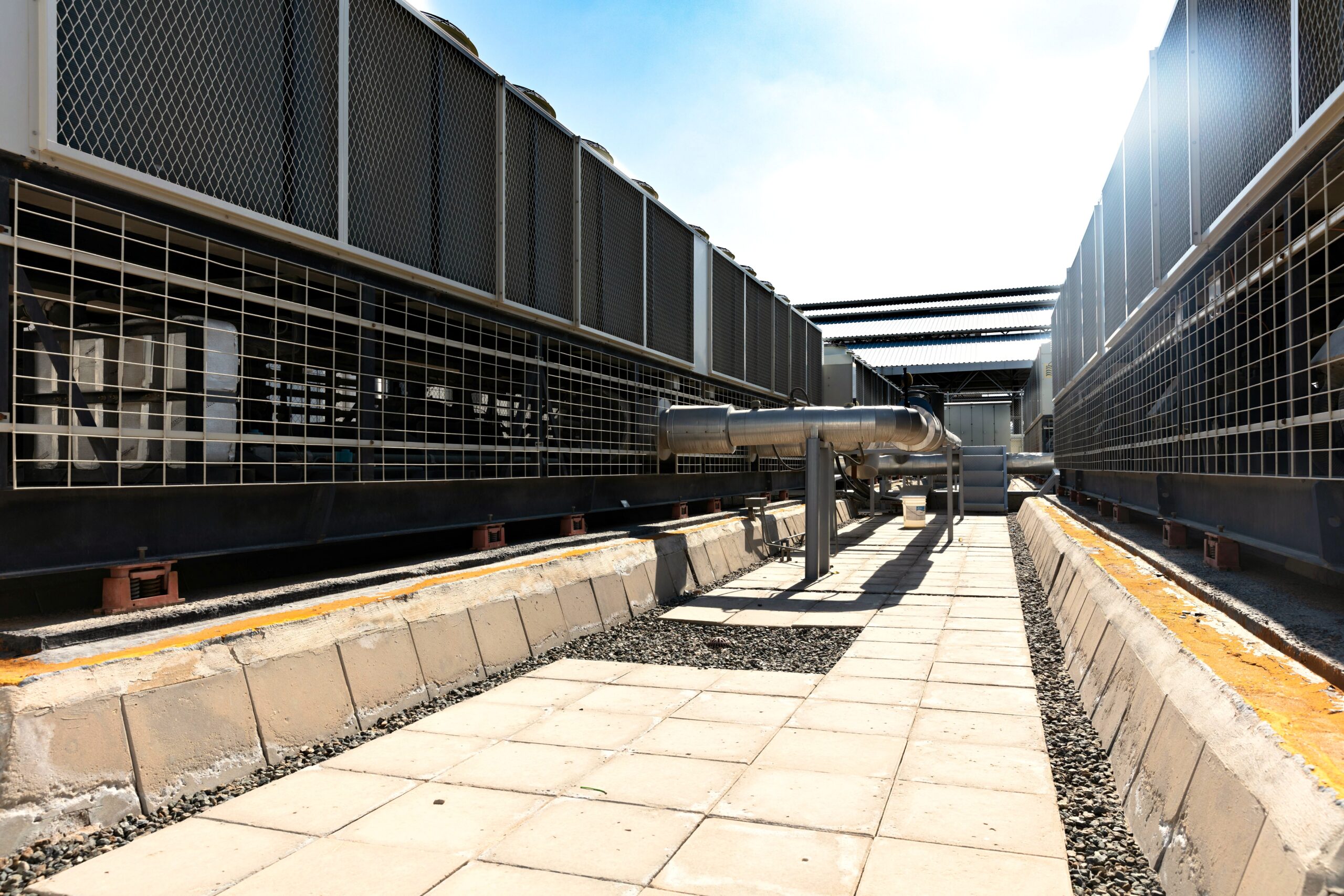
Cooling begins with airflow. Many data centers arrange server racks in hot aisles and cold aisles. Cool air enters the front of the racks, moves through the servers, and carries heat out the back. By separating hot and cold air, the facility avoids wasting energy by mixing the two before the heat can be removed. Even small changes in airflow can make a large difference when a room contains rows of densely packed machines.
Some facilities use chilled water systems, where water helps move heat away from server rooms through pipes, coils, and heat exchangers. Others rely more heavily on outside air when the weather allows it. In some newer designs, liquid cooling moves heat away from high-power chips more directly than air can. The best method depends on climate, building design, equipment density, water availability, energy prices, and reliability needs.
Water use is one reason data centers often become local planning issues. Evaporative cooling can be efficient for electricity because water absorbs heat well, but it may draw from local supplies. In dry regions or places already dealing with water stress, that tradeoff matters. A facility that saves electricity by using more water may still raise serious questions for nearby communities.
There is no single cooling answer that works everywhere. A data center in a cool, wet climate faces a different set of choices from one in a hot inland region. Good planning asks more than whether a building can be constructed. It asks whether the local grid, water system, climate, and community can support the facility over many years.
Why the Electric Grid Matters
Data centers do not draw power like ordinary buildings. A small office may use more electricity during the day and much less at night. A data center can demand large amounts of electricity around the clock. That steady load can be useful for planning in some cases, but it can also strain local infrastructure if growth happens faster than utilities can build generation, substations, and transmission lines.
The U.S. Department of Energy reported that data centers used about 4.4 percent of total U.S. electricity in 2023 and could rise to roughly 6.7 to 12 percent by 2028. The same report estimated that U.S. data center electricity use grew from 58 terawatt-hours in 2014 to 176 terawatt-hours in 2023. Those numbers help explain why the topic is no longer just a technical concern for computer engineers. It affects energy planning, utility costs, land use, and local decision-making.
Globally, the International Energy Agency estimated data center electricity use at about 415 terawatt-hours in 2024, around 1.5 percent of global electricity consumption. Its base case projects that number could reach about 945 terawatt-hours by 2030. The world will still use far more electricity for many other purposes, but data centers are unusual because they can be concentrated in specific places. One county or region may feel the impact much more strongly than the global average suggests.
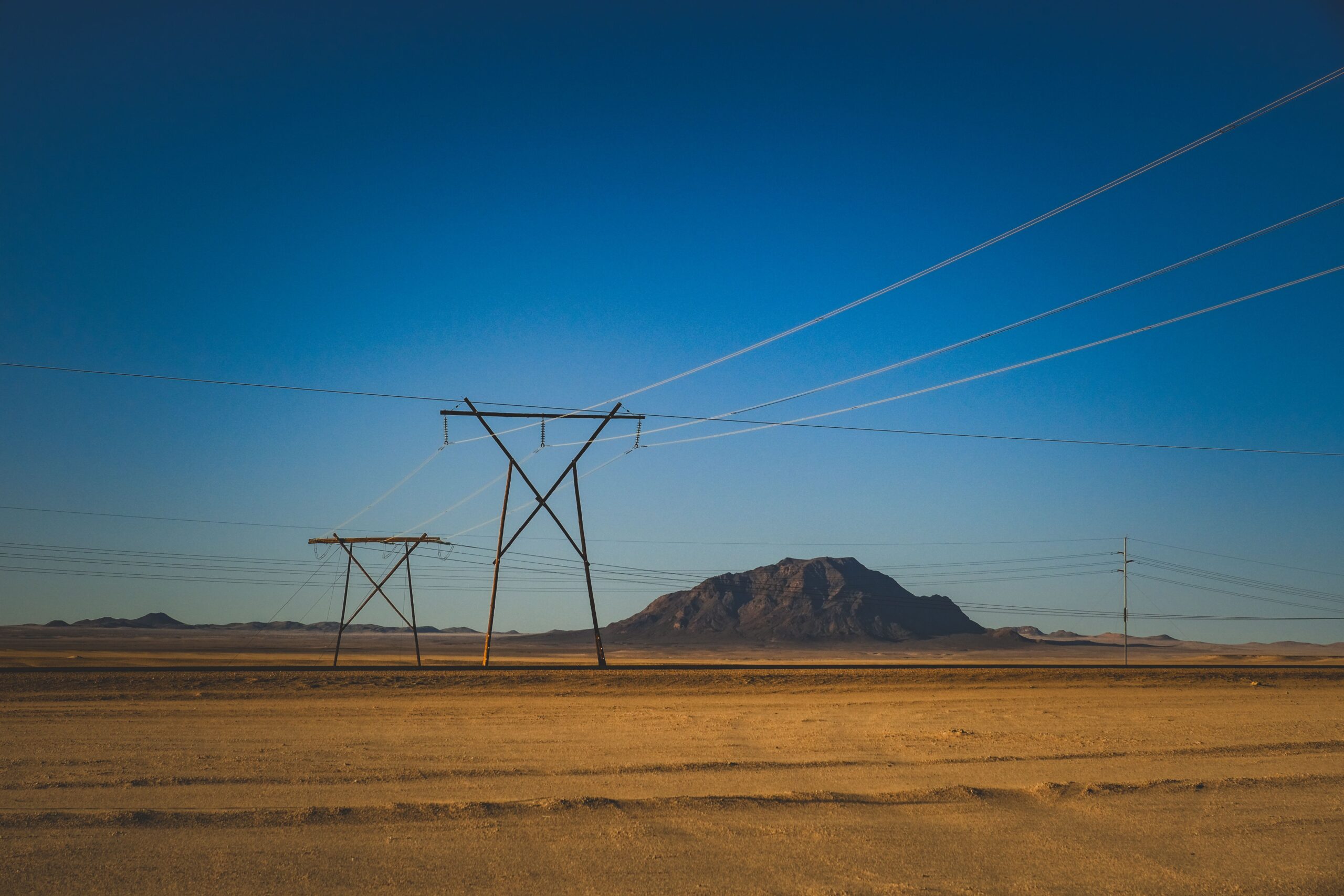
Grid planning is partly about capacity and partly about timing. A new data center may need electricity before a new transmission line or power plant is ready. Utilities may have to decide who pays for upgrades and how to protect households and small businesses from costs created by very large users. Those choices are not only engineering questions. They are policy and fairness questions as well.
The Tradeoffs Behind Online Convenience
Data centers bring real benefits. They support communication, education, research, banking, emergency systems, business tools, entertainment, and the ordinary services people use every day. They can create construction work, technical jobs, tax revenue, and investment in local infrastructure. A community that hosts a well-planned facility may gain more than just a large building full of computers.
The costs are real too. Large facilities need land, power, water, roads, backup systems, and sometimes new transmission equipment. Diesel generators used for backup can affect local air quality if they are tested often or used during outages. Cooling systems may increase pressure on water supplies. If utility upgrades are not handled carefully, residents may worry that they are helping pay for infrastructure built mainly for large industrial users.
The most useful way to think about data centers is not to treat them as either good or bad. They are infrastructure. Like highways, ports, airports, and power plants, they can be planned well or poorly. A well-sited data center uses efficient equipment, matches its cooling method to local conditions, pays fairly for the grid upgrades it requires, protects local water supplies, and communicates clearly with the community. A poorly planned one can create avoidable conflict.
Efficiency helps, but it is not magic. Better chips, smarter cooling, improved airflow, and cleaner power contracts can reduce the impact of each unit of computing. At the same time, total demand can keep rising as people and organizations use more online services. That is the central tension: each machine can become more efficient while the whole system still grows.
How to Read Data Center Claims Carefully
When a data center project is discussed, numbers can sound impressive without being easy to compare. One company may describe water use per unit of electricity. Another may report total annual water use. A utility may focus on peak demand, while a local resident may care more about electricity bills, noise, or land use. None of those concerns is automatically wrong; they are measuring different parts of the same system.
Good questions make the issue clearer. How much electricity will the facility need, and at what times of day? What new grid equipment will be required? Who will pay for it? Will the cooling system use local drinking water, reclaimed water, outside air, or liquid cooling? How often will backup generators run? What happens during drought, heat waves, or grid emergencies? How will the facility report its energy and water use after it opens?
Those questions turn a vague debate into something more concrete. Data centers are easy to overlook because digital services feel weightless. In reality, every online action depends on land, wires, water, equipment, and people keeping complex systems working. Understanding that physical foundation does not mean giving up modern technology. It means seeing the tradeoffs clearly enough to make better choices about where and how the digital world is built.





Add comment