Akshay Dinesh
Your phone can be switched off during a flight, cross several time zones, reconnect after landing, and soon show the correct local time. That familiar little correction hides two separate jobs. The device must learn what moment it is, and it must know which local clock rules apply where you are. Network time handles the first job; a time-zone system handles the second.
The distinction explains why a phone can show the right minutes but the wrong hour, why daylight saving changes do not require every clock to be manually reset, and why a device without service may slowly drift. A phone is not continuously receiving time from a satellite. It keeps its own clock running, checks that clock against outside signals when it can, and converts a shared reference time into the local display you see.
A phone keeps time before it corrects time
Inside a phone, an electronic oscillator produces regular cycles that the operating system can count. Those cycles let the device measure elapsed time even when it has no network connection. The idea is similar to a quartz wristwatch, although a phone has several clocks for different technical purposes. One clock tracks the time shown to the user, while another can measure how long the device has been running without being confused by a manual change to the wall clock.
No inexpensive oscillator is perfectly stable. Temperature, manufacturing variation, age, and power conditions can make it run slightly fast or slow. A tiny error repeated over millions of cycles becomes noticeable drift. The phone therefore treats its internal clock as a useful local estimate, not an unquestionable source of truth.
When automatic time is enabled and a suitable connection is available, the operating system asks an outside source for a fresh time value. Android’s open-source documentation says its default network-time system uses the Simple Network Time Protocol, or SNTP, and normally queries a server about once a day. It also attempts a refresh after startup or when network connectivity returns. Manufacturers and mobile networks can configure other sources and priorities, so the exact behavior is not identical on every phone.
How a network time check accounts for delay
A time server sends a timestamp tied to a standard reference, usually Coordinated Universal Time, or UTC. Simply copying that number would leave a problem: the reply takes time to cross the internet. Network Time Protocol was designed to estimate that delay. A client records when it sent a request and when the answer arrived, then uses timestamps in the exchange to estimate how far its clock differs from the server’s.
The calculation works best when the trip to the server and the trip back take roughly the same amount of time. Real networks are not always that tidy. A mobile packet may wait in a radio link, router, or congested path longer in one direction than the other. The Android Open Source Project notes that this asymmetry is a major source of error for its SNTP method, although the remaining difference is usually too small for a person glancing at a phone to notice.
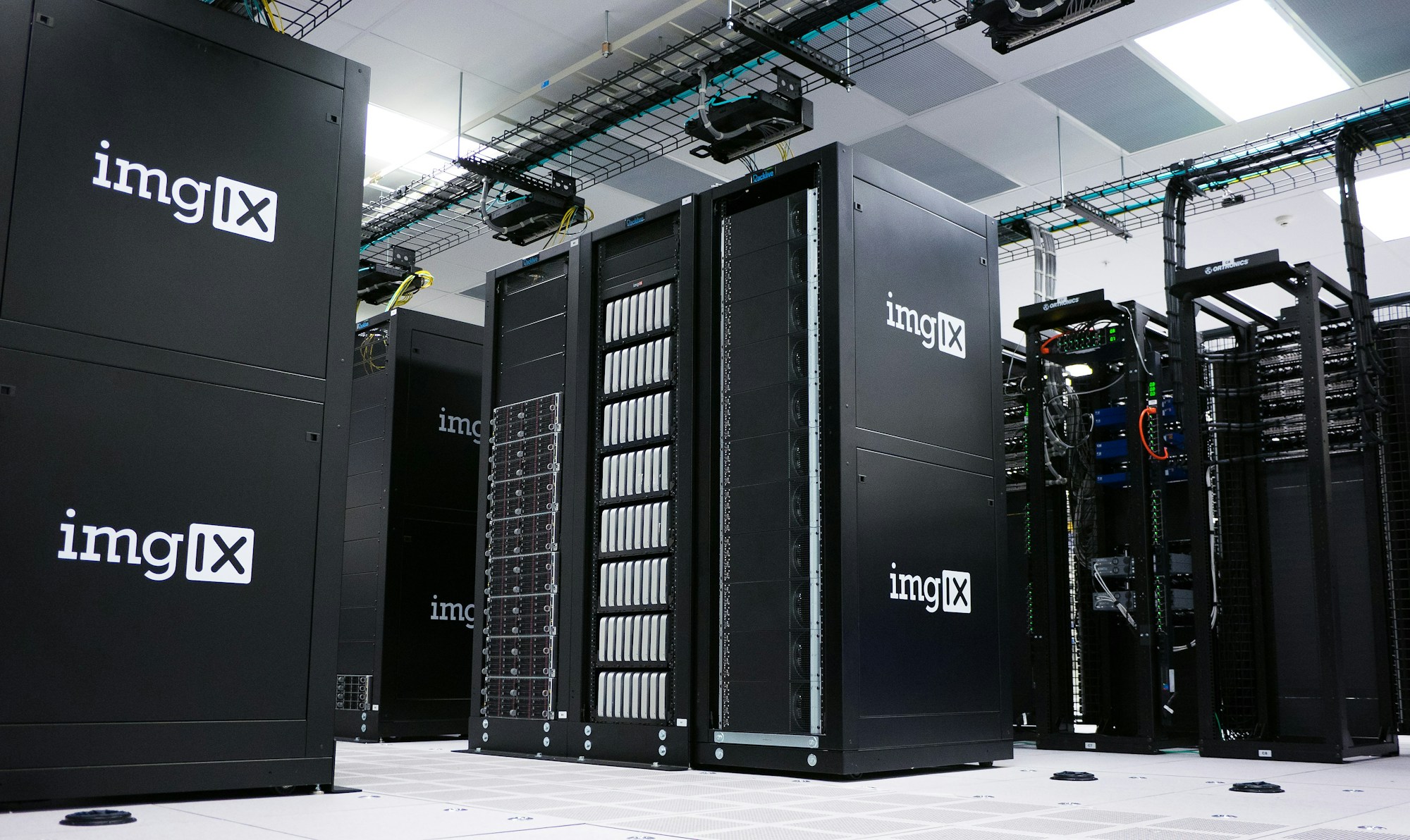
Trusted time begins higher up the chain. The National Institute of Standards and Technology operates internet time servers connected to UTC(NIST), the United States’ official civil time scale. Other national laboratories and organizations maintain comparable services. Time servers can be arranged in layers: a server close to an authoritative reference supplies time to other servers, which in turn answer large numbers of devices. A phone does not need its own atomic clock; it needs occasional access to a well-maintained chain of clocks.
The operating system also avoids treating every reply as perfect. It can reject stale or implausible suggestions, prefer one source over another, and decide whether a difference is large enough to justify changing the system clock. Care matters because time is woven into far more than the status bar. Secure connections check certificate dates, messages and photos need timestamps, alarms depend on the clock, and databases use time to put events in order.
The correct instant is not the same as local time
Suppose two phones in New York and Tokyo receive the same UTC value. They agree about the instant, but they should not display the same hour. Each device combines that instant with a time-zone identifier and a set of rules. Those rules describe the offset from UTC and, where applicable, when seasonal clock changes begin and end.
This is why a time zone is more than a label such as “Eastern Time” or a fixed value such as UTC-5. New York is five hours behind UTC during part of the year and four hours behind during daylight saving time. Laws can change those rules, sometimes with little notice. A fixed offset alone cannot describe the full past and future behavior of a place.
The widely used IANA Time Zone Database stores this changing record for representative locations around the world. It is updated when governments alter UTC offsets, daylight-saving schedules, or boundaries. Operating-system updates can carry new time-zone data to phones. Apple, for example, advises installing current software and notes that a device may report when updated time-zone information is available.

Automatic time-zone detection still needs some clue about location. Depending on the device and settings, that clue can come from a mobile network, location services, or another configured method. The clock does not infer your time zone merely by receiving UTC from a time server. That separation is useful for privacy and troubleshooting, but it also creates the odd case in which the minutes are correct while the displayed hour belongs to the place you left.
Why an automatic phone clock can still be wrong
Most mistakes fit one of three patterns. First, the device may lack a recent time signal. A phone left offline for a long period continues counting with its own oscillator, so a little drift can accumulate. Reconnecting normally gives the operating system a chance to refresh its estimate.
Second, the instant may be correct while the time zone is wrong. This often appears after travel, near a time-zone boundary, or when location access and automatic zone detection are unavailable. Apple separates its controls for automatic date and time from automatic time-zone selection, and Android likewise treats the current epoch time and the current time zone as independent device states.
Third, the time-zone rules stored on the phone may be outdated. If a government changes a seasonal-clock policy and the device has not received the relevant update, the phone can faithfully apply an old rule. This is one reason software updates matter even when they seem unrelated to new features.
A wrong clock is usually fixed by checking a short chain rather than repeatedly setting the hands yourself:
- Confirm that automatic date and time are enabled.
- Check that the phone has an internet or mobile-network connection.
- Confirm that automatic time-zone detection is enabled if you want the hour to follow your location.
- Install current operating-system and time-zone updates.
- Restart or reconnect the device if it has just received new zone information.
Manual settings remain useful when a network is unavailable or when a device is being tested, but they remove the automatic correction that prevents drift. They can also leave calendar events, authentication systems, and logs with confusing timestamps if the chosen date or zone is wrong.
A small display built on shared infrastructure
The clock in a phone looks self-contained, yet its accuracy is collaborative. A local oscillator carries time from one moment to the next. Network protocols compare that estimate with maintained reference clocks. A time-zone database translates the shared instant into a civil time created by geography and law. Location or network information helps the phone choose the right rules.
That layered design is why phones usually handle travel and seasonal changes without ceremony. It is also why no single explanation such as “the cell tower sets it” or “GPS always sets it” works for every device. Modern phones can receive time suggestions from several origins, and the operating system decides which available source to trust.
The next time a phone jumps to a new hour after a flight, the seconds did not travel with you and daylight saving did not alter time itself. The device kept counting a common timeline, learned where it was, and changed the local translation. What appears to be a simple clock is really a quiet agreement among electronics, networks, standards laboratories, software updates, and governments around the world.