 Akshay Dinesh
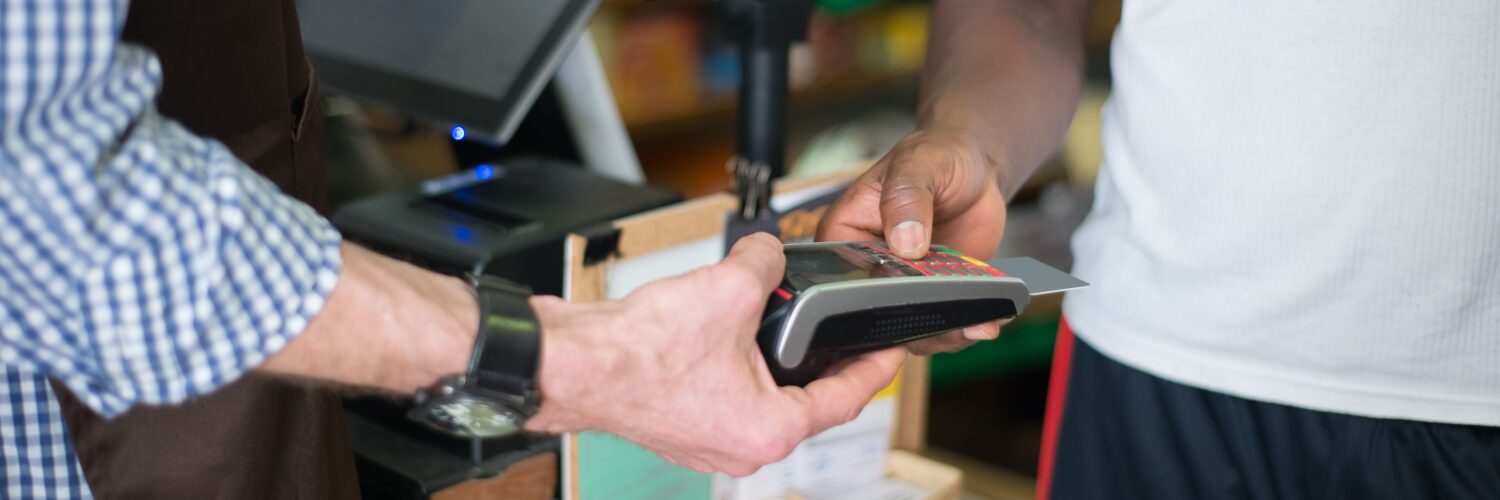
Tapping a phone at a checkout terminal feels almost too simple: the screen wakes, a face or fingerprint check happens, and the payment is approved in a second or two. Behind that quick moment is a careful security design. A digital wallet usually does not hand the store the same card number printed on a plastic card. It uses a substitute value, often called a payment token, that can stand in for the real account number during a specific kind of transaction.
That difference matters because card payments move through many systems. A store, a payment terminal, a payment processor, a card network, and the card issuer may all be involved before the purchase is approved. Tokenization does not make fraud impossible, and it does not remove every responsibility from the person using the card. What it does is reduce the value of the most sensitive number in the chain. If a token is exposed, it is usually less useful than the real card number because it is limited by device, merchant, wallet, or payment channel.
The Real Card Number Is the Sensitive Part
A payment card has a primary account number, often shortened to PAN in the payments industry. That number identifies the card account that should be charged. For decades, card systems were built around sending or storing that number so a purchase could be routed and approved. The problem is obvious: if the same valuable number appears in too many places, every place becomes a target.
Tokenization changes that pattern. EMVCo, the industry body that maintains many global card-payment specifications, describes payment tokenization as replacing the primary account number with a unique alternative value. The token looks enough like payment data to move through the payment system, but it is not simply the original card number in disguise. It is a controlled substitute with rules attached to it.
Those rules are the important part. A token can be restricted so it works only from one phone, in one wallet, for one merchant, or in one payment environment. A card number printed on plastic is broad by design; it can be typed online, swiped where magnetic-stripe fallback exists, inserted into a chip reader, or added to a payment file. A token is narrower. Its power comes from being useful in the right context and far less useful outside it.
What Happens When a Card Is Added to a Wallet
When someone adds a card to a digital wallet, the wallet does not simply store a photograph of the card and replay the printed number at checkout. The device, wallet provider, card network, and issuing bank take part in a setup process. The bank or network checks whether the card should be allowed in the wallet, then provisions a token that can represent that card for wallet transactions.
Apple describes this idea through the Device Account Number used by Apple Pay. After a card is added, the actual card number is not sent to the merchant during an in-store Apple Pay transaction. The device provides the Device Account Number along with a transaction-specific dynamic security code. Other wallet systems use their own architecture and names, but the basic pattern is similar: the wallet uses a payment credential designed for the wallet, not the raw card number printed on the card.
This is why losing a phone is not the same as dropping a physical card on the sidewalk. The wallet credential is normally tied to the device and protected by device authentication. A person must unlock or approve the payment before the wallet can release the payment data. If the device is reported lost or the wallet credential is suspended, the token can be disabled without necessarily replacing the physical card account itself.
The setup process also explains why a wallet may ask for bank verification when a card is added. That extra step can feel inconvenient, but it helps prevent someone from adding a card they should not control. A token is safer than exposing the card number everywhere, but it still represents access to payment power. Issuers want confidence that the person provisioning the token has permission to use the card.
The Tap Is Short, but the Data Is Carefully Shaped
Most in-store phone payments use near-field communication, or NFC, the same short-range wireless idea behind many tap-to-pay cards. The short distance is helpful, but NFC is not the main security story. The stronger protection comes from what the device sends. Instead of sending the real card number by itself, the wallet sends tokenized payment data and a dynamic value for that transaction.
That dynamic value is often the difference between a reusable secret and a one-time proof. Apple’s security documentation describes a payment cryptogram that changes for each transaction. In plain language, the transaction includes a special code that helps prove the payment came from the expected wallet credential at that moment. A copied token without the right dynamic code should not be enough to approve a normal wallet transaction.
A useful comparison is a theater ticket with a barcode that refreshes. The ticket still points to your seat, but a screenshot from last week should not get someone through the door. Payment systems are more complex than that example, yet the idea is similar: the approval depends not only on an identifier but also on transaction data that proves the credential is being used properly.
That is why a digital wallet can be safer than typing a card number into every checkout page or handing a card to a terminal that stores more information than it should. The store still receives what it needs to ask for payment approval, but it does not need the most valuable version of the account number. Less exposure does not guarantee safety, but it lowers the stakes if one piece of the chain is later compromised.
Why Tokens Help Merchants and Shoppers
For shoppers, the clearest benefit is that the real card number is shared less often. A restaurant, store, transit reader, app, or online checkout may never see the original number at all. If a merchant’s payment records are later stolen, tokenized data can be much less useful to a criminal than a database full of ordinary card numbers.
For merchants, tokenization can also reduce risk and simplify parts of payment security. The Payment Card Industry Security Standards Council, which publishes PCI security standards and guidance for card data, treats tokenization as one tool that can help reduce exposure of cardholder data when it is implemented properly. It is not a magic exemption from security work. Systems still need careful design, access control, monitoring, and compliance. But replacing stored card numbers with tokens can shrink the places where the most sensitive account data exists.
Online shopping shows another advantage. A merchant may keep a token on file for future purchases instead of keeping the raw card number. That makes one-click ordering, subscriptions, and app-based payments easier while limiting the value of the stored credential. If a card is reissued, some network token systems can even update the token relationship behind the scenes so a subscription keeps working without the shopper retyping card details.
There is also a practical convenience benefit. A digital wallet can hold several cards, transit passes, or student IDs depending on the wallet and region. That convenience does not come only from storing data; it comes from turning each stored credential into something that can be checked, limited, and suspended. A well-designed wallet is not just a thinner version of a leather wallet. It is a controlled payment environment.
What Tokenization Does Not Solve
Tokenization protects payment data in transit and storage, but it does not protect every part of a person’s financial life. If someone is tricked into approving a payment, the token may work exactly as designed. If a phone is unlocked and handed to someone else, the wallet may be accessible depending on the device settings. If a person gives away account passwords, verification codes, or bank login details, payment tokens cannot repair that broader account takeover risk.
Fraud can also move around strong technology. Criminals may focus on social engineering, fake customer-service messages, phishing pages, refund scams, or account recovery weaknesses instead of trying to steal wallet transaction data directly. That is a common pattern in security: when one route gets harder, attackers look for a softer route nearby.
Card disputes and purchase protections still depend on the card issuer, the network rules, merchant records, and the facts of the transaction. A tokenized wallet payment is not automatically risk-free just because the real card number was not shown. Shoppers still need to check statements, use screen locks, keep devices updated, remove cards from old devices, and avoid approving payments they do not understand.
There are also privacy limits. A merchant may not receive the physical card number, but it may still receive purchase details, device-related payment information, loyalty-account data, shipping information, or app activity depending on the situation. Tokenization is mainly about protecting payment credentials, not making every purchase anonymous.
A Small Change With a Big Security Effect
The most useful way to think about payment tokenization is not as a secret trick, but as a safer substitution. The payment system still needs a way to identify which account should be charged. Instead of spreading the real card number through every transaction and storage point, digital wallets can use a limited stand-in that works only under controlled conditions.
That small shift changes the risk. A store can process the purchase. The bank can approve or decline it. The shopper can move quickly through checkout. But the card number itself has fewer chances to leak, and stolen payment data is less likely to be reusable on its own. In a world where everyday purchases pass through phones, apps, terminals, and online accounts, that is a quiet but powerful improvement.
Digital wallets are still only as trustworthy as the surrounding habits and systems. A locked phone, careful account recovery, transaction alerts, and healthy skepticism toward suspicious messages all still matter. Tokenization gives the payment system a stronger foundation, but the safest version of tap-to-pay combines that foundation with ordinary good judgment: know what you are approving, protect the device that approves it, and pay attention when something looks wrong.