

 Akshay Dinesh
A quick search, a store loyalty card, a weather app, a public record, and a phone carried through the day can all seem like separate pieces of life. Data brokers make money by finding the connections between those pieces. They collect, buy, sort, and sell information about people, often without having a direct relationship with the person being described.
That does not mean every use of brokered data is automatically harmful. Businesses may use it to prevent fraud, verify identity, study markets, or send ads to likely customers. The problem is that the system is mostly invisible to the ordinary person. A profile can grow from dozens of small signals, and by the time it is used to influence an ad, a search result, a background check, or a scam attempt, the person in the profile may not know where the information came from or how to correct it.
What Data Brokers Actually Do
A data broker is a business that gathers personal information from many sources and packages it for others to use. Some brokers focus on people-search records, such as names, phone numbers, addresses, relatives, and property information. Others specialize in marketing data, location analytics, identity verification, risk scoring, or audience segments for advertising.
The National Cybersecurity Alliance describes a typical data-broker file as a mix of contact details, past addresses, online activity, purchase history, public social media activity, device and location data, interests, browsing patterns, and public records. No single source tells the whole story. The broker’s value comes from combining records until separate hints start to look like a useful profile.
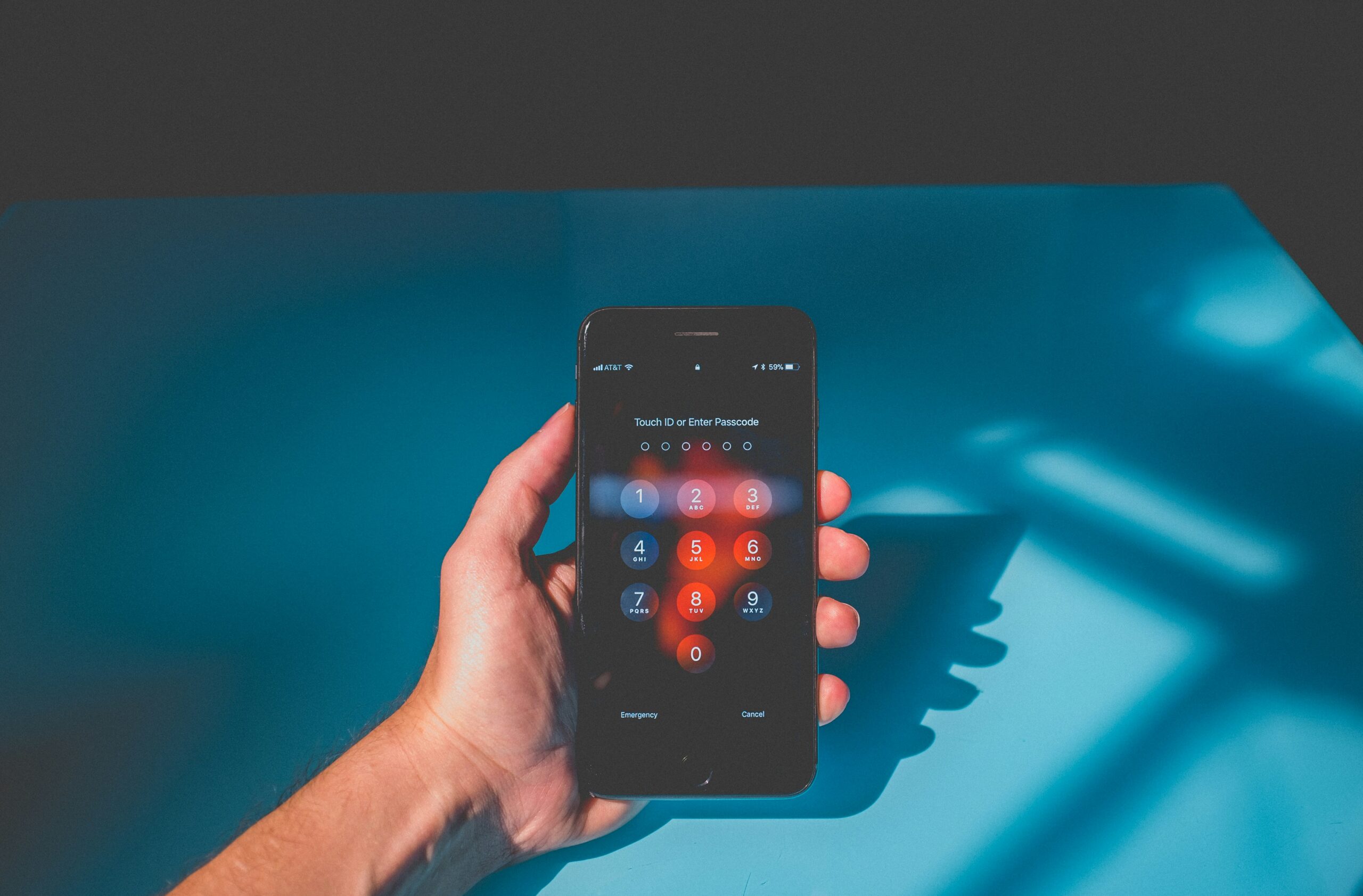
Think about a simple example. A person downloads a coupon app, enters an email address at a clothing store, signs up for a gym trial, changes apartments, and searches for moving supplies. Each action may be handled by a different service. But if those records share a phone number, email address, device identifier, home address, or payment pattern, they can be linked. The result is not just a list of facts. It is a prediction about what the person may want, where they may go, what they may buy, and how they might respond to certain messages.
How Everyday Signals Become a Profile
Data collection often starts with information that feels routine. Public records can include property ownership, voter registration details, business records, court filings, and professional licenses, depending on the place and the type of record. Commercial sources can add shopping habits, warranty forms, magazine subscriptions, app permissions, loyalty programs, sweepstakes entries, and data shared by retailers or advertisers.
Digital advertising adds another layer. Many apps and online services rely on ad systems that send information about a device, an ad opportunity, and sometimes location or interest signals into fast advertising auctions. Most people never see that exchange happen. The screen simply loads an ad. Behind the scenes, data can move through several companies that help decide which ad appears.
Location data is especially powerful because it can turn movement into inference. A single point on a map may mean little. Repeated visits can suggest where someone lives, works, studies, worships, receives medical care, or spends weekends. The Federal Trade Commission has brought several actions against location-data brokers, including a 2024 case against X-Mode Social and Outlogic over sensitive location data and another against Mobilewalla over data connected to advertising auctions and sensitive places.
The Mobilewalla complaint is a useful warning because it shows scale. The FTC alleged that, from January 2018 to June 2020, Mobilewalla collected more than 500 million unique consumer advertising identifiers paired with precise location data. The agency said the raw data was not anonymized and could be used to identify devices and the sensitive locations they visited. That is why privacy experts treat location data as more than a map dot. It can become a diary written by a phone.
Why the Profiles Matter
Many data-broker uses are ordinary and easy to miss. A retailer may want to reach people likely to buy a product. A bank may check identity. A fraud team may compare a login attempt with past behavior. A campaign may look for voters likely to care about an issue. A landlord, insurer, recruiter, or other decision maker may rely on data from a third party, sometimes through rules that are hard for outsiders to inspect.
The risk grows when information is wrong, too detailed, or used outside its original context. An old address can make identity checks harder. A wrong relative connection can confuse a background search. A purchase pattern can place someone in an audience segment that does not really fit. A location trail can reveal sensitive habits even when no one ever typed those habits into a form.
There is also a security problem. The more widely personal data spreads, the more useful it becomes to scammers. A convincing phishing message is easier to write when the sender knows a person’s school, recent move, shopping habits, employer, or family names. Even when a data broker does not intend harm, a large database can be breached, copied, misused, or sold onward.
Regulators have started treating some brokered data as especially sensitive. In 2026, the FTC reminded data brokers about the Protecting Americans’ Data from Foreign Adversaries Act. The agency said the law restricts providing access to personally identifiable sensitive data about Americans to foreign adversaries, including categories such as health, financial, genetic, biometric, geolocation, sexual-behavior information, login credentials, and government-issued identifiers. The details matter because they show that personal data is not just a marketing issue. In some cases, it can become a safety and national-security issue.
Why Opting Out Is Hard
People often imagine privacy as a setting they can switch off. Data brokers make that idea much messier. A person may be able to opt out of one broker, but the same information might be held by dozens or hundreds of others. Some brokers receive refreshed information from public records, retailers, apps, partners, or other brokers, so a deletion request may not be the final word.
California’s Delete Request and Opt-out Platform, known as DROP, shows one attempt to simplify the process. The California Privacy Protection Agency says DROP allows California residents to submit one deletion request to active data brokers, with brokers required to begin processing those requests on August 1, 2026. That kind of system matters because it recognizes a practical problem: individual opt-out forms can be too scattered and time-consuming for ordinary people to use effectively.
Outside places with stronger state privacy tools, people may face a patchwork of choices. Some states require data-broker registration or consumer privacy rights. Some services offer paid opt-out help. Some brokers publish removal forms. Others make the process difficult to find or repeat. The result is uneven control. Two people with the same privacy concern may have different options depending on where they live and which companies hold their information.
How to Reduce the Trail You Leave
No one can erase every data trail. School records, public records, financial systems, mobile networks, and ordinary online services all create information for legitimate reasons. A realistic goal is not disappearance. It is reducing unnecessary collection, making sensitive information harder to connect, and knowing which choices matter most.
Start with phone permissions. Location access should be limited to apps that truly need it, and many apps work fine with approximate location or access only while the app is being used. Review ad personalization settings on phones, browsers, and major accounts. These controls do not remove every brokered profile, but they can reduce some of the signals that feed advertising systems.
Be more selective with forms that ask for a birthday, phone number, address, or personal preference when the information is not required. Store loyalty programs and free quizzes can be useful, but they are also common ways to collect consumer details. A separate email address for shopping and sign-ups can keep some commercial activity away from school, work, or personal communication.

Old accounts deserve attention too. An app used once for a trip, a game played years ago, or a forgotten shopping account may still hold personal data. Closing accounts you no longer use, removing saved payment methods, and deleting unnecessary apps can shrink the number of places where information sits. Strong passwords and multi-factor authentication still matter because privacy and account security reinforce each other. A protected account leaks less.
The most important habit is to notice the tradeoff before the data is collected. Sometimes sharing information is worth it: a map app needs location to give directions, and a college account needs accurate identity details. Other times the exchange is weak: a quiz, coupon, or download asks for more than it needs. Data brokers depend on small moments that feel harmless one at a time. Better privacy comes from making those moments a little less automatic.
The Larger Lesson
Data brokers reveal a basic truth about modern computing: information gains power when it is connected. A name, address, device ID, location ping, purchase, and public record may each seem ordinary. Combined, they can tell a story about a person who never knowingly told that story to one company.
That is why the strongest privacy habits are not only technical. They are habits of attention. Ask why an app needs a permission, why a store needs a phone number, why an old account is still open, and why a free service wants so much detail. The goal is not fear. It is awareness. When people understand how profiles are built, they can make better choices about which pieces of themselves they hand over and which pieces they keep harder to assemble.






Add comment