
 Akshay Dinesh
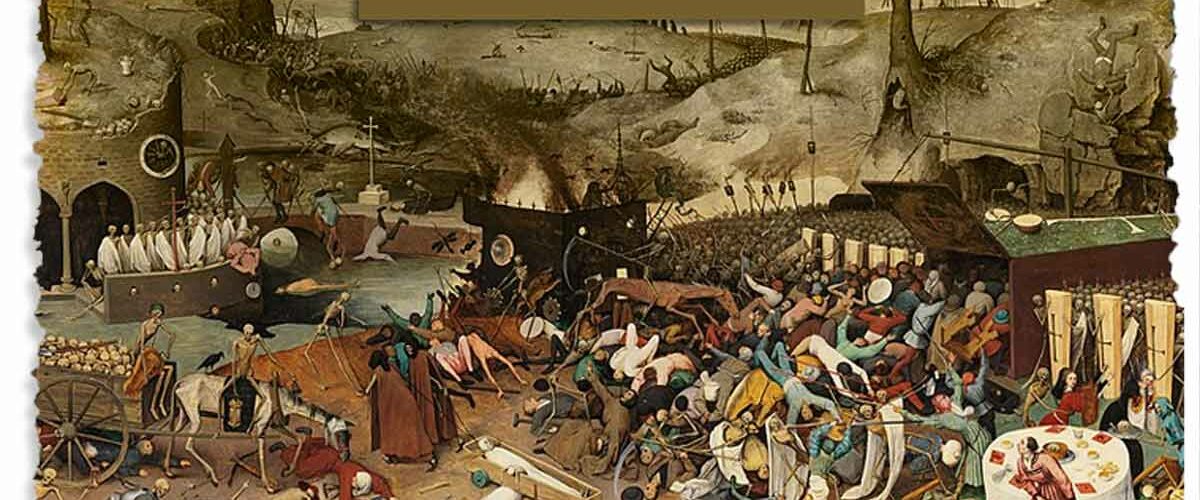
The Great Plague of London was one of the last major outbreaks of bubonic plague in England and one of the most frightening disasters in the city’s history. It struck hardest in 1665, when London was crowded, poorly drained, and still shaped by narrow streets, shared housing, open waste, and limited medical knowledge. The official Bills of Mortality recorded 68,596 plague deaths in London, but many historians estimate that the true number was closer to 100,000, or roughly one-fifth of the city’s population. The outbreak did not appear out of nowhere. It belonged to a long pattern of plague epidemics that had haunted Europe since the Black Death of the fourteenth century.
What Was the Great Plague?
The Great Plague was an epidemic of plague, a disease caused by the bacterium Yersinia pestis. In bubonic plague, the infection usually spreads through the bite of an infected flea, often after fleas have fed on infected rodents. People in seventeenth-century London did not understand bacteria, fleas, or the chain of transmission. Many believed the disease came from poisonous air, moral punishment, unusual weather, or contaminated objects.
The most recognizable symptom was the bubo, a painful swelling in the lymph nodes, often in the groin, armpit, or neck. Fever, chills, weakness, headaches, and dark patches on the skin could follow. Without modern antibiotics, many cases became fatal. This made plague terrifying not only because it killed quickly, but because families often watched symptoms appear before anyone knew how to stop the disease.
How the Outbreak Began
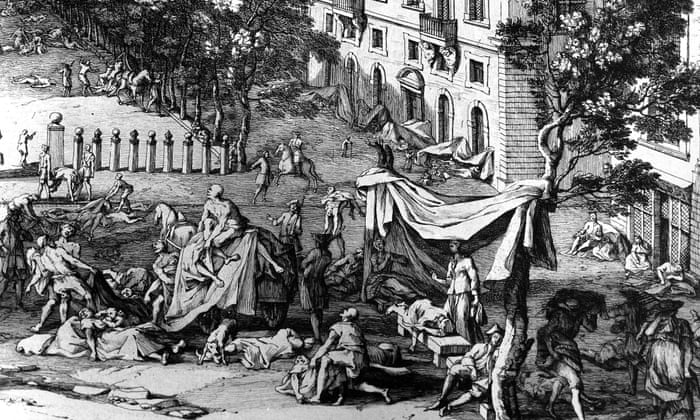
Plague had appeared in England many times before 1665. London suffered serious outbreaks in 1603, 1625, and 1636, so the disease was not a distant medieval memory. The 1665 outbreak likely grew from infected fleas and rats moving through trade networks, lodging houses, warehouses, and crowded neighborhoods. Once deaths began rising, the disease spread fastest in poorer districts where families lived close together and sanitation was weakest.
The timing made London especially vulnerable. The city was a busy commercial center with constant movement of people and goods. Houses were packed tightly, waste disposal was poor, and many residents depended on shared streets, wells, markets, and workshops. A disease carried through the hidden movements of fleas and rodents could move through this environment before people understood what was happening.
Life During the Plague
Daily life changed as fear spread through the city. Wealthier families often left London for the countryside if they had the money and connections to do so. Many poorer residents had no such choice. Shops closed, streets emptied, and the sound of death carts became part of the city’s routine. Parish clerks recorded deaths, searchers examined bodies, and watchmen guarded infected houses.
One of the harshest public health measures was the shutting up of houses. If a person inside a home was believed to have plague, the whole household could be locked in for weeks, even if some family members were still healthy. A red cross and words asking for mercy were often marked on the door. The policy was meant to stop movement from infected homes, but it also trapped people in dangerous conditions and made survival depend heavily on neighbors, parish officials, or hired nurses bringing food and supplies.
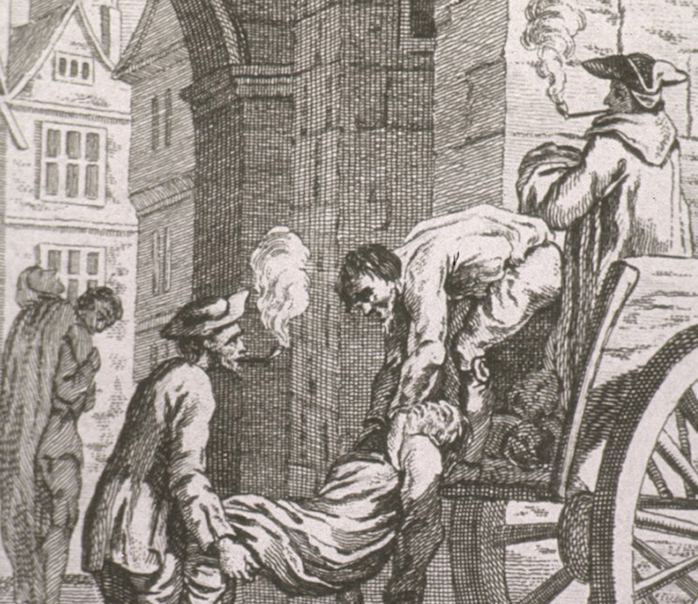
The weekly death totals rose with frightening speed during the summer and early autumn of 1665. At the worst point, thousands of deaths were recorded in a single week. The numbers were never perfectly accurate, partly because some deaths were missed or recorded under other causes. Even so, the records show a city under extraordinary strain, with ordinary systems of care, burial, and trade stretched far beyond normal limits.
Why Many Responses Failed
Killing Cats and Dogs
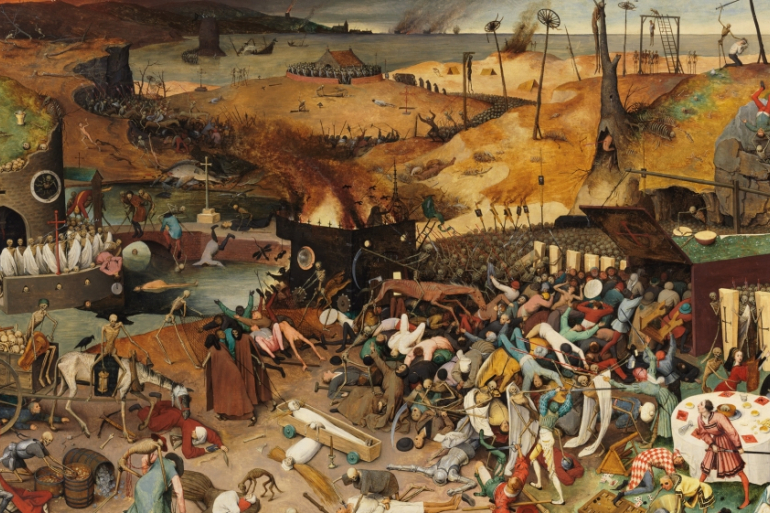
Some officials and residents blamed cats and dogs for spreading disease. Killing domestic animals seemed logical to people who were trying to remove any possible source of infection, but it may have made the situation worse by reducing the number of animals that hunted rats. The mistake shows how dangerous public health decisions can become when people act without understanding the real cause of a disease.
Smoke and Bad Air
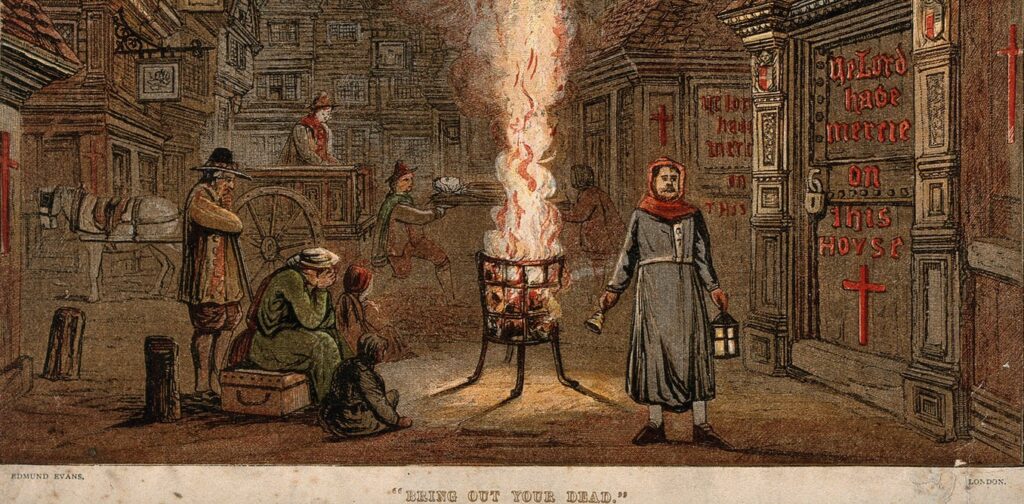
Another common belief was that plague spread through corrupted air. Fires, strong smells, herbs, and tobacco smoke were used in the hope of cleansing the atmosphere. These measures fit the medical theories of the time, but they could not stop bacteria carried by fleas and rodents. They may have offered people a sense of action, but they did little to change the course of the epidemic.
How the Plague Ended
By early 1666, the number of plague deaths had fallen sharply. The decline was probably caused by several factors working together: colder weather reduced flea activity, many vulnerable people had already died or left, and the most intense chains of transmission began to break down. The Great Fire of London in September 1666 is sometimes credited with ending the plague, but the outbreak had already faded before the fire. The fire did destroy crowded streets and old buildings in parts of the city, which later influenced rebuilding, but it was not the main reason plague deaths dropped.
The Great Plague left a lasting mark because it revealed both the limits and beginnings of organized public health. Londoners used quarantine, death records, movement restrictions, and household surveillance, but they did so without the scientific knowledge needed to target the disease accurately. The result was a mixture of courage, fear, care, cruelty, and confusion. Remembering the Great Plague is not only about counting deaths. It is also about understanding how communities respond when danger is real, knowledge is incomplete, and every decision carries human consequences.





Add comment