

 Akshay Dinesh
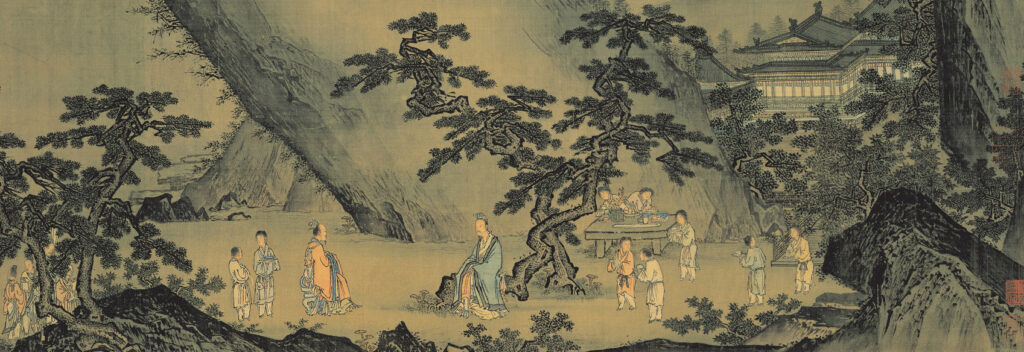
Ancient China grew from farming villages along river valleys into one of the most influential civilizations in world history. Its story is not only a list of dynasties and emperors. It is also the story of irrigation, bronze casting, writing, philosophy, law, trade, and government ideas that shaped East Asia for centuries.
The period usually called ancient China stretches from the earliest settled farming cultures through the end of the Han dynasty in 220 CE. Over those thousands of years, people living around the Yellow River and Yangtze River developed cities, social hierarchies, religious traditions, military systems, and written records. Some parts of the story are supported by archaeology, such as oracle bones, bronzes, tombs, and city remains. Other parts come from later historical writing and legend, especially when discussing early rulers such as the Yellow Emperor and Yu the Great.

River Valleys and Early Farming
Like many early civilizations, ancient China began with farming. Millet grew especially well in the north, where communities developed around the Yellow River. Rice farming became important farther south, especially in the Yangtze River basin. These crops helped people settle in permanent villages, store food, specialize in crafts, and support leaders who organized work and defended communities.
The Yellow River is sometimes called the cradle of Chinese civilization, but that phrase can make the story sound simpler than it was. Early China did not grow from only one place or one people. Archaeologists have found many regional cultures, including Yangshao and Longshan communities, that developed pottery, farming tools, burial customs, and settlement patterns before China became a unified empire.
Bronze, Writing, and Early Kingship
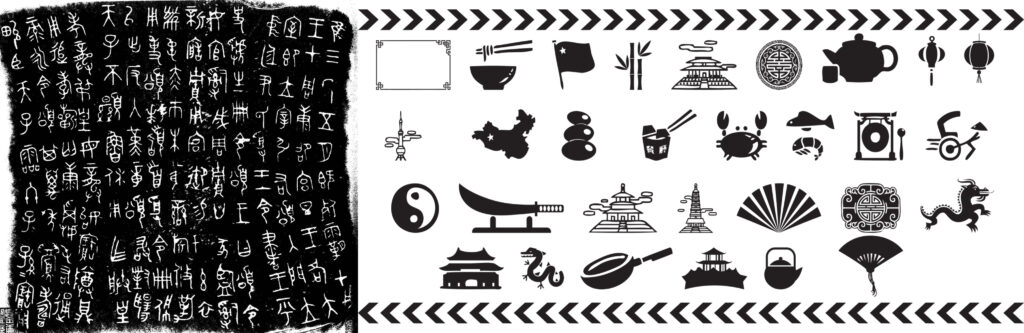
Bronze technology gave early Chinese rulers a powerful way to display wealth and authority. Bronze vessels were used in rituals, feasts, and ancestor worship, and many were cast with remarkable skill. They were not everyday household objects. They showed that a ruler had access to metal, labor, artisans, and religious authority.
The Shang dynasty, which ruled roughly from the sixteenth to eleventh centuries BCE, is the first Chinese dynasty strongly supported by written and archaeological evidence. Shang rulers used oracle bones to communicate with ancestors and ask questions about war, harvests, illness, and royal decisions. These inscriptions are among the earliest known forms of Chinese writing, and they connect political power with ritual practice.
The Mandate of Heaven and Dynastic Rule
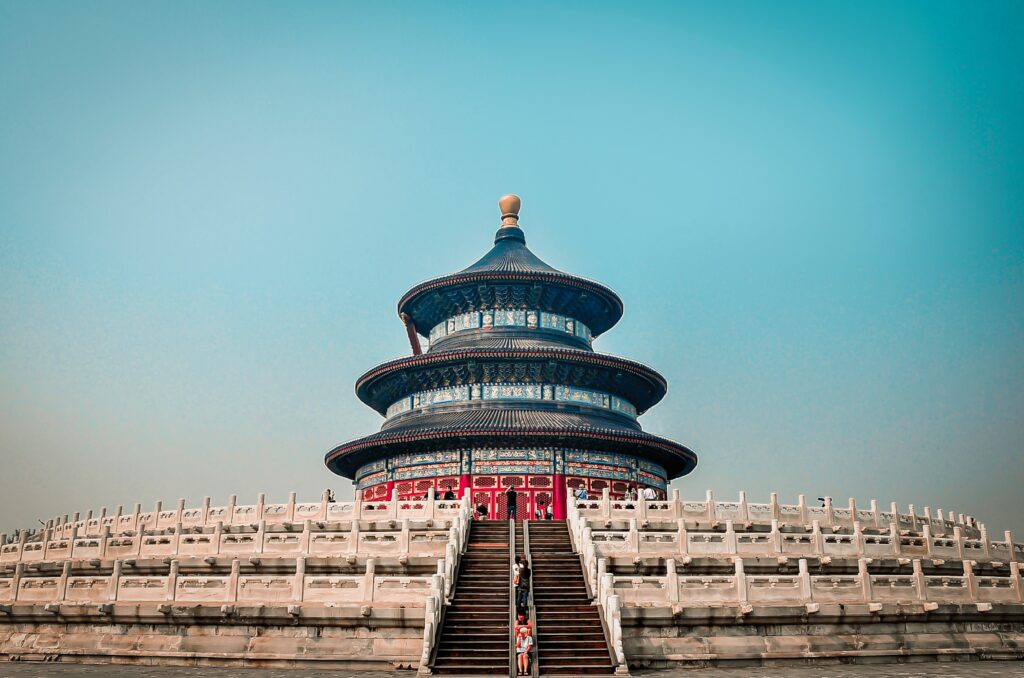
When the Zhou overthrew the Shang, they needed a way to explain why rebellion against an existing king could be legitimate. Their answer was the Mandate of Heaven. According to this idea, Heaven gave rulers the right to govern, but that right could be lost if a dynasty became corrupt, cruel, or unable to keep order.
The Mandate of Heaven became one of the most important political ideas in Chinese history. It did not mean that every rebellion was automatically accepted as moral. Instead, success or failure was often interpreted afterward: if a new dynasty restored order, people could say Heaven had withdrawn support from the old one. The idea helped explain cycles of rise, decline, rebellion, and replacement.
From Shang and Zhou to Qin Unification
The Zhou dynasty lasted for centuries, but its power changed over time. Early Zhou kings ruled through a network of nobles and regional lords. Later, royal authority weakened, and powerful states competed for land, soldiers, and influence. The final centuries of Zhou rule are known as the Warring States period, a time of intense conflict but also major intellectual and military development.
Several schools of thought emerged during this unstable age. Confucianism emphasized moral leadership, family duties, education, and social responsibility. Daoism encouraged attention to natural patterns, simplicity, and the limits of forceful control. Legalism argued that strong laws, clear rewards, and strict punishments were necessary to build an orderly state. These ideas were not abstract classroom topics; rulers used them to think about how a divided world might be governed.
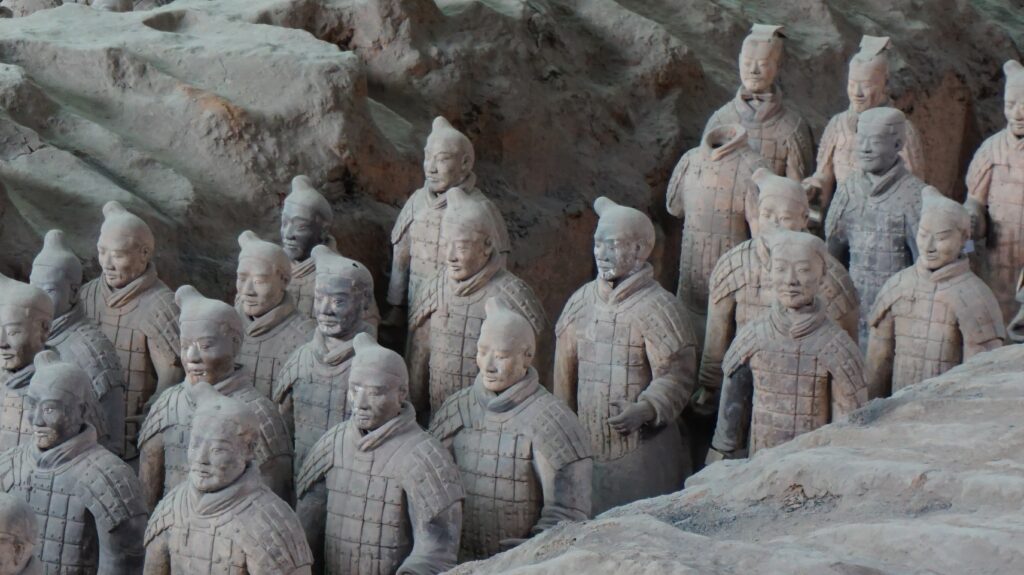
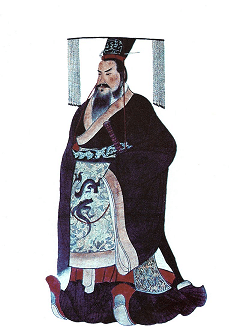
The Qin state eventually defeated its rivals and unified China in 221 BCE under Qin Shi Huang, the First Emperor. The Qin standardized weights, measures, currency, and writing, and it connected defensive walls that later became associated with the Great Wall. Its rule was harsh and short, but it created a model of centralized empire that later dynasties adapted rather than erased.
The Han Dynasty and the Silk Road
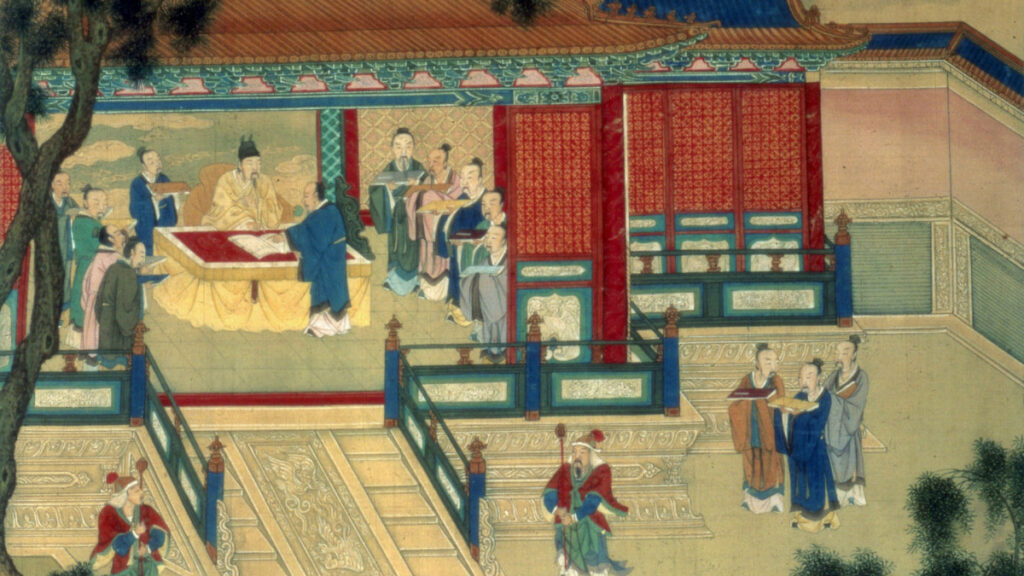
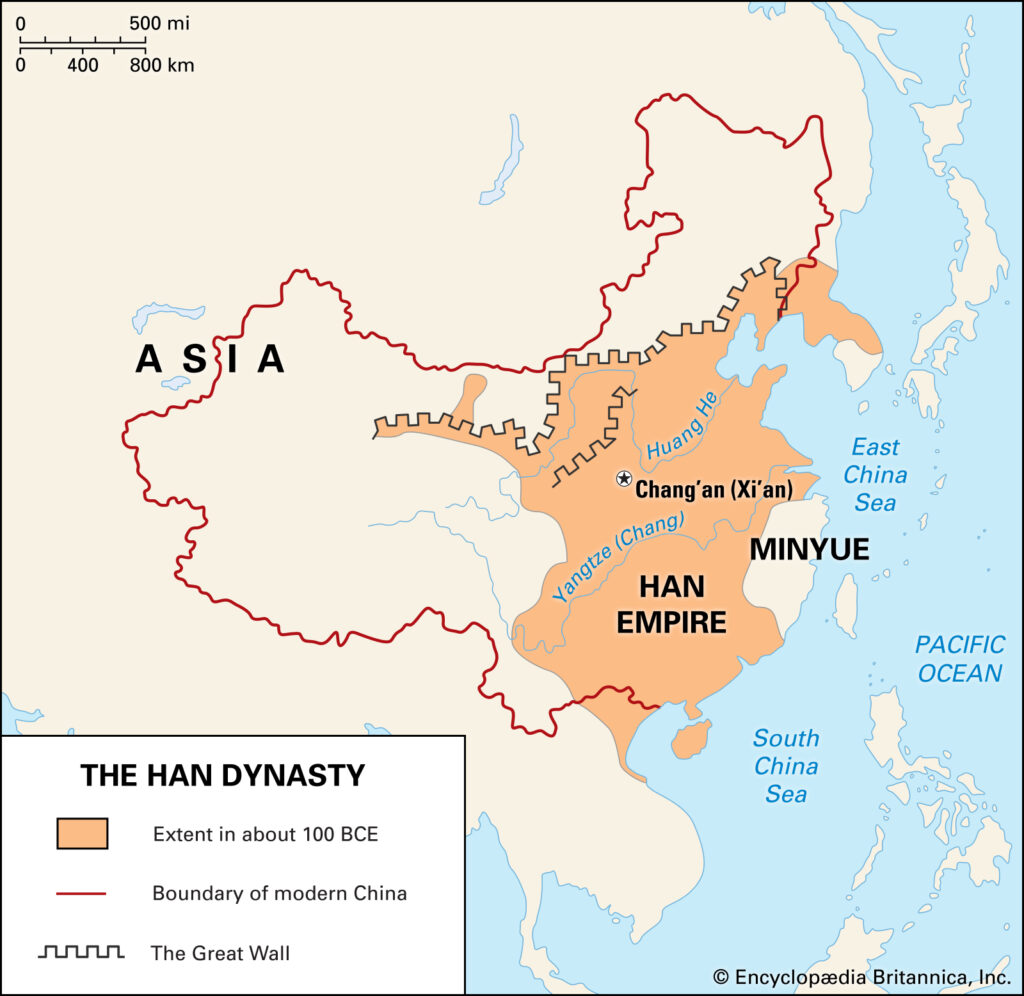
The Han dynasty, which ruled from 202 BCE to 220 CE with a brief interruption, gave ancient China one of its most lasting imperial models. Han rulers kept many Qin administrative tools but softened some of the harshest methods. They built a government staffed by educated officials, expanded the empire, promoted Confucian learning, and supported a court culture that valued history, literature, astronomy, and careful recordkeeping.
The Han period also deepened China’s connections with Central Asia. Trade routes later known as the Silk Road carried silk, horses, glass, textiles, ideas, and technologies across long distances. These routes were never a single road, and they were not used only by Chinese merchants. They were networks of exchange linking many peoples, towns, and empires across Eurasia.
Why Ancient China Still Matters
Ancient China’s influence lasted because it combined practical organization with powerful ideas. Its rulers experimented with central administration, standardized systems, roads, walls, taxation, and written records. Its thinkers asked how families, rulers, laws, rituals, and personal conduct should hold a society together. Its artisans produced bronzes, ceramics, lacquerware, and textiles that reveal both technical skill and symbolic meaning.
The end of the Han dynasty did not end Chinese civilization. China entered a long period of division, migration, and regional rule, but later dynasties continued to look back to ancient models. The Qin showed how unification could be achieved. The Han showed how a large empire could endure. The Zhou gave later generations the language of moral rule through the Mandate of Heaven. Together, these early periods created patterns of government, culture, and historical memory that remained important long after the ancient era closed.





Add comment