

 Akshay Dinesh
On a bitter winter morning, the air above a snowy field can be far colder than the soil underneath it. That sounds backward: snow is frozen water, after all. But a layer of snow can slow the loss of heat from the ground, keeping soil temperatures steadier and giving roots and small animals a measure of shelter from the cold.
Snow is not a heater, and it does not guarantee that the ground stays unfrozen. Its effect comes largely from its structure: ice crystals with air spaces between them. The thickness, timing and condition of the snow all influence how much protection it provides.
How a cold material slows heat loss
Heat flows from warmer places toward colder ones. In winter, soil that retained warmth from earlier seasons can lose energy to colder air above it. Cover that soil with snow, and the heat must pass through the snowpack on its way out. Air is a poor conductor of heat, and the small spaces between snow grains make the snowpack a relatively effective barrier to that transfer.
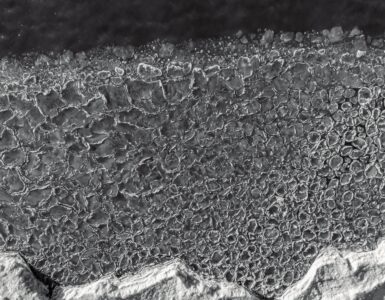
Think of a blanket: it does not need to be warm to slow the cooling of the body beneath it. Snow works in a similar way, though the details depend on its changing structure. Fresh, loose snow generally contains more air than dense, compacted snow; as snow settles, melts or refreezes, its ability to conduct heat changes. The National Snow and Ice Data Center describes how snow grains change shape and how a snowpack becomes compressed over time.
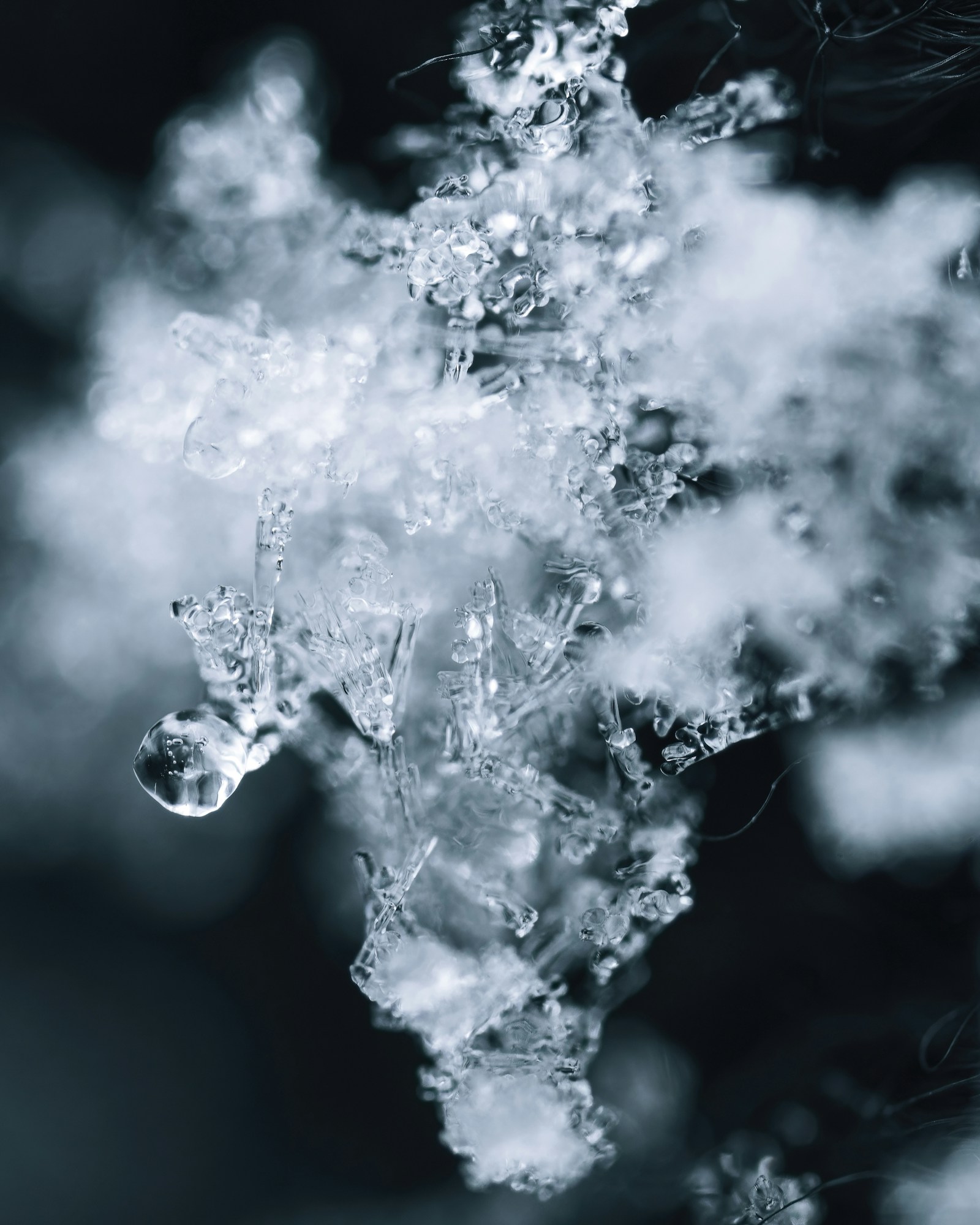
A deeper, continuous layer generally slows heat loss more than a shallow one of similar snow. That does not mean that a particular depth will always produce a particular soil temperature. The temperature of the ground when snow arrives, the length of the cold spell, vegetation and the properties of the snow all matter. If the ground has already frozen deeply before snow falls, the new cover cannot instantly undo that freezing.
Insulation also works in both directions. During a warm spell, snow can slow the transfer of heat toward the soil as well as out of it. It tends to dampen swings in temperature rather than maintain a fixed, comfortable temperature. The U.S. Army Corps of Engineers notes that snowpack temperatures depend on conditions at both the snow surface and its base, along with depth and thermal conductivity.
A steadier winter for roots
To a gardener, a snow-covered bed can look dormant and lifeless. Beneath the surface, perennial crowns, bulbs and the roots of trees and shrubs still need to survive the season. An early, lasting snow cover can reduce how deeply frost penetrates and buffer roots against sharp changes in air temperature. A cold winter with little snow can therefore be harder on some plants than a snowier winter with similar air temperatures.
Repeated freezing and thawing can create a different problem. As wet soil freezes, expands and shifts, small plants and bulbs may be pushed upward, exposing roots to drying and further cold. Snow can moderate these surface temperature swings. University of Wisconsin–Madison Extension notes both the protective value of snow and the risk of root damage when soils freeze deeply without it.
The protection has limits. Plants vary in cold tolerance, and snow is not a substitute for choosing plants suited to local conditions. Deep or heavy snow can also bend or break branches, while long-lasting cover can contribute to problems for some plants. For gardens with unreliable snow, local extension guidance on winter mulch and plant care is more useful than assuming every snowfall will provide enough protection.
The hidden world beneath the snow
There is often more than soil under a snowfield. Grasses, leaves and fallen branches can hold snow above the ground, leaving small openings. Near the base of the snowpack, heat from the ground can also change the snow and help form spaces. This under-snow habitat is known as the subnivean zone.
Voles and mice may use these sheltered spaces and tunnels to travel between food and nesting areas while remaining out of the wind. The Illinois Department of Natural Resources describes their network of routes beneath the snow; after a thaw, winding tracks in flattened grass can reveal where they traveled. The cover offers some protection from predators, but it is not a fortress: foxes can detect movements below and pounce through the snow, and other hunters can follow tunnels.
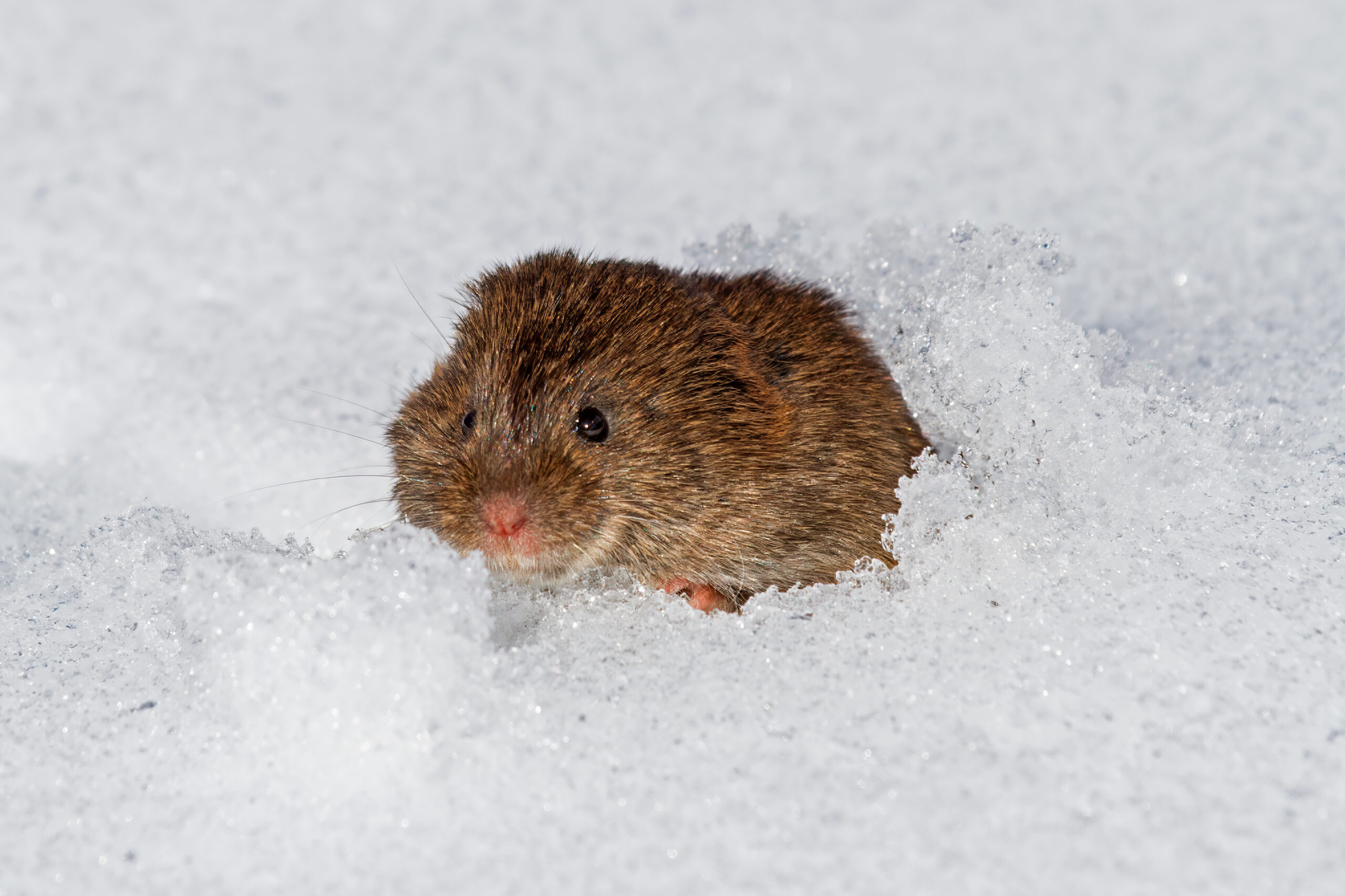
In some places with adequate snow, the air near the ground can remain close to freezing even while the exposed air is much colder. That is still cold, and the exact temperature varies with local conditions. A thin, patchy or disturbed snow cover will not necessarily create the same shelter as a deeper, continuous one. Animals must also find enough food and avoid predators throughout the winter.
Why timing can matter as much as depth
Imagine two neighboring fields exposed to the same cold snap. In one, snow arrives before the temperature plunges; in the other, wind leaves the ground bare. The covered soil starts losing heat more slowly, while the exposed surface responds more directly to cold air. Later measurements could show very different soil temperatures even though the same weather passed over both fields.
Now change the order: let the bare ground freeze first, then add snow. The cover still changes subsequent heat flow, but it starts from colder conditions. Snow may also disappear in a midwinter thaw, exposing soil and animals before another freeze. These comparisons show why the number on a weather app cannot by itself tell you how cold the soil has become.
Snow cover has consequences beyond a single garden or field. It affects winter habitat, soil freezing and the timing of water released as snow melts. The same white layer that reflects winter sunlight also changes the exchange of heat between ground and atmosphere. What looks like an empty, frozen surface is part of a much more active winter landscape.
Sources: National Snow and Ice Data Center, Science of Snow; U.S. Army Corps of Engineers, Snow Properties; University of Wisconsin–Madison Extension, Pros and Cons of Snow for Plants; Illinois Department of Natural Resources, The Subnivean Zone.



Add comment