

 Akshay Dinesh
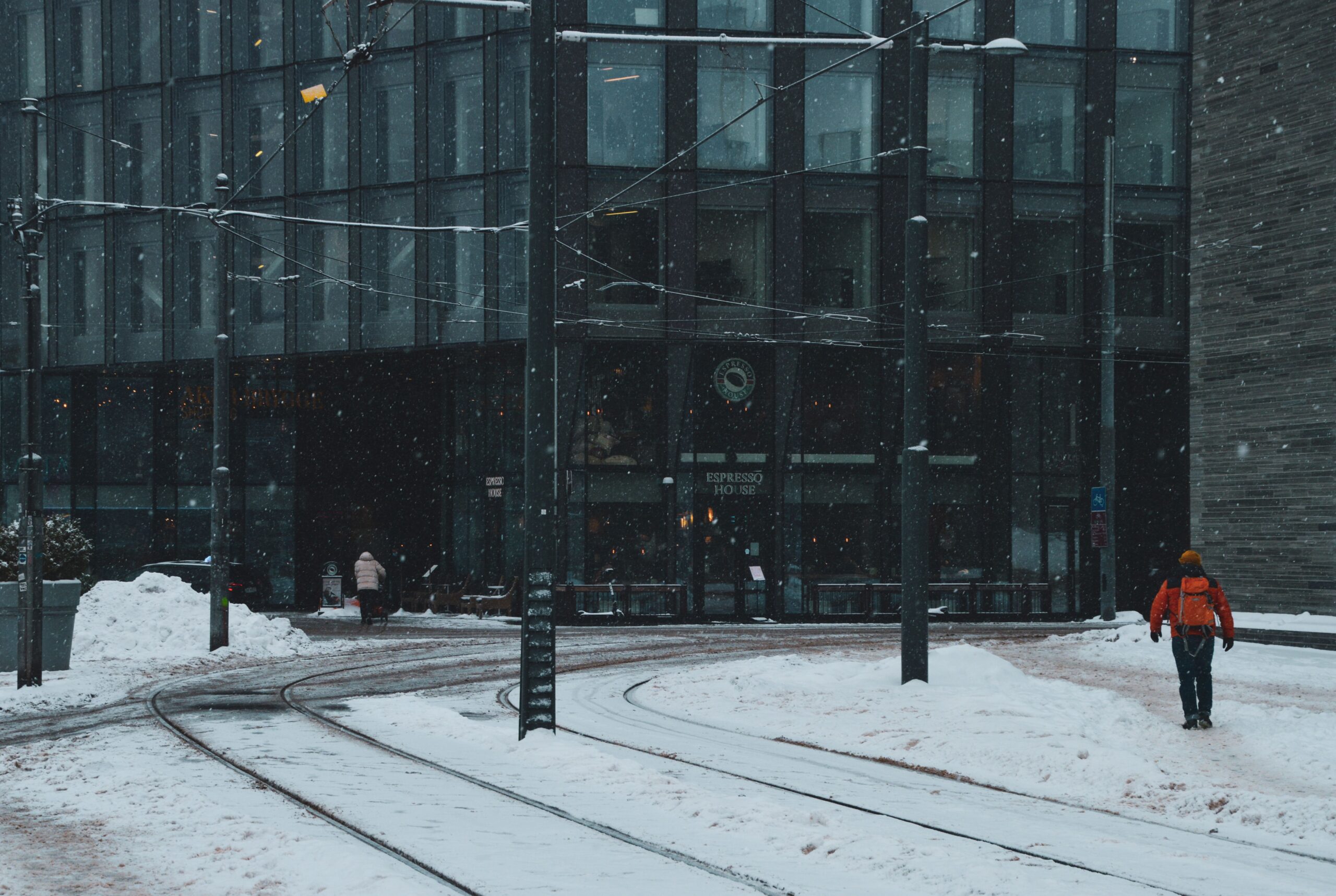
After a fresh snowfall, a familiar street can seem unusually hushed. Footsteps may still crunch and a nearby voice remains clear, but the background wash of traffic and other distant sounds can fade. Fresh snow helps create that effect because its porous surface absorbs some sound that would otherwise be reflected back into the air. Less traffic and other changes in activity can contribute too, so the quiet is not caused by snow alone.
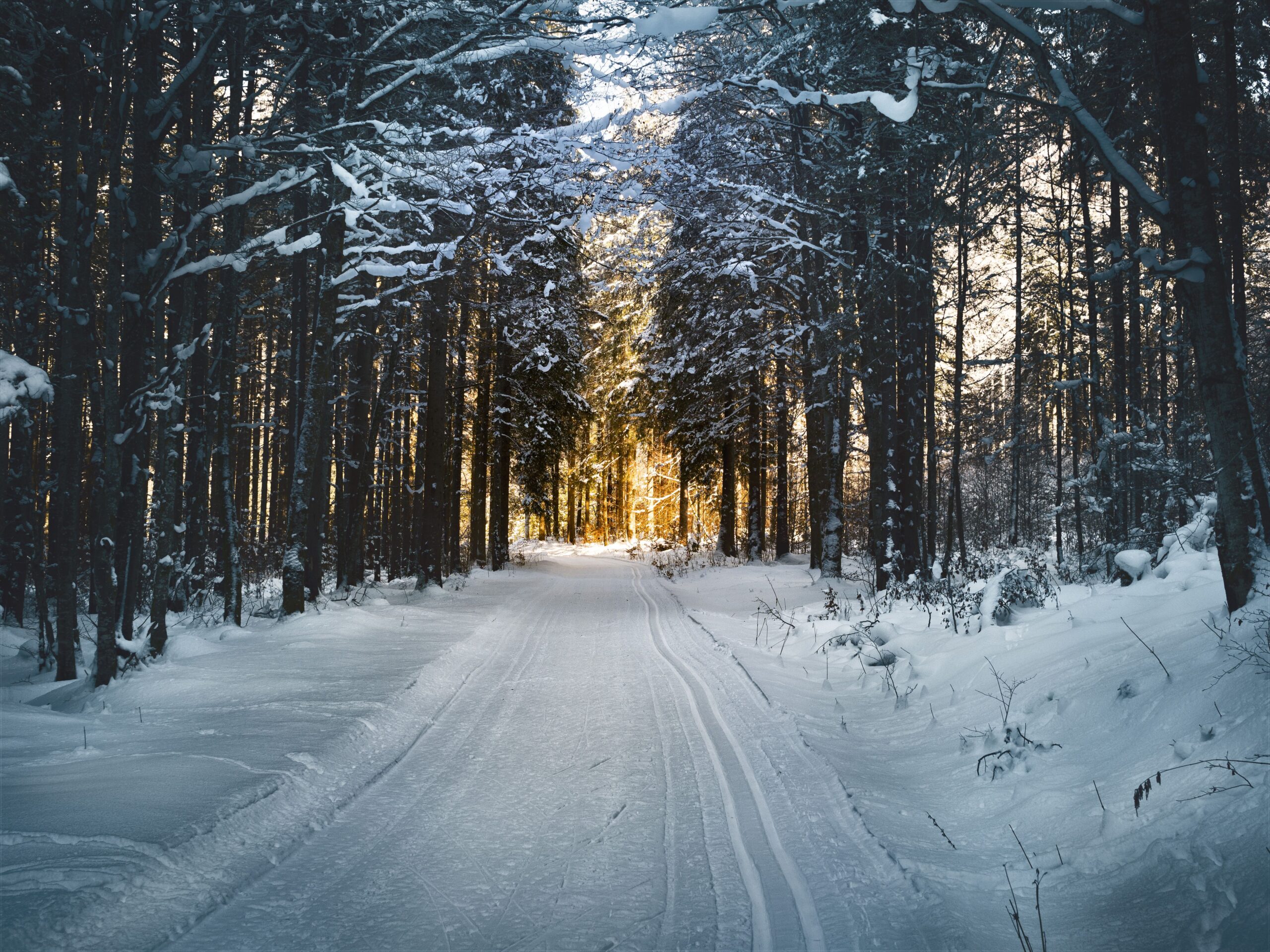
The difference is easiest to notice when a substantial, fluffy layer covers the ground. Snow is not a solid sheet of ice: it is a loose arrangement of ice grains with air spaces between them. Those spaces give sound a route into the surface, where some of its energy is dissipated rather than returned as a reflection.
How snow changes the sound reaching your ears
Sound travels through air as a sequence of pressure changes. When those waves meet the ground, some energy can be reflected, some can enter the surface, and some is dissipated. A hard, smooth surface tends to reflect more sound than a soft, porous one. The National Snow and Ice Data Center describes a thick layer of fresh, fluffy snow as particularly effective at absorbing sound.
Inside loose snow, sound-driven air movement encounters a complicated network of narrow spaces and ice surfaces. Friction and heat exchange in those pores turn a portion of the organized acoustic energy into tiny amounts of heat. This does not make sound disappear instantly, and different frequencies and snow conditions behave differently. It does mean that less reflected sound may reach a listener from snow-covered ground.
Imagine someone speaking across a snow-covered open space. Some sound travels directly from the speaker to the listener; other sound takes a path that interacts with the ground. Snow can weaken the ground-interacting contribution, leaving the overall sound less full or less audible at a distance. The direct voice can still be heard, which is why a snowy landscape is not a soundproof room.
Why fresh snow and icy snow sound different
Snow does not keep the same structure for long. Grains settle and change shape; wind can pack them together, and thawing followed by freezing can create a hard crust. A loose layer and an icy surface therefore need not affect sound in the same way. The National Snow and Ice Data Center notes that a refrozen ice layer can reflect sound more readily than fresh snow, allowing some sounds to travel farther and more clearly.
That contrast is useful, but it is not a precise forecast for every snowfall. Depth, grain structure, frequency and the surface underneath all matter. A thin dusting over pavement is not equivalent to a deep, porous snowpack, and a crust may cover softer layers below it. A classic 1954 field study by researchers studying snow acoustics reported substantial reduction of sound over newly fallen snow, while reduction over hard, frozen snow was comparable to the snow-free condition in its measurements.
Fresh snow can also make its own noise. The crunch under a boot comes from compressing and breaking the snow’s structure, even while the surrounding surface absorbs some of the sounds arriving from elsewhere. A quiet background and a loud footstep are not contradictory: one describes what happens to incoming sound over an area, the other a sound produced right beside the listener.
The air and the neighborhood matter too
A snowfall can change the sources of noise as well as the path sound takes. Fewer cars, slower travel, canceled outdoor activities or a pause in construction may all reduce the sound being made. On another morning, plows and snowblowers may overwhelm the absorbing effect. Comparing two days is tricky unless the amount and location of activity are similar.
Weather can change the path through the air. Temperature differences at different heights can bend sound waves, and wind can affect how readily sound reaches a particular place. A cold, still morning after a storm may therefore sound different for several overlapping reasons. Snow absorption is a real part of the explanation, not a promise that every winter sound will be quieter.
Listen for the difference
To notice the effect, choose a safe, familiar outdoor spot and listen after a fresh snowfall, then again after the snow has settled or developed a crust. Pay attention to the same types of sound: a distant road, a nearby voice or your own footsteps. Keep in mind that wind, traffic and the depth of snow may have changed between visits. This is an observation, not a controlled experiment, but it can make the different paths sound takes easier to hear.
The quiet after snowfall is not simply the absence of noise. It is also a change in the landscape that sound meets on its way to us. As loose snow settles or freezes, that landscape changes again, and familiar sounds can return with a different character.
Sources
National Snow and Ice Data Center, Science of Snow and Quick Facts About Snow; Journal of the Acoustical Society of Japan, Sound absorption of snow and sound propagation over snow; Journal of Glaciology, Audibility within and outside deposited snow.





Add comment