
 Akshay Dinesh
Fresh cranberry sauce can look almost too thin while it is hot, then thicken as it cools. The change comes largely from pectin, a natural carbohydrate in the fruit. Cooking releases pectin from the berries, and the right balance of pectin, acid, sugar, and water allows a delicate network to form around the liquid. That network gives a sauce body and can make a strained jelly firm enough to hold the shape of its container.
The same process helps explain why one batch pours easily while another can be sliced. The difference is not simply how many berries go into the pan. How much water remains, how long the fruit cooks, and the recipe’s balance of ingredients all affect the finished texture.
What pectin does inside a cranberry
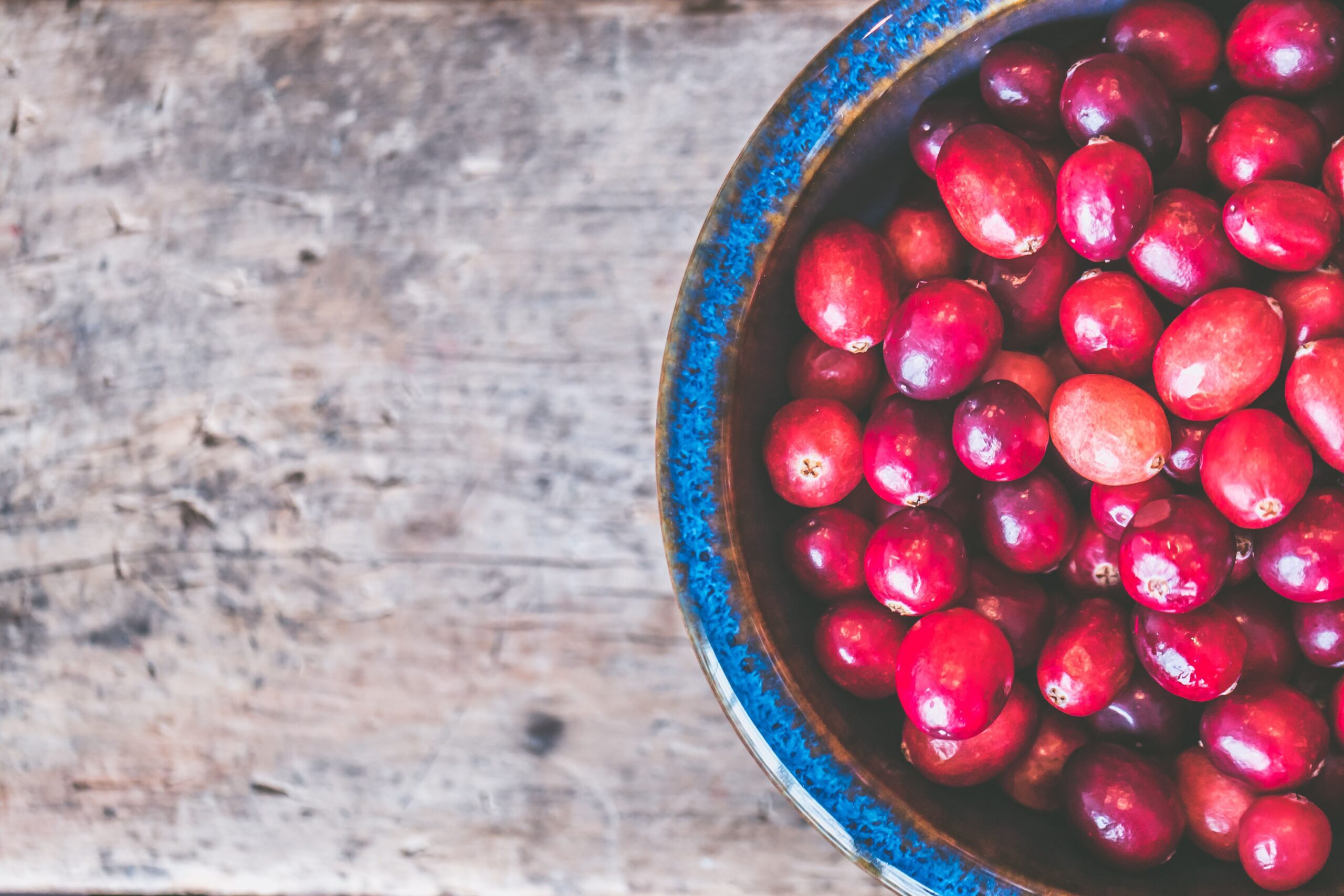
Pectin is a group of long carbohydrate molecules found in plant cell walls and the material between cells. In fruit, it helps give tissues structure. When cranberries are heated with liquid, the berries soften and burst, and pectin becomes available in the mixture. Cranberries contain enough natural pectin and acid to make a gel with sugar in a suitable recipe, so a traditional sauce does not necessarily need a packet of commercial pectin.
A gel is neither a dry solid nor a freely flowing liquid. The pectin molecules form a connected, three-dimensional network that holds water and dissolved ingredients in place. Think of a very fine net filled with liquid: the liquid is still there, but the network makes it harder for the mixture to flow. The University of Minnesota Extension describes a similar pectin web in fruit spreads.
Heat helps release pectin, but the finished gel develops as the cooked mixture cools. That is why judging only by the movement of hot sauce in the pan can be misleading. A sauce intended to be spoonable may remain soft even when it has set as intended; a smooth, concentrated jelly is designed to hold a more definite shape.
Why sugar, acid, and water affect the set
In a traditional high-sugar fruit gel, sugar does more than make tart cranberries palatable. It helps create conditions in which pectin chains can associate with one another. Acid also encourages those chains to come together by reducing the electrical repulsion between them. The molecules can then form the network that traps liquid as the sauce cools.
Proportion matters. Too much water dilutes the mixture, while cooking allows some water to evaporate and concentrates what remains. Too little sugar for a conventional recipe can leave a softer set, even when the sauce tastes sweet enough. Too much cooking can also cause problems: the University of Minnesota Extension notes that overcooking can break down pectin and weaken a gel.
This does not mean every sauce needs the same amount of sugar. Low-sugar recipes can use different ingredients or types of pectin formulated to gel under different conditions. The practical distinction is between following a recipe designed for less sugar and substantially reducing the sugar in a traditional recipe while expecting the same texture. A looser sauce is not necessarily a failure if that is the texture you prefer.
Why homemade and canned sauces look different
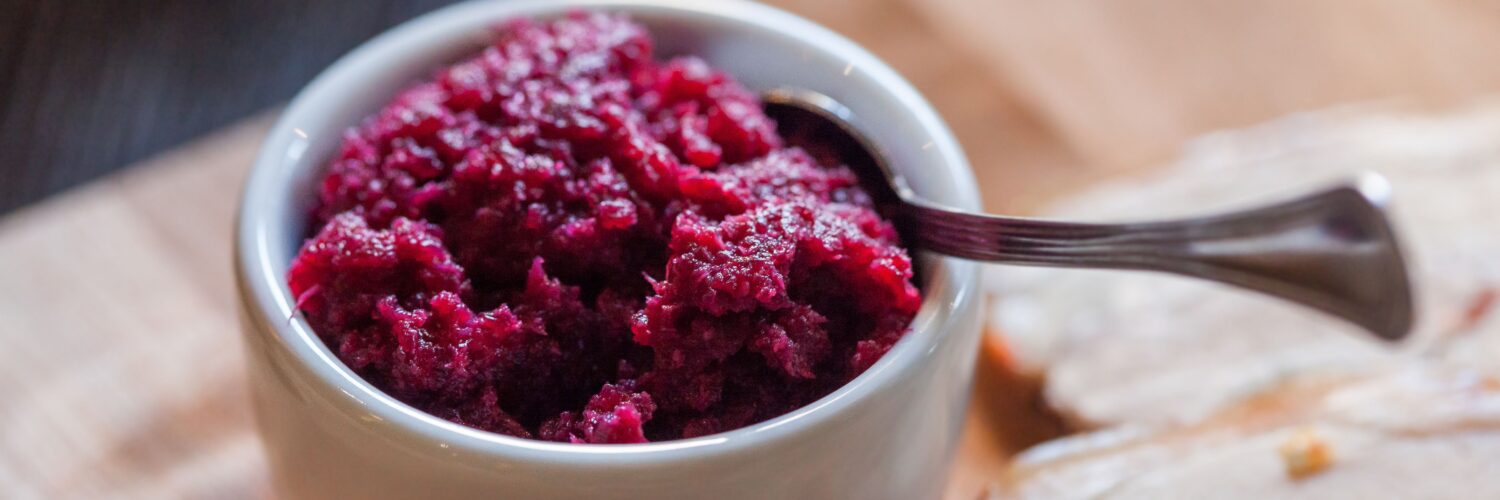
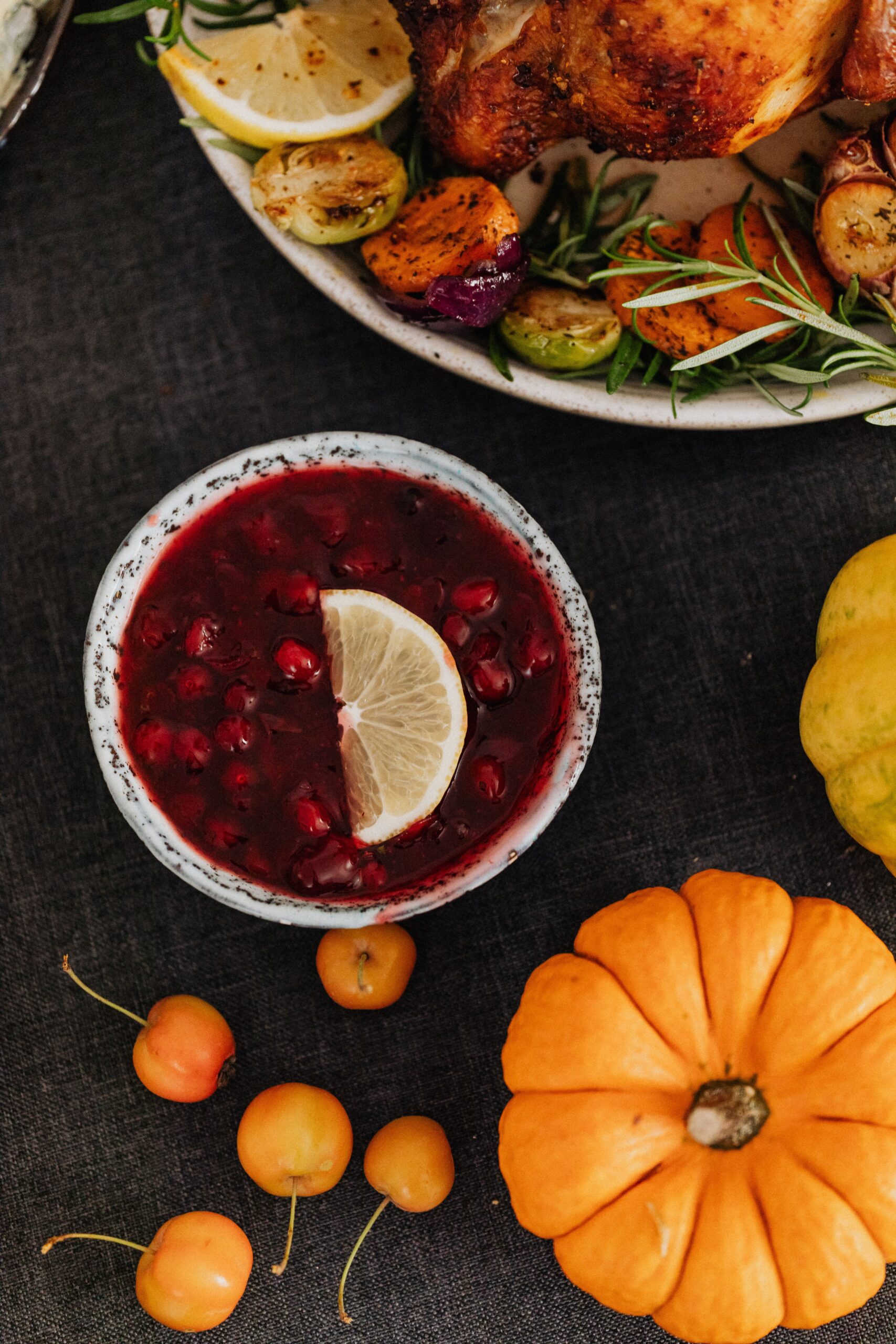
Whole-berry sauce keeps pieces of fruit and skins in the mixture. Its texture can range from loose and spoonable to fairly firm, depending on the recipe and cooking. Jellied sauce is typically strained to remove solids, producing a smoother mixture. When sufficiently concentrated and set in a container, that gel can hold the familiar cylindrical shape after it is removed.
Straining changes more than appearance: it removes the pieces that make whole-berry sauce chunky. But straining alone does not guarantee a firm jelly. The balance of pectin, acid, sugar, and water still determines whether the remaining liquid sets. The Exploratorium notes that additional cooking can release more pectin and evaporate water, helping a mixture become firm enough for a mold.
When a sauce stays runny
First, give the sauce the cooling time specified by its recipe. A warm mixture can seem much looser than the finished product. If it is still thin after cooling, the cause may be an imbalance in the ingredients, too much liquid, or insufficient cooking. Batch size matters too: a larger quantity may evaporate water at a different rate, so doubling a recipe can change the result.
A soft set is a texture problem, not proof that food is unsafe. The reverse is also true: a firm gel does not prove that a sauce is safe to store. Refrigerate perishable prepared sauce promptly according to the recipe or food-safety guidance. For shelf-stable home canning, use a tested recipe and its processing instructions rather than treating a firm set or a sealed lid as a safety test.
Once you know what the pectin network is doing, cranberry sauce becomes easier to read. The bubbling pan is only the beginning; the cooling mixture reveals how the fruit, sugar, acid, and water worked together. Whether the result is a loose spoonful or a sliceable jelly, its texture is a small, edible example of chemistry at work.
Sources: Pennsylvania State University Extension, Preserving Cranberries; University of Minnesota Extension, Fruit Spreads; and the Exploratorium, Science of Cooking.




Add comment