

 Akshay Dinesh
When a United Nations climate summit opens, the headlines often jump straight to speeches, protests, and a final agreement announced after a night of bargaining. That can make the event look like a single enormous meeting where leaders decide the planet’s future in one room. A COP is more complicated and, in some ways, more useful than that picture suggests. It is a rule-making process, a progress review, a funding negotiation, and a public test of what governments are prepared to do.
COP31 opened in Antalya, Türkiye, on November 9, 2026, with an official programme running through November 20. Its emphasis on implementation arrives at a revealing point: the Paris Agreement has created a repeating cycle of national plans and collective review, but the distance between stated ambition and real-world action remains large. Knowing what a COP can actually decide helps separate consequential outcomes from ceremonial language and side-event promises.
What the letters COP really mean
COP stands for Conference of the Parties. The “parties” are the countries and regional organization that have joined the 1992 United Nations Framework Convention on Climate Change, or UNFCCC. They meet as the Convention’s highest decision-making body, normally once a year. The number attached to a summit counts those meetings, so COP31 is the thirty-first session.
Three related governing bodies now meet during the same conference period. The COP oversees the original climate convention. The CMP governs the Kyoto Protocol, while the CMA oversees the Paris Agreement and makes decisions about its implementation. News coverage often calls all of this “the COP,” but a formal decision may belong to one body rather than another. That distinction tells negotiators which treaty gives a decision its legal foundation and which parties take part in adopting it.
The visible summit is only the top layer. National delegations include diplomats, lawyers, scientists, economists, and specialists in energy, agriculture, forests, finance, and other fields. Two permanent subsidiary bodies do much of the technical and implementation work. Draft text may pass through contact groups and informal consultations before reaching a closing plenary. By the time a president’s gavel falls, individual words may have been negotiated for days or carried forward from earlier sessions.
How nearly 200 parties reach one decision
UN climate decisions are normally adopted by consensus. Consensus does not mean every government considers the result ideal. It generally means no party raises an objection that prevents adoption when the chair asks whether the room can accept the text. This method gives small and vulnerable countries a voice that a simple majority vote might weaken, but it also gives every delegation leverage and can pull an agreement toward language that a very broad group can tolerate.
Negotiators therefore care intensely about verbs. A decision that “urges” action sends a different signal from one that “requests” a named body to complete a task. A paragraph that “notes” a report does not necessarily endorse every finding in it. Dates, definitions, reporting formats, and the identity of the institution responsible for follow-through can matter more than an impressive sentence in the preamble.
The negotiating package also contains tradeoffs. A country may accept stronger language on cutting emissions if it receives clearer support for adaptation or finance. Another may resist a common reporting rule unless it recognizes differences in national capacity. The result is rarely a clean vote on one proposition. It is a web of linked decisions in which trust, procedure, and the practical ability to carry out a promise all shape the text.
National plans are the engine of the Paris Agreement
The Paris Agreement does not assign each country an emissions quota from a single global blueprint. Instead, every party prepares a nationally determined contribution, usually shortened to NDC. An NDC states what the country intends to do, often including an emissions target and measures involving electricity, transport, buildings, industry, forests, or methane. Parties are expected to submit successive NDCs on a five-year cycle and to make each one a progression beyond the previous plan.
That design solved a political problem. Governments with very different economies and responsibilities could join one framework without agreeing to identical targets. It also created a weakness: the temperature goal is collective, but the headline targets are nationally chosen. A COP can set shared guidance for how NDCs are communicated and accounted for, yet it does not write a country’s domestic energy law or budget.
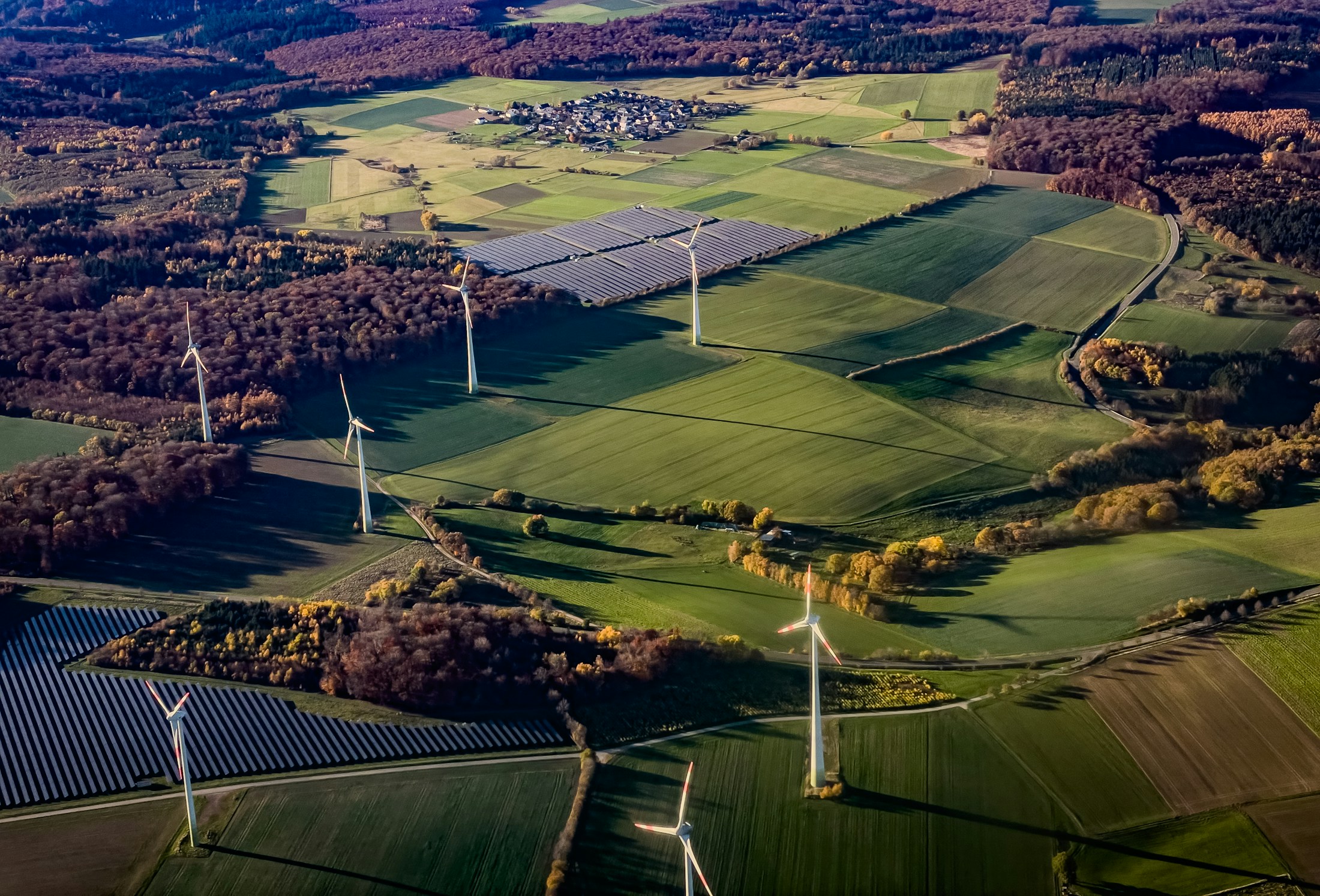
The Paris system uses transparency and repeated review to create pressure. Countries report emissions and progress under a common transparency framework. Every five years, a global stocktake assesses collective progress on mitigation, adaptation, and support. The stocktake does not grade countries one by one. Its findings are meant to inform the next round of national plans, turning evidence about the global gap into a reason for stronger domestic action.
This is why a COP outcome can matter even when it does not immediately close a power plant or build a rail line. Common measurement rules make national claims easier to compare. Timetables can prevent plans from drifting onto incompatible schedules. Guidance on carbon markets can determine whether an emissions reduction is counted once or claimed by more than one party. The machinery sounds procedural because it is, but credible cooperation depends on that machinery.
What COP decisions can put into motion
Formal decisions can establish work programmes, technical standards, expert groups, reporting arrangements, and processes for reviewing progress. They can create or guide financial institutions, invite countries to submit plans, and request the UNFCCC secretariat or treaty bodies to perform defined work. Past conferences have developed the Paris rulebook, advanced arrangements for a fund responding to climate-related loss and damage, and negotiated rules for cooperation under Article 6 of the Paris Agreement.
Money runs through many of the hardest debates. Developing countries may need grants, concessional loans, technology, or staff capacity to build clean infrastructure and prepare for hazards they did relatively little to cause. A finance decision can define a collective goal, direct an operating entity, or improve access procedures. It cannot, by wording alone, guarantee that every promised dollar arrives on time or that funds reach the communities with the greatest need.
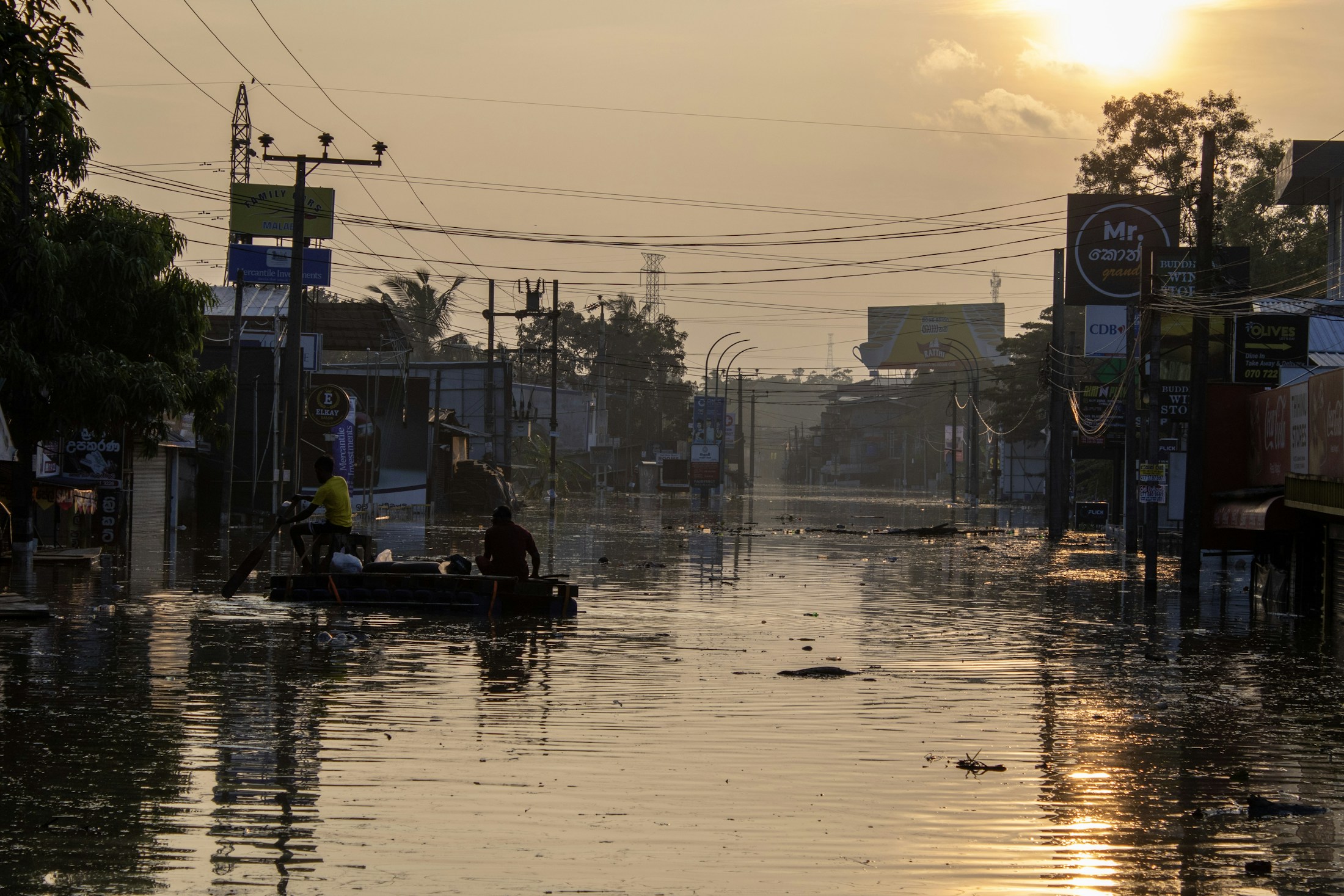
Adaptation exposes the same gap between a framework and delivery. COP decisions can improve National Adaptation Plans, agree on indicators, organize technical support, and channel finance toward resilience. The physical work still happens through national and local choices: redesigning drainage, protecting water supplies, changing building standards, restoring wetlands, strengthening health systems, or helping farmers manage shifting rainfall. An international decision is valuable when it makes those choices easier to fund, compare, and carry out.
Not everything announced at a COP has the same status. A presidency initiative, a company pledge, a coalition declaration, and a treaty-body decision may all be launched in the same venue. Voluntary initiatives can mobilize real investment and experimentation, but they are not automatically agreements among all parties. Careful readers should ask who made the promise, whether the language was formally adopted, how progress will be measured, and what happens after the conference ends.
What a COP cannot enforce by itself
A COP is not a world legislature with power to pass a domestic law in every country. It has no global police force, and it does not fine a government simply because its NDC target is missed. The Paris Agreement’s implementation and compliance mechanism is designed to be expert-based, facilitative, non-adversarial, and non-punitive. National politics, courts, regulations, public spending, technology costs, and private investment determine whether most promises become reality.
That limit is sometimes mistaken for proof that the process has no force. The better question is what kind of force it creates. Shared rules can expose weak accounting. Regular deadlines can keep climate plans on government agendas. Scientific assessments and stocktakes can make the gap between policy and temperature goals harder to hide. Finance agreements can change which projects become possible. Diplomatic pressure can also alter expectations in markets and public policy, even when no international officer can compel compliance.
COP31’s official agenda in Antalya places strong attention on moving from commitments to measurable implementation, with priorities spanning electrification, resilient cities, food systems, climate finance, industry, forests, oceans, and biodiversity. The leaders’ summit on November 11 and 12 will bring political attention, but the most durable outcomes will be found in adopted text, work plans, finance arrangements, reporting expectations, and the national decisions that follow.
Judging a climate summit therefore requires patience after the closing gavel. A strong result should clarify who will act, by when, with what resources, and under what system of measurement. It should also make the next round of national action more ambitious and more credible. COP decisions cannot substitute for action at home, but they can build the common rules and pressure that make separate national efforts add up to something larger.