Akshay Dinesh
A hand can look clean and still carry microbes picked up from a doorknob, phone, cutting board, or another person. Soap does not need to sterilize the skin to make a meaningful difference. It loosens the oily film and dirt that help material cling to the hand, while rubbing and rinsing carry much of that material away. That everyday mechanism is the reason October 15 is observed as Global Handwashing Day, but the useful science lasts all year: effective handwashing is a coordinated process, not a special ingredient in a fancy bottle.
Why water alone leaves so much behind
Human skin is not a smooth sheet. Under magnification it has folds, pores, nail edges, and a thin mixture of natural oils, sweat, shed cells, and whatever the hand has recently touched. Some microbes sit loosely on the surface. Others become trapped in grease or dirt, where plain water has trouble reaching them because oil and water resist mixing.
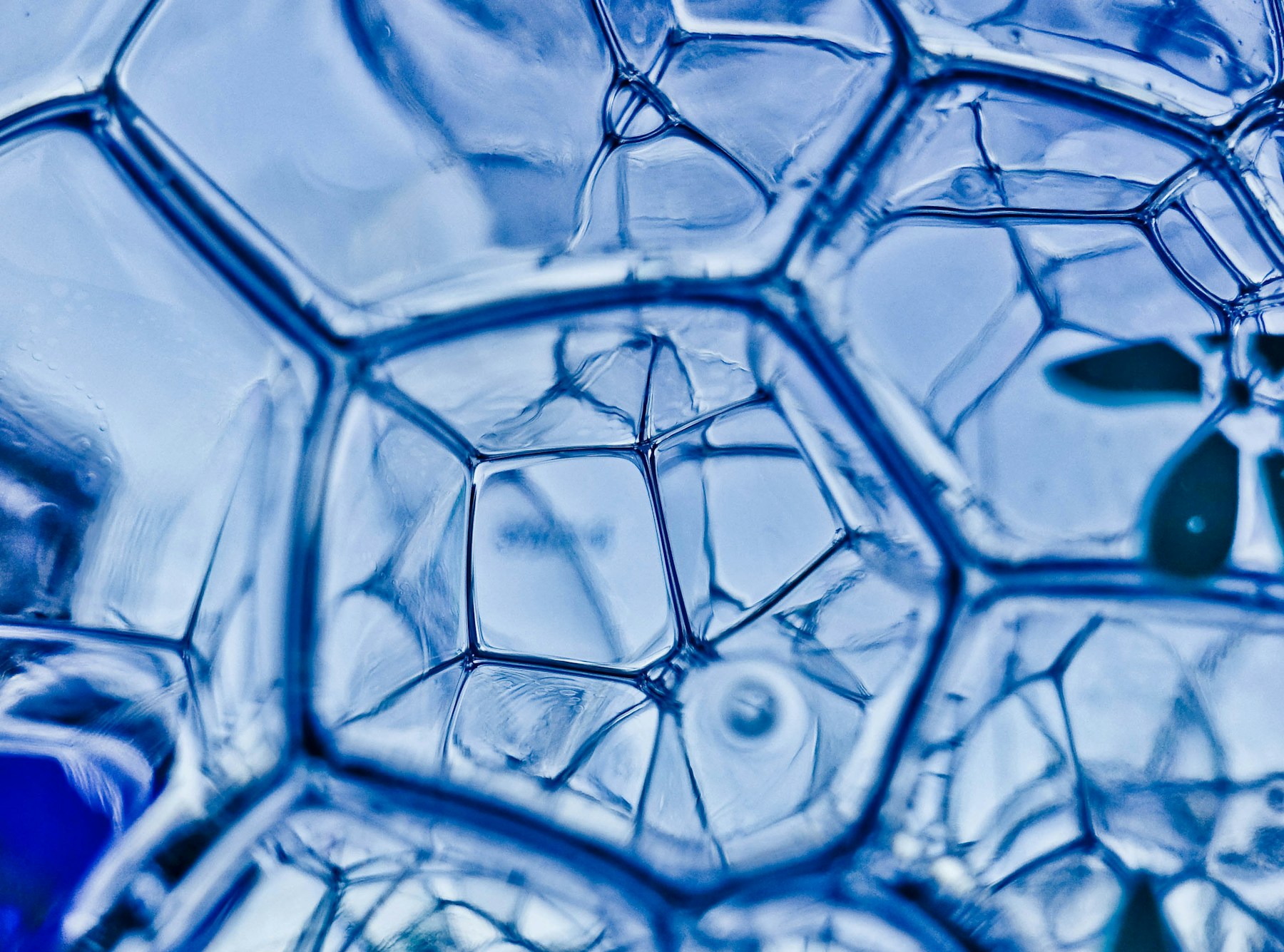
Soap changes that relationship. Its cleaning ingredients are surfactants, molecules with one region attracted to water and another attracted to oils. The oil-seeking ends work into grease and grime while the water-seeking ends remain in the surrounding water. As the hands are rubbed, these molecules help pull oily material away from the skin and break it into tiny suspended droplets.
Surfactants can gather around those droplets in structures called micelles, with their oil-attracted portions tucked inward and their water-attracted portions facing out. The Centers for Disease Control and Prevention describes the lather as forming pockets that trap and remove dirt, chemicals, and germs. When the hands are rinsed, the suspended material can travel down the drain instead of settling back onto the skin.
Soap helps by removing germs, not merely killing them
The word germ covers very different biological objects, including bacteria, viruses, fungi, and hardy parasite stages. No single simple claim describes what soap does to all of them. Some soap molecules can disrupt the lipid envelope surrounding viruses such as influenza viruses, weakening a structure they need to infect cells. Yet many microbes do not have that kind of fatty envelope, and ordinary handwashing should not be imagined as a chemical attack that kills everything it touches.
The broader advantage is physical removal. Soap loosens material from the skin; rubbing supplies friction and movement; running water takes the released material away. That combination can reduce many kinds of microbes whether or not the soap damages them directly. It also removes substances that sanitizer cannot neutralize, including some pesticides, heavy metals, and ordinary grease.
This is why a washed hand is cleaner but not sterile. Harmless resident microbes normally live on skin, and complete sterilization is neither the goal nor a realistic result of washing at a household sink. The practical aim is to lower the amount of potentially harmful material and interrupt the routes by which it reaches food, the mouth, the eyes, another person, or a shared surface.
Why the 20 seconds and the rubbing matter
Soap cannot work well in places it never reaches. Fingertips, thumbs, the backs of the hands, spaces between fingers, and the areas around and under nails are easy to miss. Lathering across those surfaces distributes the surfactants, while rubbing creates friction that helps lift dirt, grease, and microbes from the skin’s small grooves.
The CDC recommends scrubbing for at least 20 seconds because shorter washing tends to remove fewer microbes. Twenty seconds is not a magical instant at which every organism disappears. It is a memorable, evidence-based duration that gives most people enough time to cover the hand thoroughly. Technique and coverage still matter: twenty seconds spent rubbing only the palms leaves the fingertips and thumbs untreated.
Water temperature is mostly a comfort choice. The CDC reports that warm and cold water remove similar numbers of germs, while water hot enough to kill microbes would also be hot enough to injure skin. Clean running water is preferable to a shared basin because the rinse carries loosened material away. Afterward, complete drying matters because microbes transfer more easily to and from wet hands. A clean towel and an air dryer are both acceptable; current evidence does not establish one as universally superior.
- Wet: Use clean running water, warm or cold.
- Lather: Apply plain soap and cover every surface of both hands.
- Scrub: Rub for at least 20 seconds, including thumbs, fingertips, between fingers, and around nails.
- Rinse: Let running water carry away the loosened material.
- Dry: Use a clean towel or an air dryer and dry the hands completely.
Plain soap, antibacterial soap, and sanitizer are not interchangeable
For routine handwashing at home, school, or work, plain soap is enough.
Bar soap and liquid soap can both do the job. The visible amount of foam is not a direct measure of how many microbes will be removed; lather mainly helps spread the soap and makes it easier to see where the hands have been covered. A fragranced, expensive, or heavily foaming product is not automatically more effective. The best everyday soap is one that cleans without irritating the user’s skin and is readily available when washing is needed. The U.S. Food and Drug Administration says there is not sufficient evidence that over-the-counter antibacterial soaps prevent illness better than plain soap and water. In 2016, the agency ruled that 19 active ingredients, including triclosan and triclocarban, could no longer be marketed in certain consumer antiseptic washes because manufacturers had not shown that they were both safe for long-term daily use and more effective than ordinary washing.
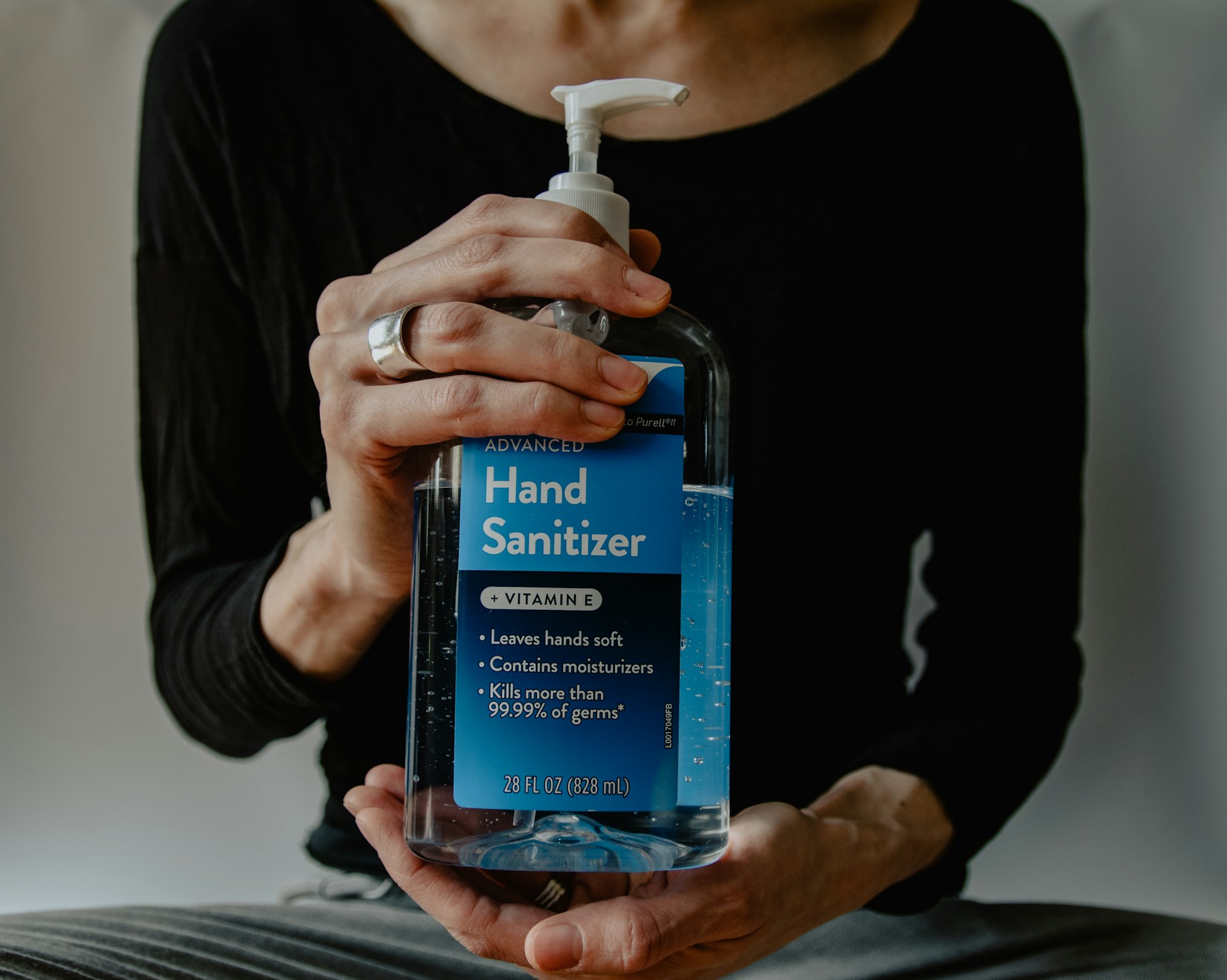
Alcohol-based hand sanitizer solves a different problem: it makes hand cleaning possible when a sink is unavailable. A product containing at least 60 percent alcohol can rapidly inactivate many microbes when enough is applied to cover the hands and rubbed until dry. In many health-care situations, sanitizer is preferred because workers must clean their hands repeatedly and move quickly between tasks.
Sanitizer is not a universal substitute for soap and water. It works less reliably on visibly dirty or greasy hands and does not remove harmful chemicals. The CDC also notes that soap and water are more effective against certain germs, including Cryptosporidium, norovirus, and Clostridioides difficile. After using the toilet, before eating, while handling food, or when caring for someone with vomiting or diarrhea, access to soap and running water is especially valuable.
Good timing matters more than constant washing
Hands do not need to be washed after every object they touch. The highest-value moments are the ones that connect a likely source of contamination to a route into the body or to another person. The CDC highlights washing before, during, and after food preparation; before eating; after using the toilet or changing a diaper; after coughing, sneezing, or blowing the nose; after touching animals or garbage; and before and after caring for someone who is ill or treating a wound.
More aggressive washing is not automatically better washing. Very hot water, harsh products, and incomplete rinsing can irritate skin, while cracked skin is uncomfortable and makes the routine harder to maintain. Comfortable water, plain soap, complete rinsing, gentle drying, and moisturizer when needed make good technique easier to repeat.
The strength of handwashing lies in this ordinary sequence. Surfactants loosen oily material, micelles hold it in water, friction reaches into the skin’s texture, rinsing removes what has been lifted, and drying limits transfer from damp hands. None of the steps is spectacular on its own. Together, they turn a brief visit to the sink into a reliable break in the path that germs use to move from surfaces to people.