 Akshay Dinesh
The first cool morning of the season often brings an unsettling surprise: warm air begins moving through the house, and the rooms briefly smell as if something is burning. In many homes, that odor is simply the heating system meeting months of settled dust. The smell should be light, should fade as the system runs, and should not come with smoke, sparks, alarms, or worsening symptoms. Those distinctions matter because a normal seasonal startup odor and a genuine heating problem can begin with the same vague thought: something smells hot.
A Summer’s Worth of Dust Meets a Hot Surface
A forced-air furnace may sit unused for heating through much of spring and summer, even if the same ductwork carries cooled air. Fine particles still reach the equipment and nearby surfaces. Household dust is a shifting mixture of fabric fibers, skin flakes, soil, pollen, pet material, cooking residue, and other tiny bits carried by indoor air. Some settles on the heat exchanger, burners, electric heating elements, registers, or the first stretches of ductwork.
When the thermostat calls for heat after that long pause, metal surfaces warm quickly and the blower pushes heated air through the system. Dust resting on the hottest parts begins to dry, darken, and change. The resulting odor is often described as dusty, toasted, smoky, or like a warm attic. Furnace manufacturers including Trane and Carrier identify this short-lived dust odor as a common seasonal startup effect.
The everyday phrase burning dust can make the process sound more dramatic than it usually is. The dust does not need to burst into flame. Heating can drive off absorbed moisture and volatile compounds, while some organic material undergoes mild thermal decomposition or oxidation. Our noses can detect very small amounts of the molecules released, so an obvious smell does not automatically mean there is visible smoke or an active fire.
Why the Odor Travels So Quickly
A central heating system is designed to move a large volume of air. Return vents draw room air toward the air handler, the system warms it, and supply ducts distribute it to several rooms. That circulation can spread a small odor source through the house within minutes. A smell that seems to be everywhere may therefore come from one piece of equipment rather than from many separate locations.
Air temperature also changes how people notice an odor. Warm air moving across a dusty register can release compounds that were barely noticeable while the surface was cool. The first heating cycle may also stir settled particles from vents and nearby floors. A person standing by a supply register will often notice the smell before someone farther away.
This is also why the odor is usually strongest during the first sustained heating run, not every time the furnace starts. Once the thin layer of dust on hot surfaces has been heated and the loose material has moved through the filter and ducts, there is much less left to produce the same effect. A dusty smell that returns strongly on every cycle points away from a simple once-a-season explanation.
How Long a Normal Startup Smell Should Last
There is no single minute mark that fits every heating system, but the direction should be clear: a normal dust odor becomes weaker, not stronger. Manufacturer guidance describes anything from roughly ten minutes to a few hours, depending on the equipment and how much dust accumulated. The useful test is not whether the smell disappears at an exact time. It is whether a mild, familiar dust odor steadily fades during the first run.
Before the heating season begins, check the air filter according to the equipment manufacturer’s directions. The U.S. Department of Energy’s Building Science Education program notes that a dirty or clogged filter can sharply reduce airflow, increasing run time, motor wear, and energy use. The U.S. Environmental Protection Agency also stresses that a furnace filter must be compatible with the system; a higher-efficiency filter is helpful only if the fan and filter slot can handle it.
Keep supply registers and return grilles open and clear of rugs, furniture, papers, and toys. Look around the furnace or air handler for stored objects that may have shifted too close. These checks do not replace professional service, and the equipment cabinet should stay closed unless the owner’s manual specifically describes a safe homeowner task. Electrical, fuel, burner, and heat-exchanger work belongs to a qualified technician.
Smells That Do Not Belong in the Normal Category
A brief dusty odor is very different from a sharp smell of melting plastic, hot wiring, oil, or persistent smoke. Plastic or electrical odors can point to overheated wiring, a strained blower motor, a foreign object in a vent, or another component getting hotter than it should. Turn the system off and arrange an inspection rather than waiting for that smell to burn away. Visible smoke, sparking, repeated breaker trips, or an alarm calls for an immediate response under local emergency guidance.
A sulfur or rotten-egg odor near a gas appliance may indicate the odorant added to natural gas or propane. Do not operate switches or try to locate a leak yourself. Leave the building, move away from it, and contact the gas supplier or emergency services from outside, following the supplier’s instructions. The National Fire Protection Association gives the same basic warning: if gas is smelled in a gas heater, do not light the appliance.
Carbon monoxide requires a separate warning because it has no smell. A nose cannot confirm that a fuel-burning furnace is venting safely. The U.S. Consumer Product Safety Commission recommends working carbon-monoxide alarms on every level of the home and outside sleeping areas, along with annual professional inspection of fuel-burning heating systems, chimneys, and flues.
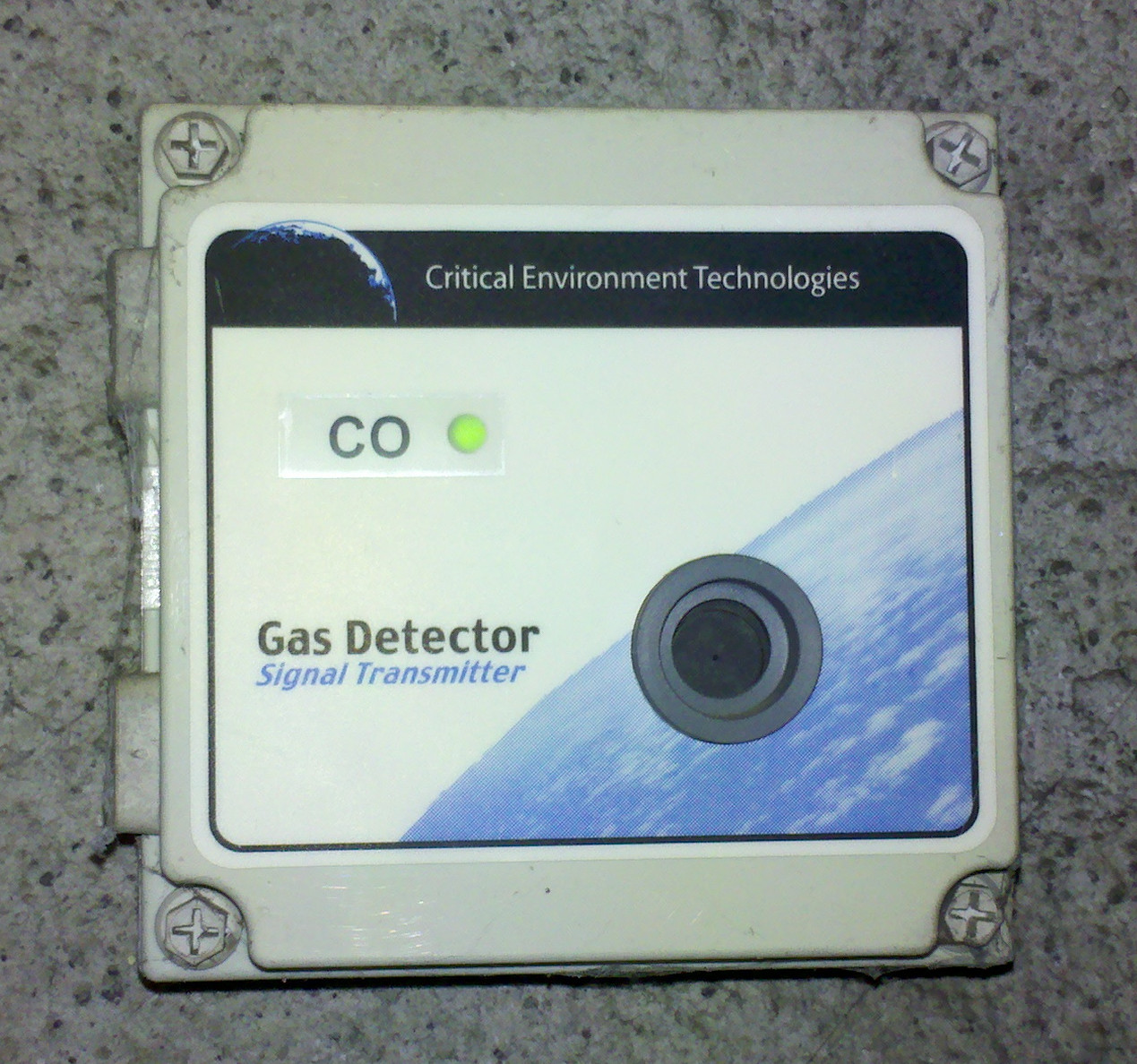
If a carbon-monoxide alarm sounds, move everyone outside to fresh air and call emergency services; do not search the house for the source.
Pay attention to people as well as equipment. Headache, dizziness, weakness, nausea, confusion, or unusual fatigue can occur with carbon-monoxide exposure and may be mistaken for an ordinary illness. Symptoms affecting several people at once, especially when they improve outdoors, deserve urgent action even if no one smells anything unusual.
A Better First-Heat Routine
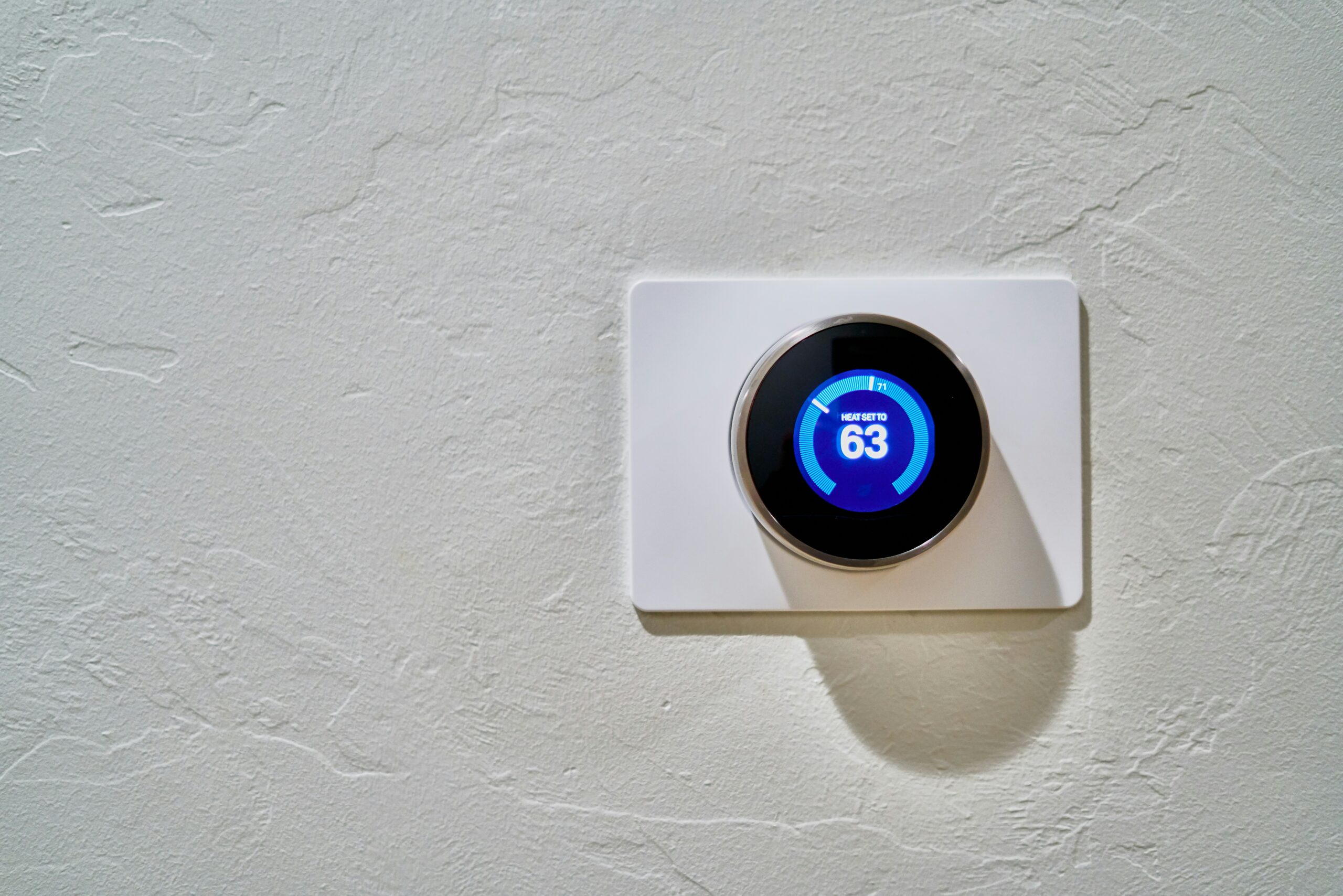
The first cold snap is a poor time to discover a neglected filter, blocked vent, dead alarm battery, or service problem. A short check before the thermostat is turned up can make the first heating cycle less mysterious. Confirm that smoke and carbon-monoxide alarms work, inspect the filter, clear the area around heating equipment, and make sure registers and returns are unobstructed. The CPSC advises having fuel-burning heating systems professionally inspected and serviced every year.
When the heat begins, stay nearby long enough to notice the system’s behavior. A mild dusty odor that starts promptly and fades is consistent with settled particles warming for the first time. A smell that grows stronger, returns cycle after cycle, remains after several hours, or has the character of plastic, wiring, oil, heavy smoke, or gas needs a different response. Shut the system down when appropriate and bring in a qualified professional rather than opening combustion or electrical components.
The reassuring part of the familiar first-heat smell is its pattern: it arrives after a long idle season, spreads with the first warm airflow, and then disappears. Understanding that pattern makes it easier to stay calm when the cause is ordinary and to act quickly when the details do not fit. Smell can be an early clue, but safe heating depends on clear vents, suitable filtration, maintained equipment, and alarms that can detect the danger a human nose cannot.