 Akshay Dinesh
A thin packet that warms up after its wrapper is opened can look almost magical. There is no battery, flame, or hot water inside. The main source of heat is ordinary iron undergoing the same broad chemical change that makes a neglected tool rust. A disposable hand warmer simply arranges the materials so that this usually slow reaction happens at a useful rate.
The clever part is control. Iron must meet oxygen and moisture, but it cannot react so quickly that the packet becomes dangerously hot or so slowly that a cold hand feels nothing. The powder, supporting ingredients, porous pouch, and airtight outer wrapper work together as a compact thermochemistry system.
Opening the wrapper starts an exothermic reaction
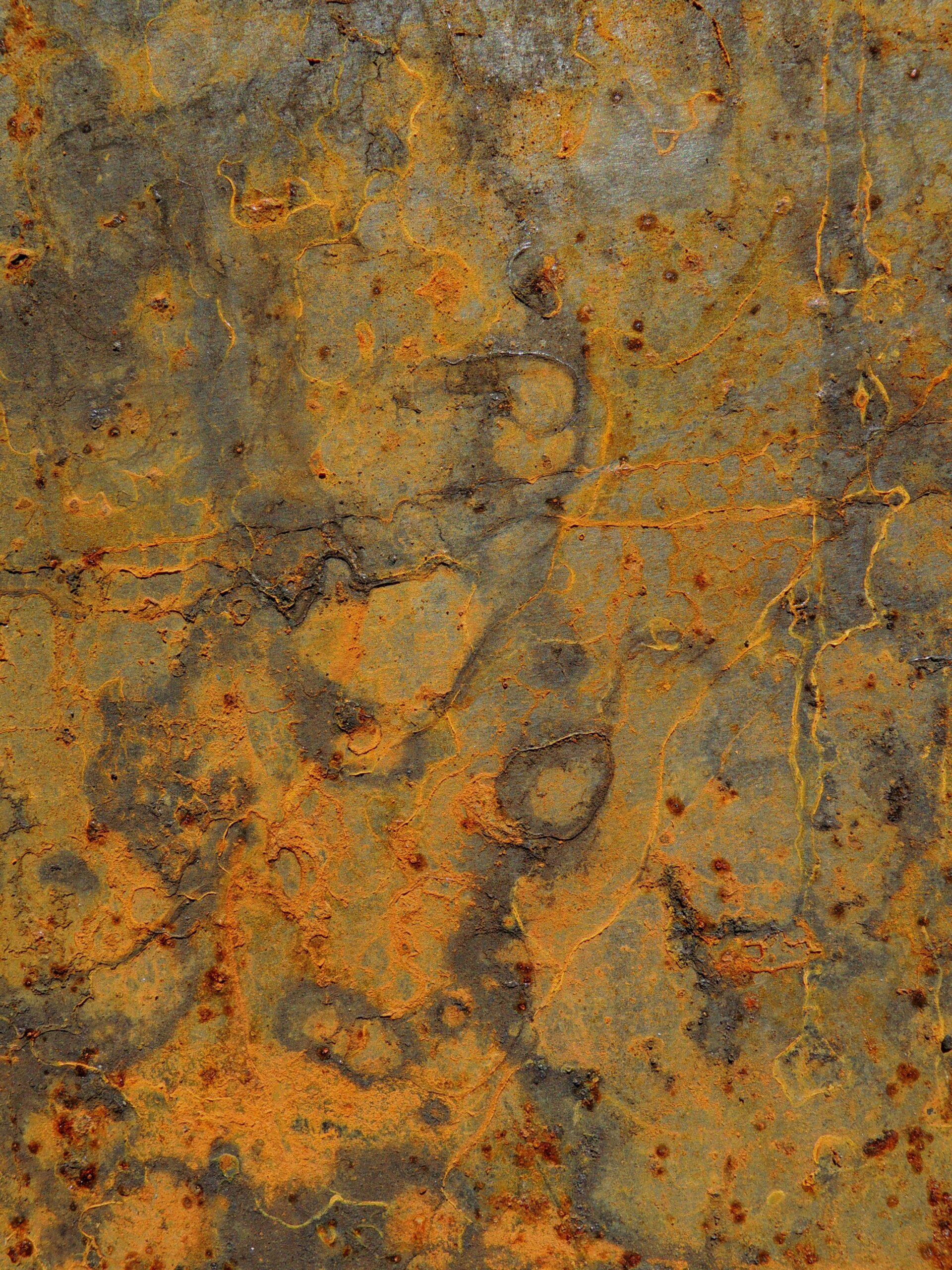
An unused hand warmer is sealed inside an outer package that blocks air. Tear that package open and oxygen begins moving through the tiny pores of the inner fabric pouch. Inside, oxygen reaches damp iron powder and the iron begins to oxidize. Oxidation means that iron atoms lose electrons as they combine with oxygen, producing iron oxides.
A simplified equation is 4Fe + 3O2 → 2Fe2O3 + heat. Actual rust is more complicated than a single pure compound because it can contain several iron oxides and hydrated forms. The simplified equation still captures the central change: elemental iron becomes oxidized iron, and energy is released to the surroundings.
A reaction that transfers heat to its surroundings is exothermic. The reverse industrial process offers a useful clue about the energy change. Turning iron ore into metallic iron requires a major input of energy. When iron later reacts with oxygen and returns toward a lower-energy oxidized state, some energy is released. The University of Illinois materials-science program uses commercial hand warmers in a classroom experiment to make that otherwise gradual energy release easy to feel.
The packet is not burning in the everyday sense. Combustion is a rapid oxidation reaction that may produce flame, light, and very high temperatures. A hand warmer keeps oxidation slow enough to produce steady warmth without a flame.
Every ingredient has a job
Iron provides the stored chemical energy, but iron powder alone would not make a reliable warmer. Chemical & Engineering News, published by the American Chemical Society, describes a typical disposable pouch as a mixture of iron powder, salt, water, an absorbent material, and activated carbon. Exact formulations differ among products, yet the supporting ingredients solve the same basic design problems.
- Iron powder supplies far more exposed surface than a solid iron piece of the same mass. More surface gives oxygen more places to react at once.
- Water creates the moist environment that allows charged particles to move and the corrosion process to proceed efficiently.
- Salt helps the moist mixture conduct ions, accelerating the electrochemical steps involved in rusting.
- Activated carbon provides a porous, high-surface-area material that helps distribute oxygen and heat through the mixture.
- Vermiculite, cellulose, or another absorbent material holds moisture, keeps the mixture spread out, and helps prevent the powder from settling into one dense lump.
This is a useful reminder that a product’s inactive-looking ingredients may be essential. The absorbent material is not the main fuel, but without it the mixture could dry unevenly, clump, or develop hot and cold spots. The pouch itself is also part of the chemistry because its permeability limits how quickly fresh oxygen can enter.
Reaction rate determines how long the warmth lasts
A hand warmer must balance temperature against duration. Let oxygen enter too quickly and the iron oxidizes faster, producing a stronger burst of heat but using up the reactants sooner. Restrict oxygen too much and the packet may never feel comfortably warm. Manufacturers tune particle size, ingredient proportions, moisture, pouch thickness, and pore structure to shape the heating curve.
Surface area explains why powdered iron is so effective. A steel nail exposes only its outside surface, so visible rust develops slowly. Grind the same mass into many fine particles and the total exposed area becomes much larger. More oxygen-iron contact means more reaction can occur at the same time. Salt and water speed the electrochemical process further, while the porous fillers keep reactants distributed.
Shaking a newly opened packet can loosen compacted material and expose more of the mixture to air, although the product directions should decide whether shaking is recommended. Airflow also explains why a warmer may cool inside a tightly sealed pocket and heat again when moved to a roomier glove. Placing an active packet in an airtight container can greatly slow the reaction by cutting off oxygen, but it does not restore iron that has already oxidized.
Eventually the available metallic iron is consumed or the conditions needed for reaction fade. At that point, adding more air cannot recharge the warmer. Its advertised duration is therefore an estimate based on controlled testing; actual temperature and lifetime can change with airflow, outdoor temperature, and how the packet is held.
Reusable warmers rely on different physics and chemistry
Not every pocket warmer rusts iron. A common reusable type contains a supersaturated solution of sodium acetate and a small metal disc. Flexing the disc creates a site where crystallization can begin. As dissolved sodium acetate forms an organized solid crystal structure, it releases heat. The cloudy crystals that spread through the pack are evidence of a phase change, not iron oxidation.
The University of Colorado Boulder’s chemistry demonstration manual contrasts these sodium acetate packs with iron-and-water heat packs. The sodium acetate version can be reset by heating it in water according to its directions until the crystals dissolve again, then allowing it to cool undisturbed. The energy used during resetting is stored in the supersaturated state until crystallization is triggered.
Rechargeable electronic warmers use another mechanism. Electric current passes through a resistive heating element, converting electrical energy into thermal energy. Their batteries can be recharged, but the basic process is closer to an electric toaster than to rusting iron. All three designs warm a hand, yet each follows a different energy pathway: oxidation, crystallization, or electrical resistance.
Safe use depends on controlling heat and airflow
A well-designed warmer releases heat gradually, but prolonged contact can still irritate or burn skin, especially when pressure traps the packet against one spot. Follow the label’s placement and time limits, use the warmer over a layer of fabric when directed, and avoid using it while sleeping. Do not cut open a disposable warmer or allow its powder to reach the eyes or mouth. A leaking or unusually hot packet should be removed from use.
Air exposure is not just an on switch; it is the reaction’s throttle. Covering a packet can slow oxygen delivery, while squeezing it into a small space can concentrate heat. Products made for hands, shoes, and the body may have different airflow and temperature designs, so one type should not automatically be substituted for another.
After use, much of the original iron has become iron oxides, mixed with carbon, salt, moisture-holding material, and any formulation-specific additives. Disposal instructions vary by product and local waste system. The safest approach is to let the packet cool fully, keep it intact, and follow the manufacturer’s label and local guidance rather than opening it for garden or household reuse.
An air-activated hand warmer works because chemistry and materials engineering make a familiar reaction behave differently. Rusting that might take days on a metal surface becomes noticeable within minutes when iron is powdered, moistened, salted, spread through porous material, and given a measured supply of oxygen. The result is a small object that turns a slow change in matter into hours of useful heat.