 Akshay Dinesh
Every September 17, schools, colleges, federal agencies, museums, and civic groups pause over a date that can sound simple at first: Constitution Day and Citizenship Day. The date points back to September 17, 1787, when delegates at the Constitutional Convention signed the United States Constitution in Philadelphia. But the observance is about more than remembering when ink met parchment. It asks a larger question that never really gets old: how does a document written in the eighteenth century keep shaping public life, rights, representation, citizenship, and arguments about power?
The answer begins with the signing, but it does not end there. The Constitution had to be debated, defended, criticized, ratified, amended, interpreted, and taught. That long afterlife is why September 17 has become both a history date and a civic-learning date. It is a chance to look at the Constitution as a real working framework, not just a symbol behind glass.
The Signing Was a Turning Point, Not the Finish Line
By mid-September 1787, the delegates in Philadelphia had spent a long, difficult summer arguing over how the new national government should work. The United States had already won independence, but the Articles of Confederation had left Congress weak, the states divided, and the national government short on money and authority. The convention began as an attempt to revise that system. It ended with a much more ambitious proposal: a new Constitution.
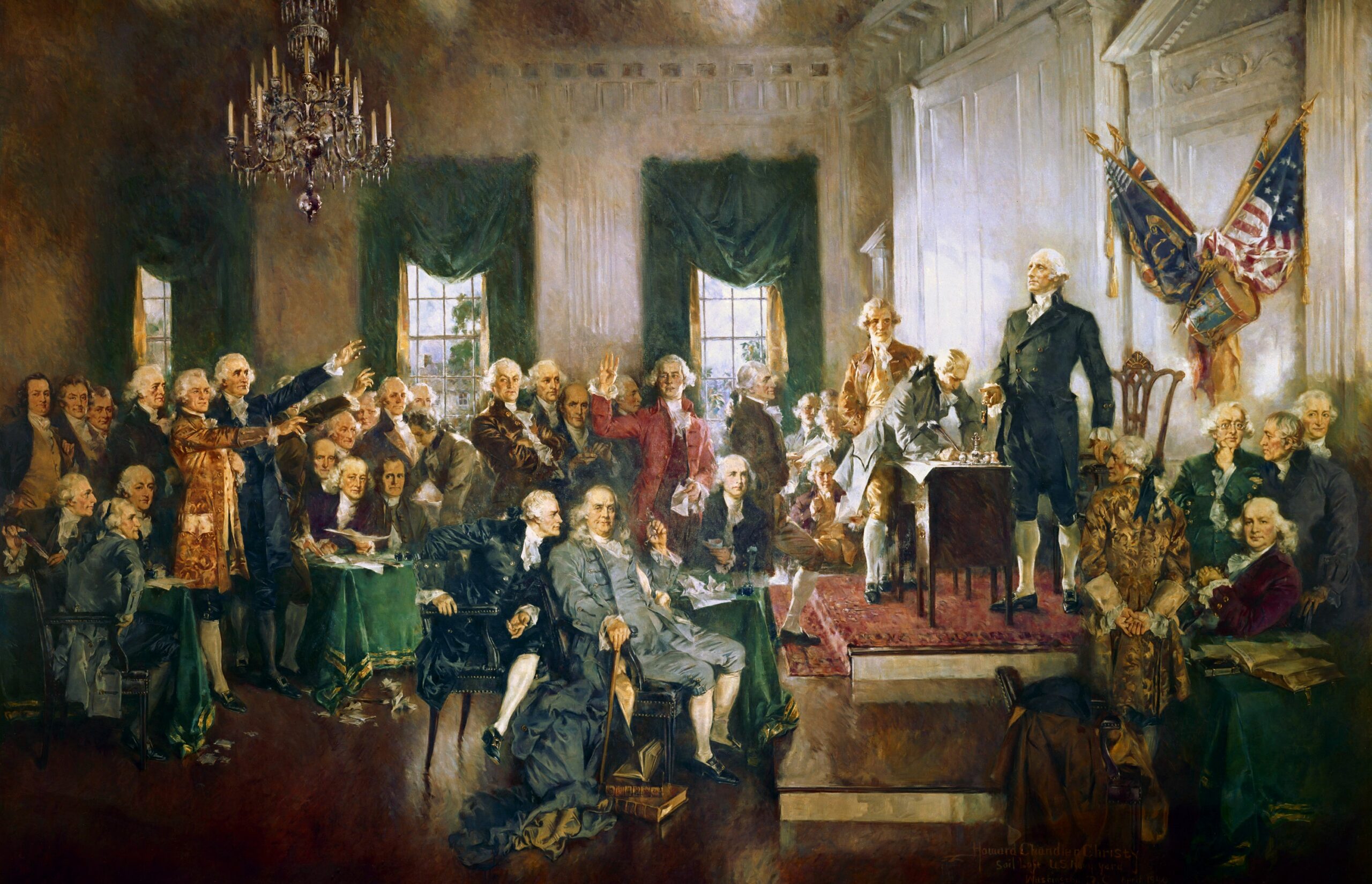
September 17 mattered because it produced a signed text that could finally leave the closed convention and enter public debate. Not every delegate approved. Some had left early, some refused to sign, and several worried that the new frame of government gave too much power to the center or lacked a clear bill of rights. The signatures did not mean the country had reached agreement. They meant the argument could move from the convention room to the states.
That distinction is easy to miss. The Constitution did not become law the moment delegates signed it. Article VII required ratification by nine states before the new system could take effect among the states that approved it. Newspapers, pamphlets, public meetings, and state ratifying conventions became the next battleground. Supporters argued that the new government was strong enough to govern yet limited by separated powers. Opponents warned that liberty could be endangered without clearer protections. The Bill of Rights grew directly from those concerns.
Why the Date Became a National Observance
Federal law now recognizes September 17 as Constitution Day and Citizenship Day. The National Archives describes the day as a commemoration of the signing of the Constitution in Philadelphia on September 17, 1787. The United States Code also connects the observance with citizenship, recognizing people who have become citizens either by birth, coming of age, or naturalization.
That combination gives the day an unusual shape. One part looks backward, toward the Philadelphia convention and the creation of a written frame of government. Another part looks outward, toward the people who live under that system and carry civic responsibilities within it. The title joins the document with membership in the political community.
The education requirement made the day more visible in schools and colleges. Section 111 of Public Law 108-447, enacted in 2004, required each educational institution receiving federal funds to hold an educational program about the United States Constitution on September 17 each year. The Federal Register’s 2005 implementation notice repeated that requirement and helped explain how the observance would work for federally funded institutions. If September 17 falls on a weekend or holiday, programs are commonly held on a nearby weekday.
That requirement does not prescribe one single lesson or ceremony. A school might examine the Preamble, compare the Articles of Confederation with the Constitution, study a Supreme Court case, hold a mock convention, review voting rights amendments, or connect constitutional ideas to local government. The point is not simply to recite a date. It is to give students a structured chance to ask what the Constitution does and why people keep debating its meaning.
The Constitution Was Built Around Tension
One reason Constitution Day stays useful is that the Constitution itself is not a list of easy answers. It is a system for handling tension. The framers wanted a government strong enough to act, but not so strong that it could easily become tyrannical. They wanted national authority, but they also preserved state governments. They wanted democratic accountability, but they feared sudden majorities and designed filters such as the Senate, the Electoral College, staggered terms, and an independent judiciary.
Those choices created a government of divided power. Congress writes laws, the president executes them, and courts interpret law in actual cases. Federal and state governments share authority. Amendments can change the written Constitution, but only through a demanding process. The system is slow by design, which can frustrate people who want fast action. Yet that slowness also reflects a suspicion of concentrated power.
September 17 is a useful moment to study those tradeoffs honestly. The Constitution did not settle every conflict in American life. It also contained compromises that protected slavery and excluded many people from political power. Its later amendments tell part of the story of how the country tried to repair, expand, and reinterpret its promises. The Thirteenth, Fourteenth, Fifteenth, Nineteenth, Twenty-Fourth, and Twenty-Sixth Amendments are not side notes. They show that constitutional history includes struggle over who counts, who votes, who is protected, and who gets heard.
Citizenship Day Adds the Human Side
The phrase Citizenship Day matters because constitutional government is not only a structure of offices and clauses. It also depends on people who understand enough to participate. Citizenship can involve legal status, but it also involves habits: reading public information carefully, voting when eligible, serving on juries, following lawful processes for disagreement, and recognizing that rights and responsibilities often meet in the same public space.
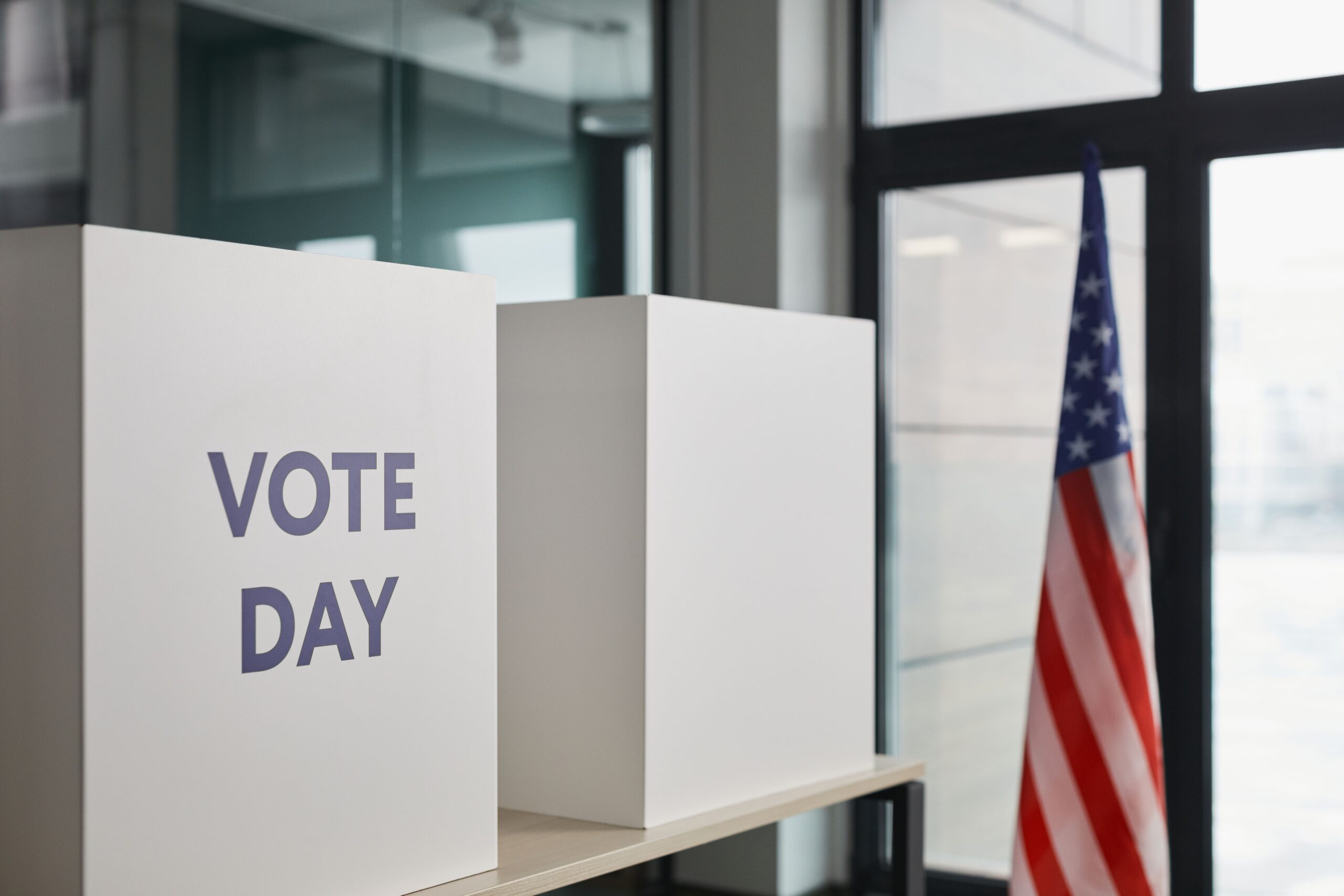
Naturalization ceremonies make that connection especially visible. The National Archives notes that new citizens have taken the oath of allegiance in the Rotunda in Washington, DC, near the Constitution itself. The setting is symbolic, but the symbolism is concrete. A person becoming a citizen is not just joining a country as an idea. They are joining a constitutional order with laws, protections, obligations, and unresolved debates.
For students, Citizenship Day can make civics feel less distant. The Constitution is not only something judges cite or politicians argue about. It affects school speech questions, searches, due process, voting rules, immigration policy, congressional power, presidential authority, and the relationship between national and state law. Once those connections become visible, the document becomes easier to read as a living civic tool rather than a ceremonial artifact.
How to Read the Day Well
A strong Constitution Day does not require pretending the founding was perfect. It works better when the history is treated with care. September 17 can hold several truths at once: the Constitution was an extraordinary act of political design; it was also a compromise shaped by its time; it created a system capable of amendment; and its meaning has often been fought over by people who were originally left outside the full promise of liberty and equality.
That fuller view makes the day more useful. Reading the Preamble can open a discussion about what “We the People” meant in 1787 and how the phrase has expanded through law, amendment, and social struggle. Studying federalism can explain why national and state governments sometimes clash. Looking at the amendment process can show why change is possible but difficult. Examining a landmark case can reveal how constitutional words become practical rules.
The date also fits neatly into the approach of America’s 250th anniversary period. As public attention turns toward the founding era, the strongest civic learning will be neither blind celebration nor automatic dismissal. It will be the harder, more valuable work of reading primary sources, naming conflicts clearly, and asking how constitutional ideas have been used, challenged, and revised over time.
Constitution Day falls on September 17 because that was the day the delegates signed the proposed Constitution in 1787. The deeper reason it still matters is that the signing began a continuing public conversation. A constitution can be preserved in an archive, but constitutional government has to be practiced by people who know how to question, argue, vote, serve, and keep learning. That makes September 17 less like a date to memorize and more like an annual invitation to understand the system people inherit and help shape.