 Akshay Dinesh
The smell that rises from warm pavement, garden beds, or dry fields after the first drops of rain can feel almost instant. Before the sidewalk looks truly wet, the air already seems different: earthy, fresh, and a little mineral. That scent has a name, petrichor, and it is not simply the smell of water. It is a mixture of compounds that build up during dry weather and then get launched into the air when rain finally hits the ground.
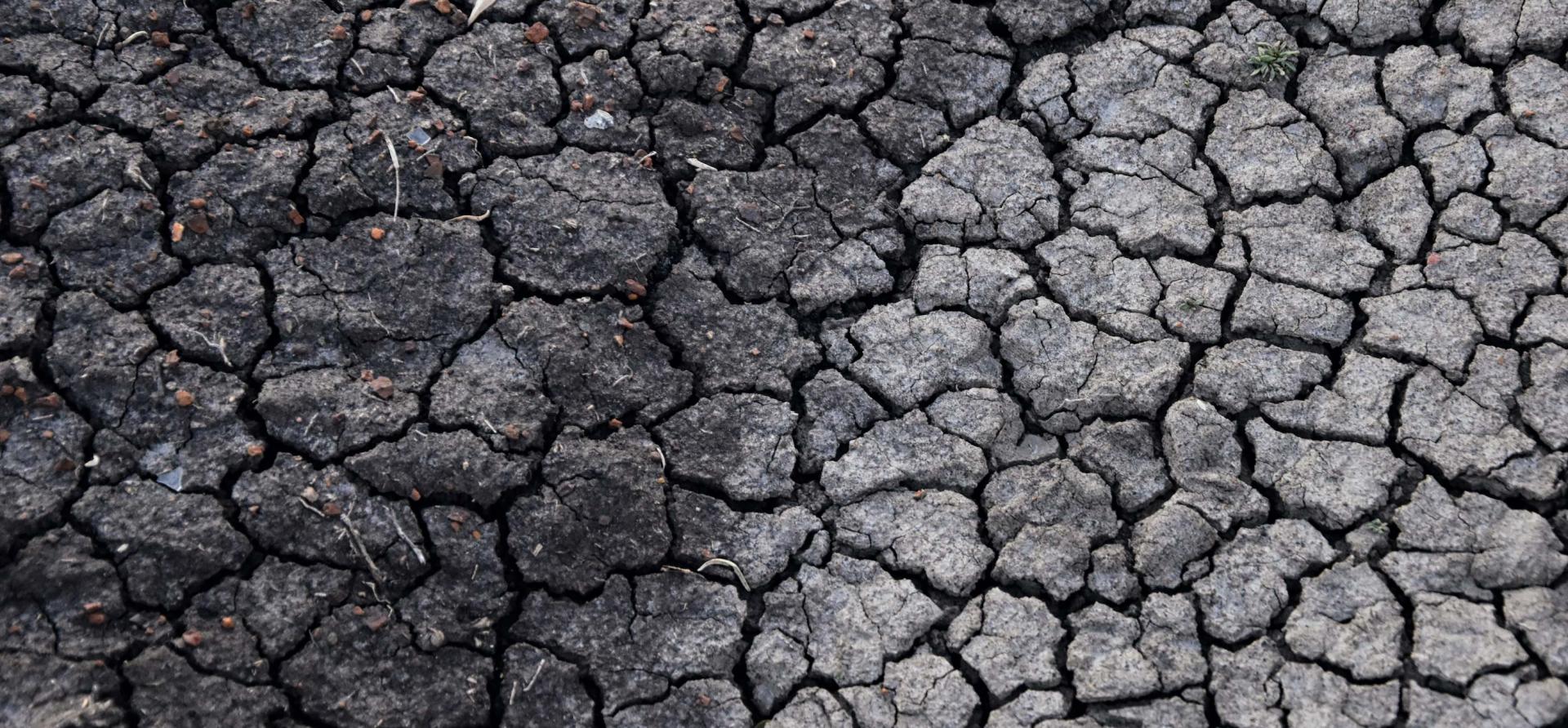
Petrichor is strongest after a dry spell because the landscape has had time to store the ingredients. Plants release oils, soil microbes produce distinctive-smelling molecules, and dust settles on exposed surfaces. A light or moderate rain can then turn the ground into a tiny spray system. Each drop may be small, but millions of drops arriving together can move scent from soil and stone into the air around us.
The scent is not really coming from the rain
Pure water does not have the rich smell people associate with a summer shower. Rain can pick up traces of particles and gases as it falls, but the familiar earthy note usually comes from what rain touches after it lands. Dry soil, clay, rocks, leaf litter, and pavement can all hold odor-producing compounds near the surface. Once rain strikes them, those compounds become easier for the nose to detect.
The word petrichor was introduced in 1964 by Australian researchers Isabel Joy Bear and Richard Thomas in a paper in Nature. They were studying the smell released when rain falls on dry ground and found that plant-derived oils could collect on mineral surfaces during dry periods. When moisture returned, those stored compounds helped create the distinctive after-rain aroma. The name combines roots that suggest stone and a fluid associated with life, which is poetic, but the science is satisfyingly practical: dry surfaces hold chemistry that rain can release.
That is why the first rain after weeks without moisture often smells stronger than a storm that arrives after several wet days. If surfaces are already damp, many of the stored compounds have been washed away or diluted. After a dry stretch, more material is ready at the surface, and the first drops can release it all at once.
Geosmin gives petrichor its earthy edge
One of the most important molecules in the smell of rain is geosmin. Its name comes from Greek roots meaning earth and smell, which fits the experience almost too neatly. Geosmin is produced by certain soil-dwelling microbes, including bacteria in the genus Streptomyces. These microbes are better known for their role in soil ecology and antibiotic discovery, but they also help give damp earth its unmistakable scent.
Humans can detect geosmin at extremely low concentrations, which is why a small amount can seem to fill the air. The molecule is also responsible for earthy notes in beets and sometimes in drinking water or freshwater fish. In the right place, that smell can be pleasant and nostalgic. In the wrong place, such as a glass of tap water, it can make people wonder whether something is off even when the water is not necessarily unsafe.
Geosmin is not the whole story. Petrichor can include plant oils, mineral dust, and other volatile compounds released from soil and vegetation. During dry weather, some plants produce oils that can settle into the ground or cling to rocks and clay particles. When rain returns, the scent is not a single ingredient but a blend. Geosmin supplies much of the earthy character, while plant oils and surface materials add the fresh, dry-ground quality that people notice after the first drops.
Raindrops launch scent into the air
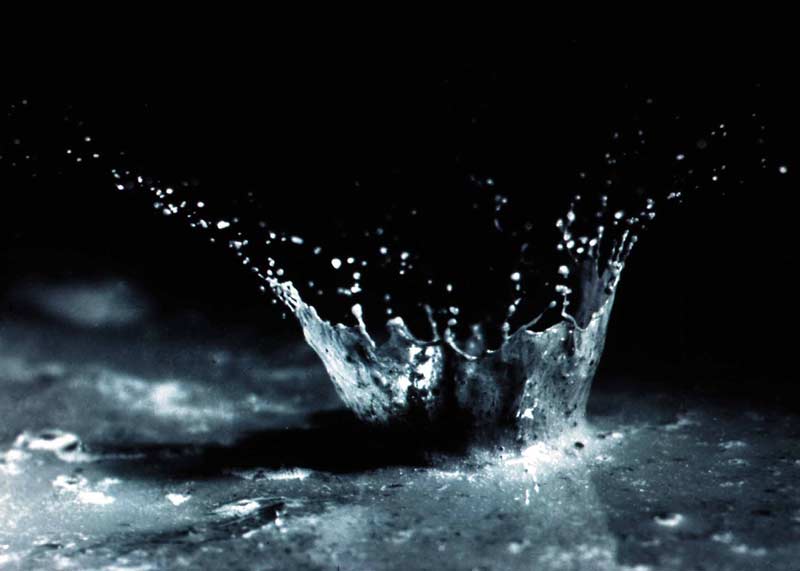
The smell still needs a way to travel from the ground to the nose. In 2015, MIT researchers Youngsoo Joung and Cullen Buie reported a mechanism in Nature Communications after filming drops hitting porous surfaces with high-speed cameras. When a raindrop strikes soil, tiny air bubbles can become trapped at the contact point. Those bubbles rise through the drop and burst, releasing microscopic aerosols into the air.
An aerosol is a tiny particle or droplet suspended in air. Sea spray is one familiar example; a mist from a spray bottle is another. In the case of rain on soil, the aerosols can carry aromatic compounds from the surface. That means the smell is not just evaporating quietly. It can be physically lifted by the impact of falling water.
The MIT experiments also help explain why gentle rain often smells stronger than a violent downpour. Light and moderate drops can form and release many tiny bubbles on porous ground. Heavy rain hits faster and can flood the surface, leaving less time for the bubble-forming process that launches aerosols. A hard storm may smell dramatic in other ways, but the classic petrichor note often belongs to the first scattered drops or a steady light shower.
Why pavement, gardens, and fields smell different
Petrichor changes from place to place because surfaces store and release different mixtures. A garden bed has soil microbes, roots, decaying leaves, clay, sand, and organic matter. A city street has dust, pavement, rubber particles, oils, and minerals. A dry trail in a pine forest may add resinous plant smells. The same rain can wake up very different chemistry depending on where it lands.
Soil texture matters too. Porous surfaces give raindrops small air pockets to trap and release. Sandy or clay-rich soils may produce more aerosols under the right conditions than surfaces that are already saturated. If the ground is extremely wet, the scent may be weaker because water fills the spaces where air bubbles would otherwise form. If the ground is extremely dry and compacted, drops may run off before they can interact deeply with the surface.
Temperature also changes the experience. Warm air helps volatile compounds move more easily, and warm ground after a dry spell can make the scent feel fuller. That is one reason petrichor is often memorable during summer thunderstorms. The air is warm, the surfaces are dry, and the first rain arrives with enough energy to stir up compounds that have been waiting near the ground.
Why the smell can arrive before the storm
Sometimes people say they can smell rain before it begins. That can happen for a few reasons. Wind from an approaching storm can push air from already-wet areas toward dry ones. If rain has started a few miles away, aerosols and scent compounds may travel ahead of the visible shower. The nose receives the signal before the local drops arrive.
Ozone can also play a role in the sharp, clean smell some people notice before thunderstorms. Ozone is a form of oxygen with a biting scent, and storm activity can help move ozone-rich air downward from higher levels of the atmosphere. That pre-storm smell is not exactly the same as petrichor, but the two can overlap in real weather. A person standing outside before a storm may notice ozone first, then the warmer earthy smell once rain begins striking dry ground.
This is why the phrase smell of rain covers more than one kind of scent. There is the metallic or sharp smell that may arrive ahead of a storm, the earthy smell released from soil after the first drops, and the damp green smell that lingers once leaves, mulch, and pavement are wet. Our brains often bundle them together because they arrive close in time.
A small chemistry lesson hiding in ordinary weather
Petrichor is memorable because it joins several scales of science at once. Microbes too small to see make geosmin in soil. Plants release oils that settle into the ground during dry weather. Raindrops only a few millimeters wide trap bubbles and burst them into aerosols. Human noses detect tiny traces of those compounds and turn them into a familiar weather signal.
That mix is a useful reminder that everyday smells are not vague impressions. They are chemistry moving through air. The smell after rain tells a short story about the dry days before the storm, the living communities in the soil, the texture of the ground, and the physics of a raindrop landing at just the right speed. A sidewalk after a shower may look ordinary, but the air above it is carrying evidence of what the surface has been storing.
The next time rain begins after a long dry stretch, the first earthy breath of air is worth noticing. It is not just freshness. It is soil, plants, microbes, and moving water briefly meeting in a form the human nose is unusually good at finding.