 Akshay Dinesh
Most U.S. commemorative months begin neatly on the first day of a month. Hispanic Heritage Month does something different. It begins on September 15 and ends on October 15, a span that can look oddly placed until the history behind the date comes into focus. The timing is not a scheduling accident. It points directly to independence anniversaries across Latin America and to a longer U.S. history of recognizing Hispanic and Latino communities as part of the nation’s civic life.
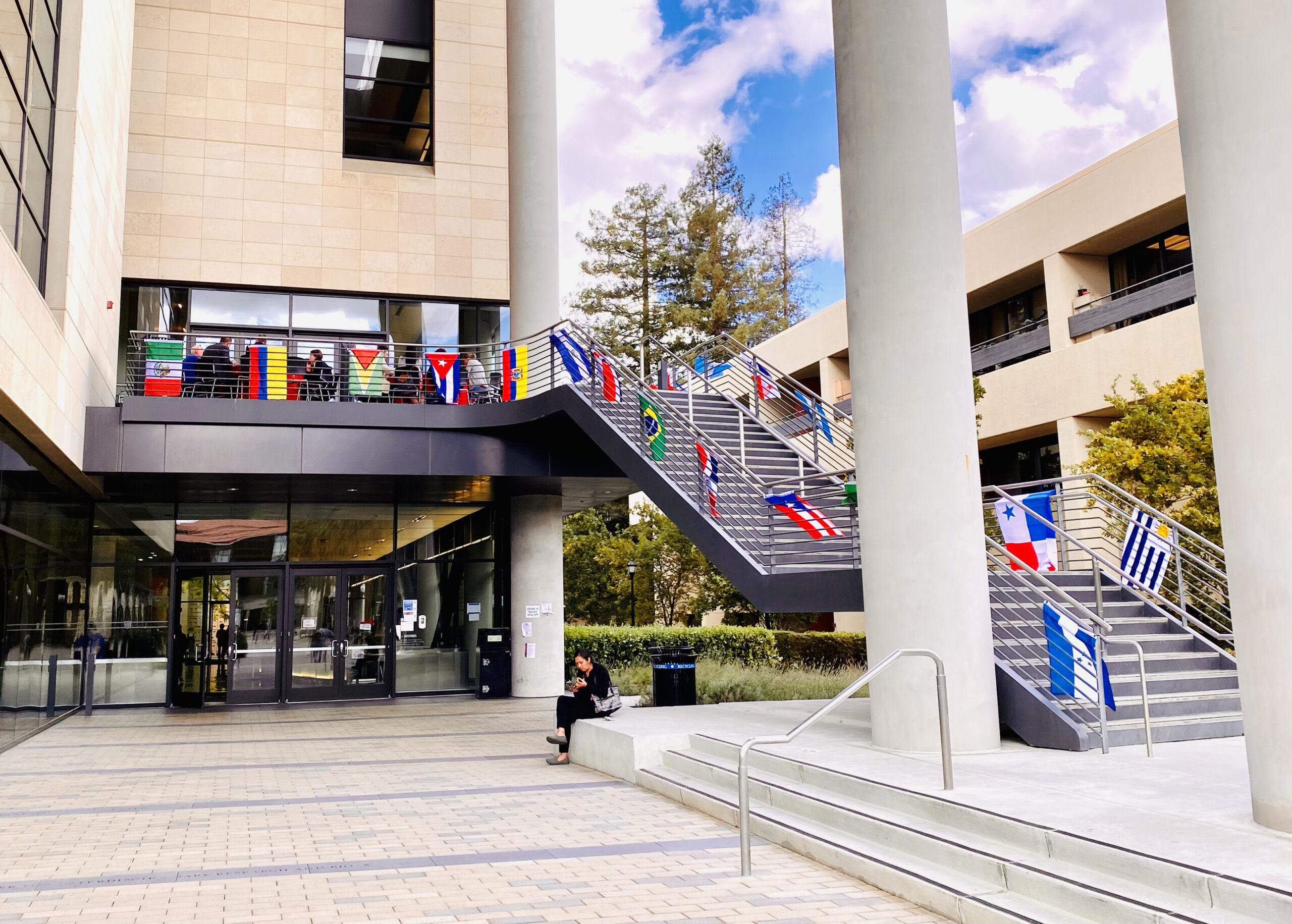
The mid-September start matters because it keeps the observance connected to real historical dates rather than smoothing them into a generic calendar month. September 15 is the independence anniversary for Costa Rica, El Salvador, Guatemala, Honduras, and Nicaragua. Mexico’s independence day follows on September 16, and Chile’s comes on September 18. By stretching into October, the observance also includes October 12, a date known in many places as Columbus Day, Indigenous Peoples’ Day, or Día de la Raza, depending on the community and the purpose of the commemoration.
The Calendar Starts With Independence Days
The simplest answer is that Hispanic Heritage Month starts in the middle of September because several Latin American nations mark independence at that time. The five Central American countries connected to September 15 were once part of the Captaincy General of Guatemala under Spanish rule. In 1821, political leaders in Guatemala City declared independence from Spain, and that date became a shared anniversary across much of Central America.
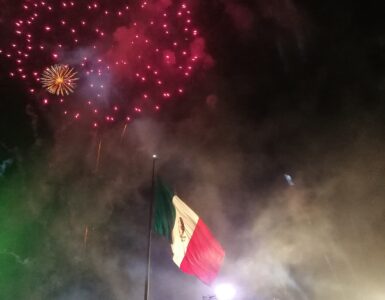
Mexico’s anniversary is one day later because it is tied to the Grito de Dolores, the 1810 call for independence associated with Miguel Hidalgo y Costilla. Chile’s September 18 observance remembers the formation of its first national governing junta in 1810, an early step in its independence movement. Those dates do not all mark identical political events, but together they create a powerful cluster of independence commemorations within one week.
That cluster is why a September 15 start carries more meaning than September 1 would. A first-of-the-month opening might be tidier, but it would disconnect the observance from the independence anniversaries that helped shape it. The unusual date asks readers, students, and communities to notice that calendar choices can carry historical arguments.
How a Week Became a Month
The national observance began as Hispanic Heritage Week in 1968. According to the National Archives, President Lyndon B. Johnson issued Proclamation 3869 after Congress authorized an annual week that included September 15 and 16. The dates were already part of the design: the week was built around the Central American and Mexican independence anniversaries rather than around a regular Monday holiday or a full calendar month.
The congressional history is also important. The U.S. House of Representatives’ History, Art & Archives office traces the early legislation to California Representative George E. Brown and notes that the observance developed during the late 1960s, when civil rights activism was pushing public institutions to recognize communities that had often been left out of national narratives. Hispanic Heritage Week was not just a cultural celebration. It was also a statement that Hispanic Americans belonged in the story of the United States.
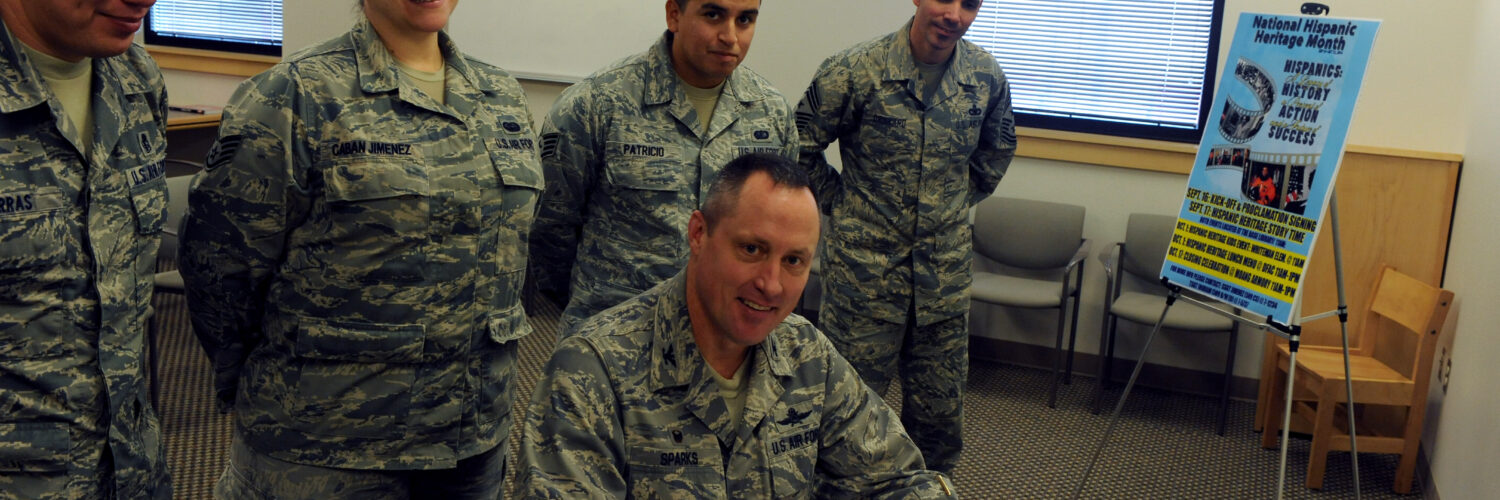
By the 1980s, many supporters argued that one week was too short. Representative Esteban Torres of California introduced a bill in 1987 to expand the observance, and Senator Paul Simon of Illinois advanced a related measure in the Senate. President Ronald Reagan signed Public Law 100-402 on August 17, 1988, making the September 15 to October 15 period National Hispanic Heritage Month. The first full presidential proclamation for the month followed in 1989 under President George H. W. Bush.
Why the Word Hispanic Is Complicated
The name of the observance uses “Hispanic,” a term that generally refers to people with cultural or family ties to Spanish-speaking countries. That can include people with roots in Mexico, Central America, South America, the Caribbean, and Spain. It does not describe every person from Latin America, because Brazil, Haiti, and many Indigenous communities do not fit neatly inside a Spanish-language category. It also does not capture the full range of identity words people may use for themselves, including Latino, Latina, Latine, Chicano, Boricua, Cuban American, Salvadoran American, and many others.
That complexity is part of why the month is best understood as an entry point, not a single label that settles everything. The Smithsonian’s National Museum of the American Latino describes the observance as a time to recognize cultures, histories, and contributions rooted across Latin America and the Hispanic world. In practice, that means a school display, museum program, family story, or local festival may focus on very different experiences under the same national observance.
A useful way to read the month is to treat “Hispanic Heritage” as a starting umbrella, then ask better follow-up questions. Which country, region, language, migration story, artistic tradition, labor movement, or historical moment is being discussed? Whose perspective is centered? What gets clearer when the story is told with a specific place and time instead of a broad label?
The Month Connects Culture With Civic History
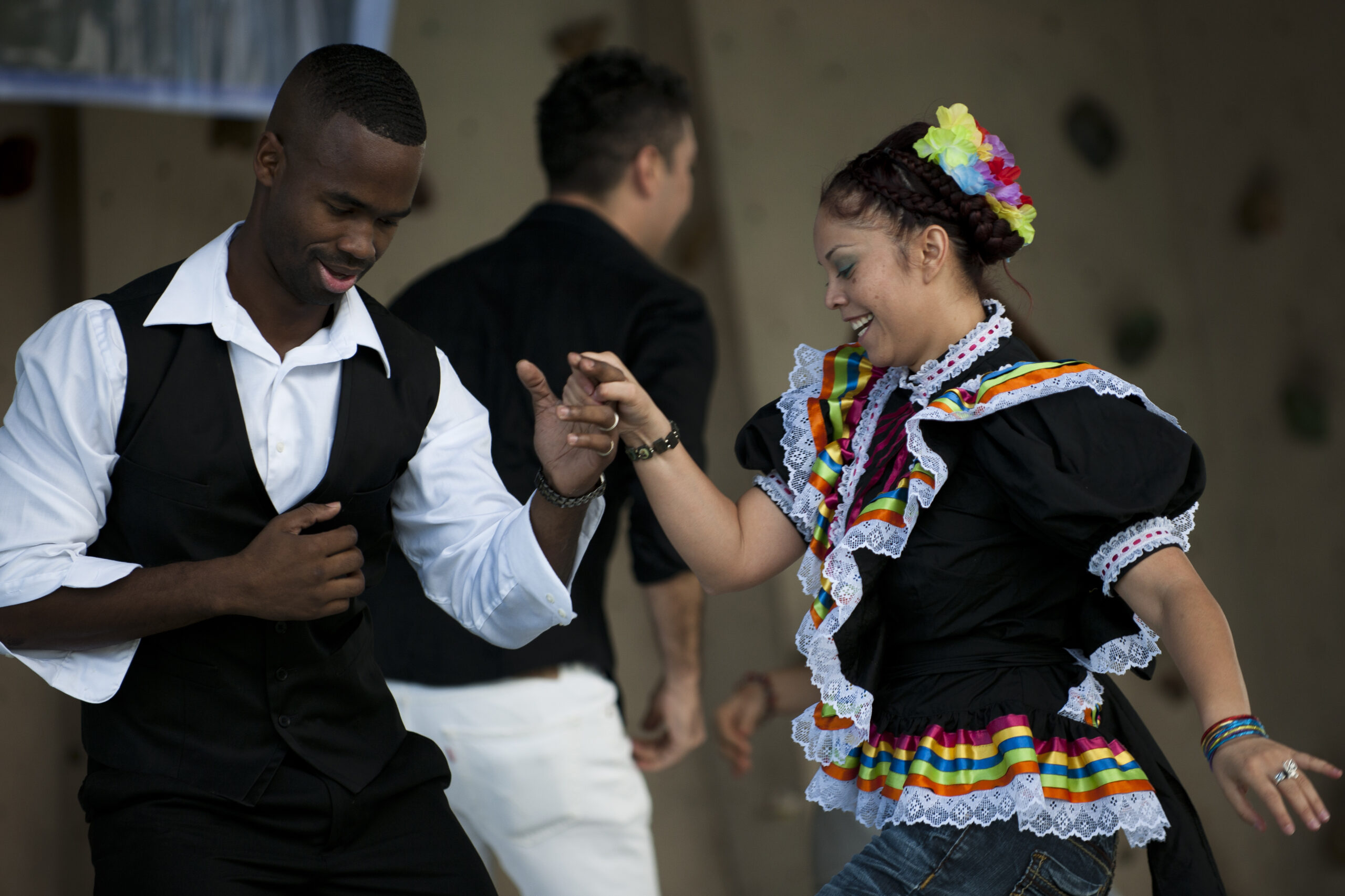
Hispanic Heritage Month often brings music, food, dance, literature, art, and community gatherings into public view. Those celebrations matter, but the observance is not only about festive culture. It also opens a door into civic history: voting rights, labor organizing, military service, education, law, migration, entrepreneurship, public health, and local leadership. The United States has been shaped by Hispanic and Latino communities for centuries, from Spanish-speaking settlements in the Southwest and Caribbean to newer migration patterns and multi-generational American families.
The scale of that history is not small. The U.S. Census Bureau’s 2026 Hispanic Heritage Month feature reported that the Hispanic population reached 70.1 million as of July 1, 2025, about 21 percent of the U.S. population. Numbers alone do not explain culture, but they help show why the observance is nationally significant rather than niche. Hispanic and Latino communities are part of classrooms, cities, rural regions, workplaces, elections, languages, and family histories across the country.
The calendar also reminds people that U.S. history and Latin American history are connected. Independence movements, borders, trade, wars, migration, music, agriculture, language, and citizenship have crossed regions for generations. A student who begins with the question “Why September 15?” soon runs into a larger map of the Americas.
What the Mid-Month Dates Help Us Notice
The unusual date range does useful teaching work. It interrupts the habit of treating heritage months as interchangeable blocks on a calendar. Hispanic Heritage Month begins where it does because people made choices about which histories should anchor national recognition. The dates point to independence, but they also point to the politics of memory: who gets remembered, how public institutions recognize communities, and how national stories expand over time.
That does not mean the observance can carry every story perfectly. A single month cannot represent dozens of countries, languages, racial identities, Indigenous histories, Afro-Latino experiences, immigration stories, and regional traditions without flattening some of the detail. The strongest use of the month is not to make one neat summary of Hispanic culture. It is to invite more careful attention to specific people, places, texts, events, and communities.
For learners, the calendar itself is a helpful clue. September 15 to October 15 is not random. It is a compact timeline of independence anniversaries, congressional action, civil rights-era recognition, and modern demographic change. Once those pieces are visible, the observance becomes less like a label and more like a set of doors into history.
Hispanic Heritage Month starts in the middle of September because history rarely arranges itself into tidy calendar boxes. Its dates preserve the importance of Latin American independence anniversaries while also marking a U.S. effort to recognize Hispanic and Latino contributions more fully. The result is a month that begins with independence, stretches through culture and civic life, and asks a larger question: whose stories help us understand the country we live in?