 Akshay Dinesh
Labor Day can look simple on the calendar: a Monday off, a long weekend, and a marker that summer is giving way to fall. Its history is much less simple. The holiday grew from parades, union organizing, industrial conflict, political pressure, and a national argument over what workers deserved in a rapidly changing economy.
In the United States, Labor Day is observed on the first Monday in September. In 2026, that date is September 7. The timing is familiar now, but the choice was not accidental. Early supporters wanted a public celebration of work that sat between Independence Day and Thanksgiving, close enough to summer for parades and picnics but separate from the older May Day tradition. What began as a labor movement event became a federal holiday in 1894, just as one of the most serious railroad conflicts in American history was shaking the country.
A Holiday That Started in the Streets
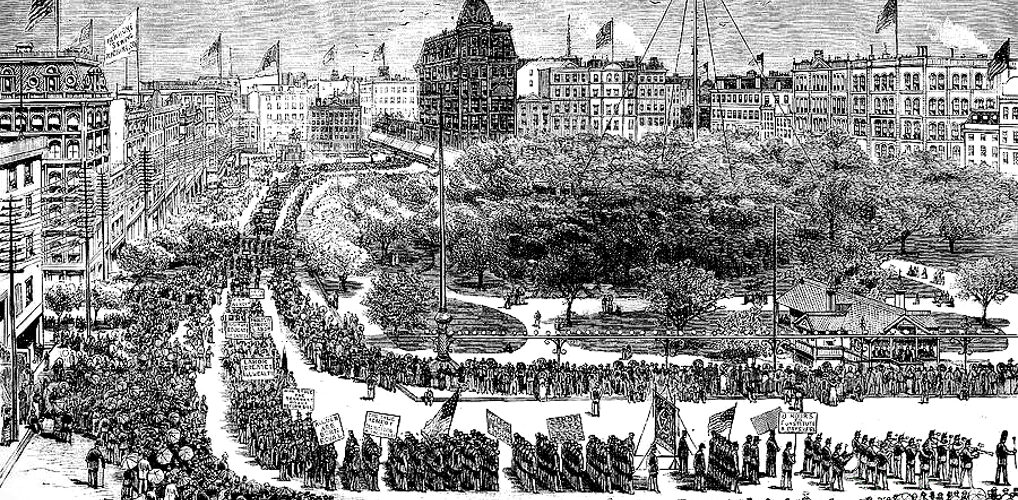
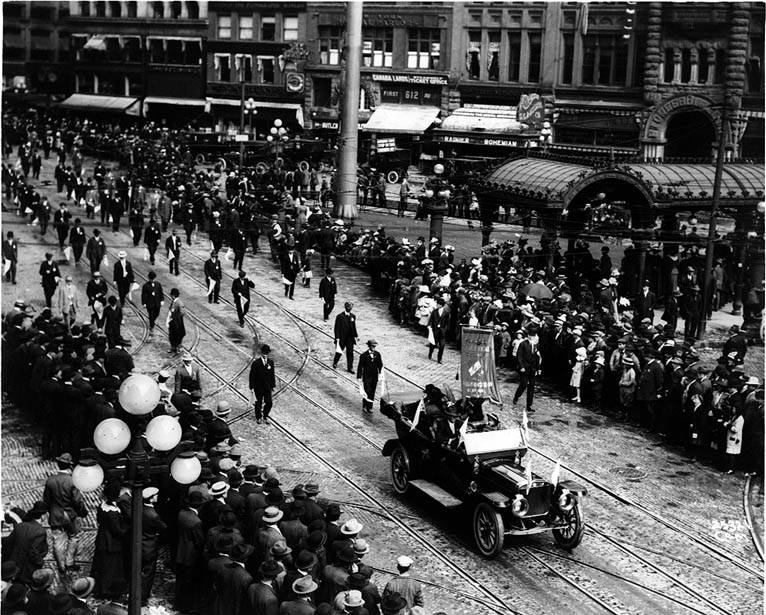
The first widely recognized Labor Day parade took place in New York City on September 5, 1882. It was organized by the Central Labor Union, an umbrella group that brought together workers from different trades. Thousands of participants marched through Manhattan, with music, banners, and crowds turning a workday demonstration into a public celebration. The point was not only to ask for better conditions. It was to make labor visible.
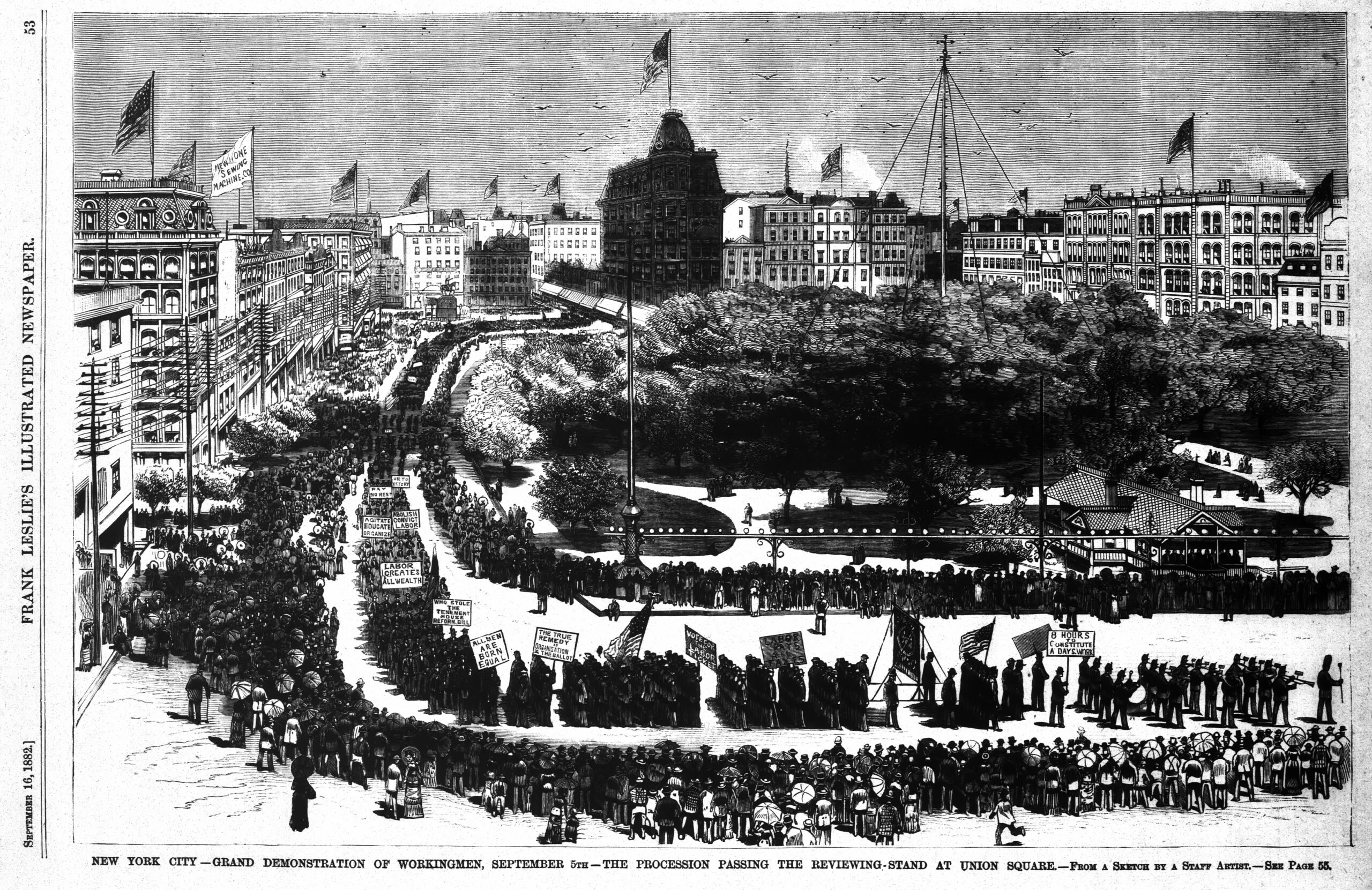
That visibility mattered in the late nineteenth century. Industrial cities were growing fast, factories and railroads were expanding, and many workers faced long hours, dangerous workplaces, unstable wages, and little control over the terms of employment. A parade gave workers a way to appear as citizens with families, skills, associations, and civic pride. It also showed employers and politicians that labor organizations could fill the streets without disappearing into private workplace disputes.
The holiday’s exact founder is still debated. Peter J. McGuire, a carpenter and labor leader, is often credited with proposing a day to honor working people. Matthew Maguire, a machinist and secretary of the Central Labor Union, is also frequently named by historians and labor organizations as a central figure in the first parade. The uncertainty is useful because Labor Day was never really the invention of one person. It came from a movement that wanted ordinary work to receive public respect.
Why September Was Different From May Day
Many countries connect workers’ holidays with May 1, or International Workers’ Day. That date became tied to labor protest, the eight-hour-day movement, and the memory of the Haymarket affair in Chicago in 1886. In the United States, however, the September holiday developed on a different path. It was promoted as a civic celebration that could include parades, speeches, family gatherings, and public recognition of workers’ contributions.
That does not mean the September holiday was apolitical. Its roots were still in organized labor, and its early supporters cared deeply about shorter hours, fairer treatment, and stronger worker representation. But September Labor Day had a tone that made it easier for state and federal officials to embrace. It honored labor without directly adopting the more radical associations that many American politicians attached to May Day.
The date also fit the rhythm of public life. Early advocates liked its placement between major holidays, and many communities found that early September weather worked well for outdoor events. Over time, the first Monday in September became part of the national calendar. The long weekend came later to feel like a seasonal boundary, but the original purpose was not shopping, travel, or the end of summer. It was recognition.
State Recognition Came Before Federal Recognition
Labor Day spread because local and state labor groups kept pushing for it. The idea moved from parades to city ordinances and state laws. Oregon became the first state to make Labor Day a legal holiday in 1887, and other states followed. By the time the federal government acted in 1894, more than twenty states had already recognized the holiday in some form.
This state-by-state growth shows how reform often moves in American history. A national policy may look sudden once Congress passes it, but the groundwork is usually laid in local campaigns, public events, and repeated pressure. Labor Day had already become familiar in many places before it became federal law. Workers marched, newspapers covered the celebrations, unions argued for recognition, and politicians saw that the idea had public support.
The holiday also let communities talk about labor in a broad way. Skilled trades, factory workers, railroad employees, printers, clerks, and other working people could all fit under the same public banner. That broadness helped Labor Day succeed. It did not belong to one occupation, one city, or one political party. It gave Americans a way to name work itself as part of national life.
The Pullman Strike Changed the Political Moment
The federal holiday became law in 1894, the same year as the Pullman Strike. The Pullman Palace Car Company, based near Chicago, built railroad sleeping cars and operated a company town where many employees lived. During an economic downturn, the company cut wages but did not reduce rents in the town. Workers struck in May 1894, and the conflict grew when the American Railway Union supported a boycott of trains carrying Pullman cars.
Because railroads carried passengers, freight, and mail, the boycott quickly became a national crisis. Rail traffic was disrupted across much of the country. The federal government obtained an injunction against the strike, and President Grover Cleveland sent federal troops to Chicago. Violence followed, workers were killed, union leader Eugene V. Debs was arrested, and the strike ended as a major defeat for organized labor.
Congress passed the Labor Day bill while the crisis was unfolding, and Cleveland signed it on June 28, 1894. The timing gave the holiday a complicated meaning. On one hand, it formally recognized the contributions of workers. On the other, it came from a government that had just used federal power against a major labor action. The holiday was partly a gesture of respect and partly an attempt to ease anger during a tense national moment.
What the Holiday Was Meant to Honor
Labor Day honors more than having a job. It points to the work that builds roads, grows food, teaches children, runs hospitals, moves goods, keeps offices functioning, repairs machines, writes code, cleans buildings, serves meals, and holds communities together. The holiday asks people to see work not as background noise, but as one of the forces that shapes everyday life.
It also points to the history of labor reform. Many conditions that people now treat as normal were contested for decades: shorter workdays, safer workplaces, limits on child labor, weekends, overtime rules, collective bargaining, and basic protections against arbitrary treatment. Labor Day does not tell that entire story by itself, but it gives the story a place on the calendar.
The holiday’s meaning has changed with the economy. The workers who marched in 1882 lived in a world of expanding factories, railroads, and trade unions. Modern work includes service jobs, care work, logistics, education, construction, technology, public safety, independent contracting, and many forms of paid and unpaid labor. The central question remains recognizable: how should a society value the people whose work keeps it running?
Why Labor Day Still Matters
Labor Day survives because it carries several meanings at once. It is a day of rest, a civic holiday, a seasonal marker, and a reminder of conflicts that shaped modern working life. Its history is not only celebratory. It includes disagreement, hardship, and the fact that recognition often came only after workers organized and demanded to be seen.
That tension makes the holiday more meaningful, not less. A simple celebration of work would be easy to forget. Labor Day is more durable because it asks people to remember both the dignity of labor and the struggles over power, safety, pay, time, and respect. The parades and picnics were never just pleasant extras. They were public arguments about who counted in American democracy.
By the time the first Monday in September arrives each year, many people are thinking about school schedules, travel, sales, or the start of fall routines. Those habits are now part of the holiday’s modern life. Beneath them is an older story: workers stepping into the street, carrying banners, asking the country to look directly at the labor behind its prosperity, and leaving a mark on the national calendar.