
 Akshay Dinesh
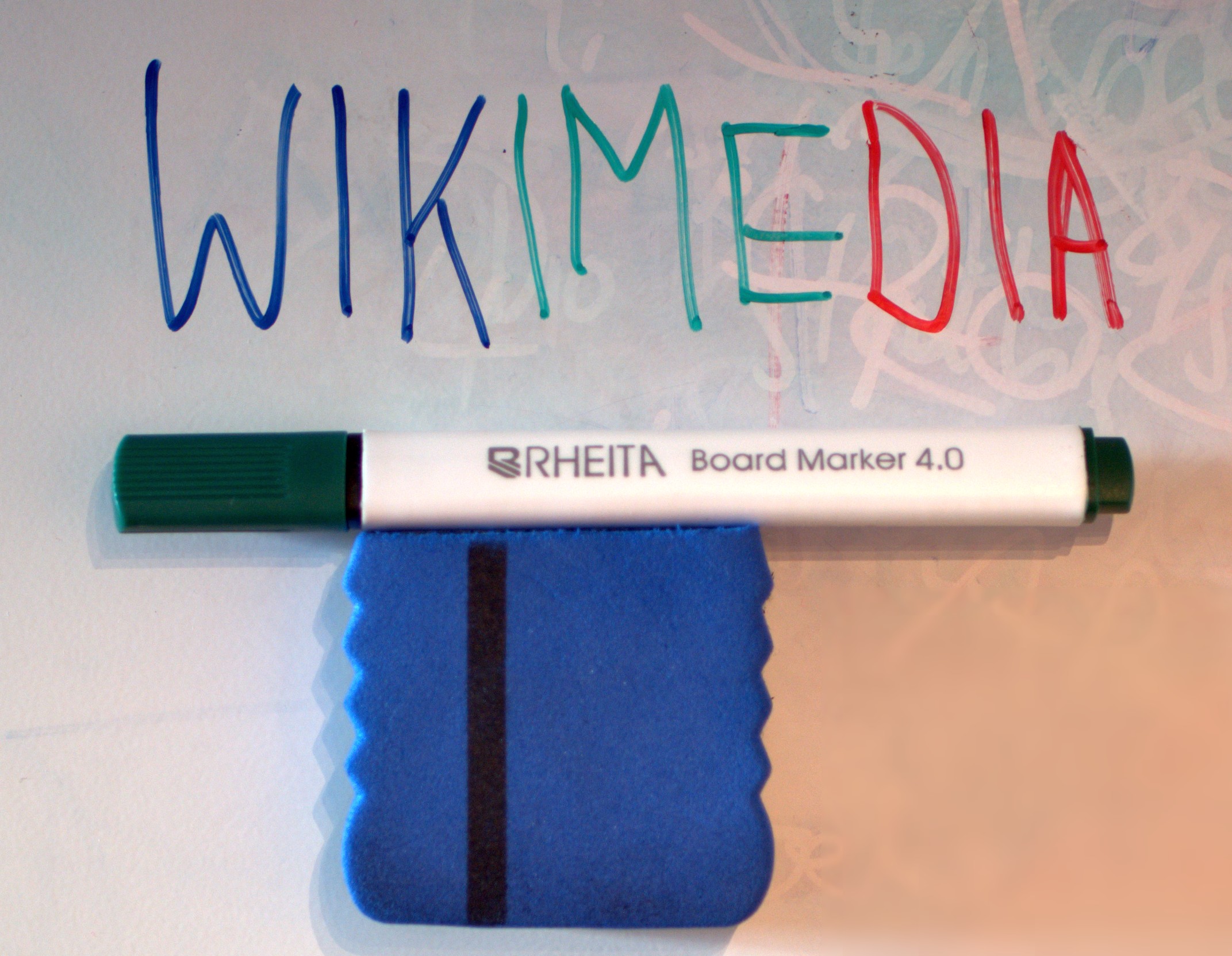
A dry-erase marker feels almost too simple: write on a whiteboard, wait a few seconds, then wipe the mark away with a felt eraser or cloth. The trick is that the ink is designed to make a temporary film, not a permanent stain. It needs to look dark and readable while it is on the board, but it also needs to sit loosely enough that gentle rubbing can remove it.
That balance comes from chemistry and surface science. A dry-erase marker is not just a pen with weaker ink. It is a small delivery system for color particles, fast-evaporating liquid, binding materials, and a release agent that keeps the color from grabbing the board too tightly. The whiteboard matters just as much as the marker, because the same ink that wipes clean from a glossy board can stain paper, cloth, or an old scratched surface.
The ink has to do several jobs at once
Most dry-erase inks are built around a few main parts: pigment for color, solvent to keep the mixture fluid, resin or binder to help the mark hold together, and a release agent to stop the mark from becoming too attached to the surface. The Royal Society of Chemistry describes whiteboard marker ink as a mixture in which a volatile solvent carries the other ingredients, then evaporates after writing. Safety data sheets for common dry-erase markers also show why the solvent matters: many formulas use alcohols, ketones, acetates, or related liquids that evaporate readily and should be used with normal ventilation.
The pigment is the visible part. Unlike a dye, which dissolves into a liquid, a pigment is usually made of tiny solid particles suspended in the ink. Those particles give the mark its color, whether the line is black, blue, red, or green. If pigment particles were placed directly on a surface without help, they would not spread evenly or stay where the writer wanted them. The rest of the ink helps move, place, and temporarily hold those particles.
The solvent is the carrier. It keeps the ink liquid inside the marker, helps it flow through the porous tip, and wets the board when the tip touches the surface. After the line is drawn, the solvent quickly evaporates into the air. That quick drying is why dry-erase writing does not stay wet for long, and why uncapped markers dry out: the same evaporation that makes the writing usable can empty the tip of liquid when the cap is left off.
A release agent keeps the color from sticking too well
The most important difference between dry-erase and permanent marker ink is not usually the pigment. Both can use strong colorants. The difference is the material around the pigment after the solvent leaves. Permanent markers are designed to leave colorants with a resin that grips many surfaces. Dry-erase markers are designed to leave colorants in a looser film that can separate from the board.
That is where the release agent earns its name. Many explanations of dry-erase chemistry point to silicone-like or oily materials that form a barrier between the pigment and the writing surface. A dry-erase ink patent describes release agents as substances that help keep pigment particles from sticking to the board and allow the dried mark to become removable. In simpler terms, the ink dries into something more like a fragile coating than a soaked-in stain.
When an eraser passes over the mark, it applies a small amount of pressure and friction. That breaks the dried film into tiny bits and lifts them away from the board. The mark may look as if it vanished, but it has really moved into the eraser, onto the cloth, or into dust too small to notice easily. This is why a whiteboard eraser eventually becomes dirty and starts smearing old color back onto the board.
The release agent also helps explain a familiar classroom trick: if someone accidentally uses a permanent marker on a whiteboard, writing over it with a dry-erase marker can sometimes help loosen it. The dry-erase marker adds fresh solvent, which can soften the permanent ink enough for wiping on a smooth surface. It is not magic, and it does not always work, especially on damaged boards, but it shows how much of erasing depends on solvents and surface bonding.
The board surface decides whether ink wipes or stains
A whiteboard is useful because it is smooth and nonporous. On a good surface, ink stays near the top instead of sinking into tiny gaps. Glass, porcelain enamel, and some coated steel boards tend to resist staining better because they offer fewer places for pigment to hide. Melamine and painted surfaces can work well for lighter use, but they are more likely to wear, scratch, or develop tiny surface defects over time.
Paper behaves completely differently. It is made of fibers with many small spaces between them. If dry-erase ink touches paper, the solvent can carry pigment into those spaces before it evaporates. Once color particles are inside the fiber network, an ordinary eraser cannot simply lift the mark as a loose film. The ink may behave more like a stain, even though the same marker wipes clean from a board.
Cloth is similar. Fabric threads create spaces where pigment can lodge, and the solvent may help the color spread before it dries. That is why dry-erase markers are poor choices for labeling clothing, backpacks, or paper worksheets. The word “dry-erase” describes how the ink behaves on the right surface, not every surface.
Even a real whiteboard can lose its easy-clean behavior. Scratches, residue, tape adhesive, dust, and old cleaning products can create rough or sticky spots. Pigment collects in those places, producing faint shadows called ghosting. Once ghosting begins, more rubbing is needed, and rough scrubbing can make the surface worse. A board lasts longer when it is wiped with clean erasers and cleaned occasionally with products made for whiteboards.
Why old marks and dried-out markers behave differently
Fresh dry-erase writing is easier to remove because the film has not had much time to settle into surface imperfections. As marks sit for days or weeks, especially in warm rooms or direct sunlight, the remaining materials can become harder and more stubborn. Dust and oils from hands can mix with the mark, and the board may begin to hold a faint outline even after wiping.
A dried-out marker has the opposite problem: too much solvent has escaped before the ink can reach the board. The tip may still contain pigment and resin, but without enough liquid carrier, the line becomes faint, streaky, or scratchy. Shaking the marker usually cannot replace missing solvent. Storing markers capped and, when the manufacturer recommends it, horizontally helps keep the tip supplied with liquid ink.
The smell of some markers also comes from the solvent. Many classroom markers are labeled low-odor because their formulas are designed to reduce strong fumes compared with older solvent systems. Low odor does not mean the marker is food-safe or meant for inhaling. It simply means the product is designed for ordinary writing use with less noticeable vapor. Marker caps, ventilation, and normal classroom handling still matter.
The simple classroom tool is a careful compromise
Dry-erase markers work because their parts are tuned to disagree just enough. The pigment wants to make a bold mark. The solvent wants to flow and then disappear. The binder helps the mark hold together. The release agent keeps that mark from becoming too loyal to the surface. The board adds the final condition: a smooth, nonporous place where the dried ink can rest on top.
That is why the same marker can be useful, frustrating, or messy depending on where it is used. On clean glass or a well-kept whiteboard, the ink behaves like a temporary coating. On paper or fabric, it can sink in. On scratched boards, it can leave shadows. On a dirty eraser, it can smear. The chemistry has not changed, but the surface and cleaning conditions have.
Once you know the pattern, dry-erase writing stops looking like a small miracle and starts looking like a tidy chemical bargain. The mark is visible because pigment stays behind after the solvent evaporates. It is erasable because the pigment is held in a film that does not bond strongly to the board. A good whiteboard is not just a blank background; it is part of the whole system that lets a classroom idea appear, change, and disappear in seconds.