 Akshay Dinesh
A packed lunch has to do a quiet job for several hours. It leaves the refrigerator in the morning, rides in a backpack or car, waits through classes or activities, and is still expected to be safe and appetizing at midday. For shelf-stable foods like crackers, whole fruit, or unopened shelf-stable milk, that trip is usually simple. For turkey sandwiches, yogurt, cheese sticks, cooked leftovers, cut melon, egg salad, and other perishable foods, the lunchbox has to act like a small temporary refrigerator.
That is where ice packs matter. They are not just there to make food feel chilly. They slow the flow of heat into the lunch, giving bacteria fewer warm hours in which to multiply. The U.S. Department of Agriculture’s Food Safety and Inspection Service advises using an insulated lunch bag with at least two cold sources for perishable packed lunches, such as frozen gel packs, a frozen water bottle, or a frozen juice box. The science behind that advice is a mix of biology and physics: microbes respond to temperature, and heat always tries to move from warmer places into colder ones.
The temperature problem inside a lunchbox
Food safety agencies often describe 40°F to 140°F as the temperature danger zone. Below 40°F, refrigeration slows the growth of many harmful bacteria. Above 140°F, hot holding keeps hot foods from drifting into the range where bacteria can multiply quickly. A lunchbox with cold food is trying to stay on the low side of that boundary for as long as possible.
The challenge is that a lunchbox is surrounded by warmer air. A classroom, locker, hallway, bus, or sunny car seat can all push heat into the food. The transfer happens through the lunch bag walls, through air that gets trapped inside, and through direct contact among containers, sandwiches, drinks, and cold packs. Even a well-insulated bag is not a refrigerator. It only slows heat movement; it does not remove heat the way a refrigerator does.
That difference explains why starting cold matters. Food packed straight from the refrigerator gives the lunchbox a head start. Warm leftovers placed into a lunch bag in the morning can spend too much time cooling slowly, especially if they are packed in a deep container. Cold sources work best when they are helping already-cold food stay cold, not trying to rescue food that began the trip warm.
Why one cold item is often not enough
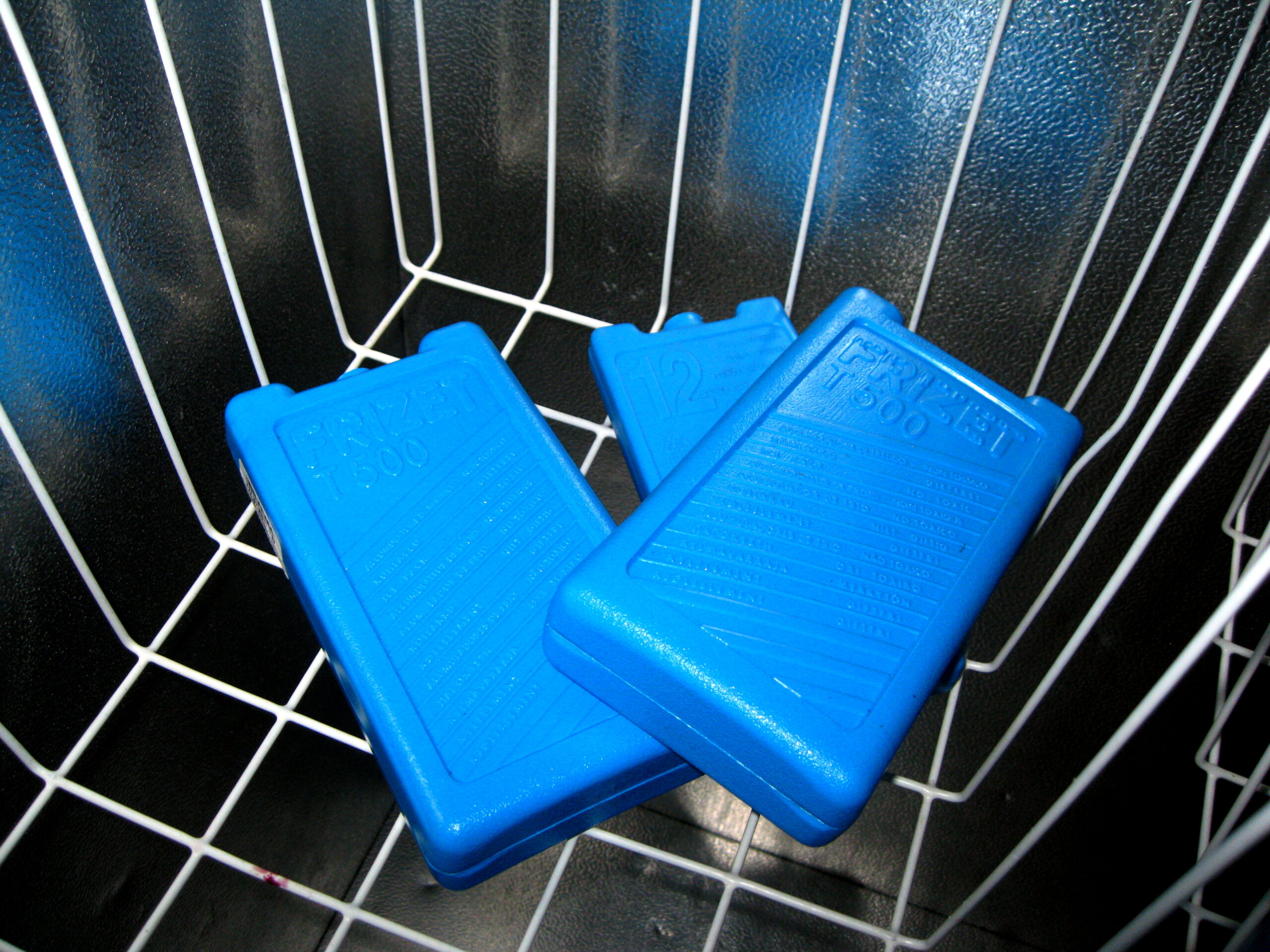
An ice pack works because it has to absorb heat before it can warm up. If the pack is frozen solid, some incoming heat is used to melt the frozen water or gel inside it. During that melting stage, the pack can absorb a lot of energy while staying near its melting temperature. That gives it more staying power than a merely chilled object, such as a bottle that was refrigerated but not frozen.
Still, a single cold source has limits. Heat can enter from several directions, and food is often packed in layers. If one ice pack sits at the bottom of the bag while the sandwich rests above a stack of crackers and napkins, the coldest part of the lunch may be far from the most perishable part. The USDA’s back-to-school lunch guidance recommends at least two cold sources and suggests placing them around perishable foods, such as above and below the items that need to stay cold.
That arrangement matters because cold does not float through a lunchbox evenly. In everyday speech people say cold moves into food, but physically heat is moving out of warmer items and into colder ones. The ice pack gives that heat somewhere to go. If the perishable food is close to the frozen source, heat leaves the food and nearby air more effectively. If the ice pack is separated by bulky packaging, empty space, or foods that do not need chilling, the arrangement is less useful.
What insulation can and cannot do
An insulated lunch bag slows heat transfer through its walls. Soft-sided insulated bags often use foam or reflective liners to reduce how quickly outside warmth reaches the inside. That makes a real difference compared with a thin paper bag, which offers almost no temperature control. A paper bag may be convenient, but it is a poor choice for perishable foods that must wait several hours.
Insulation, however, is not the same as active cooling. It cannot make food colder on its own. If a warm lunch goes into an insulated bag, the bag may actually help hold that warmth. If a cold lunch goes in with frozen packs, the same insulation helps preserve the cold environment. The container is a shield, not a machine.
Air space also matters. A loosely packed bag with large empty gaps can warm faster because air circulates inside and carries heat around. A neatly packed lunch, with cold sources close to perishable foods, usually performs better. This does not mean every square inch has to be crammed full. It means the cold parts and the foods that need protection should be arranged intentionally, not tossed in as an afterthought.
Which foods need the most protection
Perishable foods are the ones that can support bacterial growth more easily. Meat, poultry, seafood, eggs, milk, yogurt, cheese, cooked rice, cooked pasta, cooked vegetables, cut fruit, and many leftovers need colder storage because they provide moisture and nutrients. A sandwich with deli turkey and cheese is different from a sealed bag of pretzels. Grapes that have been washed and cut from the stem are different from an unopened box of raisins.
Moisture is one reason lunch foods deserve attention. Many bacteria grow better where water is available, which is why dry crackers or whole uncut fruit are usually less demanding than cut melon, tuna salad, or cooked chicken. Cutting, cooking, and mixing can also expose more surface area and move microbes from hands, utensils, or cutting boards onto food. The lunch may still look perfectly normal even when it has spent too long at a risky temperature.
The CDC’s food safety guidance is useful here because it focuses on conditions, not appearance. Perishable foods should not sit at room temperature for more than two hours, and the limit drops to one hour in hot conditions above 90°F. A school lunch is often packed longer than two hours before it is eaten, so the goal is not simply to pack it cleanly. The goal is to keep it cold enough during that waiting time.
Hot lunches follow the same logic in reverse
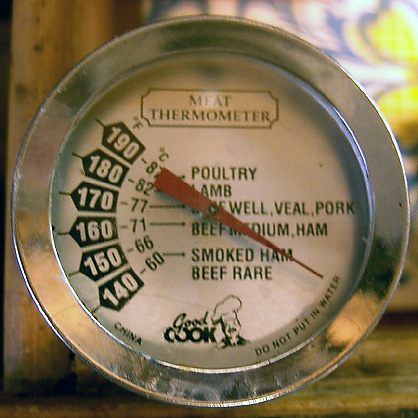
Some packed lunches are meant to stay hot instead of cold. Soup, chili, stew, pasta, and warm leftovers should not be packed in an ordinary container and allowed to drift slowly downward through the danger zone. The safer approach is to use an insulated food jar designed for hot foods. USDA guidance recommends warming the container first with boiling water, letting it stand briefly, emptying it, and then adding the hot food before closing the lid tightly.
The idea is the mirror image of a cold lunch. Instead of using frozen packs and insulation to keep food below 40°F, the container uses stored heat and insulation to help keep food at or above 140°F until it is eaten. Opening the container early releases heat, just as repeatedly opening a cold lunch bag lets warmer air in. A hot-food container works best when it stays closed until lunch.
There is an important practical difference between hot and cold packing: a warm food that cools partway may feel pleasant to eat while still having spent too much time in the danger zone. Comfort is not the same as safety. That is why soups and leftovers need a real hot-holding plan, not just a container that prevents spills.
A safer lunchbox is built before morning gets busy
The strongest lunchbox habits usually happen before the rush out the door. Chill perishable foods overnight. Freeze gel packs, water bottles, or juice boxes fully. Use an insulated bag that closes well. Place cold sources near the foods that need them most, ideally with one above and one below. If a refrigerator is available at school, perishable items can go there after arrival; leaving the lunch bag open in the refrigerator helps cold air circulate better.
Food choice can reduce risk too. On days when a lunch will sit in a warm place for a long time, shelf-stable foods are easier to manage. Whole fruit, nut or seed butter where allowed, crackers, unopened shelf-stable cartons, dried fruit, and other nonperishable options do not need the same cold-chain attention as yogurt, meat, eggs, or cut produce. That does not make cold lunches unsafe. It simply means the packing method should match the food.
Leftovers need special care. They should cool quickly in shallow containers before being packed for the next day, then travel with enough cold support or be reheated and held hot in an appropriate insulated container. A lunchbox is not a good place for slow cooling. If food has spent too long warm and no one knows how long, the safest answer is to throw it away rather than trusting smell or appearance.
Ice packs keep food safe until lunch by buying time against heat. They give incoming warmth something cold to enter before the food warms too much, and they work best inside an insulated bag with perishable items packed close by. The lesson is simple but powerful: a lunchbox is a small temperature-control system. When it is packed with that in mind, a sandwich, yogurt, or container of leftovers has a much better chance of staying safe from morning to midday.