 Akshay Dinesh
A lane closure can make ordinary drivers feel as if they have been dropped into a manners test. One line of cars forms early, another lane stays open, and a few drivers keep going until the cones force the issue. To people waiting in the long line, those late mergers can look selfish. To traffic engineers, though, the answer depends on the speed of traffic, the signs on the road, and whether the open pavement is being wasted.
A zipper merge is the orderly version of that late merge. Drivers use both lanes until the marked merge point, then alternate into the open lane like the teeth of a zipper. It is not a license to rush ahead, block others, or squeeze into a tiny gap. It is a way of turning a messy bottleneck into a predictable pattern when traffic is already heavy and slow.
Why empty lanes can make a backup worse
A road bottleneck happens when the number of vehicles trying to pass through a point is greater than the point can handle smoothly. The Federal Highway Administration describes bottlenecks as places where traffic slows because of recurring limits, such as merges and lane drops, or temporary disruptions, such as crashes, weather, and work zones. A lane closure is one of the simplest examples: two lanes of demand suddenly have to fit through one lane of space.
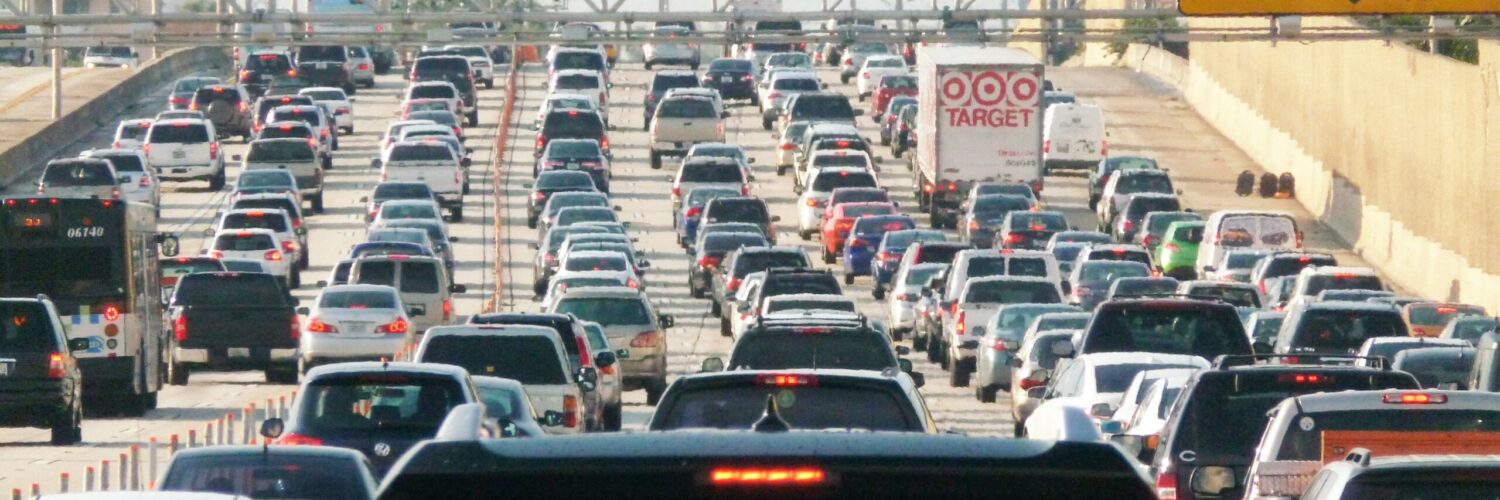
When drivers merge very early in heavy traffic, the continuing lane can become packed while the closing lane sits partly empty. That does not make the work zone wider. It simply stretches the queue farther upstream. A longer backup can spill across ramps, block intersections, and surprise drivers who come upon the end of the line before they expect it.
The zipper merge tries to use the full storage space the road still has. Instead of forming one long line well before the closure, both lanes carry slow traffic forward until the merge point. The same number of cars still has to pass through the single open lane, so the zipper merge does not magically erase delay. Its strength is that it organizes the delay into a shorter, more even queue.
What actually happens at the merge point
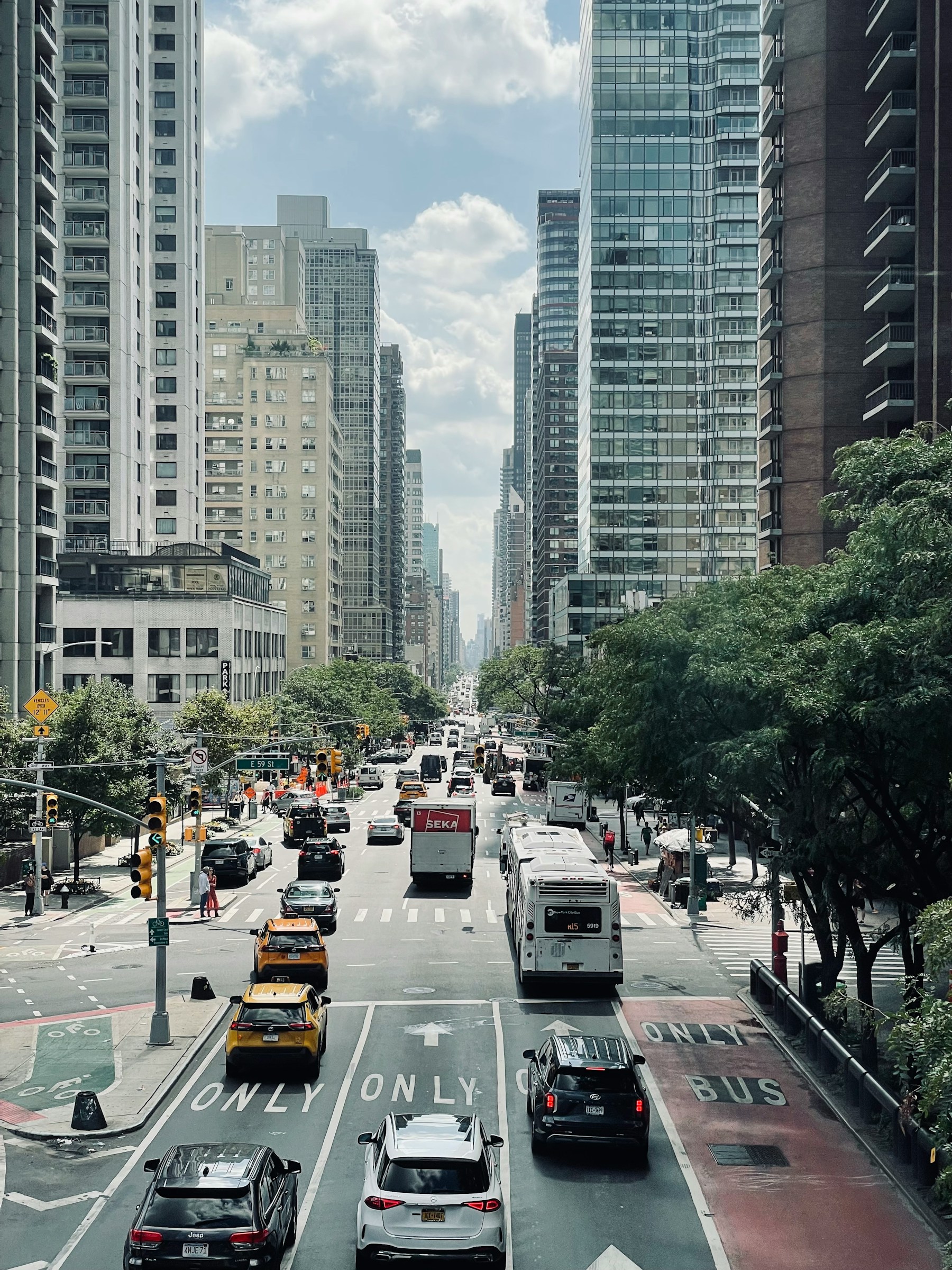
The merge point is the key. In a good zipper merge, drivers do not wander between lanes looking for an advantage. They stay in their lanes, move at about the same slow speed, and take turns where the lane reduction actually happens. One vehicle from the continuing lane goes, then one vehicle from the ending lane, then the pattern repeats.
That alternating movement matters because uncertainty is expensive in traffic. If one driver brakes sharply, the driver behind reacts, then the next driver reacts a little harder. A small hesitation can travel backward as a wave of stop-and-go motion. The FHWA’s work on bottlenecks emphasizes that orderly merging, similar speeds, and enough gaps help traffic move through a constriction more safely than a scramble for position.
Late merging also changes the psychology of the line. If everyone knows both lanes are supposed to be used, the driver in the ending lane is not “cutting.” They are following the same rule as everyone else. The sense of fairness comes from the alternating turn at the front, not from how early each person joined a single file.
When a zipper merge is the right tool
The zipper merge is most useful when traffic is already slow, dense, and backing up before a lane closure. The Minnesota Department of Transportation tells drivers in that situation to keep using both lanes until the defined merge area, then take turns into the open lane. MnDOT says this can reduce the overall length of the backup by as much as 40 percent, reduce speed differences between lanes, and make the movement feel fairer because both lanes keep progressing.
Federal guidance on dynamic lane merge systems makes a similar distinction. Dynamic early merge systems encourage drivers to move over before the work zone when volumes are lower and traffic is near free-flow speed. Dynamic late merge systems encourage drivers to remain in the lane that will drop until a specified merge point when vehicle volumes are near capacity and speeds are approaching congestion. In other words, the right answer changes with conditions.
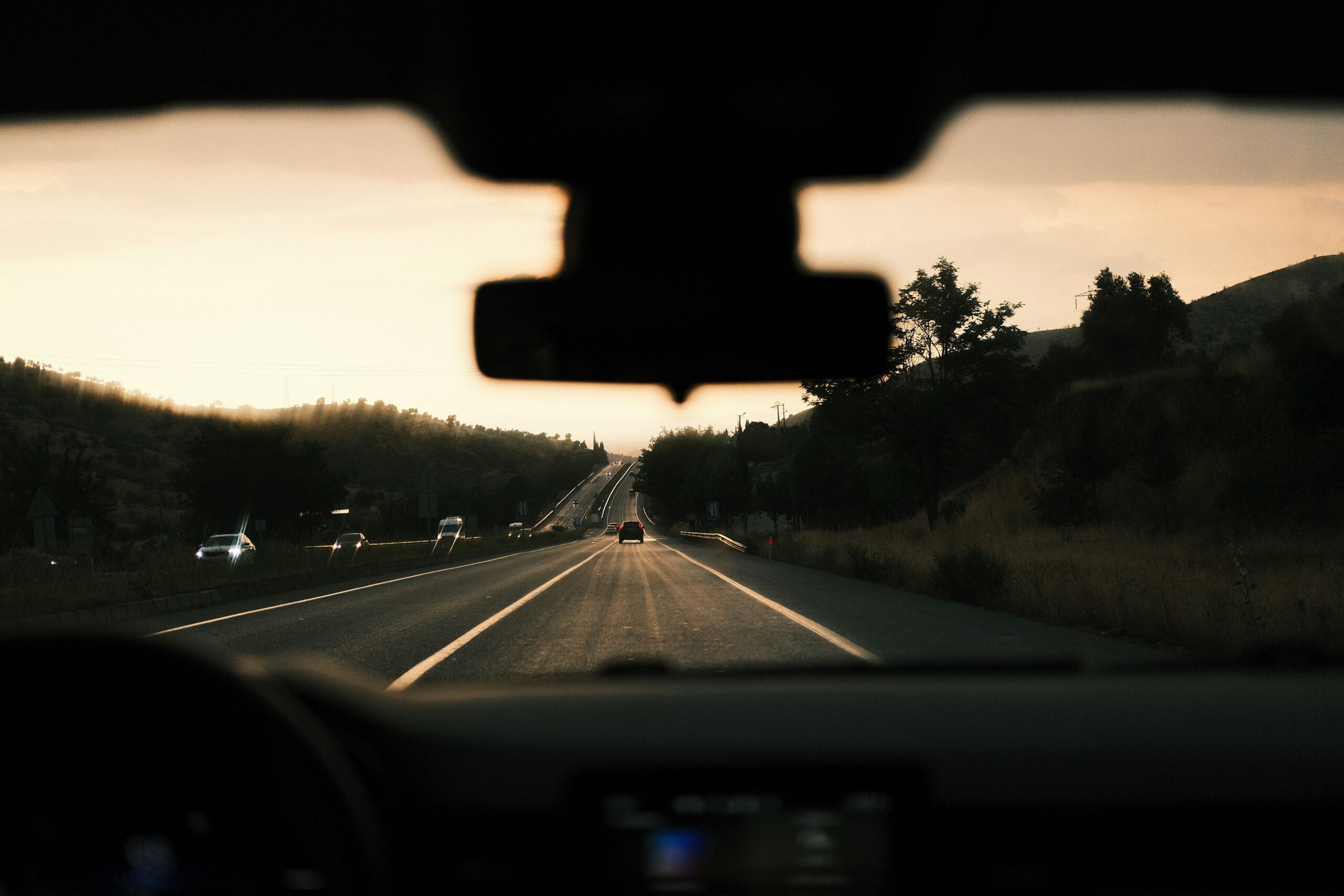
This is why the common advice “merge early” is not always wrong, and “zipper merge” is not always right. If vehicles are still traveling at highway speed and there is room to blend smoothly, moving over sooner can be safer. A late merge at high speed can leave too little time for drivers to judge distance, match speed, and find a comfortable gap. The zipper merge belongs in the slow, crowded case where both lanes are already part of the backup.
Why driver behavior can undo the benefit
A zipper merge works only when enough drivers behave as if the same rule applies to everyone. If drivers in the continuing lane refuse to leave gaps, the ending lane stops abruptly. If drivers in the ending lane rush past at a much higher speed, they create fear and resentment instead of order. If someone straddles two lanes to block others, the roadway loses the capacity the merge was meant to preserve.
The hardest part is that the zipper merge asks drivers to separate courtesy from habit. Many people were taught that good drivers merge as soon as they see the first warning sign. That habit can be reasonable when traffic is moving freely. In a jam, though, it can turn one usable lane into unused pavement and push the backup farther behind the work zone.
Good zipper merging feels calmer than the debate around it. Drivers should keep a steady speed, avoid sudden lane changes, signal before merging, and leave a usable gap at the merge point. The goal is not to beat the other lane. The goal is to make the single open lane receive vehicles in a predictable rhythm.
How signs and technology help drivers agree
Transportation agencies sometimes use signs to remove the guesswork. A static work-zone sign might tell drivers that a lane is closed ahead, but it may not say what to do when traffic backs up. Dynamic lane merge systems go further. They can use sensors, portable changeable message signs, and real-time traffic conditions to tell drivers when to merge early and when to use both lanes to a late merge point.
The FHWA’s work-zone technology guidance notes that dynamic systems can switch between early and late merge messages based on speed and traffic volume. That matters because drivers are better at following a clear instruction than guessing what everyone else expects. When the signs say “use both lanes” and “merge here,” the merge stops being a social argument and becomes a shared traffic pattern.
Work-zone policy has also become more explicit about safety and mobility. The FHWA’s updated Work Zone Safety and Mobility Rule, published in 2024 and effective in December of that year, focuses on systematically addressing the safety and mobility impacts of work zones on Federal-aid highway projects. Zipper merges are one piece of a larger idea: road construction should protect workers and road users while managing the delay that temporary lane changes create.
The simple rule drivers can remember
The simplest version is this: when traffic is light and moving fast, merge early and smoothly when it is safe. When traffic is heavy, slow, and backed up before a lane closure, use both lanes to the merge point and take turns. That small change keeps the road’s remaining space useful and gives drivers a clearer pattern to follow.
Zipper merging does not make a construction zone disappear. It cannot turn one open lane into two, and it depends on patient, steady driving from people who may already be frustrated. But at its best, it replaces a long, uneven line with a shorter and more organized queue. The road narrows either way. The difference is whether drivers treat the narrowing point like a contest or like a shared turn-taking problem.