 Akshay Dinesh
A presidential pardon can sound simple from a distance: the president forgives someone for a crime. In the American constitutional system, though, that simple idea carries unusual power. A pardon can lift legal punishment for a federal offense, a commutation can shorten a sentence, and a reprieve can delay punishment. These actions sit at the edge of law and mercy, where the justice system’s rules meet the president’s judgment.
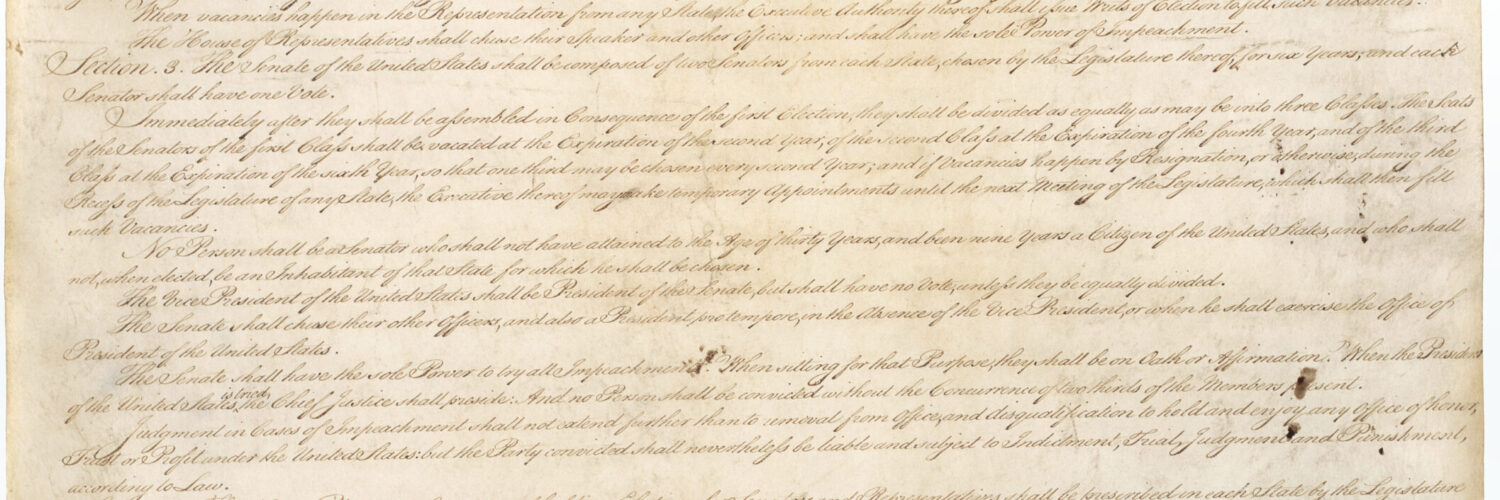
The power comes from Article II of the U.S. Constitution, which says the president may grant reprieves and pardons for offenses against the United States, except in cases of impeachment. That short phrase has produced more than two centuries of legal questions, famous cases, political arguments, and personal second chances. It is broad enough to matter in dramatic national moments, but it is not a magic eraser for every legal problem.
Where the Pardon Power Comes From
The framers of the Constitution borrowed the idea of executive clemency from older legal traditions, including the English monarch’s power to show mercy. In the American version, the power was placed in the presidency, not in Congress or the courts. Alexander Hamilton defended that choice in Federalist No. 74, arguing that one person could act with speed and compassion when strict law produced a harsh result.
The wording matters. Article II refers to “Offences against the United States,” which means federal offenses. A president cannot pardon someone for a state crime, a local offense, or a private civil judgment. Governors and state clemency boards handle many state-level pardon questions, depending on each state’s constitution and laws.
The same clause also excludes impeachment. A president may not use the pardon power to erase an impeachment or block the constitutional consequences of an impeachment conviction. That limit helps preserve Congress’s separate power to remove federal officials from office when the Constitution’s impeachment standard is met.

Pardons, Commutations, Reprieves, and Amnesty
People often use the word pardon for every act of clemency, but the terms are not identical. A full pardon is the form most people recognize. It forgives a federal offense and can restore certain civil rights that were lost because of the conviction, though it does not necessarily erase the historical fact that the conviction happened.
A commutation works differently. It reduces a punishment, such as changing a long prison sentence to a shorter one, but it does not overturn the conviction itself. Someone who receives a commutation may still have a criminal record, even if the punishment is reduced. This distinction is one reason commutations are often used when a sentence seems excessive but the underlying conviction is not being rejected.
A reprieve delays a punishment, often to give more time for review. Amnesty usually refers to clemency for a group rather than one person. Presidents have used broad clemency at moments of national repair, including after conflicts when the government wanted to move people back into civic life instead of punishing every violation in the same way.
What the President Can and Cannot Do
The Supreme Court has generally read the federal pardon power broadly. In Ex parte Garland in 1866, the Court described the power as extending to every federal offense and said it may be exercised after an offense is committed, even before conviction. That does not mean the president can pardon future crimes before they happen. It means clemency can come at different stages after the conduct has occurred.
The limits are just as important for understanding the power honestly. The president cannot pardon state convictions. A federal pardon would not clear a person convicted under state law in Georgia, New York, Texas, or any other state. The president also cannot use a pardon to cancel an impeachment judgment, remove civil liability, force private employers or licensing boards to treat a person a certain way, or rewrite every consequence that follows from public knowledge of the case.
A pardon is also not the same thing as proving innocence. Some pardons are granted because later evidence raises doubts about guilt. Others are granted because a person has accepted responsibility, lived responsibly after conviction, or received a punishment that later seems too severe. The same constitutional tool can serve different purposes, which is part of why it attracts both praise and criticism.
How the Clemency Process Usually Works
The Department of Justice’s Office of the Pardon Attorney exists to support the president’s clemency work. People seeking federal clemency can apply through that office, which reviews petitions and prepares recommendations. The review may consider the offense, sentence, time since conviction, conduct after conviction, acceptance of responsibility, hardship, public safety, and the views of prosecutors or victims when relevant.
That process gives clemency a formal path, but it does not fully control the president. The Constitution gives the power to the president, so presidents are not required to grant clemency only through a Justice Department recommendation. Some presidents have relied heavily on the regular review process; others have also issued clemency after public advocacy, personal appeals, or high-profile political debate.
This is one reason clemency can feel both humane and uneasy. A formal review process can help ordinary applicants be heard. A direct presidential decision can respond quickly to an obvious injustice. Yet the same flexibility can raise fairness questions when well-connected applicants seem to receive faster attention than people with less visibility.
Why the Power Still Matters
Clemency remains part of the constitutional design because no legal system handles every case perfectly. Laws can be too broad, sentences can be too severe, old convictions can block a person long after punishment has been served, and new public values can make an earlier punishment look excessive. A pardon or commutation gives the government a way to correct, soften, or revisit a result without pretending the courts can solve every problem.
The power also matters because it reveals a tension inside constitutional government. Law depends on rules that apply consistently. Mercy depends on judgment that looks closely at one person or group. A pardon sits between those ideas. Used carefully, it can repair an unfair outcome or recognize rehabilitation. Used carelessly, it can look like favoritism or a way to protect allies.
That tension is why presidential pardons keep returning to public debate. They are not outside the Constitution; they are written directly into it. But their legitimacy depends on how the power is used, whether the reasons are defensible, and whether the public can see a connection between mercy, justice, and the common good.