
 Akshay Dinesh
A quiet beach can hide one of the ocean’s most important movements. At the surface, a person might notice only cooler water, foggier air, greener waves, or a sudden burst of seabirds over feeding fish. Beneath that scene, wind and Earth’s rotation may be pulling surface water away from the coast and allowing deeper water to rise. That rising water is called upwelling, and it helps explain why some coastal waters are among the most productive places in the ocean.
Upwelling matters because the sunlit surface ocean is not always rich in the nutrients that tiny marine plants need. In many places, nutrients sink or are used up near the top. Deep water, by contrast, can carry nitrate, phosphate, silicate, and other dissolved materials left behind as organic matter breaks down. When that deeper water reaches sunlight, it can feed blooms of phytoplankton, which then support fish, seabirds, whales, and fishing communities. A process that begins with wind can shape an entire food web.
Why Deep Water Rises Near Some Coasts
Coastal upwelling often begins with wind blowing roughly parallel to a shoreline. The wind pushes the ocean surface, but the water does not simply move in the same direction as the wind. Because Earth rotates, surface water is deflected to the right of the wind in the Northern Hemisphere and to the left in the Southern Hemisphere. Oceanographers call this wind-driven sideways movement Ekman transport.
Along a west-facing coast in the Northern Hemisphere, such as parts of California, winds that blow toward the equator can move surface water offshore. The ocean then has to replace that missing surface water. Colder water rises from below, bringing dissolved nutrients into the upper layer where sunlight can reach. The same basic pattern can happen in other parts of the world when the coastline, wind direction, and hemisphere line up in the right way.
Upwelling is not limited to coasts. It can also happen where surface waters move apart in the open ocean, allowing deeper water to come upward between them. Still, coastal upwelling is especially noticeable because it can affect beaches, fisheries, marine habitats, and local weather. People may feel its presence as a sudden chill in the water or see it as a change in ocean color.
The Nutrient Link Behind Productive Waters
Sunlight is strongest near the ocean surface, but sunlight alone does not build a food web. Phytoplankton, the microscopic plantlike organisms that drift in seawater, need nutrients in much the same way land plants need fertilizer. When upwelling brings nutrient-rich water into the sunlit zone, phytoplankton can multiply quickly if other conditions are favorable.
This is why upwelling regions often support large populations of anchovies, sardines, salmon, seabirds, and marine mammals. Phytoplankton feed zooplankton, small drifting animals that are eaten by small fish. Those fish then become prey for larger fish, birds, seals, sea lions, and whales. NOAA Ocean Exploration describes upwelling as a way deep water can fertilize surface waters, and that word is useful: the process can make the upper ocean suddenly more generous.
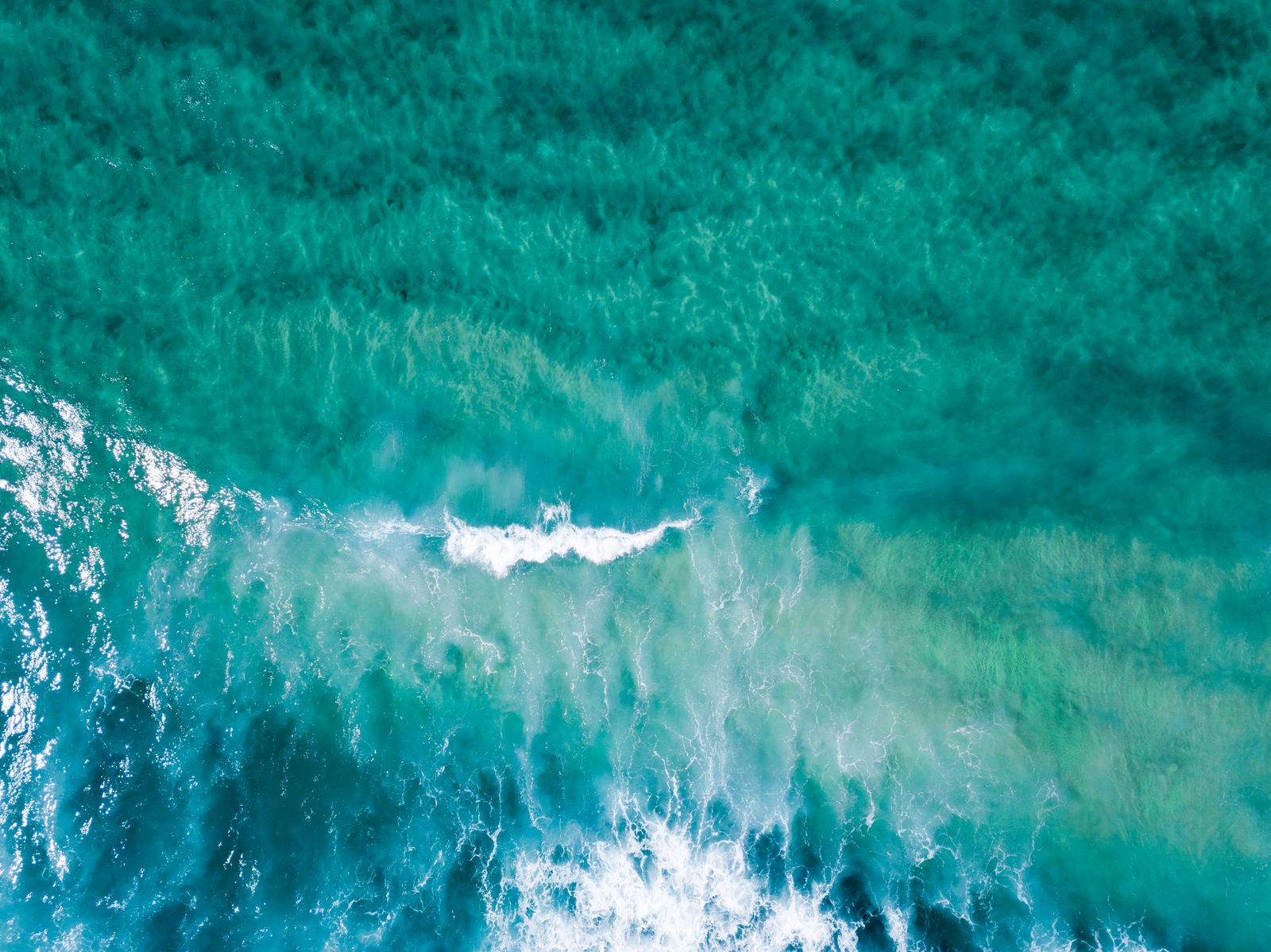
The greenish color sometimes seen in upwelling zones comes partly from phytoplankton and other suspended material. Clear blue tropical water can be beautiful, but it is often low in nutrients. Greener coastal water may look less postcard-perfect, yet it can be far more biologically active. Color is not a perfect measure of productivity, but it can be one visible clue that the surface ocean is carrying more life and more particles.
Why Upwelling Can Be Helpful and Stressful
The same deep water that feeds life can also bring difficult conditions. Water that has spent a long time below the surface is usually colder, and it may contain less dissolved oxygen than surface water. In some regions, it can also be more acidic because carbon dioxide builds up as sinking organic matter decomposes. When this water reaches shallow coastal habitats, marine organisms may experience a sharp change in temperature, oxygen, and chemistry.
This is one reason upwelling is not simply a story of abundance. It can help support productive fisheries while also contributing to low-oxygen events, especially when strong upwelling is followed by intense biological activity and decomposition. NOAA research on the California Current has highlighted how seasonal upwelling can bring low-oxygen and lower-pH waters onto the shelf, making coastal ecosystems sensitive to further changes in oxygen and acidity.
For shell-building animals, lower pH can make it harder to maintain shells and skeletons. For fish and crabs, low oxygen can shrink usable habitat or force animals to move. The outcome depends on timing, strength, location, and species. A moderate upwelling season can fuel a rich food web, while a poorly timed or unusually intense event can add stress to organisms already dealing with warm water, pollution, or habitat loss.
Why Timing Changes Everything
Upwelling is most useful to a food web when it lines up with sunlight and the life cycles of organisms that can use the nutrients. If nutrients rise into bright surface water during a season when phytoplankton can grow, the effect can spread quickly through the ecosystem. If the timing is off, nutrients may not translate into the same burst of food.
Wind patterns are a major part of that timing. Along parts of the U.S. West Coast, spring and summer winds often favor upwelling. That seasonal rhythm helps shape the California Current ecosystem, one of the ocean’s major productive eastern boundary current systems. Similar upwelling systems occur off Peru and Chile, northwest and southwest Africa, and other coasts where persistent winds and shoreline geometry move surface water away from land.
Timing also matters for young fish. Many species depend on plankton-rich waters during early life, when larvae are tiny and vulnerable. Too little upwelling may mean too little food. Too much strong upwelling at the wrong moment can push young organisms away from favorable nursery areas or bring stressful low-oxygen water into shallow zones. Ocean productivity depends on a balance that is powerful but not guaranteed.
How Scientists Track Upwelling
Scientists study upwelling with a mix of satellites, ships, buoys, coastal instruments, and computer models. Satellites can show sea surface temperature, ocean color, and chlorophyll patterns, which help reveal where cold water and phytoplankton blooms may be appearing. Research vessels and autonomous instruments can measure nutrients, oxygen, salinity, acidity, and plankton directly in the water.
Those measurements matter because surface clues do not tell the whole story. A cold patch of water may suggest upwelling, but scientists need more information to know how deep the source water was, how nutrient-rich it is, and whether oxygen or acidity could become a concern. NOAA Fisheries and other ocean researchers have developed upwelling indices to estimate how wind-driven transport affects nutrient delivery and ecosystem conditions over time.
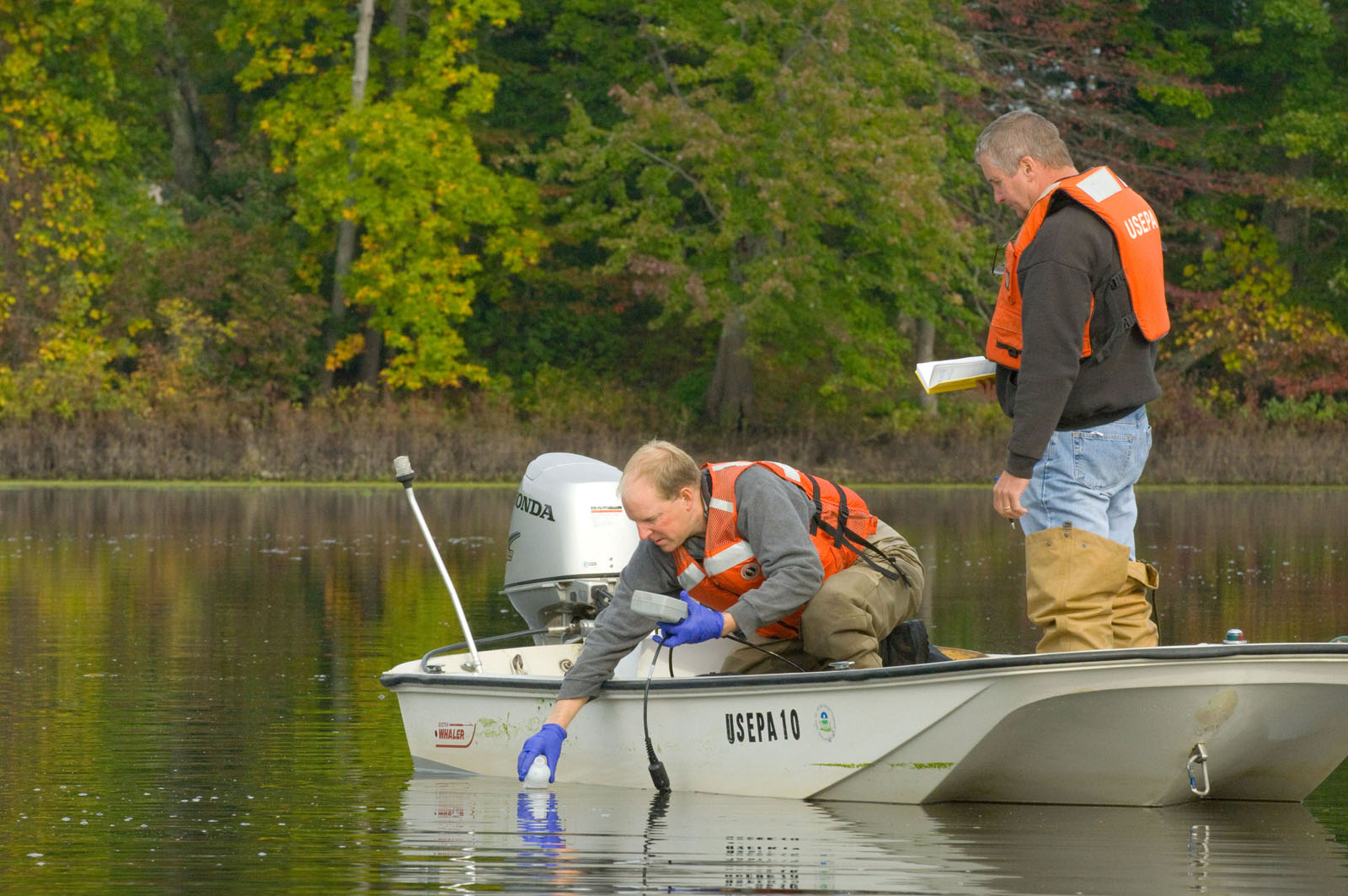
Forecasting upwelling is also useful for fisheries, aquaculture, and coastal management. Shellfish growers, for example, may watch ocean chemistry closely because upwelled water can be more corrosive to young shellfish. Fisheries managers study productivity patterns because upwelling can influence where fish feed and how strong year classes become. The same physical process can matter to a beachgoer, a scientist, a fishing crew, and a coastal community in different ways.
A Hidden Engine of Coastal Life
Upwelling shows how connected the ocean is from top to bottom. Winds that seem to skim only the surface can move water sideways, draw deeper water upward, feed microscopic life, and eventually affect animals large enough to be seen from shore. The process is physical at first, but its consequences are biological, economic, and even cultural in places where coastal food webs support fishing traditions.
It also reminds us that productive ecosystems are not always simple or gentle. Cold, nutrient-rich water can bring abundance, but it can also carry low oxygen and challenging chemistry. The most important lesson is not that upwelling is good or bad. It is that ocean life depends on timing, movement, and balance. When deep water reaches the surface, a hidden part of the sea briefly enters the light, and the whole coast can respond.




Add comment