 Akshay Dinesh
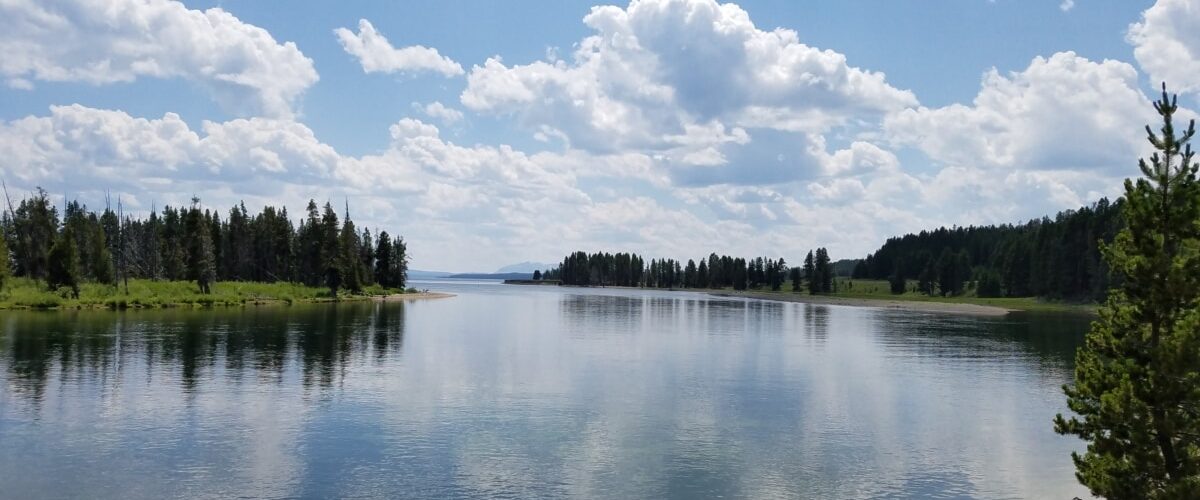
On a hot July afternoon, a lake can look like one smooth body of water from the shore. Below the surface, though, many deeper lakes are divided into layers. The top few feet may be warm enough for swimming, while the deeper water stays cold, dark, and surprisingly cut off from the air above. That hidden structure is called lake stratification, and it helps explain why summer lakes can develop low oxygen near the bottom, why some fish move to certain depths, and why a lake may suddenly look or smell different when the weather changes.
Lake stratification is not a rare or exotic process. It happens in many temperate lakes when sunlight, warm air, and calmer summer weather allow water of different temperatures to settle into separate zones. Because warm water is less dense than cold water, it tends to float on top instead of mixing easily downward. Once that separation becomes stable, a lake can behave less like a stirred pot and more like a layered drink, with each layer holding different amounts of light, oxygen, nutrients, and life.
Why Warm Water Floats Above Cold Water
The main driver of summer lake stratification is a simple property of water: temperature changes density. As spring turns into summer, sunlight warms the surface first. Wind can still mix the upper water, but it often cannot push that warmth all the way to the bottom of a deep lake. The warmer surface water becomes lighter and stays above the cooler, denser water below.
Scientists usually describe three layers in a stratified lake. The warm upper layer is the epilimnion, where sunlight is strongest and contact with the atmosphere helps keep oxygen available. Beneath it is the metalimnion, often called the thermocline, where temperature drops quickly with depth. The cold bottom layer is the hypolimnion, a darker zone that may stay isolated for weeks or months during the warm season.
The thermocline matters because it acts like a boundary. It is not a solid wall, but it can strongly reduce mixing between the surface and the depths. A swimmer may feel it as a sudden chill below the warm top layer. A water-quality scientist sees it in temperature profiles, where readings shift sharply over a narrow depth range. For fish, insects, algae, and bacteria, that boundary can shape where oxygen and food are available.
How Layering Changes Oxygen Underwater
Oxygen enters lake water mainly through contact with the atmosphere and through photosynthesis by algae and aquatic plants in sunlit water. During summer stratification, most of that fresh oxygen is produced or absorbed in the upper layer. The deep layer is still full of water, but it is no longer being regularly refreshed from above. Over time, the oxygen already trapped near the bottom can be used up.
The U.S. Geological Survey describes dissolved oxygen as one of the most important signs of water quality because aquatic animals depend on it directly. Fish, insect larvae, mussels, and many other organisms need oxygen dissolved in the water, not just oxygen in the air above the lake. When oxygen falls too low in deeper water, some animals leave if they can. Others become stressed, stop feeding normally, or die if conditions remain poor.
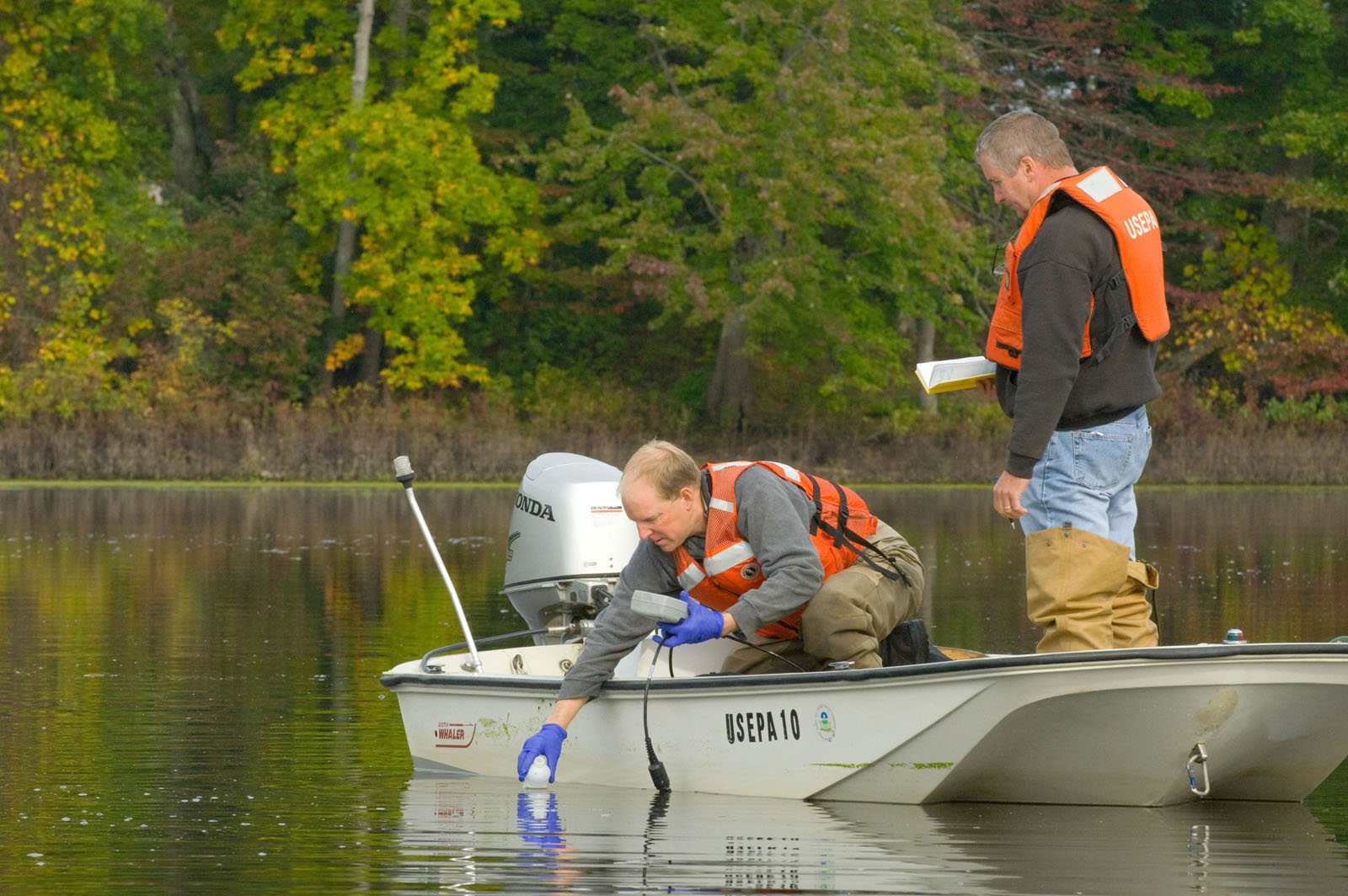
Michigan Sea Grant’s teaching materials on lake stratification make the relationship especially clear: when the thermocline blocks mixing, oxygen made in the bright surface water does not easily reach the cold bottom water. Meanwhile, bacteria in the bottom zone continue decomposing dead algae, leaves, and other organic matter that sinks from above. That decomposition uses oxygen. The longer the deep layer stays isolated, and the more organic material sinks into it, the greater the risk of low-oxygen conditions.
This is one reason a lake can be clear and inviting at the surface while the bottom water is becoming hard for aquatic life to use. The problem is not always visible from a dock or beach. A lake may need temperature and oxygen readings at several depths before the pattern becomes obvious. In some lakes, the deepest water can become hypoxic, meaning oxygen is very low, or even anoxic, meaning oxygen is nearly absent.
Why Algae and Nutrients Can Make the Problem Worse
Stratification by itself does not automatically mean a lake is unhealthy. Many lakes stratify every summer and still support rich ecosystems. The risk grows when warm weather, high nutrient levels, and heavy algal growth add more material for decomposition. Nutrients such as phosphorus and nitrogen can wash in from fertilized lawns, farms, leaking septic systems, stormwater, or disturbed soil. In the sunlit upper layer, those nutrients can feed algae and aquatic plants.
When algae are alive near the surface, they may produce oxygen during daylight. The trouble comes later, when algae die and sink. Bacteria break that material down, and the process consumes oxygen. In a mixed lake, oxygen from the surface can be replenished more easily. In a stratified lake, the deep water is cut off from that steady supply, so decomposition can drain the bottom layer faster than oxygen can return.
Low oxygen can also change lake chemistry. In some lakes, oxygen-poor bottom water allows phosphorus stored in sediments to move back into the water. When the lake mixes again, that phosphorus can become available near the surface and help fuel another round of algal growth. This feedback is one reason lake managers pay close attention not only to what enters a lake from the watershed, but also to what happens in the bottom water during the stratified season.
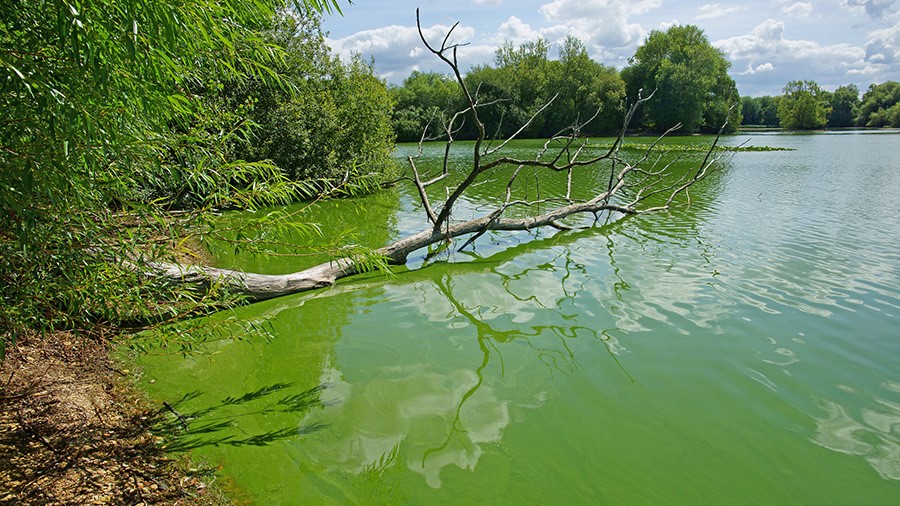
Not every green patch along a shoreline means the whole lake is in trouble, and not every cloudy lake has dangerous oxygen loss. Local depth, temperature, sunlight, wind, nutrient levels, and lake shape all matter. Still, the connection between stratification, algae, decomposition, and oxygen helps explain why summer water quality can change quickly after long warm spells or calm weather.
How Fish Respond to Layered Water
Fish do not simply choose the warmest or coldest water. They need a livable combination of temperature, oxygen, food, and shelter. In a stratified lake, those needs can pull in different directions. The upper layer may have more oxygen and more food, but it may become too warm for cold-water fish. The deep layer may be comfortably cool, but oxygen there can decline as summer continues.
Cold-water species such as trout often depend on deep, cool, oxygen-rich habitat. If the deep water loses too much oxygen, their available habitat can shrink from below. Warm-water species may tolerate higher temperatures, but they still need oxygen and may avoid zones where oxygen is low. This is why anglers, biologists, and lake managers often care about temperature and oxygen profiles together, rather than treating them as separate measurements.
Stratification can also influence where fish gather during the day. Some may stay near the thermocline because it offers a balance between cooler water and enough oxygen. Others may follow prey that move with light levels or oxygen conditions. A lake that looks empty in one area may simply have fish concentrated at a depth where the conditions are better.
What Happens When Lakes Turn Over
Layering usually weakens when the weather cools. In autumn, surface water loses heat and becomes denser. Wind can mix the lake more deeply, and eventually the temperature difference between the upper and lower layers becomes small enough for the lake to turn over. During turnover, water from different depths circulates, bringing oxygen downward and carrying nutrients upward.
Turnover can be healthy and necessary, but it can also be noticeable. Water may look murkier for a while as bottom material and nutrients are redistributed. In some lakes, odors from oxygen-poor deep water may become more apparent when that water mixes upward. These changes do not always mean something new has polluted the lake. Often, they reveal conditions that developed quietly during the stratified summer months.
Spring can bring a similar mixing period after ice melts or after winter temperature differences fade. The exact pattern depends on climate, lake depth, wind exposure, and whether the lake freezes. Shallow lakes may mix often and never form a strong summer thermocline. Deep sheltered lakes may stratify strongly and hold their layers for a long time.
Why Stratification Is Worth Noticing
Lake stratification turns a familiar summer scene into a more interesting system. The warm water near a dock, the sudden cold layer below a swimmer’s feet, the algae along a shoreline, and the fish holding at certain depths can all be connected. The lake is not just water in a basin. It is a changing set of physical, chemical, and biological conditions stacked on top of one another.
For students, stratification is a useful bridge between everyday observation and environmental science. It shows how density, heat, sunlight, wind, photosynthesis, decomposition, and animal habitat fit together. For communities, it is a reminder that water quality depends on both the lake and the land around it. Reducing excess nutrients, protecting shorelines, managing stormwater, and monitoring oxygen all help keep summer layers from turning into deeper trouble.
The next time a lake feels warm at the surface and cold below, that temperature change is more than a swimming surprise. It is a clue to how the lake is breathing, storing heat, moving nutrients, and making space for life beneath the surface. What happens in those hidden layers can shape the health of the whole lake long after the hottest afternoon has passed.