

 Akshay Dinesh
A half-used bottle of sunscreen can look harmless sitting in a beach bag or bathroom cabinet. The label still says SPF 30 or SPF 50. The tube may still squeeze out a familiar lotion. But sunscreen is not just a cosmetic cream with a pleasant summer smell. In the United States, the Food and Drug Administration regulates sunscreen as an over-the-counter drug because its active ingredients are supposed to protect skin from ultraviolet radiation.
That is why expiration dates matter. They are not decoration, and they are not mainly about whether the product still feels nice. They are a promise about stability: whether the formula can still deliver the protection measured on the label when it is used as directed. Time, heat, sunlight, water, and repeated opening can all make that promise less reliable.
What an Expiration Date Is Really Testing
Expiration dates on sunscreen come from stability testing. A manufacturer has to know that the product’s active ingredients and overall formula remain effective through the labeled shelf life. The FDA says nonprescription drug products need an expiration date unless stability testing shows they will remain stable for at least three years. If a sunscreen has no printed expiration date, the FDA advises treating it as expired three years after purchase.
That rule matters because sunscreen protection depends on more than one ingredient sitting in a bottle. A finished sunscreen is a carefully balanced mixture of UV filters, oils or water, emulsifiers, preservatives, thickeners, and other inactive ingredients that help the product spread evenly. If the formula separates, breaks down, dries out, or changes texture, the active ingredients may no longer be distributed the way the label assumes.
The SPF number comes from testing under controlled conditions. It is not a magic number that stays true forever after manufacturing. It assumes the product is still chemically and physically stable, applied in the right amount, and reapplied as the label directs. When a bottle is old or poorly stored, the gap between the printed number and real protection can widen.
Why Heat and Sunlight Can Weaken a Formula
Sunscreen has a difficult job: it is made for sunny places, but the product itself does not like being baked. The FDA recommends keeping sunscreen containers away from direct sun and excessive heat, even suggesting shade or wrapping containers in towels during long outdoor periods. That advice is not fussy. It reflects a basic chemistry problem.
Heat speeds up many chemical and physical changes. Some active ingredients can become less stable. Preservatives may become less reliable. Emulsions can separate, leaving oilier and waterier layers instead of a smooth mixture. A bottle left in a hot car, on a pool deck, or in a backpack under direct sun may age faster than the same bottle stored in a cool cabinet.
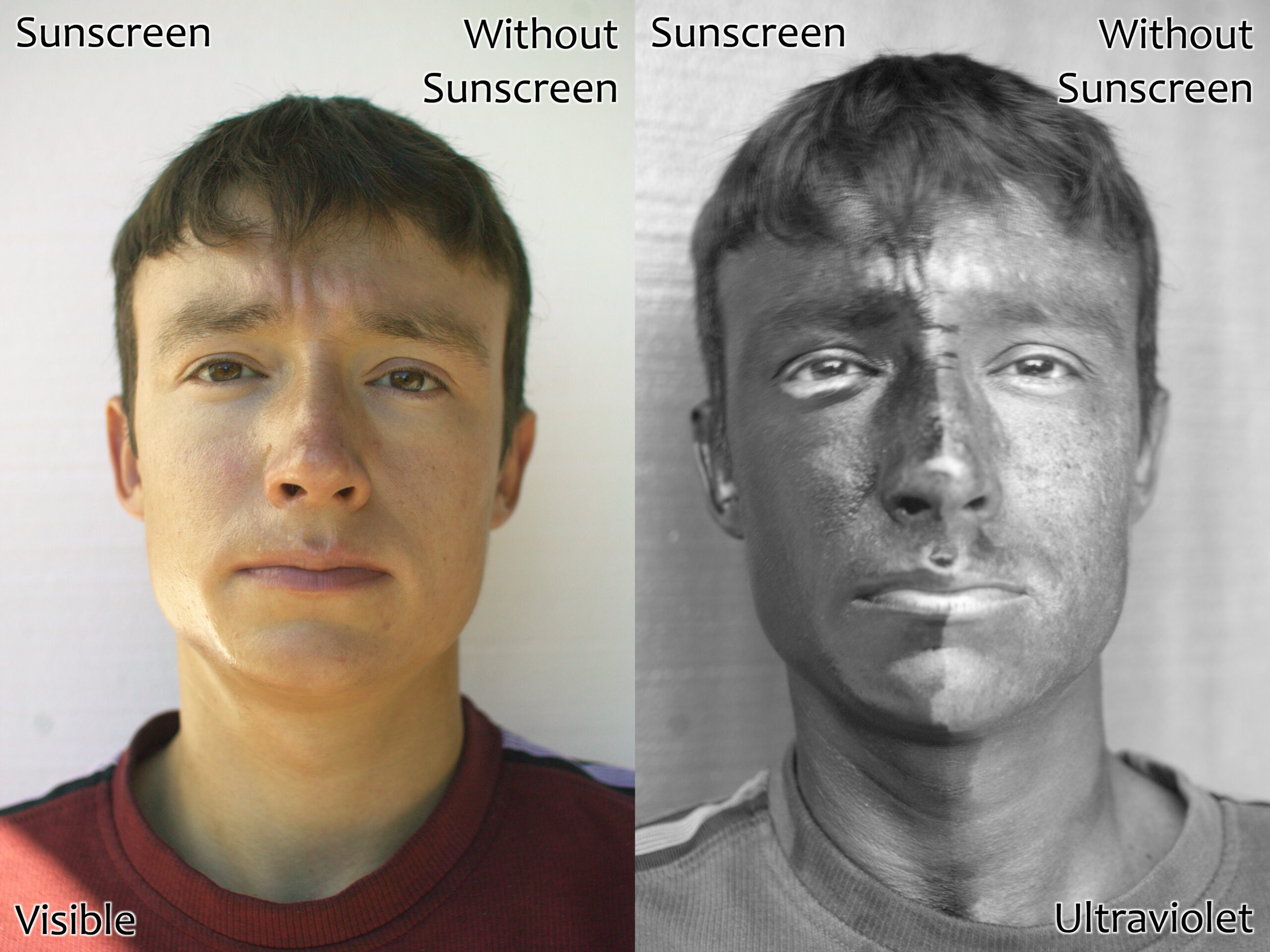
Visible changes are especially useful warning signs. The American Academy of Dermatology advises replacing sunscreen if the color, consistency, or smell has clearly changed. Separation into layers, a dry or flaky texture, or a sour or unusual odor can mean the formula is no longer behaving as intended. Shaking the bottle may make it look temporarily normal, but it cannot prove that the UV filters are still stable or evenly distributed.
Chemical and Mineral Sunscreens Still Need Stability
People often divide sunscreens into chemical and mineral types. Chemical UV filters absorb ultraviolet radiation and convert some of that energy into less harmful forms. Mineral filters such as zinc oxide and titanium dioxide mainly work by scattering, reflecting, and absorbing UV radiation at the skin’s surface. The difference is real, but it does not mean mineral sunscreens can be ignored after years in a cabinet.
Mineral particles still have to stay evenly suspended in the product. If the lotion separates or clumps, the layer on the skin may become patchy. Chemical filters also depend on a stable formula around them. Some ingredients are more sensitive to light or heat than others, which is one reason sunscreen formulas often combine filters, stabilizers, and inactive ingredients carefully.
The important point is that sunscreen is a system. A lotion that spreads smoothly helps create a more even protective film. A spray that no longer disperses evenly can leave gaps. A stick that has dried out may drag across the skin instead of laying down a consistent layer. Expiration is partly about active ingredients, but it is also about whether the whole product still performs like the tested version.
Why Old Sunscreen Can Give a False Sense of Safety
Expired sunscreen is tricky because it may not fail dramatically. It may not sting, smell bad, or look strange. Someone may apply it, feel protected, and stay outside longer than they would have without it. That false confidence can be the real risk. The skin is still receiving ultraviolet radiation even when the problem is invisible at first.
UVB radiation is closely tied to sunburn, while UVA radiation penetrates more deeply and contributes to longer-term skin damage. Broad-spectrum sunscreens are designed to help protect against both. The EPA’s UV Index guidance recommends broad-spectrum SPF 30 or higher as one part of a larger sun-protection plan, especially when UV levels are moderate or higher. Sunscreen is helpful, but it works best alongside shade, protective clothing, hats, and sunglasses.
Expiration does not change the habits that make sunscreen work. A fresh bottle still needs enough product, even coverage, and reapplication. The CDC advises applying sunscreen generously, choosing broad-spectrum protection, and reapplying at least every two hours as well as after swimming or heavy sweating. An expired bottle adds another uncertainty on top of the usual real-world problems: people often apply too little, miss ears or feet, forget to reapply, or assume water resistance lasts all day.

How to Read and Store Sunscreen More Carefully
The simplest habit is to check the expiration date before the first major outdoor trip of the season. If the date has passed, replace the product. If there is no date, write the purchase month and year on the bottle when you buy it. That small note turns a vague memory into a usable record, especially for extra bottles kept in sports bags, cars, backpacks, or beach totes.
Storage matters almost as much as age. A bathroom cabinet, hall closet, or cool drawer is better than a car glove compartment or sunny windowsill. During outdoor use, keep the bottle in a bag, under a towel, in the shade, or in a cooler where it will not sit in direct heat. These habits cannot make sunscreen last forever, but they help the formula stay closer to the conditions assumed by its shelf-life testing.
It also helps to treat texture changes as meaningful evidence. A sunscreen that has become watery, gritty, separated, unusually thick, discolored, or foul-smelling should be replaced even if the date has not passed. The same is true for a bottle that has been left through repeated hot days in a parked car. Expiration dates are based on expected storage, not worst-case summer abuse.
There is a practical clue hidden in normal use: if a small bottle lasts for years, it may mean too little is being applied. FDA guidance notes that an average adult or child needs about one ounce to cover the face and body from head to toe. Families who spend time outdoors, swim, play sports, or travel in sunny places often go through sunscreen faster than they expect when they use enough and reapply regularly.
The Bigger Lesson About Sun Protection
Sunscreen expiration dates are easy to overlook because they sit quietly on the package. Yet they teach a useful science lesson. Protection is not only about the ingredient name or the SPF printed in bold type. It depends on stability, storage, formulation, and use. A sunscreen bottle is a small chemistry lab that has to remain reliable until the moment it is spread on skin.
The best approach is not complicated: choose a broad-spectrum sunscreen, check the date, store it away from heat and direct sunlight, replace products that are old or visibly changed, and use shade and clothing as part of the plan. Fresh sunscreen cannot make sun exposure risk-free, but expired or heat-damaged sunscreen makes protection less predictable. A quick check before heading outside can prevent a lot of false confidence later.





Add comment