
 Akshay Dinesh
A wall outlet looks simple from the outside: two slots, sometimes a round hole, and in many kitchens or bathrooms a pair of test and reset buttons. Behind that ordinary face is a set of safety ideas built around one question: where will electric current go if something goes wrong? Electricity is useful because it moves through complete paths. It becomes dangerous when a person accidentally becomes part of one of those paths.
That is why grounding and ground-fault circuit interrupters, usually called GFCIs, matter so much. They do not make electricity harmless, and they do not replace careful wiring or common sense around water. Their job is narrower and more powerful: give fault current a safer path, notice when current is leaking away from the normal circuit, and disconnect power before a small fault becomes a severe shock.
Electricity Needs a Complete Path
In a normal household circuit, current leaves the power source through a hot conductor, passes through a device, and returns through a neutral conductor. The device might be a lamp, a toaster, a phone charger, or a power tool. As long as the current stays inside the intended conductors and the device is working properly, the circuit is controlled.
The trouble starts when insulation breaks, moisture reaches live parts, a cord is damaged, or a metal case becomes connected to a hot wire. Current does not “want” the ground in a human sense, but it will spread through available conductive paths. Metal, wet skin, damp concrete, plumbing, and soil can all become part of an accidental route. A person touching the wrong surface at the wrong time may complete the path.
The amount of current matters, but so does the path through the body and how long the current flows. Very small currents can cause pain, muscle contraction, or worse when they cross sensitive parts of the body. That is why electrical safety devices are designed around speed as much as strength. Cutting power quickly can be the difference between a scare and a severe injury.
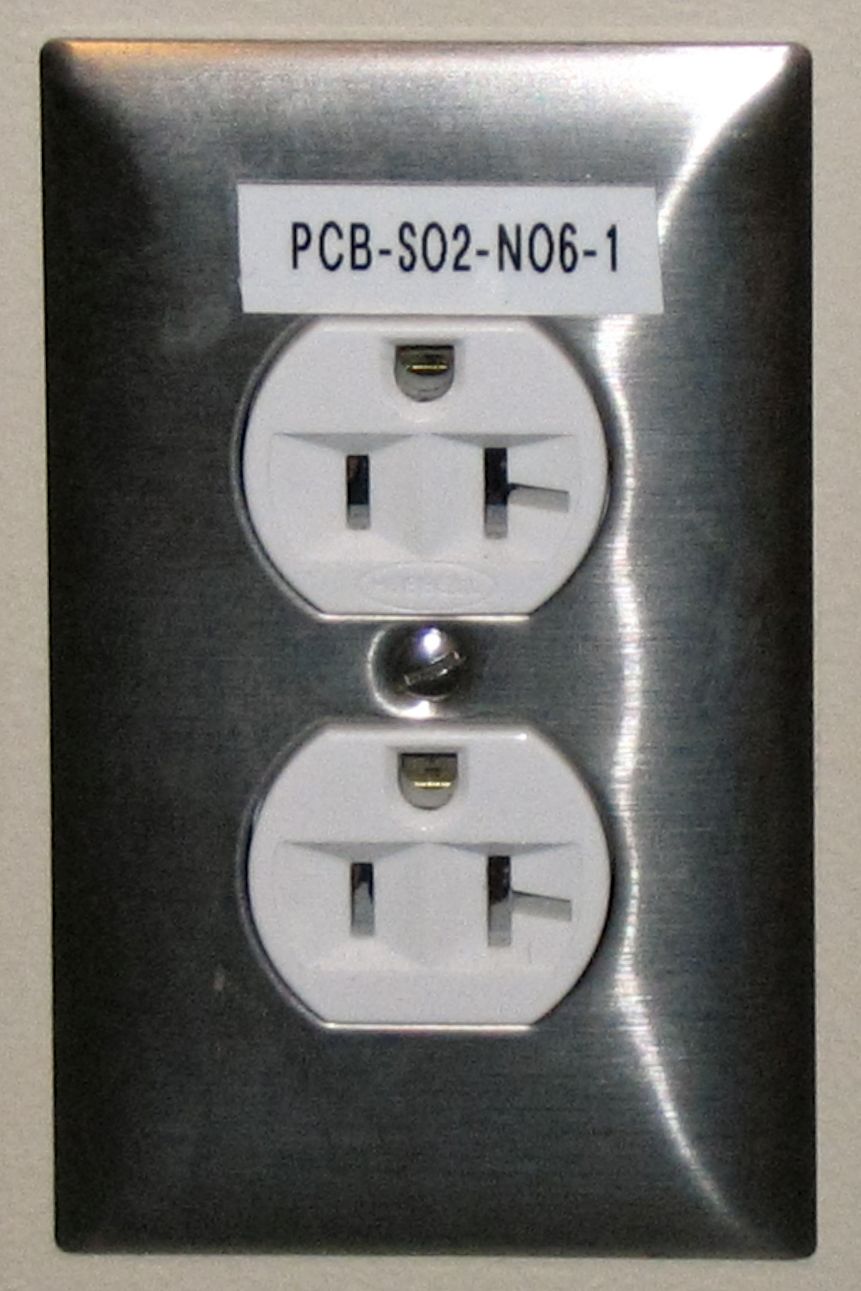
What Grounding Adds to a Circuit
The round hole on a three-prong outlet connects to the equipment grounding conductor. In modern wiring, that grounding path is bonded to the electrical system so exposed metal parts can be connected to ground without normally carrying current. Under ordinary conditions, the grounding conductor is quiet. It is not supposed to be the return path for a lamp, charger, or appliance.
Its value appears during a fault. Imagine a damaged appliance with a hot wire touching its metal case. Without a reliable grounding path, the case can sit energized, waiting for someone to touch it while also touching a grounded surface. With proper grounding, the fault current has a low-resistance route that should help protective devices respond. A breaker may trip because the fault current becomes large enough to interrupt the circuit.
Grounding is not magic, and it is not the same thing as a GFCI. A breaker protects wiring from overloads and short circuits; grounding helps faults take a path that protective devices can recognize; a GFCI watches for missing current. These protections overlap, but they do different jobs. A safe electrical system often depends on all of them working together.
How a GFCI Notices a Leak
A GFCI does not need to know exactly where leaked current is going. Instead, it compares two amounts: how much current leaves on the hot conductor and how much returns on the neutral conductor. In a healthy circuit, those amounts should nearly match. If some current is escaping through water, a tool casing, a person, or another unintended path, the returning amount becomes slightly smaller.
That difference can be tiny. OSHA describes GFCIs as fast-acting devices that can interrupt power when the outgoing and returning current differ by about 5 milliamperes, and CPSC materials describe protection at about 0.006 amperes. Those numbers are small because the goal is not to wait for a dramatic short circuit. The goal is to stop a ground fault while the current is still in the range where a quick shutoff can prevent a severe shock.
The speed is just as important. OSHA notes that a GFCI can shut off power in as little as 1/40 of a second. That is why the test and reset buttons are not decorative. The test button creates a controlled imbalance so the outlet should trip. The reset button restores power after the device has tripped, assuming the problem has been corrected and the device is working.

Why Water Makes GFCIs So Useful
GFCIs are common in bathrooms, kitchens, garages, basements, laundry areas, outdoor outlets, and other places where electricity and damp conditions can meet. Water is not always a perfect conductor by itself, but ordinary water often contains dissolved minerals, dirt, soap, or other substances that make it easier for current to travel. Wet skin also has lower resistance than dry skin, which can make a shock more dangerous.
That is why a hair dryer near a sink, a power tool outdoors, or a damaged extension cord on damp ground deserves more caution than the same device in a dry, controlled place. The electrical device may not look different, but the surrounding paths have changed. A GFCI adds protection by watching for current that leaves the intended loop.
The Consumer Product Safety Commission also points out that portable GFCI devices can be used where installed GFCI protection is not practical. That matters for outdoor tools, temporary work areas, and older locations where the wiring may not have modern protection. Still, a portable device is not a license to use damaged cords, overloaded outlets, or electrical equipment in unsafe conditions.
What GFCIs Do Not Protect Against
A GFCI is excellent at detecting ground faults, but it is not a shield against every electrical hazard. OSHA specifically notes that a GFCI does not protect someone who contacts two current-carrying conductors at the same time, such as hot and neutral, because the current leaving and returning may still look balanced to the device. It also does not protect against contact with overhead power lines or every possible wiring mistake.
GFCIs also do not prove that an outlet is grounded. CPSC materials explain that a GFCI can sometimes be installed on an older two-slot receptacle, but such outlets need proper labeling when there is no equipment ground. That distinction can confuse people because a three-slot opening and a GFCI faceplate can look reassuring. The real question is how the circuit is wired and whether the protective devices are installed correctly.
This is one reason electrical repairs are not a good place for guesswork. Replacing a cover plate is different from diagnosing a circuit. If a GFCI will not reset, trips repeatedly, is warm, smells burnt, has visible damage, or protects an outlet near water that behaves strangely, the safest next step is professional help. The device may be doing its job by refusing to ignore a fault.
The Safety Idea Behind the Buttons
The test button on a GFCI is a small built-in lesson in circuit protection. Pressing it creates a difference between outgoing and returning current. If the device is healthy, it trips and cuts power to the outlet. Pressing reset should restore power after the test. CPSC guidance recommends regular testing, including after installation and after power disturbances, because protective devices can fail like any other equipment.
That simple routine teaches the larger point: electrical safety is built around noticing when reality no longer matches the expected circuit. The normal path sends current out and brings it back. The grounding path waits for faults. The breaker protects wiring from too much current. The GFCI asks whether some current has escaped into a dangerous route.
A good safety device works quietly most of the time, which can make it easy to forget. But the quiet is the point. Grounding and GFCI protection turn hidden physics into practical protection, especially in the places where water, tools, metal surfaces, and people are close together. They do not remove the need for caution, but they give a circuit a better chance to fail safely instead of failing through someone’s body.