
 Akshay Dinesh
Most people meet the Supreme Court through appeals. A case begins somewhere else, moves through lower courts, and reaches the justices only after years of argument, rulings, and written records. Original jurisdiction is different. It describes the rare situations in which a case can begin at the Supreme Court itself, without first being decided by another state or federal court.
That idea can sound technical, but it answers a surprisingly practical civics question: why would the nation’s highest court ever act like a starting line instead of a finish line? The answer comes from Article III of the Constitution, the structure of federalism, and the need for a neutral forum when certain disputes are too sensitive or too unusual for an ordinary path through the courts.
What Original Jurisdiction Means
Jurisdiction is a court’s legal power to hear a case. Original jurisdiction means a court has power to hear a case at the beginning, before any other court has issued a judgment. Appellate jurisdiction means a court reviews what happened below, usually looking for legal error rather than starting the whole dispute from scratch.
For the Supreme Court, appellate jurisdiction is the normal route. Thousands of parties ask the Court to review lower-court decisions each year, and the justices choose only a small share for full argument. Original jurisdiction sits in a much smaller corner of the Court’s work. These cases do not arrive as appeals from a trial court or a federal court of appeals. They are filed at the Supreme Court in the first instance.
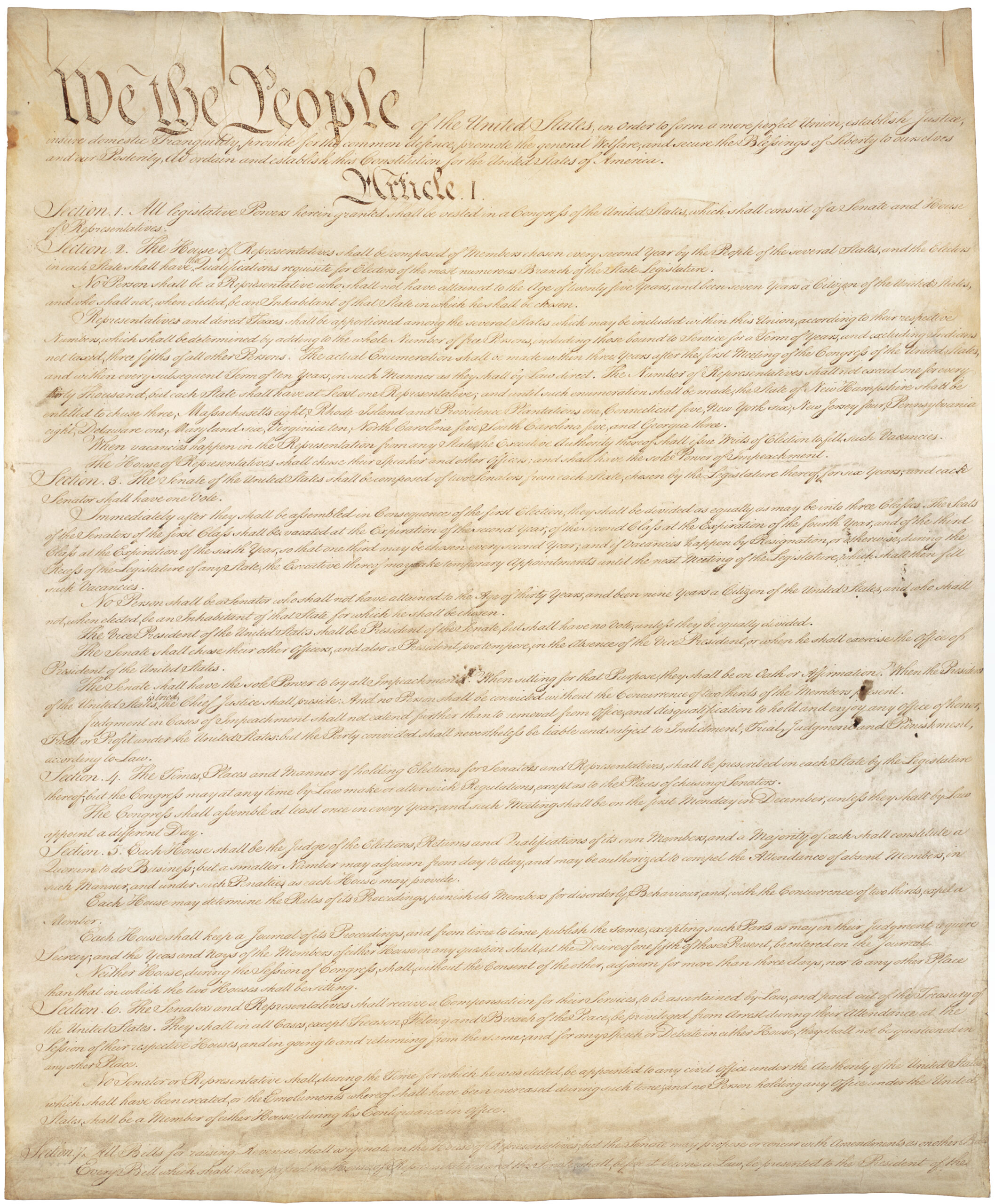
Article III, Section 2 gives the Supreme Court original jurisdiction in cases affecting ambassadors, other public ministers and consuls, and cases in which a state is a party. Congress has also addressed the subject in federal law, especially 28 U.S.C. § 1251, which makes the Court’s jurisdiction exclusive for controversies between two or more states. That exclusivity matters because no lower federal court can replace the Supreme Court for that particular category.
Why Some Cases Start at the Supreme Court
The clearest reason is neutrality. If one state sues another, putting the dispute in the courts of either state could seem unfair, even if the judges acted carefully. A boundary fight, a water-rights conflict, or a dispute over duties between states may call for a national forum that does not belong to either side. Original jurisdiction gives those cases a place to begin.
State-versus-state disputes are not just ordinary private lawsuits with government names attached. They can affect borders, rivers, taxes, environmental responsibilities, or the way one state’s choices spill into another state’s interests. The Constitution treats states as important political communities, so conflicts between them can carry a public weight that differs from a case between two individuals or companies.
Original jurisdiction also reflects a design choice from the founding period. The Constitution created one Supreme Court and allowed Congress to establish lower federal courts. By giving the Supreme Court original jurisdiction over a narrow set of cases, the Constitution made sure that certain disputes had a constitutionally identified home even before the rest of the federal court system developed into its modern form.
The category involving ambassadors and consuls comes from a similar concern for national responsibility. Disputes affecting foreign representatives can touch diplomacy, national reputation, and the relationship between the United States and other governments. Those cases are uncommon, but the constitutional language shows that the framers saw them as important enough to name directly.
How Original Cases Are Different From Appeals
Appeals usually come with a record. A trial court has gathered evidence, heard witnesses, ruled on motions, and produced findings or judgments. Appellate judges then review legal questions using that existing material. The Supreme Court is built mainly for that kind of work: reading briefs, hearing focused legal arguments, and deciding questions that matter beyond one dispute.
An original case can require something more like trial-court labor. Facts may need to be found. Evidence may need to be organized. Experts may disagree over maps, measurements, water flows, pollution sources, or economic effects. The Supreme Court does not have juries, local courthouse routines, or a trial bench designed for everyday evidence-gathering.
To handle that problem, the Court often appoints a special master in original cases. A special master is typically an experienced lawyer or judge assigned to manage evidence, hold proceedings, review technical material, and recommend findings. The justices still control the case, but the special master helps build a record that the Court can use.
That process shows why original jurisdiction is powerful but awkward. The Supreme Court can hear these cases first, yet its normal strengths are not the same as a trial court’s strengths. Original jurisdiction asks the Court to do something constitutionally important while also managing practical limits.
Why the Court Uses Original Jurisdiction Sparingly
The Constitution says the Supreme Court has original jurisdiction in the listed categories, but modern practice has not treated every possible original case the same way. The Court has often said that original jurisdiction should be used carefully and only in appropriate cases. The Library of Congress’s Constitution Annotated notes that the Court has described the power as limited and has emphasized practical necessity when deciding whether to hear some original matters.
One reason is workload. The Supreme Court is not only a court for disputes between states. It also decides major constitutional, statutory, and federal questions from across the country. If too many fact-heavy disputes began there, the Court’s appellate role could suffer. That concern has shaped the modern habit of allowing some disputes to proceed elsewhere when another suitable forum exists.
Another reason is institutional fit. A complex pollution case, for example, may require technical evidence, local conditions, expert testimony, and detailed factual findings. In a 1972 decision, Illinois v. City of Milwaukee, the Court explained that some original cases are better handled first in lower courts when those courts can provide a fuller factual process. The question is not only whether the Supreme Court has power. It is also whether starting there is the most workable way to resolve the dispute.
There is debate about how far that discretion should go. In Alabama v. California, decided in 2025, the Court denied several states permission to file an original complaint, and Justice Clarence Thomas, joined by Justice Samuel Alito, dissented. The dissent argued that the Court’s practice of turning away some state-versus-state cases is difficult to square with the constitutional and statutory language. That disagreement is a useful reminder: original jurisdiction is not just a vocabulary term. It is an active question about the Court’s duty, capacity, and role in the federal system.
Examples That Make the Idea Easier to See
Water disputes are one of the most common ways students encounter original jurisdiction. Rivers and groundwater do not stop neatly at state borders. If one state says another is taking too much water from an interstate river, the dispute may affect farms, cities, ecosystems, and long-term planning. The Supreme Court has heard several such cases because no single state should control a conflict that crosses state lines.
Boundary disputes give another clear example. If two states disagree about where a border lies, the answer can affect taxes, land records, public services, voting districts, and law enforcement. A state court in one of the disputed states would not look like a neutral starting place. Original jurisdiction gives the disagreement a national forum with final authority.
Not every case with a state in the caption belongs in this narrow category, though. A state can appear in many lawsuits that follow ordinary paths through lower courts. The key questions are who the parties are, what kind of dispute is being brought, whether federal law makes the Supreme Court’s jurisdiction exclusive, and whether another court can provide a proper forum.
Why Original Jurisdiction Still Matters
Original jurisdiction matters because it reveals the Supreme Court’s unusual position in American government. The Court is not simply another step in a ladder of appeals. In a few carefully defined situations, it is the first court, the neutral referee, and the final authority all at once.
It also shows how federalism shapes the court system. States are not just local administrative units. They are governments with their own powers, borders, laws, and interests. When those interests collide in ways that no state can fairly judge for itself, original jurisdiction helps preserve a legal path for resolving the conflict without turning it into a purely political fight.
The concept also helps explain why constitutional text and court practice do not always feel simple. Article III names categories of original jurisdiction, Congress has filled in details by statute, and the Supreme Court has developed practical rules for deciding how and when to exercise that power. Understanding all three pieces makes the system less mysterious.
Original jurisdiction is rare, but rarity is part of its importance. Most cases should begin in trial courts, build records, and move upward only when legal review is needed. A small number of disputes begin at the top because the parties, the stakes, or the constitutional structure make that unusual route necessary. When that happens, the Supreme Court is not reviewing the end of a case. It is deciding where the case can begin.




Add comment