
 Akshay Dinesh
A musty room can seem as if it changed overnight, but indoor mold usually follows a slower chain of events. Tiny spores are already present in indoor and outdoor air. They become a problem when they land on a surface that stays damp long enough for growth to begin. A bathroom corner, basement wall, window frame, air-conditioning vent, or forgotten cardboard box can all become part of the same story: moisture gives a living organism the chance to settle in.
That is why humidity matters so much. A home does not need a dramatic flood to develop mold. Warm air, poor ventilation, small leaks, condensation, damp crawl spaces, wet towels, and summer humidity can keep materials moist even when nothing looks soaked. The U.S. Environmental Protection Agency gives a simple prevention target: keep indoor relative humidity below 60 percent, and ideally between 30 and 50 percent. That range is not a magic shield, but it explains the main idea clearly. Mold control starts with moisture control.
Mold Is a Fungus Waiting for the Right Surface
Molds are fungi, a group of organisms that break down organic material in nature. Outdoors, they help decompose leaves, wood, and other plant matter. Indoors, the same ability becomes a problem when mold grows on paper-faced drywall, wood, ceiling tile, insulation, fabric, dust, or stored belongings. The surface does not have to be visibly dirty. Even a thin layer of dust can provide enough organic material for mold to use once moisture is present.
Mold spreads by releasing microscopic spores. These spores are light enough to travel through air, settle on surfaces, and move between indoor and outdoor spaces. The Centers for Disease Control and Prevention notes that mold is always present somewhere in the environment, which is why trying to make a building completely spore-free is unrealistic. The practical goal is different: keep spores from finding conditions where they can grow into colonies.
Moisture is the condition people can most often control. If a surface dries quickly, spores may remain inactive or die back before growth becomes established. If a surface stays damp, the spores can germinate, sending out threadlike structures that spread through or across the material. By the time dark spots, fuzzy patches, or a musty smell appear, mold has usually had time to grow beyond the earliest stage.
Why Relative Humidity Changes the Risk
Humidity is a measure of water vapor in the air, but the number that matters indoors is usually relative humidity. Relative humidity compares how much moisture the air contains with how much it could hold at that temperature. Warm air can hold more water vapor than cold air, which is why a summer room can feel heavy and damp even when no water is dripping anywhere.
High relative humidity raises mold risk because building materials can absorb moisture from the air. Paper, wood, fabric, and dust do not need a puddle to become damp. When indoor air stays humid day after day, those materials can hold enough moisture for mold to start using them as a growth surface. This is especially common in closets, basements, bathrooms, laundry rooms, and poorly ventilated corners where air movement is weak.
The EPA’s below-60-percent guidance is useful because it gives people a number they can measure with an inexpensive hygrometer. A single high reading after a shower or storm does not automatically mean mold will grow. The larger concern is repeated or persistent humidity. If a basement stays near or above 60 percent for long stretches, or if a bathroom never dries fully between uses, mold has more time to take hold.

Condensation Turns Humid Air Into Wet Materials
Humidity becomes easier to see when it turns into condensation. Condensation happens when warm, moist air touches a cooler surface and water vapor changes into liquid droplets. A cold glass on a summer day shows the same process that can happen on windows, pipes, ductwork, basement walls, and poorly insulated corners. The droplets are not coming through the material; they are forming from water already in the air.
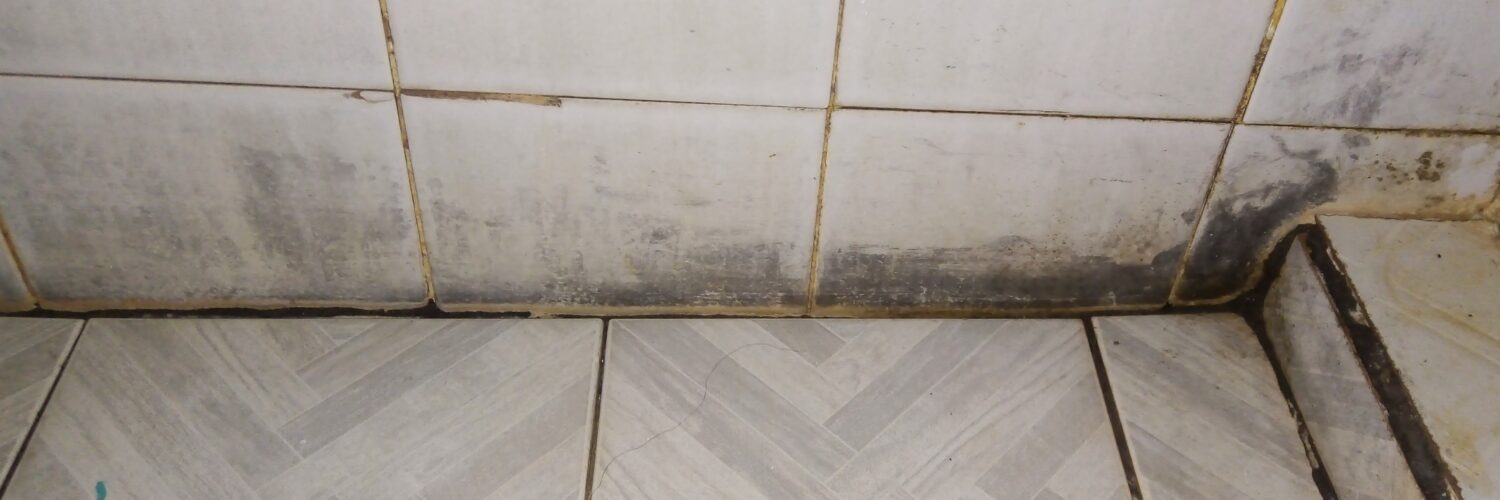
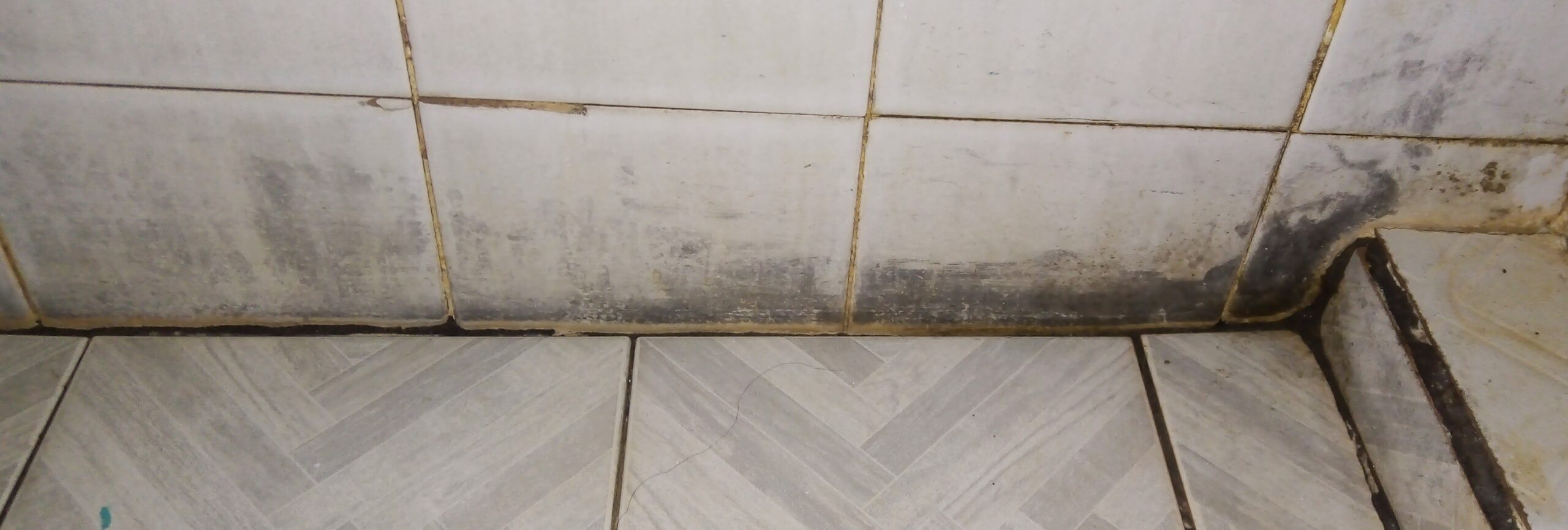
This is why mold often appears around window frames, behind furniture pushed against exterior walls, near air-conditioning ducts, or in bathrooms where steam meets tile and grout. Those surfaces can remain cooler than the surrounding air. If they collect moisture repeatedly and do not dry well, they become more hospitable to mold. The visible growth may look like the main issue, but the real problem is the moisture pattern that keeps returning.
Condensation also explains why simply wiping away mold spots does not solve the cause. Cleaning removes visible growth from a surface, but if humid air continues to condense in the same place, the conditions remain favorable. A better fix looks for the source of moisture and the reason the surface stays cool or poorly ventilated. That might mean running an exhaust fan longer, improving air circulation, insulating a cold pipe, using a dehumidifier, repairing a leak, or moving storage away from a damp wall.
Small Moisture Sources Can Add Up
Some indoor moisture problems are obvious: a roof leak, burst pipe, flood, or overflowing appliance. Others are ordinary parts of daily life. Showers, cooking, drying clothes indoors, houseplants, unvented gas appliances, damp basements, and wet shoes can all add water vapor to indoor air. In a well-ventilated space, that moisture may leave quickly. In a tight or poorly ventilated building, it can linger.
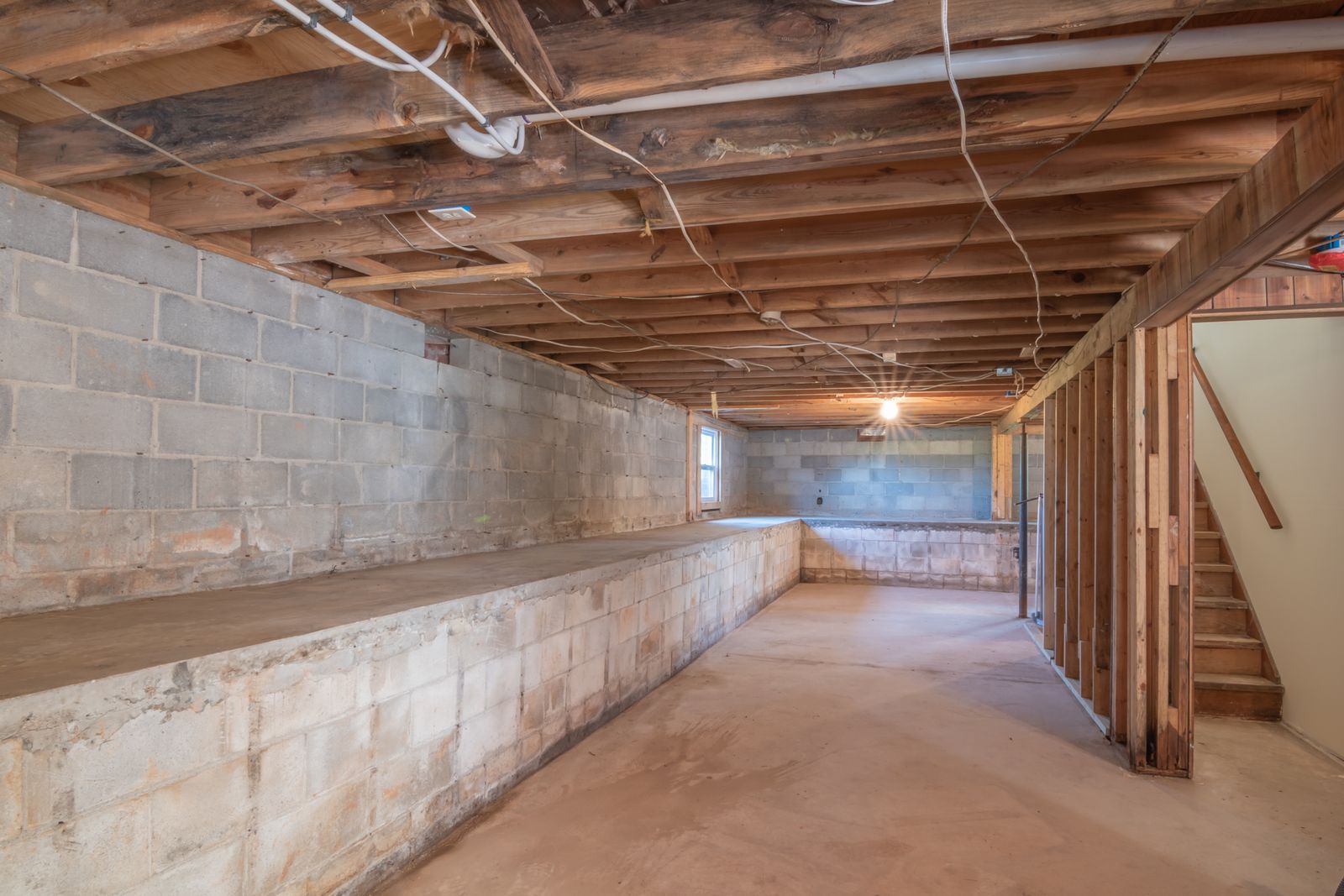
Basements and crawl spaces deserve special attention because they often sit next to cool soil and concrete. Concrete can feel dry while still allowing moisture movement, and below-grade rooms may have less sunlight and airflow than the rest of the house. Stored cardboard, fabric, books, and wood can absorb moisture from the air. Once those materials are packed against a wall or left on a floor, they may stay damp longer than people realize.
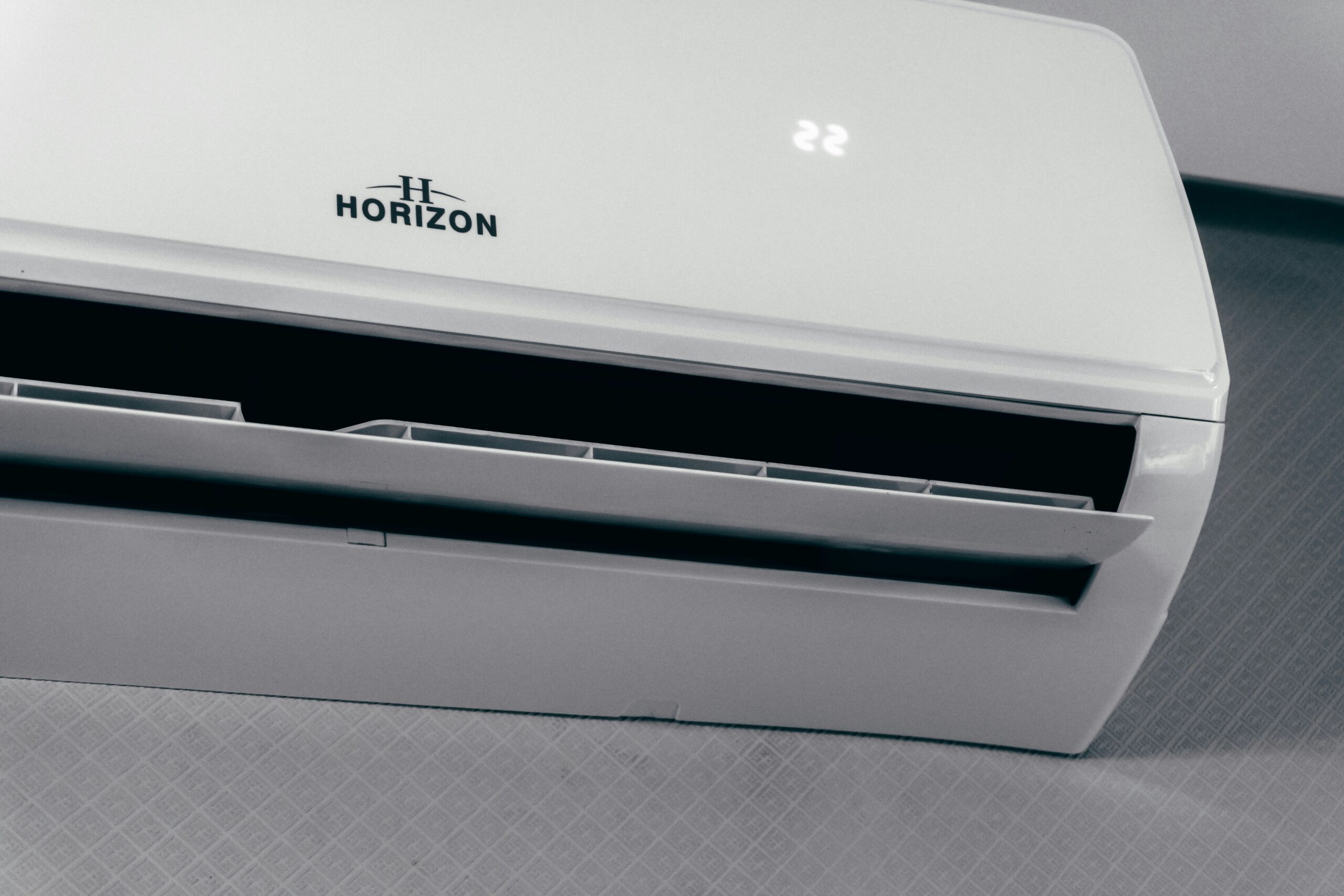
Air conditioning can help reduce humidity because cooling coils remove some water vapor from air as condensate. Still, an air conditioner is not automatically enough. If the system is oversized, runs in short bursts, drains poorly, or leaves some rooms with little airflow, humidity can remain high. Portable or whole-house dehumidifiers are often used in damp basements because their main job is moisture removal rather than temperature control.
Prevention Starts With Drying the Pattern, Not Hiding the Spot
Good mold prevention is less about fear and more about paying attention to patterns. A musty smell after rain, condensation on windows every morning, damp boxes in a basement, peeling paint near a bathroom ceiling, or recurring spots behind furniture are clues. They point to moisture that is returning faster than the space can dry.
The most useful first step is measurement. A hygrometer can show whether a room regularly stays above the recommended range. If it does, ventilation and dehumidification become more than comfort choices; they are part of controlling the environment that mold needs. Exhaust fans should move moist bathroom and kitchen air outdoors, not into an attic or wall cavity. Dehumidifiers need regular emptying or drainage, clean filters, and enough capacity for the space. Leaks need repair, not just surface cleaning.
When mold is already present, the CDC and EPA both emphasize that the moisture problem must be fixed as part of cleanup. Small, limited areas on hard surfaces are often handled differently from large areas, contaminated porous materials, or mold after flooding. People with asthma, allergies, weakened immune systems, or other health concerns may need to be more cautious around mold cleanup. The educational point is simple: visible mold is not just a stain. It is evidence that air, water, temperature, and materials have been working together in the wrong way.
A dry building is not perfectly sterile, and it does not need to be. Spores will still move through air. Dust will still settle. Warm days will still bring humidity. What changes the outcome is whether surfaces stay damp long enough for mold to grow. Keeping indoor humidity in a reasonable range, drying wet materials quickly, improving ventilation, and fixing leaks early can turn mold prevention from a mystery into a manageable science of moisture, air, and time.






Add comment