

 Akshay Dinesh
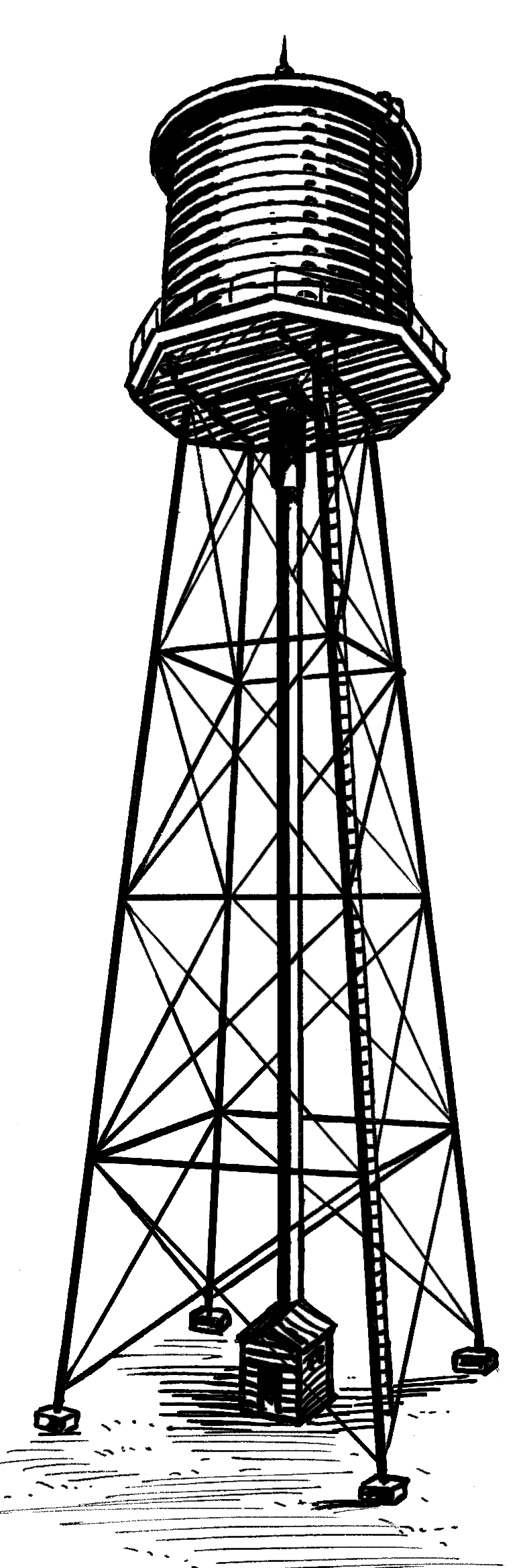
A water tower looks simple from the road: a large tank lifted high above houses, schools, stores, and fire hydrants. Its job, though, is quietly impressive. A tower helps a water system store treated water where it can do useful work, then lets gravity push that water through pipes when people open faucets, run dishwashers, fill bathtubs, or when firefighters need a sudden high flow.
The key idea is pressure. Water at a higher elevation has stored gravitational energy. When that water is connected to lower pipes, it presses downward and outward through the system. Pumps still matter, treatment plants still matter, and pipes still matter, but the tower gives the system a steady reserve that does not have to be powered every second a faucet is open.
Why height creates pressure
Water pressure increases when there is more water above a point pushing down on it. That is why your ears feel pressure underwater, and why the bottom of a deep pool carries more pressure than the surface. In a water tower, the tank is raised high enough that the water level sits above the homes and buildings it serves.
A useful rule of thumb is that each foot of water height creates about 0.43 pounds per square inch of pressure at the bottom of the column. If the water surface in a tower is 100 feet above a neighborhood, the pressure from elevation alone is roughly 43 psi before losses in pipes and fittings are considered. A taller tower, or a tower placed on high ground, can provide more pressure to the lower parts of the system.
This pressure is called hydrostatic pressure. It does not require a motor at the faucet. The water moves because the system has connected high stored water to lower pipes, and fluids naturally move from higher pressure toward lower pressure when a valve opens.
The tower is storage, not just decoration
A water tower is also a storage tank. During quieter parts of the day, pumps can move treated water into the tower. When demand rises, water can flow out of the tower into the distribution system. This helps the system avoid relying only on pumps that would otherwise have to match every short burst of use exactly as it happens.
Daily water use is uneven. A town may use far more water in the morning when people shower, make breakfast, and prepare for school or work. It may see another rise in the evening when laundry, cooking, lawn watering, and cleaning happen at the same time. The tower helps smooth those peaks. When demand is low, it refills. When demand is high, it helps supply the extra flow.
Public water systems also need reserves for unusual moments. A large fire can require far more water than ordinary household use. A pipe break, pump repair, or power interruption can also change the normal balance. Elevated storage gives operators time and flexibility, though it is not unlimited. If pumps cannot refill the tower, the stored water will eventually drop.
How water moves through the system
Most people notice water only at the tap, but the path usually begins much earlier. Water may come from rivers, reservoirs, wells, or other approved sources. It is treated, tested, and sent into a distribution system made of mains, valves, pumps, storage tanks, and service lines. The U.S. Geological Survey describes public supply as water delivered by public and private suppliers for domestic, commercial, industrial, and public uses, which hints at how many different demands one system must serve.
The tower fits into that network like a pressure battery. Pumps add energy by lifting water into the tank. Gravity releases that energy by pushing water back into the pipes when pressure in the system drops. In many systems, the same connected network can allow water to flow into the tower during filling periods and out of it during high-demand periods.
That does not mean every customer receives exactly the same pressure. Distance, pipe diameter, elevation, valves, and flow rate all matter. Water loses some pressure as it moves through pipes, especially when demand is high and water is moving quickly. Engineers account for those losses when deciding where towers, pumps, and pressure zones should go.
Why steady pressure matters for safety
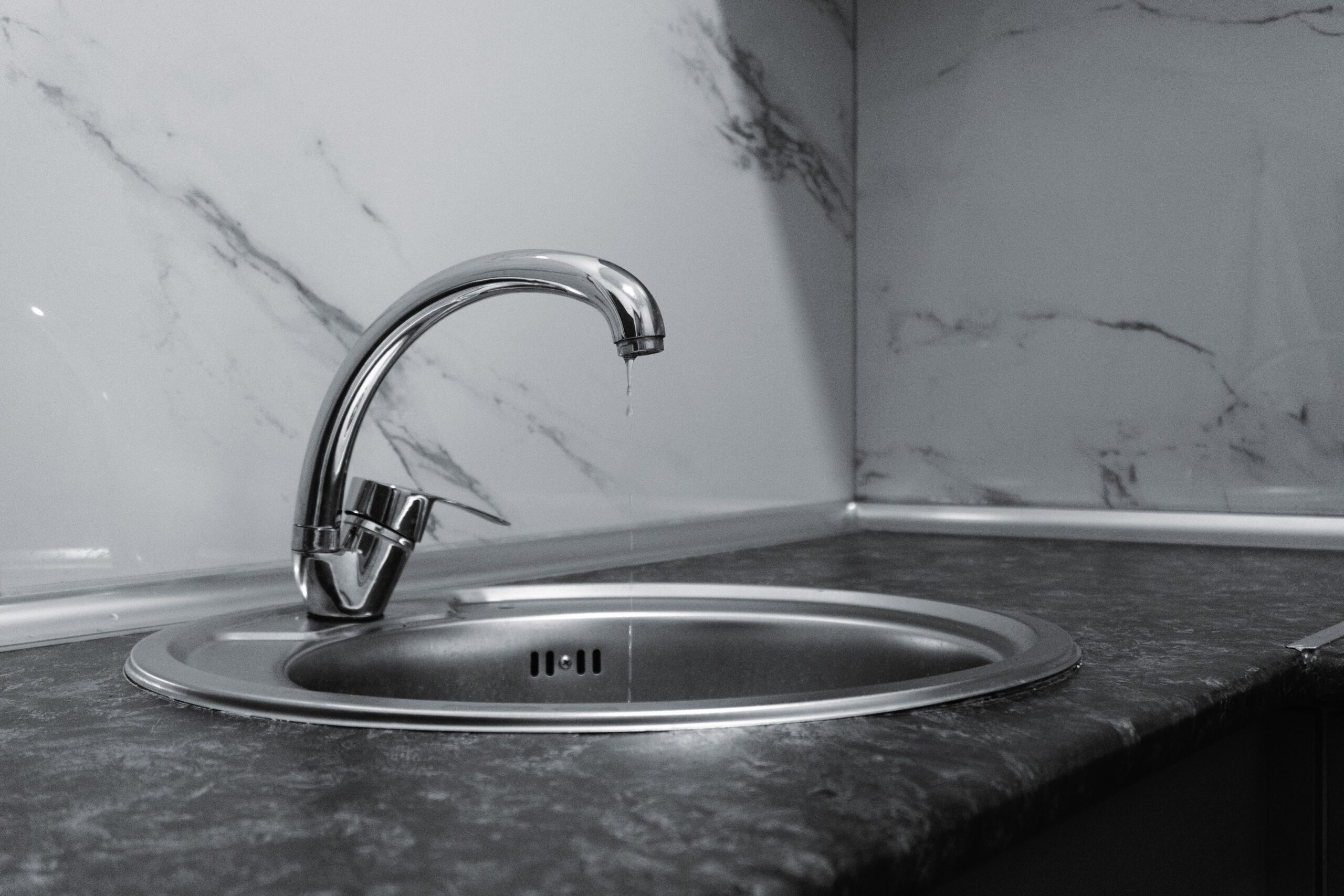
Pressure is not only about convenience. A strong shower and a fast-filling sink are nice, but adequate pressure also helps protect drinking water quality. Water systems are designed so treated water moves outward through the pipes instead of allowing outside material to be pulled inward through leaks or weak spots.
The U.S. Environmental Protection Agency describes pressure monitoring and management as an important part of drinking water distribution. Operators have to maintain adequate pressure under changing demand, not just on an average day. Too little pressure can create service problems and raise safety concerns. Too much pressure can stress pipes, increase leaks, and waste water.
That balance is one reason towers are paired with pumps, valves, sensors, and careful operating rules. The tower provides a physical source of pressure, but operators still watch water levels, flow, chlorine residual, maintenance needs, and the condition of the distribution system. A water tower is simple in principle, yet it belongs to a managed public-health system.
What happens when demand suddenly changes
Imagine a small town on a hot evening. Many people come home around the same time. Sprinklers turn on, showers run, dishes are washed, and restaurants begin their dinner rush. Without storage, pumps would have to respond immediately to that sudden increase. With a water tower, part of the demand can be met by water already sitting above the town.
As water leaves the tank, the water level drops. That lower level means the pressure available from the tower drops slightly too. If the level falls too far, operators may start pumps, adjust valves, or draw from other storage. Later, when demand eases, pumps can refill the tower more steadily.
The same idea helps during short power interruptions. If pumps lose power but the tower still contains enough water, gravity can keep water moving for a while. This is one of the reasons elevated storage has remained useful even as pumps and control systems have become more advanced. The tower gives the system a passive backup, not a permanent replacement for power.
Why water towers still matter
Some cities use tanks on hills, ground-level reservoirs with booster pumps, pressure zones, or rooftop tanks instead of the familiar round tower on legs. The basic challenge is the same: store treated water, keep enough pressure in the right places, and handle changing demand without making the system fragile.
Water towers remain common because they solve several problems at once. They store water close to where it will be used. They help stabilize pressure. They support fire protection and emergency supply. They also make a hidden utility visible, reminding people that reliable tap water depends on engineering that usually works in the background.
The next time a tower rises above a highway or a neighborhood, it is worth seeing it less as a landmark and more as a raised reservoir of energy. Its height is doing physics. Its tank is doing planning. Together, they help turn treated water into something that arrives with a twist of the tap.




Add comment