
 Akshay Dinesh
Dengue can feel like a distant tropical disease until the pieces that help it spread appear close to home: the right mosquito, a person carrying the virus, warm weather, standing water, and enough human movement to connect one place to another. That is why dengue is not only a medical topic. It is also a biology story about vectors, habitats, cities, travel, and timing.
The Centers for Disease Control and Prevention reported in May 2026 that U.S. states and the District of Columbia recorded 3,798 dengue cases for 2024, a 359 percent increase above the average annual count from 2010 through 2023. Most were linked to travel, but a smaller number were acquired locally in places where capable mosquitoes were already present. That pattern is worth understanding because dengue does not spread like a cold from one person coughing near another. It needs a mosquito in the middle.
The Mosquito Is Not Just a Bystander
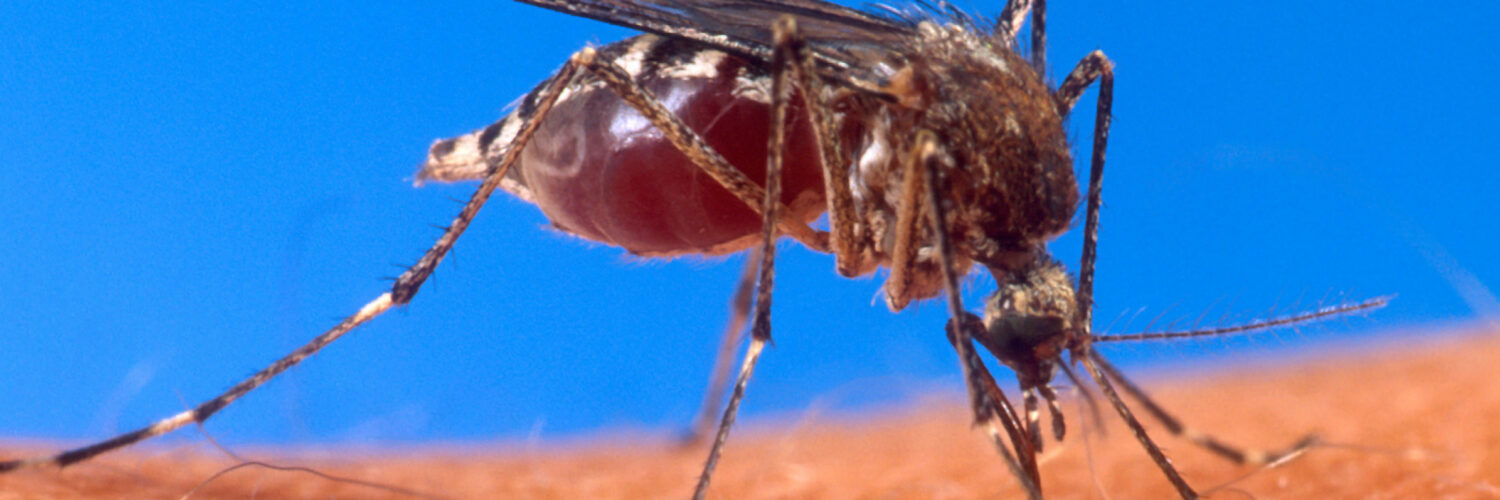
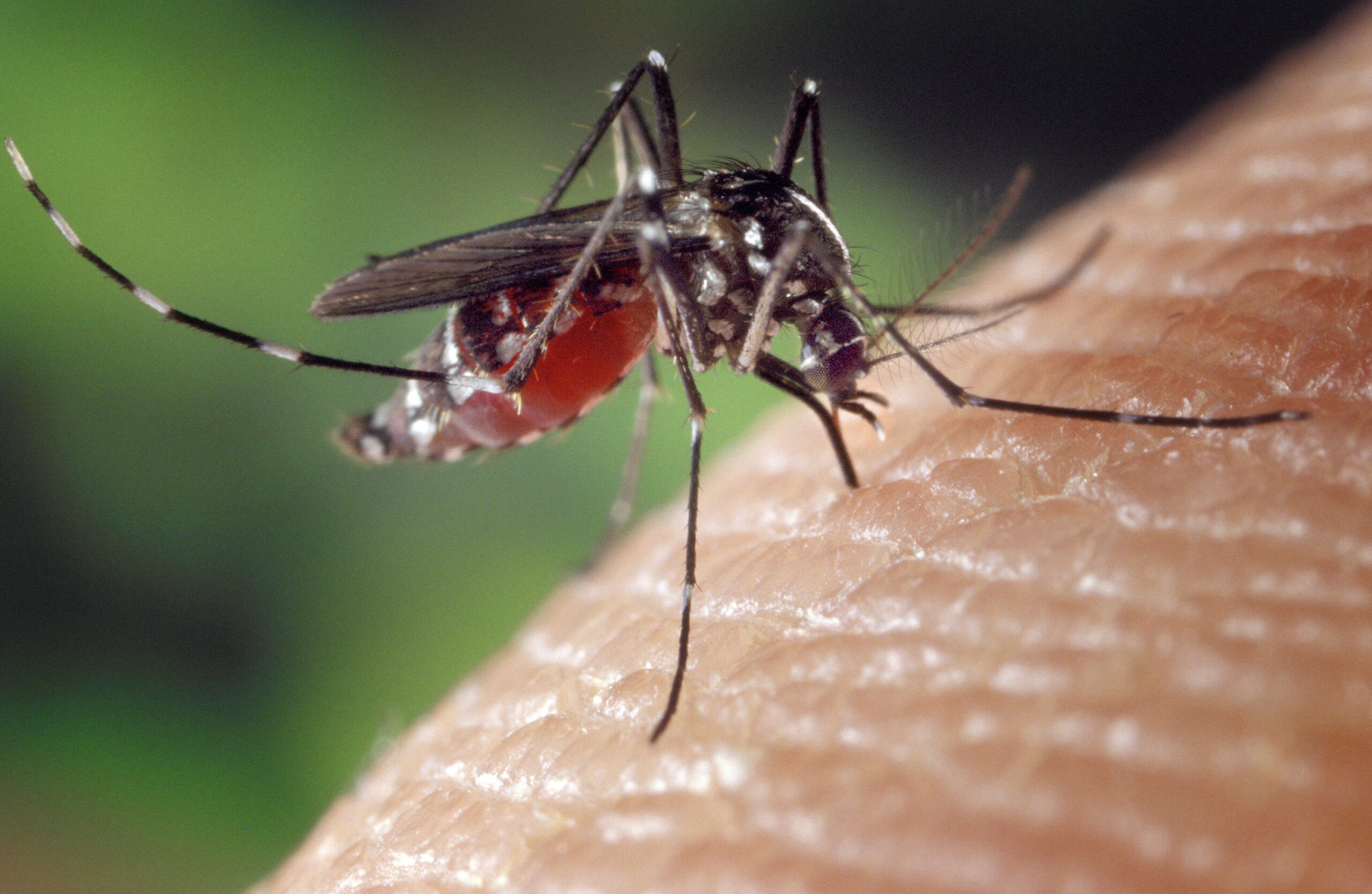
Dengue is caused by dengue viruses, often shortened to DENV. There are four main types, and infection with one type does not simply erase the risk from the others. The virus usually reaches people through the bite of infected Aedes mosquitoes, especially Aedes aegypti and Aedes albopictus. These mosquitoes are well adapted to human neighborhoods because they often rest near homes and can breed in small containers of water.
That last detail matters more than many people realize. A marsh or lake can support mosquitoes, but Aedes mosquitoes do not need a dramatic wetland to become a problem. Water in buckets, plant saucers, discarded cups, clogged gutters, toys, tires, or other small containers can be enough. In a crowded neighborhood, tiny breeding sites can sit close to many possible blood meals.
The mosquito also needs time. After biting a person who has dengue virus in the blood, the mosquito does not instantly become able to infect someone else. The virus must multiply inside the mosquito and reach its salivary glands. Once that happens, a later bite can pass the virus to another person. Dengue transmission is therefore a chain of biological timing: human infection, mosquito feeding, viral development inside the insect, and another bite.
Why Travel Can Start a Local Chain
In the continental United States, dengue is not established in the same continuous way it is in many tropical and subtropical places. Most U.S. cases are still connected to travel. CDC’s 2026 analysis found that 97.2 percent of reported U.S. cases in 2024 were travel associated, while 2.8 percent were locally acquired. That difference helps explain both the main risk and the reason public-health officials pay close attention to returning travelers.
A traveler may be infected in a place where dengue is circulating, return home, and develop symptoms after arriving. If local Aedes mosquitoes bite that person during the period when virus is present in the blood, those mosquitoes may become part of a local transmission chain. The person did not bring home mosquitoes; the person brought home the virus. The neighborhood mosquitoes, if conditions are right, can do the rest.
This is why public-health reports often separate travel-associated and locally acquired cases. A travel-associated case points back to exposure somewhere else. A locally acquired case means local mosquito transmission likely happened. The distinction helps health departments decide where to look, where to trap mosquitoes, where to test, and where to share targeted prevention information.
Weather and Cities Can Change the Odds
Dengue thrives where mosquito biology, human settlement, and climate line up. The World Health Organization describes dengue as common in tropical and subtropical climates, especially in urban and semi-urban areas. Cities can give the virus many advantages: dense populations, shaded resting places, water storage, uneven drainage, and many small containers that hold rainwater after storms.
Temperature shapes the chain too. Within a mosquito’s tolerable range, warmer conditions can affect mosquito development, biting activity, survival, and the speed at which a virus develops inside the insect. Heat alone does not create dengue, and it does not mean every warm place will have an outbreak. The virus, the mosquito species, human immunity, travel patterns, housing, screens, water management, and local mosquito control all matter. But weather can tilt the odds.
Rainfall can help or hurt depending on timing and place. Heavy rain may flush some breeding sites, but it can also leave behind containers filled with water. Dry periods can create a different risk when people store water around homes. The important point is not that one type of weather automatically causes dengue. It is that mosquito habitats often respond quickly to everyday changes in water and temperature.

What Dengue Illness Can Look Like
Many dengue infections cause no symptoms, which makes the disease harder to track. When people do get sick, fever is common, often with headache, pain behind the eyes, muscle or joint pain, nausea, vomiting, rash, or general aches. Those symptoms overlap with many other infections, so dengue can be missed, especially in places where doctors do not expect it and patients do not mention recent travel.
The dangerous part is that a small share of sick people develop severe dengue. CDC notes that about 1 in 20 people who get sick with dengue develop severe disease, which can involve shock, internal bleeding, and other life-threatening complications. Warning signs such as severe belly pain, repeated vomiting, bleeding from the nose or gums, vomiting blood, blood in stool, extreme tiredness, or restlessness require urgent medical attention.
That does not mean every mosquito bite should cause panic. It means dengue is a good example of why public health depends on patterns, not just individual moments. A single bite is hard to interpret. A cluster of fever cases after travel, mosquitoes found near homes, and a neighborhood with standing water tells a much clearer story.
How Prevention Targets the Whole Chain
Dengue prevention works best when it interrupts several links at once. Travelers can reduce bite exposure before, during, and after trips to areas where dengue is circulating. Communities can remove standing water, improve screens, support mosquito surveillance, and respond quickly when cases appear. Health departments can investigate cases, test when dengue fits the symptoms and exposure history, and focus mosquito control near likely transmission sites.
The Los Angeles County dengue response described by CDC’s Emerging Infectious Diseases journal shows how detailed that work can become. In 2024, investigators identified 14 locally acquired cases across several neighborhoods. Response teams surveyed households, tested possible cases, trapped mosquitoes, inspected properties, and targeted mosquito control around patient residences. The goal was not only to treat known cases, but to break possible chains before they grew.
That kind of response also shows why local dengue risk is not just about whether a person traveled. In a place with established Aedes mosquitoes, a travel-associated infection can become a local problem if it is not recognized. In a place without capable mosquitoes, the same travel-associated case is much less likely to spark local spread. Biology sets the boundaries, and public-health action works inside them.
Why Dengue Is a Lesson in Connections
Dengue teaches a larger lesson about infectious disease: risk is rarely caused by one factor alone. A virus needs a pathway. A mosquito needs habitat. A neighborhood needs conditions that allow bites to keep happening. Travel can move the virus across borders faster than mosquito populations move on their own. Weather can make some weeks more favorable than others. Public-health systems can shorten or break the chain.
That is why dengue deserves attention even in places where it is still uncommon. The point is not to treat every warm city as if an outbreak is inevitable. The point is to understand how quickly small biological and social details can combine. A few containers of water, a capable mosquito population, delayed recognition of symptoms, and steady travel to outbreak areas can turn a distant disease into a local investigation.
Learning the chain makes the disease less mysterious. Dengue spreads when mosquitoes, people, weather, and place line up in the right order. Break enough of those links, and the virus has a much harder time finding its next host.






Add comment