
 Akshay Dinesh
The small pop in your ears during a flight is easy to dismiss until it refuses to happen. One moment the cabin feels normal; the next, sound turns muffled, pressure builds behind the eardrum, and swallowing suddenly seems important. The cause is not the engine noise, the speed of the airplane, or anything unusual about flying itself. It is air pressure changing around your body while a tiny passage inside the head tries to keep up.
Airplanes make this pressure change gentler than it would be outside at cruising altitude, but they cannot remove it completely. A passenger cabin is pressurized, not held at exact sea-level pressure. As the aircraft climbs, cruises, and descends, the pressure inside the cabin changes in a controlled way. Your ears notice because the middle ear is an air-filled space, and air-filled spaces respond strongly when outside pressure rises or falls.
The Middle Ear Needs Balanced Pressure
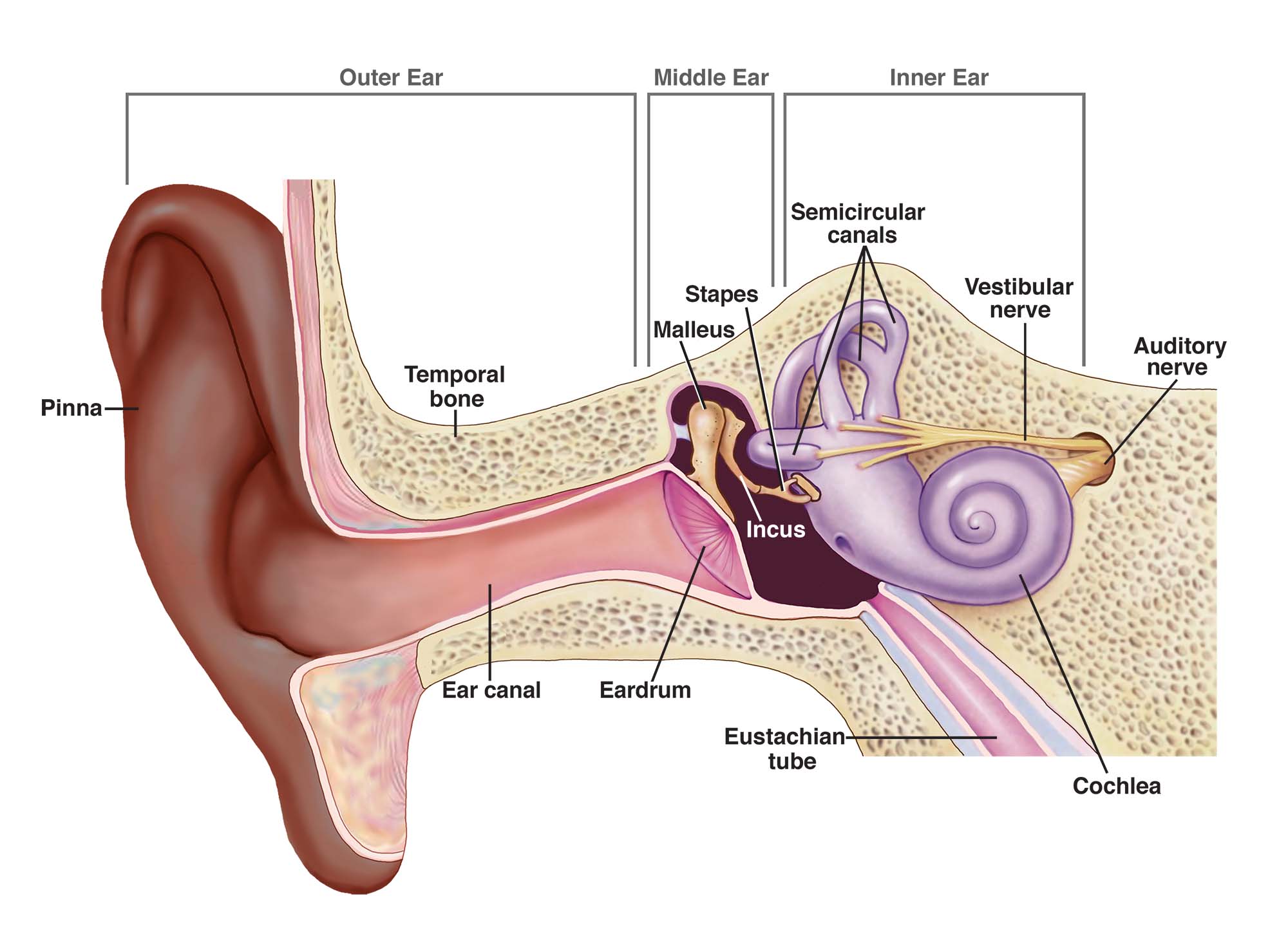
The eardrum is a thin membrane stretched between the outer ear canal and the middle ear. For it to vibrate comfortably and transmit sound well, pressure on both sides should be roughly balanced. When the pressure outside the eardrum changes faster than the pressure inside the middle ear, the eardrum can be pushed inward or outward. That stretching is what creates the familiar fullness, muffled hearing, or ache.
The body has a pressure-equalizing passage for this problem: the Eustachian tube. It connects the middle ear to the upper throat area behind the nose. Most of the time, the tube is closed. It opens briefly when you swallow, yawn, chew, or move the muscles around the throat. When it opens, a little air can move in or out of the middle ear, helping the pressure on both sides of the eardrum match again.
MedlinePlus explains the basic high-altitude effect plainly: as altitude changes, outside air pressure changes, creating a pressure difference across the eardrum. In flight, that difference can appear during both climb and descent. The pop is the sound and sensation of equalization finally happening. It can feel sudden because pressure may build gradually, then release all at once when the Eustachian tube opens.
What Cabin Pressure Is Doing During a Flight
A commercial jet may cruise around 30,000 to 40,000 feet, where outside air pressure is far too low for passengers to sit comfortably without help. The aircraft cabin is sealed and pressurized so the air inside feels more like the air at a much lower altitude. Federal aviation rules for many transport-category aircraft require pressurized occupied compartments to keep cabin pressure altitude at no more than 8,000 feet under normal operating conditions.
That phrase, cabin pressure altitude, is worth unpacking. It does not mean the airplane is actually flying at 8,000 feet. It means the pressure inside the cabin may feel like the air pressure at a lower mountain elevation rather than at the aircraft’s true cruising altitude. This reduces the strain on passengers while also avoiding the much greater engineering stress that would come from holding the cabin at sea-level pressure during high-altitude cruise.
Because the cabin is managed gradually, most pressure changes are mild. During climb, cabin pressure usually decreases. The air already in the middle ear is then at a slightly higher pressure than the cabin air, so it tends to move outward through the Eustachian tube when the tube opens. During descent, cabin pressure increases. Now the middle ear may need to let air in from the throat side, and that can be harder for many people.
This is why ear popping is often most noticeable as the plane comes down. The outside pressure is rising, the eardrum may be pressed inward, and the Eustachian tube has to open at the right moment to let air into the middle ear. If the tube opens easily, the pressure clears with a pop. If it stays closed, the pressure can linger until swallowing, yawning, chewing, or time helps it equalize.
Why Descent Can Feel Worse Than Takeoff
During takeoff and climb, air trapped in the middle ear can usually escape through the Eustachian tube more easily. The pressure inside the middle ear is pushing outward, and a brief opening gives that air a path to leave. Descent is different. As cabin pressure increases, the middle ear needs air to move inward through a narrow passage that may not open smoothly.
Congestion makes the problem more obvious. A cold, sinus infection, allergies, or swollen nasal passages can narrow the Eustachian tube or make it harder to open. The tube does not have to be completely blocked to cause trouble. Even partial swelling can slow equalization enough for pressure to build behind the eardrum. That is why two passengers on the same flight can have very different experiences.
The physics is simple, but the feeling can be surprisingly intense. Air pressure is force spread over an area. The eardrum is small, but it is sensitive, and it does not take a large pressure difference to create discomfort. Once the Eustachian tube opens and air moves, the force on the eardrum becomes more balanced. Hearing often clears at the same time because the eardrum can vibrate more normally again.
Doctors call the more troublesome version ear barotrauma, meaning injury or irritation from pressure change. Most airplane ear discomfort is temporary, but severe pain, dizziness, fluid, bleeding, or hearing changes that do not improve are not something to shrug off. The important point for an educational explanation is that the ear is not reacting to the airplane as a machine. It is reacting to a pressure difference across a delicate membrane.
The Pop Is a Small Pressure Reset
The pop is not the ear breaking, cracking, or being damaged. In ordinary cases, it is a pressure reset. A pocket of air moves through the Eustachian tube, the eardrum returns closer to its normal position, and sound becomes less muffled. The sensation can feel dramatic because the eardrum and middle ear are sensitive, but the mechanism is a normal part of how the ear protects itself during altitude changes.
Swallowing helps because it activates muscles that can open the Eustachian tube. Yawning often helps for the same reason. Chewing gum, sipping water, or eating a snack during descent can work because they create repeated swallowing motions. For babies and young children, feeding, drinking, or using a pacifier during descent can create similar swallowing movements, which is why caregivers often notice fewer ear problems when children are actively sucking or swallowing.
The timing matters. Waiting until the pressure is painful can make equalization harder because the eardrum is already under more force and the Eustachian tube may be harder to open. Gentle, repeated swallowing during descent gives the ear more chances to make small adjustments instead of one uncomfortable adjustment near landing. That is also why the same person may feel fine on one flight and uncomfortable on another. The descent rate, congestion, hydration, alertness, and individual anatomy all matter.
There is also a common misconception that cabin pressure changes happen only when the airplane is high in the sky. In reality, the ear often notices the changing part more than the cruising part. A steady pressure can be tolerable once the ears have adjusted. The transition is what creates the mismatch, especially when the aircraft is descending and the middle ear is trying to pull in air through a passage that opens only briefly.
Why Airplanes Cannot Make the Problem Disappear
It might seem that airplanes could avoid ear popping by keeping the cabin at exactly the same pressure from gate to gate. In practice, that would be difficult and inefficient. The higher the aircraft flies, the larger the pressure difference between the inside and outside of the fuselage. Holding sea-level pressure at high altitude would increase structural stress, weight, and design demands. A controlled cabin altitude is a compromise between human comfort and aircraft engineering.
Modern airplanes manage pressure changes carefully, but gradual does not mean invisible to the body. The middle ear is built to handle ordinary pressure shifts, such as driving through hills or riding an elevator in a tall building. Flying simply gives that system a larger and more noticeable version of the same job. The cabin protects passengers from the extreme pressure difference outside the aircraft while still asking the ears to adjust to a smaller pressure change inside.

Understanding the pop makes the experience less mysterious. The airplane climbs, cabin pressure falls, and the middle ear may release air. The airplane descends, cabin pressure rises, and the middle ear needs to admit air. The Eustachian tube opens during swallowing and yawning, and the eardrum settles back toward balance. What feels like a strange flight annoyance is really a small physics lesson happening inside the head.
The next time your ears pop before landing, the sound is a clue that the system worked. Air moved, pressure equalized, and the eardrum regained a more comfortable position. A passenger may remember the engines, the clouds, or the runway first, but the ears are quietly tracking the flight too. They are measuring pressure changes in the most personal way possible: by turning invisible air into a feeling you cannot miss.





Add comment