
 Akshay Dinesh
West Nile virus is easy to misunderstand because people usually notice the mosquito bite, not the longer chain of events behind it. The virus does not simply appear whenever mosquitoes are annoying, and it does not usually pass from one sick person to another. It moves through an ecological cycle involving birds, mosquitoes, weather, standing water, and public health surveillance. That is why a quiet backyard container, a neighborhood storm drain, or a local mosquito trap can matter more than it first seems.
The Centers for Disease Control and Prevention describes West Nile virus as the leading cause of mosquito-spread disease in the contiguous United States. Most infections never cause symptoms, but the virus can sometimes cause fever, neurologic illness, hospitalization, or death. The science behind that risk is not only medical. It is also biological: the virus needs the right mosquito, the right bird host, and repeated chances to move between them before a person ever becomes part of the story.
The virus starts with a bird-mosquito cycle
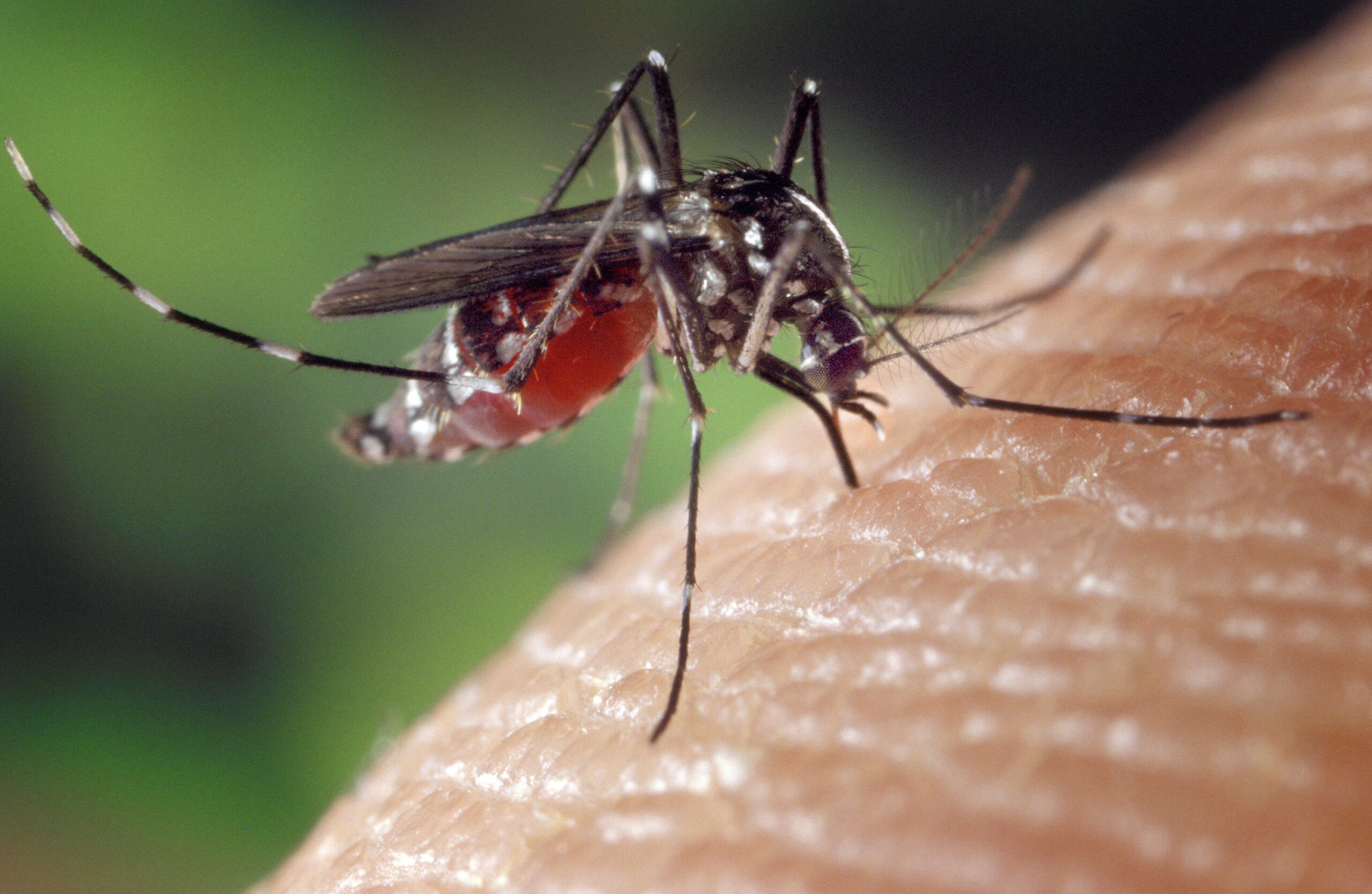
West Nile virus circulates mainly between birds and mosquitoes, especially mosquitoes in the Culex group. A mosquito becomes infected when it feeds on a bird that has enough virus in its bloodstream. Later, that infected mosquito may bite another bird, keeping the cycle going. If conditions allow many mosquitoes and susceptible birds to interact, the virus can build up in a local area before many people notice anything unusual.
Birds matter because they can act as amplifying hosts. That means some infected birds can develop virus levels high enough for another mosquito to pick it up during a blood meal. People, by contrast, are generally considered dead-end hosts. A person may get sick after an infected mosquito bite, but the level of virus in human blood is usually not high enough to infect a new mosquito and continue the cycle.
This is one reason West Nile is different from infections that spread easily from person to person. Casual contact, shared air, classroom proximity, and ordinary household interaction are not the usual routes. Rare transmission has been documented through blood transfusion, organ transplantation, and from parent to baby, but the everyday risk is overwhelmingly tied to mosquito bites. Understanding that route keeps prevention focused where it belongs: reducing contact between people and infected mosquitoes.
Why standing water changes the risk
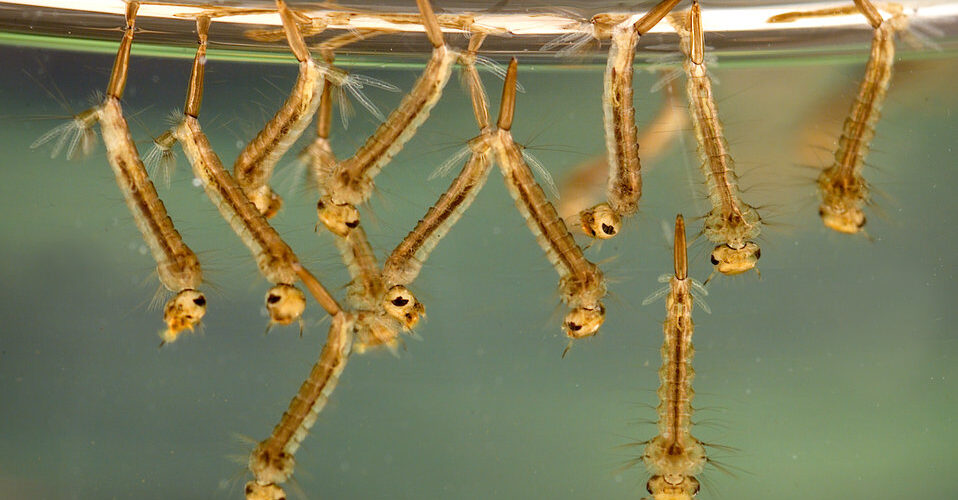
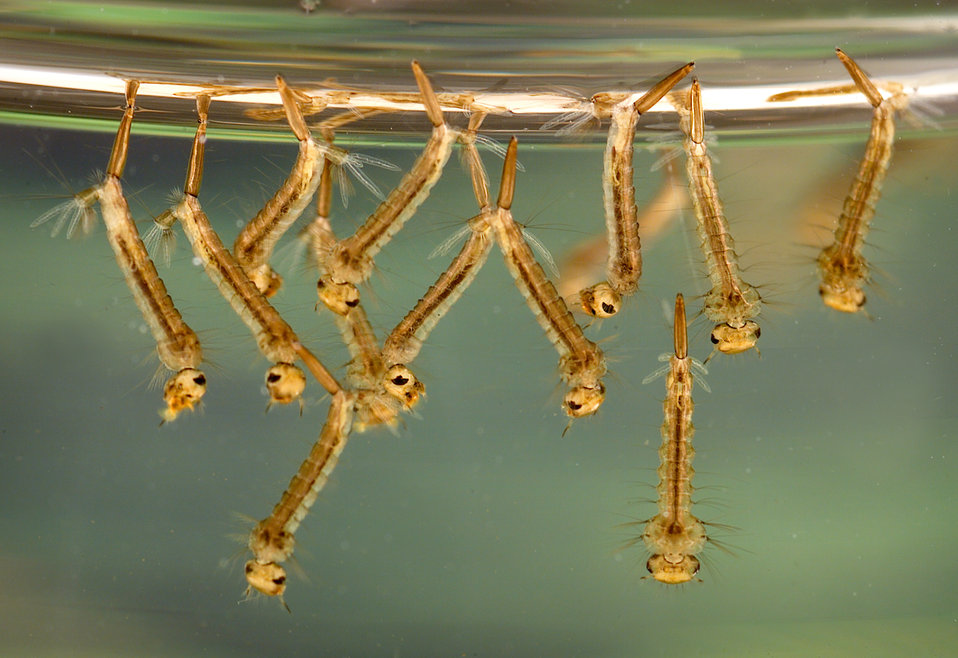
Mosquitoes do not all behave the same way, but they share one important feature: their early life stages depend on water. Eggs, larvae, and pupae develop in aquatic environments before adults emerge and fly away. Some mosquitoes use natural wetlands or floodwater pools. Others can take advantage of artificial containers near homes, schools, parks, alleys, and businesses.
That biology makes standing water more than a nuisance. A bucket, planter saucer, clogged gutter, birdbath, tarp fold, discarded tire, or uncovered rain barrel can create a small breeding site. The EPA and CDC both emphasize source reduction because removing water can interrupt the mosquito life cycle before adults appear. In many places, that simple step works alongside public mosquito control programs that monitor traps, treat larvae, and respond when infected mosquitoes are detected.
The timing also matters. West Nile activity is usually watched closely during the warmer months, when mosquitoes are active and human outdoor exposure increases. CDC’s 2026 West Nile surveillance page notes that current-season data are updated through summer and fall, with reporting delays and local variation. A national map can show broad patterns, but local health departments may know about mosquito positives, dead bird reports, or neighborhood-level risk sooner than national data can reflect.
Most infections are silent, but some are serious
A strange feature of West Nile virus is that most people who are infected never know it. CDC estimates that about 80 percent of infected people develop no symptoms. Another group develops a flu-like illness that can include fever, headache, body aches, joint pain, vomiting, diarrhea, or rash. Even when the illness is considered mild, fatigue and weakness can last longer than people expect.
The most concerning cases involve the central nervous system. Less than 1 percent of infected people develop severe illness, but those cases can include encephalitis, meningitis, muscle weakness, paralysis, tremors, confusion, or other neurologic symptoms. CDC notes that the risk of severe illness rises with age, and people with certain underlying conditions such as cancer, diabetes, high blood pressure, kidney disease, or weakened immune systems face higher risk.
That combination of common silent infection and rare severe disease is exactly why West Nile can be hard to judge by personal experience. A neighborhood may have infected mosquitoes even if few people are visibly sick. At the same time, the average mosquito bite does not mean a person will develop West Nile disease. Good public health messaging has to hold both facts at once: panic is not useful, but ignoring mosquito exposure is not wise either.
Surveillance looks for signals before people get sick
West Nile surveillance is not only a count of human cases. Public health agencies may test mosquito pools, track dead bird reports, monitor animal cases, and collect human disease reports from health care systems. CDC’s ArboNET system gathers state and territorial data using standard case definitions, but the agency cautions that surveillance has limits. Mild cases are often underreported, county-of-residence data may not show where exposure happened, and non-human surveillance varies from place to place.
That is why mosquito testing can be so valuable. If a trap finds West Nile-positive mosquitoes, local officials may increase public warnings, inspect breeding sites, apply larvicides, or adjust adult mosquito control. The purpose is not only to react after people become ill. It is to read the environment early enough to lower risk while the season is still unfolding.
Researchers are also working on better forecasting. NOAA research published in 2026 described efforts to improve West Nile prediction by combining climate, mosquito, bird, and human-case information. Forecasting is difficult because West Nile depends on local ecology, weather, mosquito abundance, bird immunity, and human exposure. Still, even imperfect forecasts can help health departments decide when to intensify surveillance or prevention.
Prevention works best when it matches the biology
The strongest prevention advice is practical because it follows the virus’s path. If West Nile reaches people through infected mosquitoes, then fewer bites and fewer breeding sites mean fewer opportunities for transmission. CDC recommends EPA-registered insect repellents, long loose-fitting clothing when mosquitoes are active, window and door screens, and extra caution from dusk to dawn, when many Culex mosquitoes are especially active.
At home, the most useful habit is a weekly water check. Empty, scrub, cover, or throw away items that collect water. A quick walk around a yard or balcony can catch flowerpot saucers, toys, buckets, trash containers, and folded tarps before larvae have time to develop. Permanent water that cannot be dumped may need approved larvicide products such as mosquito dunks, used according to label directions.
Community control fills in the gaps that individual households cannot handle alone. Storm drains, wetlands, neglected lots, and large mosquito populations require trained local programs. Those programs may use surveillance, source reduction, larvicides, and adulticides when needed. The best approach is not one dramatic action, but a layered system: fewer breeding places, fewer bites, better monitoring, and faster response when infected mosquitoes appear.
A small bite can reflect a larger system
West Nile virus is a reminder that disease risk often lives in relationships rather than in one isolated cause. Birds carry the virus in ways mosquitoes can pick up. Mosquitoes need water and warm conditions to multiply. People change exposure through outdoor habits, screens, repellents, landscaping, drainage, and neighborhood control programs. A single mosquito bite may feel random, but the risk behind it is shaped by many connected pieces.
That perspective makes prevention feel less mysterious. People do not have to memorize every detail of mosquito ecology to make useful choices. They need to know that West Nile moves mainly through a bird-mosquito cycle, that most human infections are silent while a small share can be severe, and that reducing bites and standing water can interrupt the route that brings the virus to people. In mosquito season, those ordinary steps are not just housekeeping. They are biology put to work.






Add comment